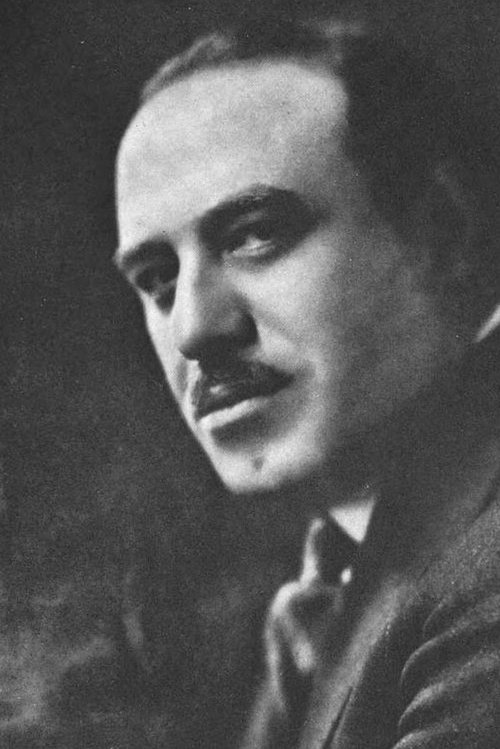
Robert G. Vignola
Directing
Biography
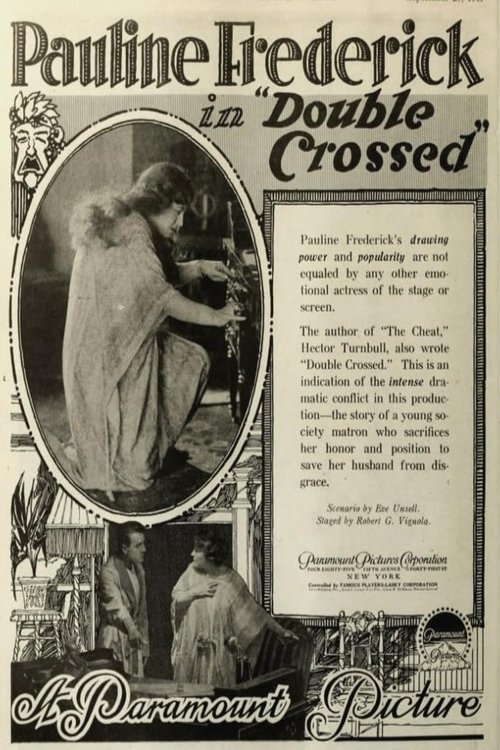
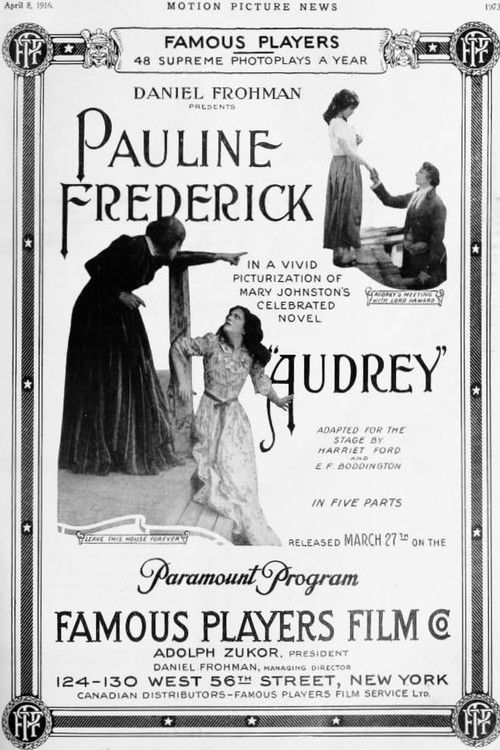
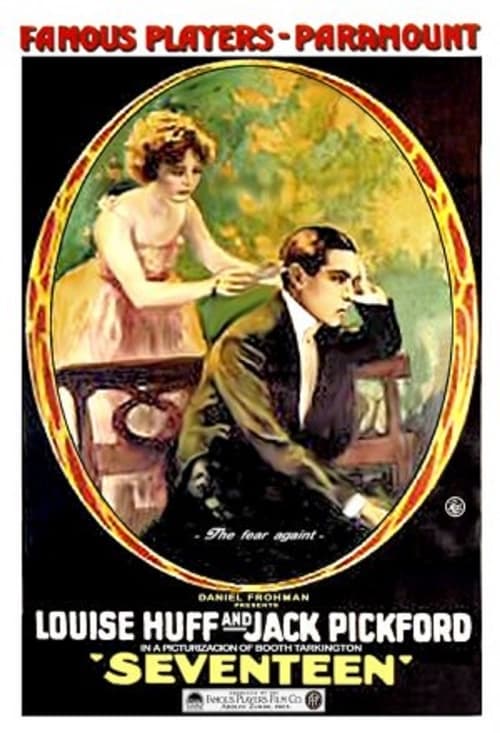
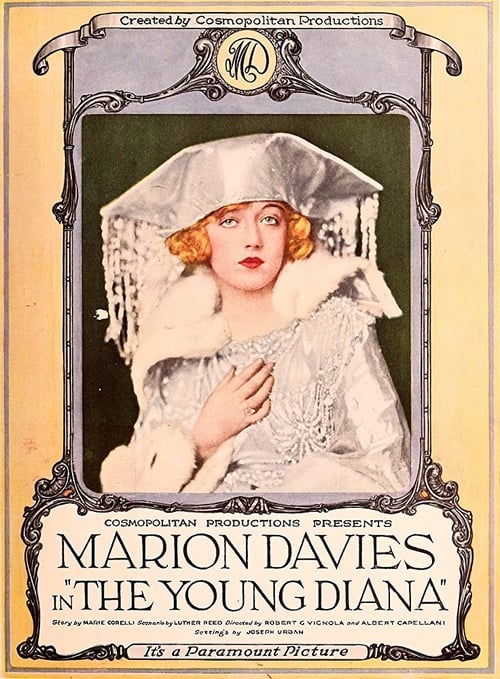
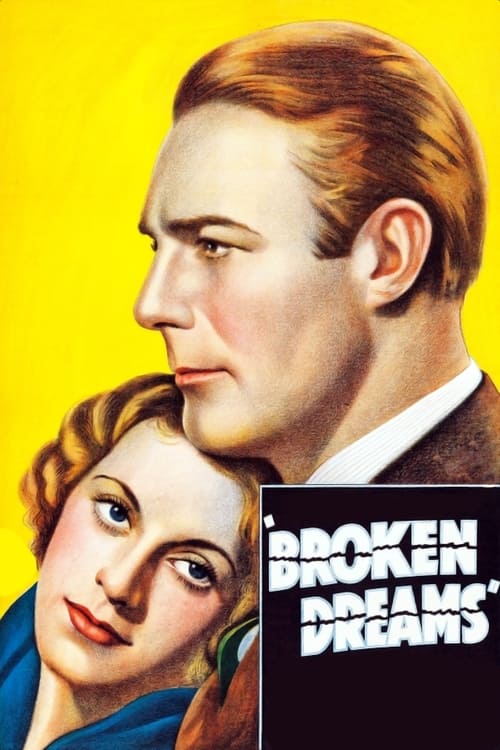
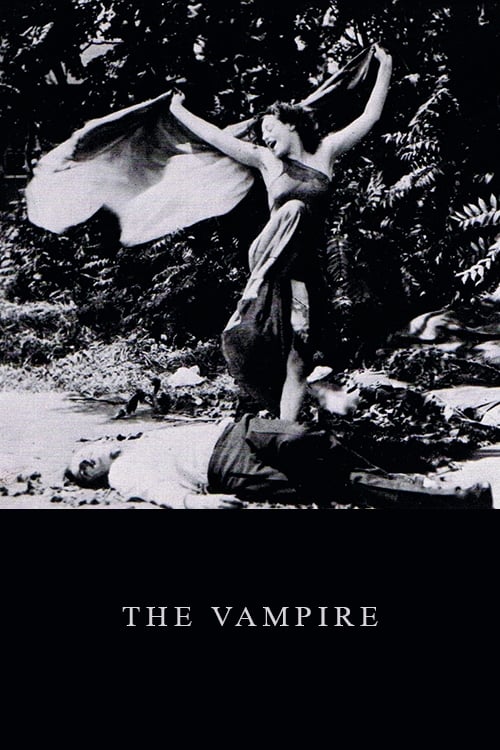
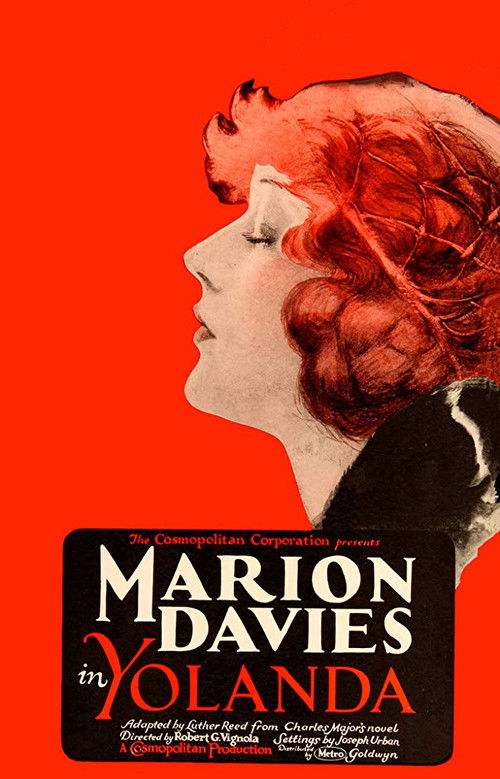
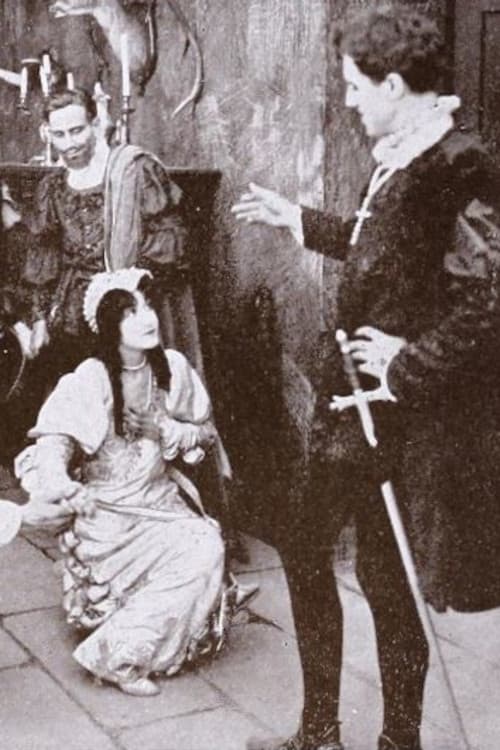
From Wikipedia, the free encyclopedia Robert G. Vignola (born Rocco Giuseppe Vignola, August 5, 1882 – October 25, 1953) was an Italian-born American actor, screenwriter and film director in American cinema. One of the silent screen's most prolific directors, he made a handful of sound films in the early years of talkies but his career essentially ended in the silent era. Born at Trivigno, in the province of Potenza, Vignola left Italy with his family at the age of 3 and was raised in upstate New York. He made his acting debut at 19 performing in "Romeo and Juliet", with Eleanor Robson Belmont and Kyrle Bellew. He began his film career as an actor in 1906 with the short film The Black Hand, directed by Wallace McCutcheon and produced by Biograph Company, generally considered the film that launched the mafia genre. In 1907 he joined Kalem Studios, for which he made numerous movies. One of Vignola's most notable film roles was as Judas Iscariot in From the Manger to the Cross (1912), directed by Sidney Olcott, one of the most successful films of the period. Vignola directed 87 films, most notably The Vampire (1913), sometimes cited as the first "vamp" movie, and Seventeen (1916), where Rudolph Valentino did an uncredited cameo. He had a long association directing the early movies of Pauline Frederick such as Audrey (1916) and Double Crossed (1917). His biggest success was the big-budget epic When Knighthood Was in Flower (1922), starring Marion Davies, which achieved critical and commercial acclaim. Other films include Déclassée (1925), with the uncredited appearance of the then unknown Clark Gable; Broken Dreams (1933), which received a nomination for Best Foreign Film at the Venice Film Festival, and The Scarlet Letter (1934), the last film of Colleen Moore. Vignola died in Hollywood, California in 1953. He lived in a mansion at Whitley Heights owned by William Randolph Hearst. Hearst's mistress Marion Davies was allowed to stay without him at Vignola's mansion, worried that she was having affairs and considering Vignola a trusted companion for her as he was homosexual. He was buried in St. Agnes Cemetery, Menands, New York.