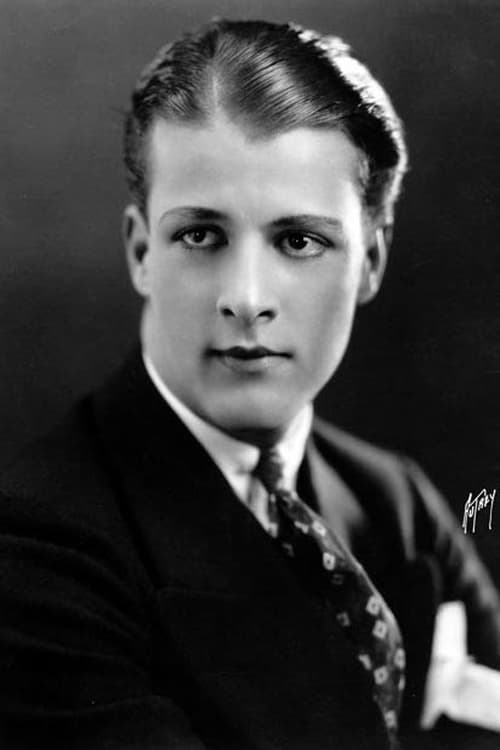
Barry Norton
Acting
Biography
From Wikipedia, the free encyclopedia Barry Norton (born Alfredo Carlos Birabén; June 16, 1905 – August 24, 1956) was an Argentinian-American actor. He appeared in over 90 films, starting in silent films from 1925 until his death in 1956. He is perhaps best known for his role as Juan Harker in Universal Pictures' Spanish-language version of Drácula in 1931, the English language role of Jonathan Harker originated by David Manners. Arriving in Hollywood in the 1920s, Norton first appeared as an extra in The Black Pirate (1926) but was soon cast in Fox Films' The Lily that same year. His big break came when he was given the role of Pvt. "Mother's Boy" Lewisohn in What Price Glory?, which turned out to be a huge commercial success. He landed substantial roles in Legion of the Condemned and 4 Devils (both 1928), which were also very successful. His acting was well received by audiences and critics at the time, and during the silent era he avoided being typecast as a Latin lover. One theater owner in Golden City, Montana said, "[Norton] has as yet to show me a bad performance. There's a boy that is a 'natural'." In the early 1930s, Norton could still get leading roles in major films. Major Hollywood studios started producing alternate-language versions of their prestige productions, and he became one of dozens of Latino actors needed. Drácula was one of these films, but Norton also appeared in Spanish-language versions of Paramount on Parade (1930), The Benson Murder Case (1930), and The Criminal Code (1931). In a few cases, he appeared in both versions of a film. Examples include Storm Over the Andes (Spanish version: Alas sobre El Chaco), The Sea Fiend (El diablo del Mar), and Captain Calamity (El capitan Tormenta), the latter film reuniting him with Lupita Tovar, his romantic interest from Dracula. In addition to roles in Spanish-territory films, he had roles in numerous major films, usually playing sophisticated Europeans. With the decline in Spanish-language film production in Los Angeles, Norton's opportunities for leading roles became less and less frequent. Though he had a pleasing voice, his Argentine accent seemed incongruous with his appearance. According to some sources, he never mastered English very well. In 1933, he secured what would be his last important role, playing Jean Parker's Spanish fiancé in Frank Capra's Lady for a Day (1933). Although he would continue to work for another 15 years, Norton's last credited screen role would be Should Husbands Work? (1939). For the rest of his career, Norton continued to reside in Los Angeles and obtain small roles in films. Many films he appeared in are now considered to be classics.
Known For
Four Star Playhouse is an American television anthology series that ran from 1952 to 1956, sponsored in its first bi-weekly season by The Singer Company; Bristol-Myers became an alternate sponsor when it became a weekly series in the fall of 1953. The original premise was that Charles Boyer, Ida Lupino, David Niven, and Dick Powell would take turns starring in episodes. However, several other performers took the lead from time to time, including Ronald Colman and Joan Fontaine. Blake Edwards was among the writers and directors who contributed to the series. Edwards created the recurring character of illegal gambling house operator Willie Dante for Dick Powell to play on this series. The character was later revamped and spun off in his own series starring Howard Duff, then-husband of Lupino. The pilot for Meet McGraw, starring Frank Lovejoy, aired here, as did another episode in which Lovejoy recreated his role of Chicago newspaper reporter Randy Stone, from the radio drama Nightbeat.
Four Star Playhouse
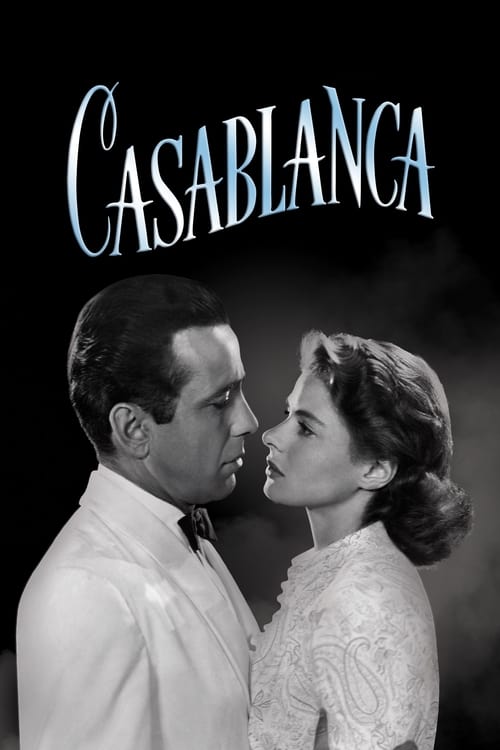
In Casablanca, Morocco in December 1941, a cynical American expatriate meets a former lover, with unforeseen complications.
Casablanca
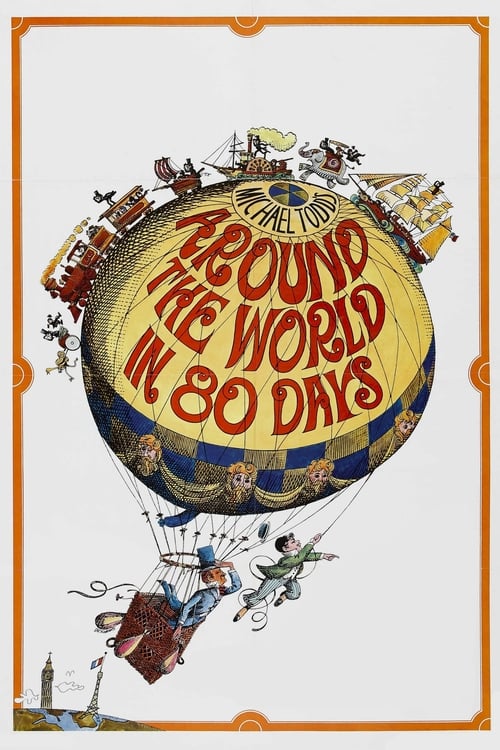
Based on the famous book by Jules Verne the movie follows Phileas Fogg on his journey around the world. Which has to be completed within 80 days, a very short period for those days.
Around the World in 80 Days
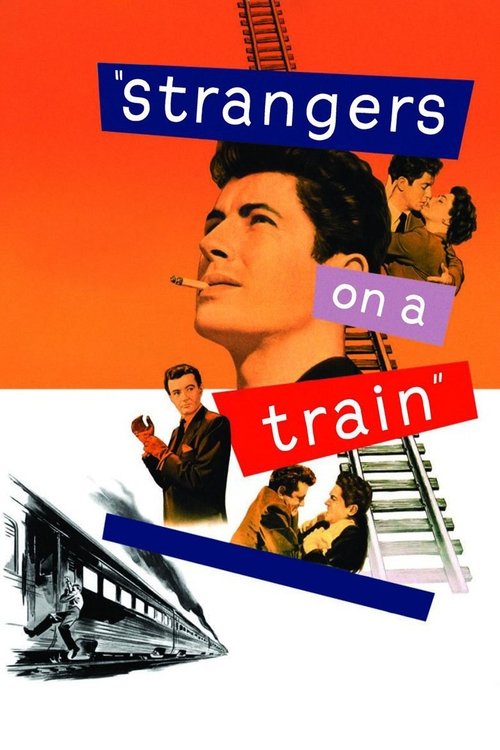
A charming psychopath tries to coerce a tennis star into his theory that two strangers can commit the perfect crime by exchanging murders—each killing the other’s most-hated person.
Strangers on a Train
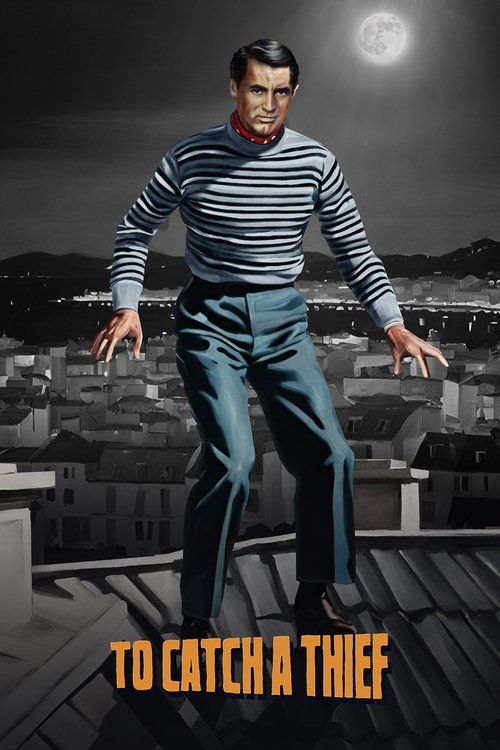
When a string of jewel robberies hits the French Riviera, suspicion falls on retired thief John “The Cat” Robie. To clear his name, he sets out to trap the copycat himself—entangling a wealthy widow and her beguiling daughter in a seductive game of pursuit, deception, and desire.
To Catch a Thief
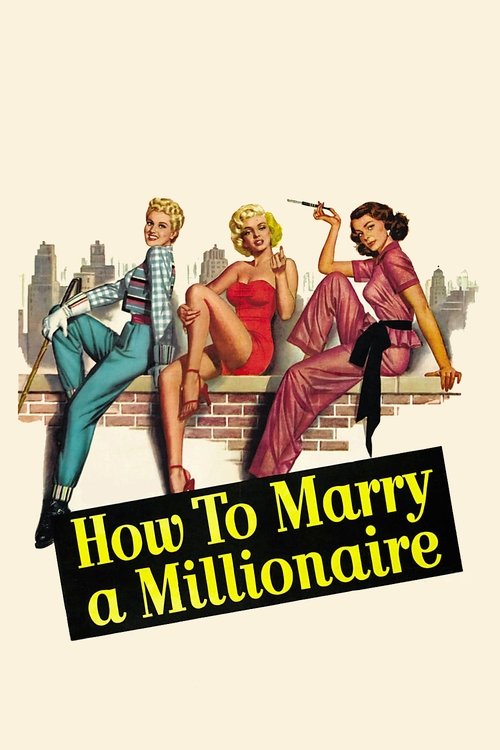
Three women set out to find eligible millionaires to marry, but find true love in the process.
How to Marry a Millionaire
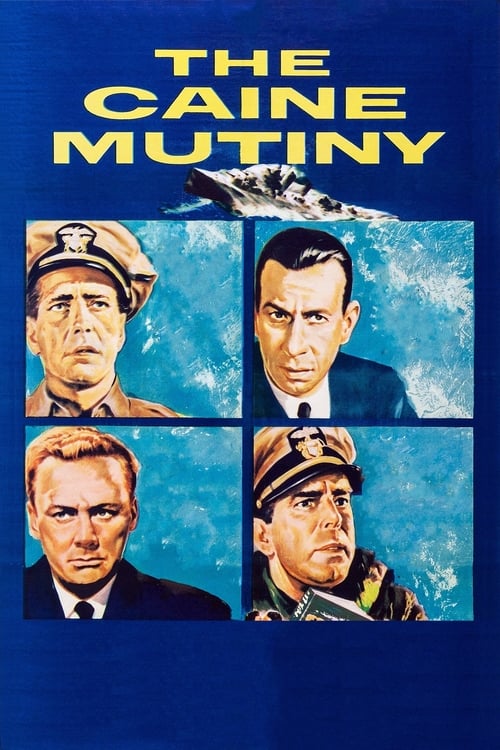
When a US Naval captain shows signs of mental instability that jeopardize his ship, the first officer relieves him of command and faces court martial for mutiny.
The Caine Mutiny
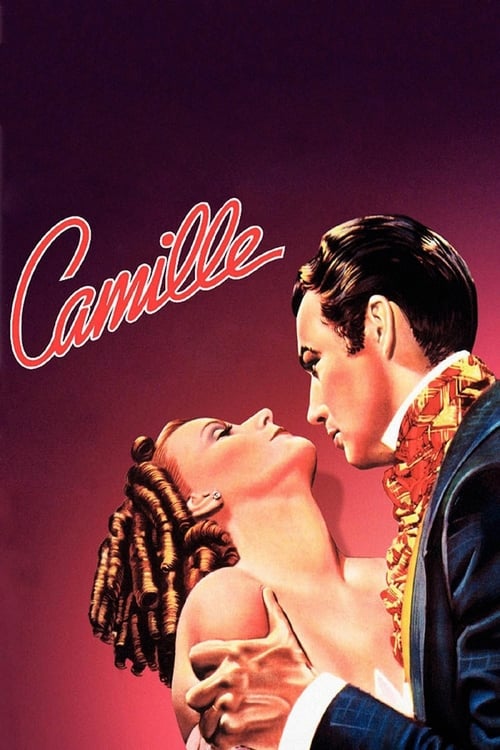
Life in 1847 Paris is as spirited as champagne and as unforgiving as the gray morning after. In gambling dens and lavish soirees, men of means exert their wills and women turned courtesans exult in pleasure. One such woman is Marguerite Gautier, who begins a sumptuous romance with Armand Duval.
Camille
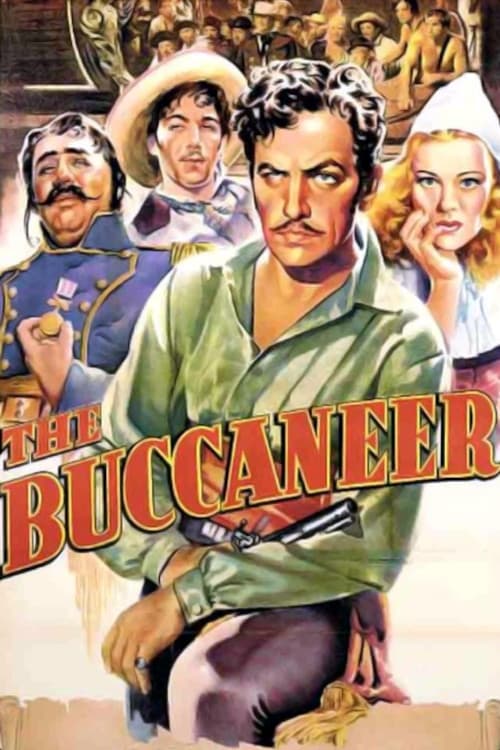
French pirate Jean Lafitte rescues a girl and joins the War of 1812.
The Buccaneer

A movie star helps a young singer-actress find fame, even as age and alcoholism send his own career into a downward spiral.
A Star Is Born
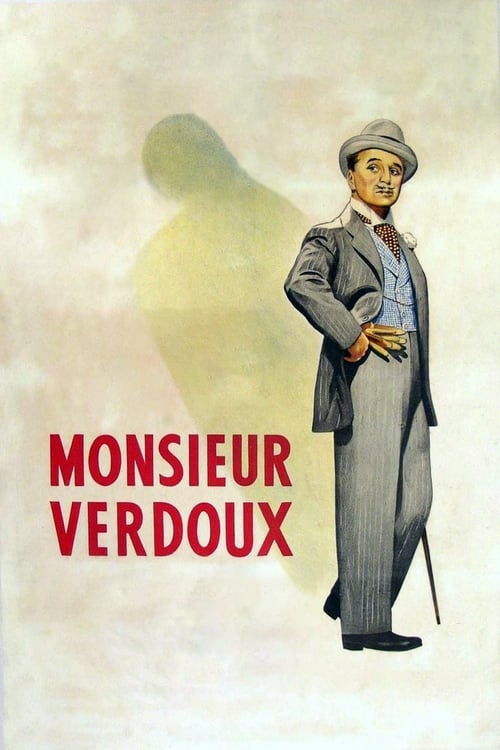
The film is about an unemployed banker, Henri Verdoux, and his sociopathic methods of attaining income. While being both loyal and competent in his work, Verdoux has been laid-off. To make money for his wife and child, he marries wealthy widows and then murders them. His crime spree eventually works against him when two particular widows break his normal routine.
Monsieur Verdoux
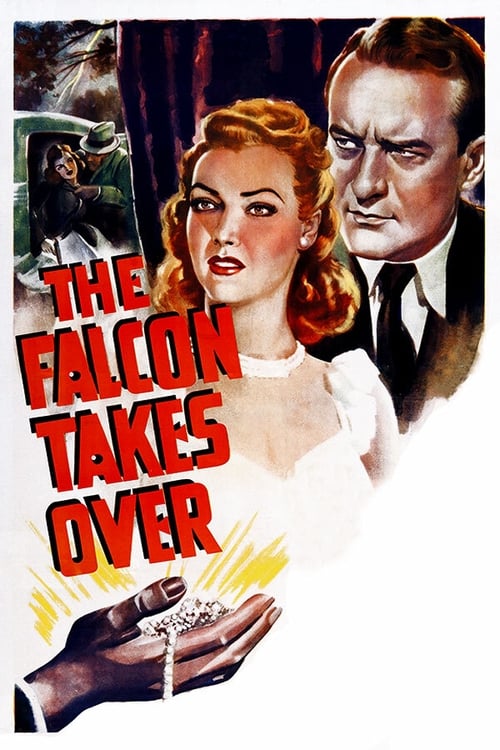
While an escaped convict, Moose Malloy, goes in search of his ex-girlfriend Velma, police inspector Michael O'Hara attempts to track him assuming him to be a prime suspect for a number of mishaps.
The Falcon Takes Over
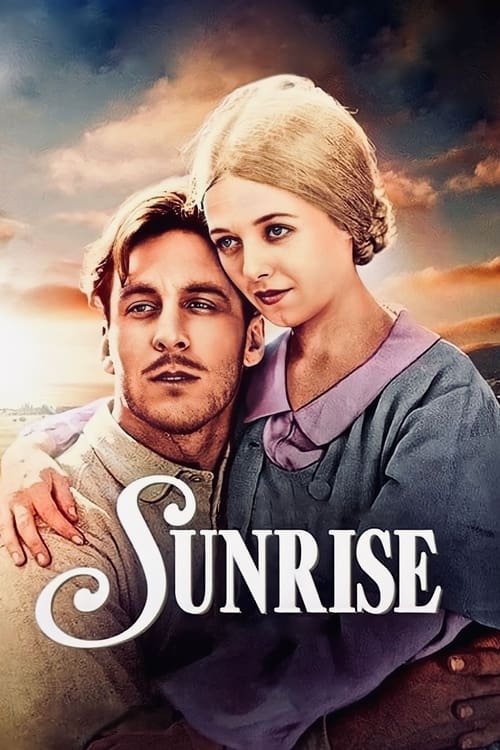
A married farmer falls under the spell of a slatternly woman from the city, who tries to convince him to drown his wife.
Sunrise: A Song of Two Humans
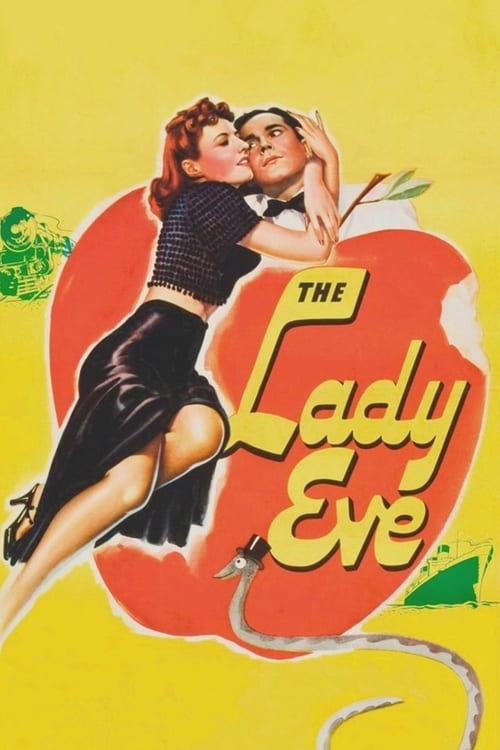
It's no accident when wealthy Charles falls for Jean. Jean is a con artist with her sights set on Charles' fortune. Matters complicate when Jean starts falling for her mark. When Charles suspects Jean is a gold digger, he dumps her. Jean, fixated on revenge and still pining for the millionaire, devises a plan to get back in Charles' life. With love and payback on her mind, she re-introduces herself to Charles, this time as an aristocrat named Lady Eve Sidwich.
The Lady Eve
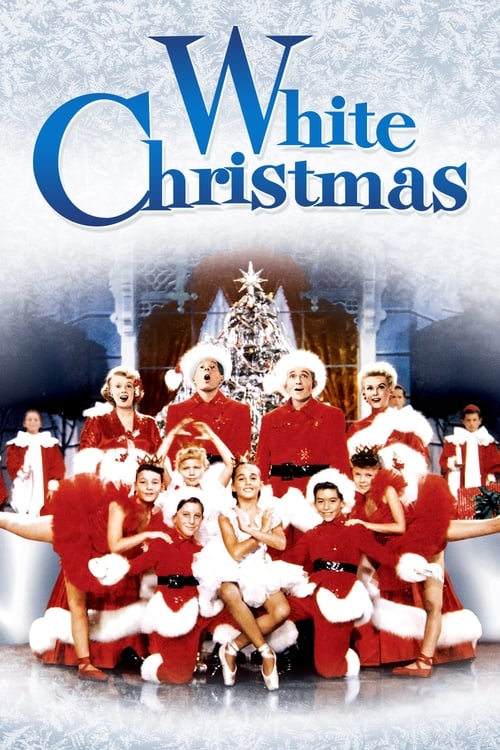
Two talented song-and-dance men team up after the war to become one of the hottest acts in show business. In time they befriend and become romantically involved with the beautiful Haynes sisters who comprise a sister act.
White Christmas
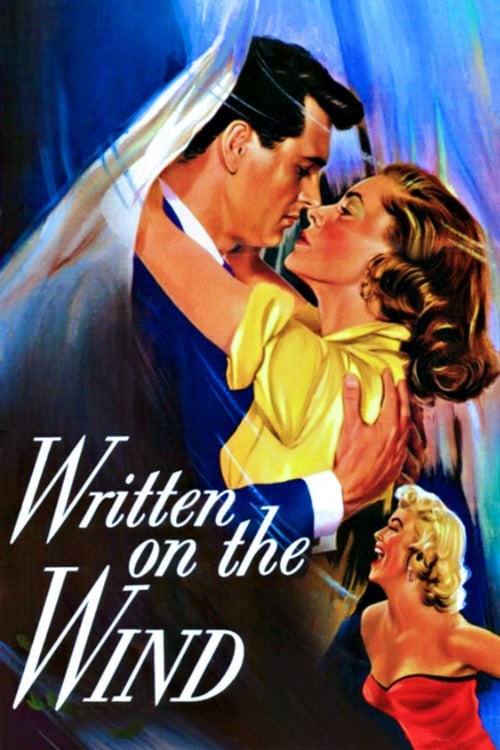
Mitch Wayne is a geologist working for the Hadleys, an oil-rich Texas family. While the patriarch, Jasper, works hard to establish the family business, his irresponsible son, Kyle, is an alcoholic playboy, and his daughter, Marylee, is the town tramp. Mitch harbors a secret love for Kyle's unsatisfied wife, Lucy -- a fact that leaves him exposed when the jealous Marylee accuses him of murder.
Written on the Wind
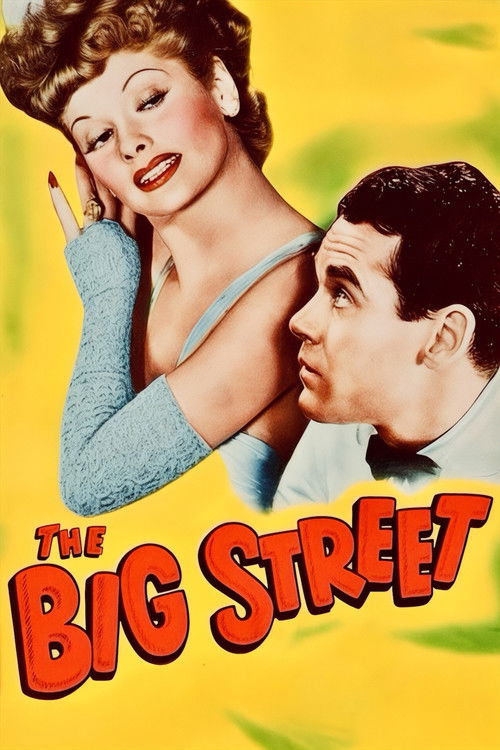
Meek busboy Little Pinks is in love with an extremely selfish nightclub singer who despises and uses him.
The Big Street
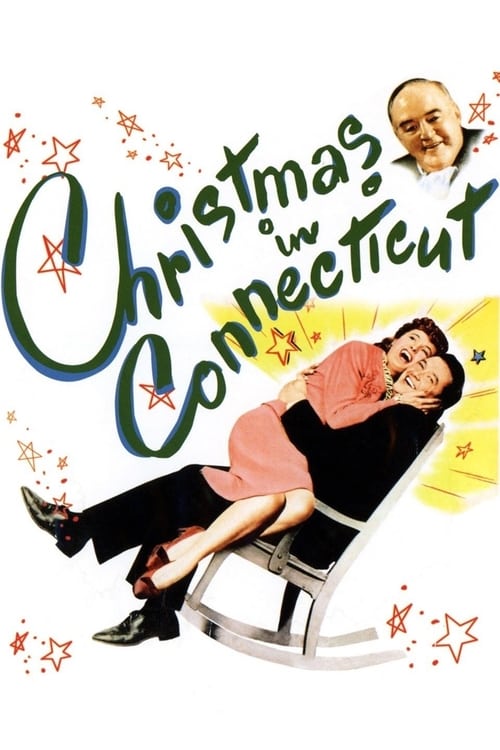
While recovering in a hospital, war hero Jefferson Jones grows familiar with the "Diary of a Housewife" column written by Elizabeth Lane. Jeff's nurse arranges with Elizabeth's publisher, Alexander Yardley, for Jeff to spend the holiday at Elizabeth's bucolic Connecticut farm with her husband and child. But the column is a sham, so Elizabeth and her editor, Dudley Beecham, in fear of losing their jobs, hasten to set up the single, childless and entirely nondomestic Elizabeth on a country farm.
Christmas in Connecticut
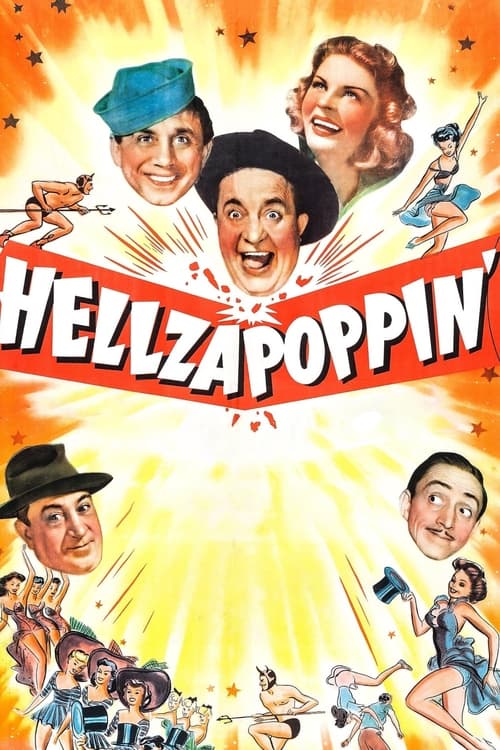
Olsen and Johnson, a pair of stage comedians, try to turn their play into a movie and bring together a young couple in love, while breaking the fourth wall every step of the way.
Hellzapoppin'
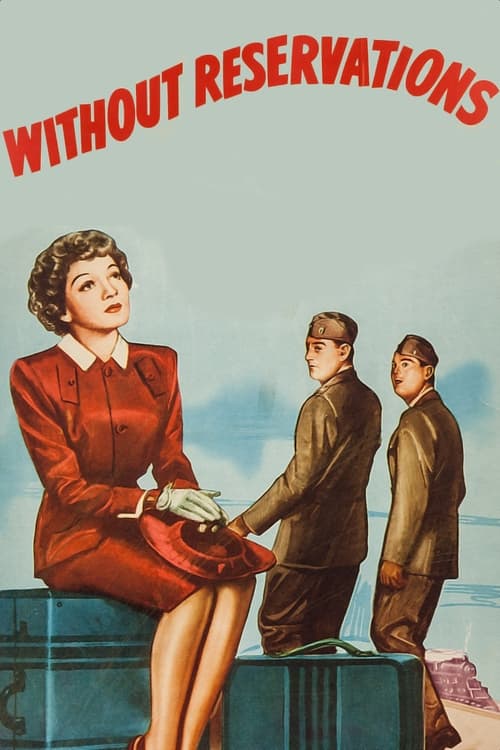
Kit Madden is traveling to Hollywood, where her best-selling novel is to be filmed. Aboard the train, she encounters Marines Rusty and Dink, who don't know she is the author of the famous book, and who don't think much of the ideas it proposes. She and Rusty are greatly attracted, but she doesn't know how to deal with his disdain for the book's author.