Acting
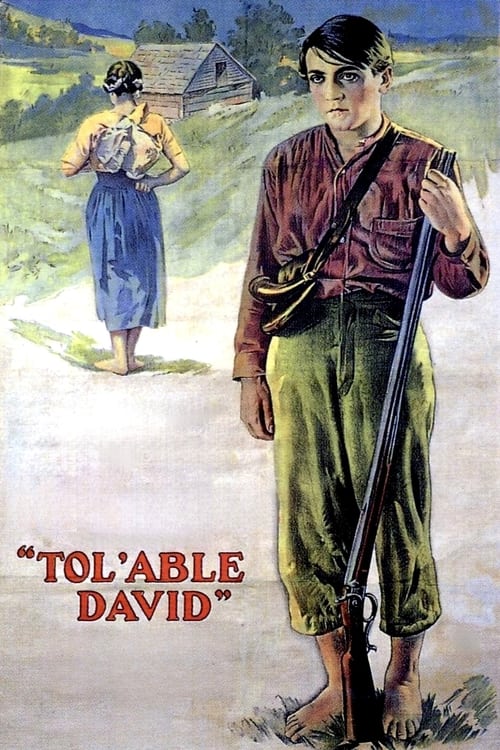
Young David Kinemon is a good-natured, easy-going lad in a mountain village. Circumstances force him to take his brother's place as mail carrier for the community, and this brings him into deadly contact with the vicious Hatburn brothers.
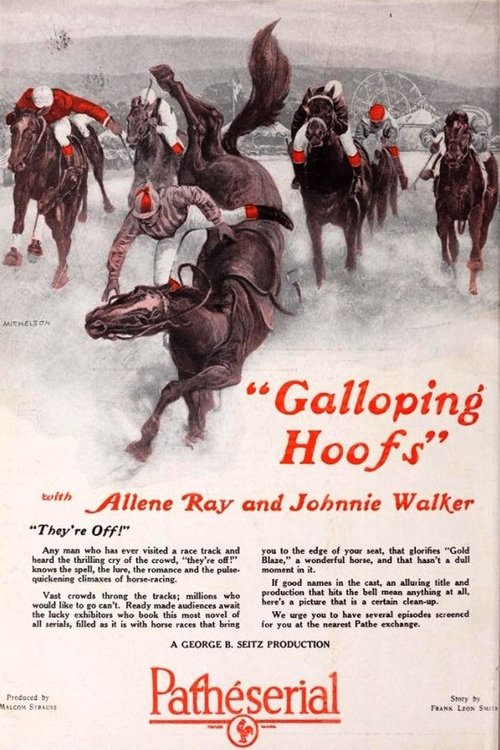
Galloping Hoofs is a 1924 American silent Western film serial directed by George B. Seitz.
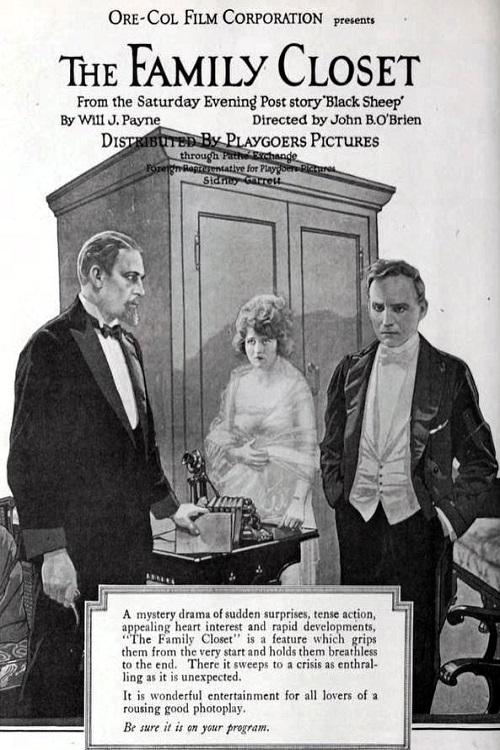
A young writer, John Hale, inherits a fortune and moves into an alleged-haunted castle with his servant "Rusty." He discovers the 'hauntee' to be Countess von Baden, hiding in a secret chamber with her son, whom the court has awarded to her divorced husband.
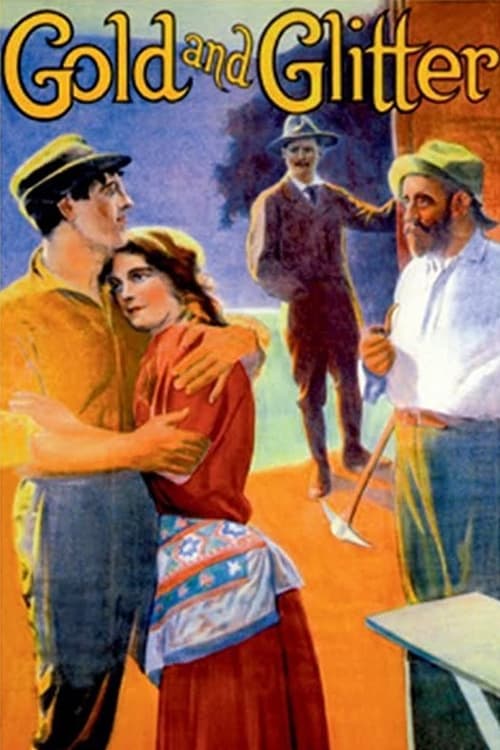
As Danny Rowland, a tramp, and his partner Dominie, an ex-minister, trudge wearily past the Winnicrest mansion in Tennessee, an old servant called Uncle Alex rushes up to Danny and welcomes him home as his long-lost employer, Richard Castleman. Amused, Danny assumes the role, and he and Dominie are clothed, fed, and generally treated like royalty. The beautiful Jean Logan, who had believed with the rest of the neighborhood that Richard was lost at sea, greets her returning sweetheart with a passionate embrace, and Danny soon falls in love with her.
Jeffrey (Matt More), a jewelry store clerk prevents a robbery and, as a reward, given a vacation in Honolulu, provided that he transports a valuable emerald to the Hawaiian Islands. On the boat he meets a blonde named Mary (Dorothy Revier) whom he mistakes for a jewel thief called Blonde Mary (Hazel Howell).
When Kentucky plantation owner George Shelby is forced to sell several of his slaves, one of them, Eliza Harris, escapes across the icy Ohio River with her child. Kindly old Uncle Tom, however, is sold to a Southern slave trader and begins his voyage down the Mississippi River. During the trip, he rescues little Eva St. Clair from the river, and out of gratitude, the girl's father buys him.
D.W. Griffith short intercuts two different stories before mixing them together at the end. The film focuses on a telephone girl who leaves work for her lunch break at the same time as "The Lady" goes to a jewelry store to pick up some priceless jewels. When the telephone girl returns to work she gets a phone call from the house of "The Lady" as a robber has broken in and is trying to steal the jewels.
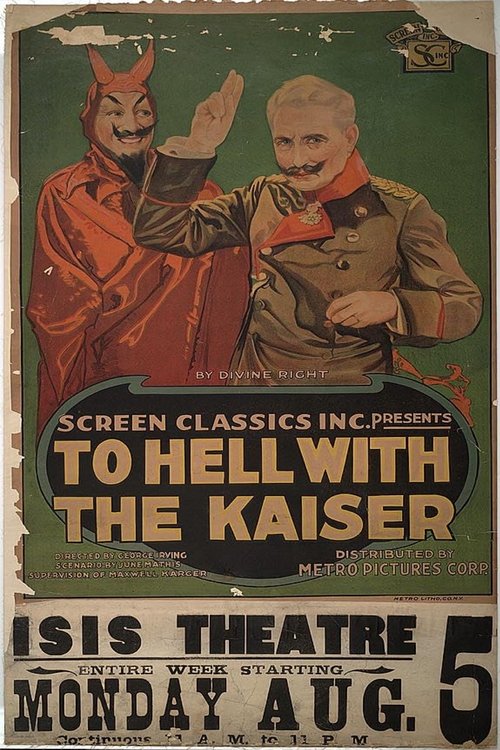
A farce in which the German Kaiser and the Crown Prince are defeated and made sport of by a plucky American girl and several American prisoners of war.
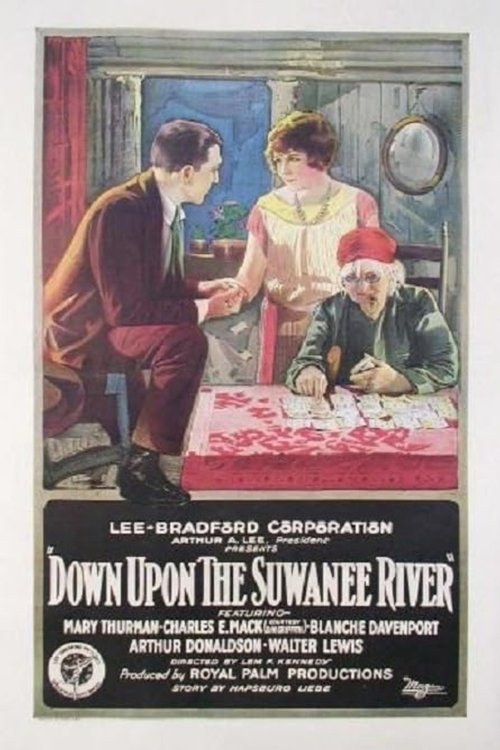
Bill Ruble, whose atheism earns him the dislike of his fellow townspeople, elopes with Mary Norwood. Bill is falsely accused of theft and leaves town, signing up as a deckhand on a ship sailing around the world. A baby is born to Mary in Bill's absence, and she is disowned by friend and neighbor alike. She attempts to drown herself in the river, but an old Negro rescues her. Mary returns home and finds Bill there. He has become a true believer and a member of the church during his travels, and he and Mary are happily reunited.
Young Angus Burke accidentally shoots the sheriff, who is leading a posse to get the boy's father, a thief. Angus' mother dies, and he is taken to trial alone. Found not guilty, he is given a job with the local newspaper office. He leaves when several citizens object to his presence--to return several years later. He takes over the newspaper and saves the townspeople from a gang of crooks.
No description available.
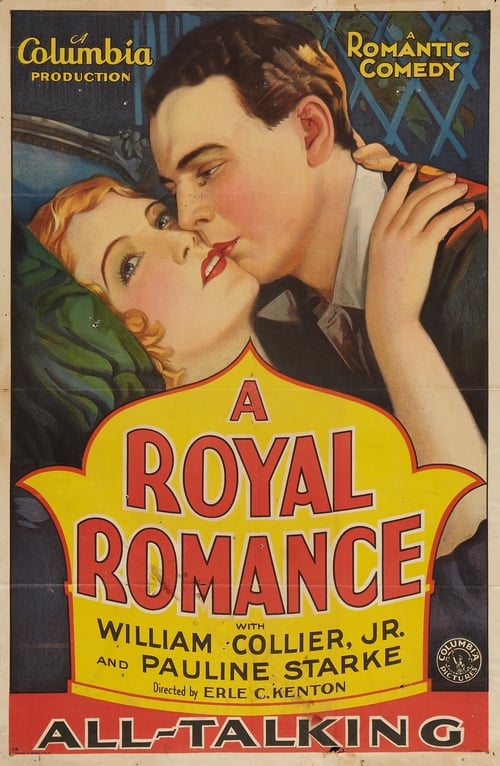
A Belgian countess escapes to America to avoid a loveless marriage and finds romance and adventure in a mountain village in Tennessee.
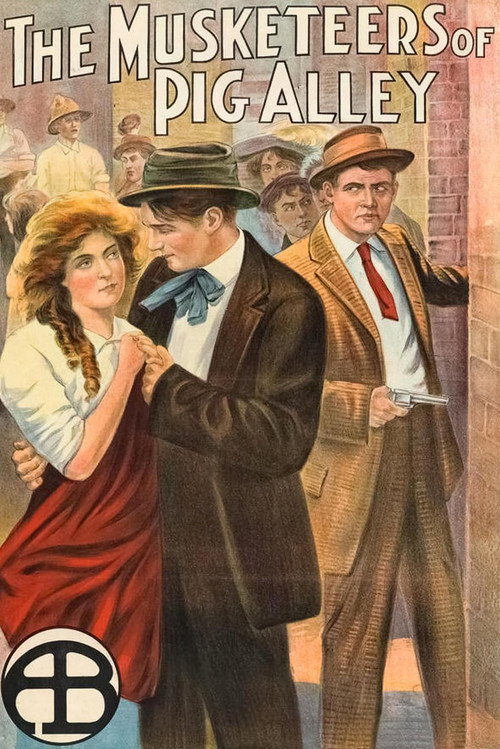
A man recognizes the thief who had previously robbed him as one of the men involved in an unrelated mob shootout.
As the husband leaves for the lumber regions, his wife gives him a memory message to be opened after his arrival. Attracted by a maid, cherished by the love of two old brothers, he forgets it until sometime later. The message serves its purpose, however, for through it, after a thrilling experience, the maid learns the true value of the man's love, while he in his turn, goes back to his waiting wife and finds there, along with his shame and regeneration, his heart's desire.
Stern parents have ever been relentless obstacles in love's young dream, but it is perhaps quite doubtful if ever love could equal the accentuated bliss and anguish of these two. She refused to eat for her hero and for her he bore the marks of battle, an eye made black by a cruel parent's fist. Tired of such an unsympathetic world, they sought the wilderness, where, had it not been for Indian Charlie, these two "babes in the wood" would have ended their dream in a manner quite too disagreeable to think of.
Steve Monteith and Ezra Mason, upper class men, and Bill Bronson, a plebe, are chums and roommates at West Point before the Civil War. Steve prepares to leave for his home in Virginia, and Mason and he exchange photographs before parting. General Abner Montieth, Steve's father, and his sister Clairette are overjoyed and surprised when Steve arrives. Aunt Margie and her adopted daughter, Joan Fitzhugh, who is very fond of Steve, join the family and give Steve a warm welcome. One year later the rumble of war is heard. Steve, now a major, and his father, General, leave at the head of separate companies with the Confederate troops.
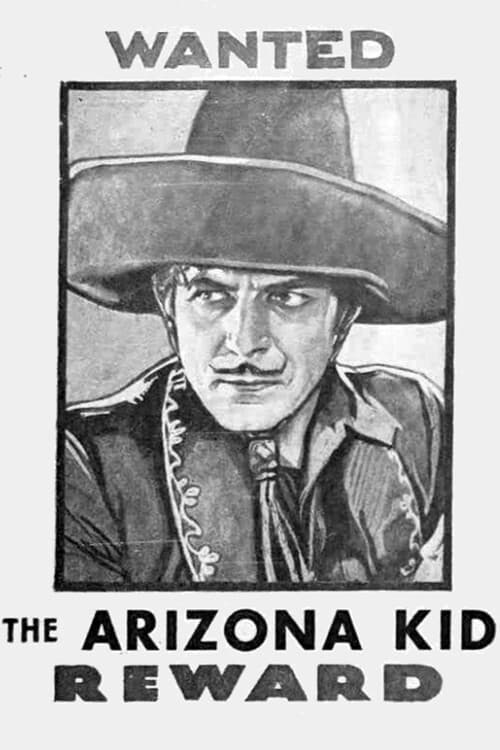
The Arizona Kid carries out his mission as a Robin Hood-type bandit while posing as a wealthy and carefree miner. He falls for an eastern girl, Virginia Hoyt, accompanied by presumably her brother, Dick Hoyt, actually her husband. The Kid's mine is raided and two of his friends are killed and he learns that Dick and Virginia are the culprits...
Nine-year-old Nedda is a direct descendant of the Trevors, a family that can trace its roots back to the reign of King Charles I. Alas, the Trevors suffer severe financial reverses, and Nedda is yanked from the luxury of her ancestral home in Britain to be raised on New York's Lower East Side. Ten years later, the grown-up Nedda stands accused of the murder of her mother.
His dumb grief was mistaken for indifference at his mother's death-bed, but it was the non-committal lady who learned the truth. The favorite son came to woo and win her. She made fine biscuits. In the end, as is quite apt to be the case, the lady gave up herself and her accomplishments in a way quite unexpected.
Mountain families feud.