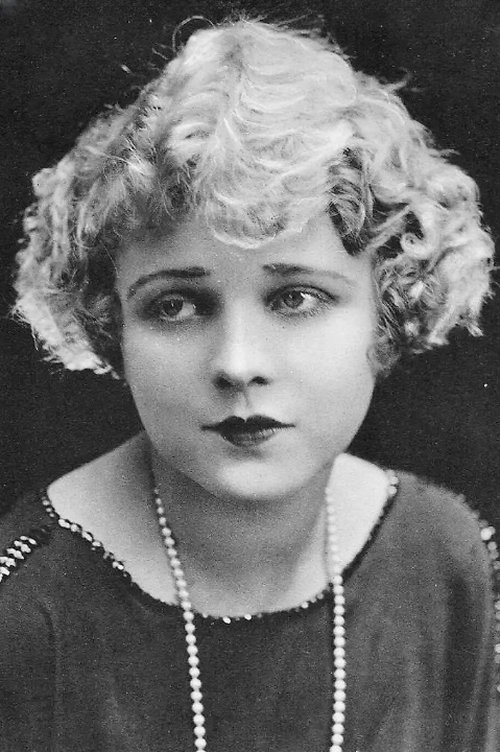
Wanda Hawley
Acting
Biography
From Wikipedia, the free encyclopedia. Wanda Hawley (a.k.a. Wanda Petit), (July 30, 1895 – March 18, 1963) was a veteran of the silent screen films era. She entered the theatrical profession with an amateur group in Seattle, and later toured the U.S. and Canada as a singer. She co-starred with Rudolph Valentino in the 1922's The Young Rajah, and rose to stardom in a number of Cecil B. DeMille and director Sam Wood's films. Description above from the Wikipedia article Wanda Hawley, licensed under CC-BY-SA, full list of contributors on Wikipedia.
Known For
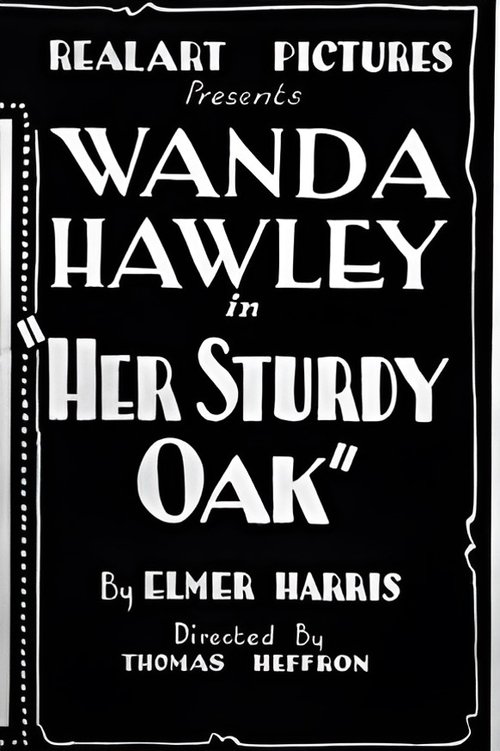
Blaze Burke, rough-and-ready lumberjack, is promised the job of camp boss if he eliminates a gang of lumber poachers. He is doublecrossed and the job goes to Milton Symmons, the employer's nephew.
The Combat

A kindly old sheik is being deceived by his villainous son, who seeks to destroy his father by uniting with the enemy tribe. However, the plan is foiled by a young English philosopher who lives alone at the oasis. In the ensuing battle the villain is killed, leaving the way clear for the happy marriage of the philosopher and the young woman he loves. A lost film.
Burning Sands

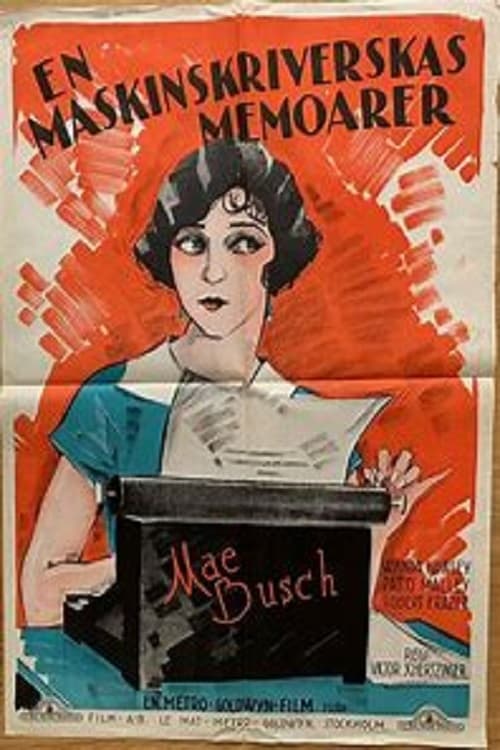
To relieve the burden placed on their mother, Alice Sturgis (Wanda Hawley) marries and has several children, while her independent sister, Jeanette (Mae Busch), goes to work as a stenographer. Eventually, she is forced to marry a persistent salesman to avoid a scandal. Becoming disillusioned with married life, Jeanette leaves the salesman, but after 3 years' separation she realizes her need for a family and returns to him.
Bread

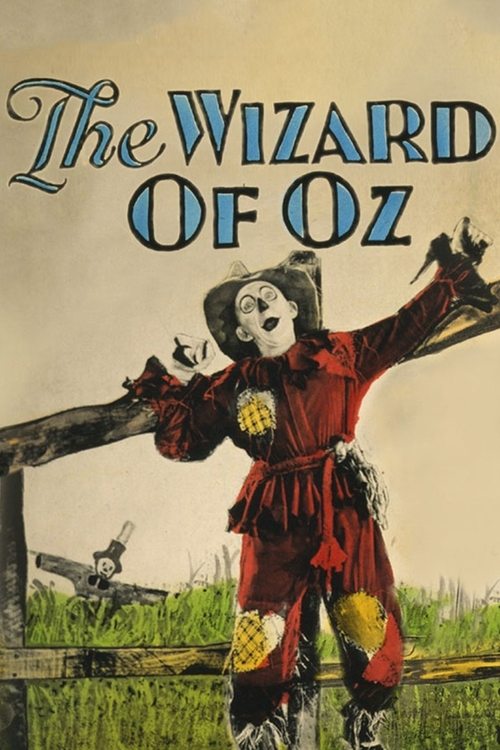
A farm girl learns she is a princess and is swept away by a tornado to the land of Oz.
The Wizard of Oz

Chorus girl Peggy Malone, supporting her father and brother, marries press agent Jimmy Parsons. They settle into a quiet life until her "shiftless" relatives move in, causing marital strain and financial pressure. To escape the domestic chaos and support her family, Peggy returns to the stage and eventually joins a motion picture company in Los Angeles. She quickly becomes a famous film star, continuing to provide for her ungrateful family while Jimmy moves to Arizona to recuperate from failing health. While filming a dangerous stunt, Peggy is seriously injured. During her recovery, she is forced to choose between the wealthy admirer Martin Fox and her husband Jimmy, who travels to Los Angeles to win her back. Peggy chooses love over wealth, reuniting with Jimmy (now a successful scenarist) and finally finding true happiness.
Her Face Value

Dr. Edward Meade and friend Richard Burton both love Sylvia Norcross. Both enlist in the military, but Meade stays back to care for deformed children. Sylvia thinks him a coward and marries Burton. After Burton is presumed dead, Meade and Sylvia are to wed, but Burton returns maimed and scarred.
For Better, for Worse

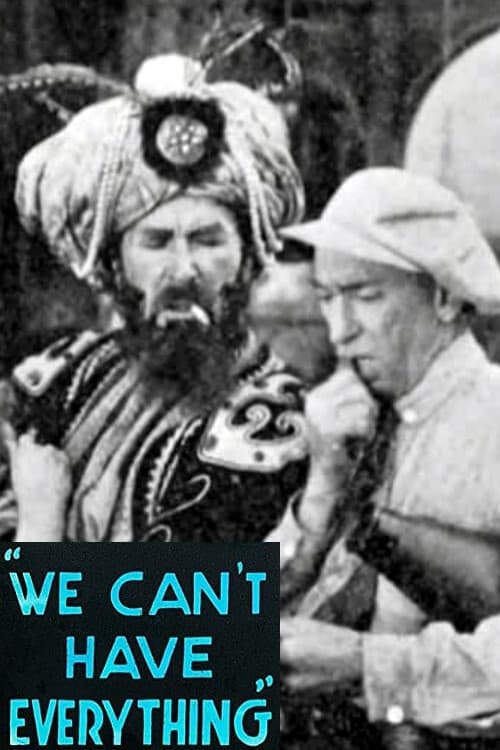
A married couple, each in love with another, attempts to unentangle themselves from their marriage in order to be with the one each truly loves. But the more they untangle one knot, the faster more confusing knots appear.
We Can't Have Everything

Auto racer Speed Carr enters a marathon race across the United States, from New York to Los Angeles. He encounters numerous obstacles not related to the race and must switch identities and vehicles before he can finish.
Double Speed

Young Jack Wright offers his hand in marriage to the winner of a lottery, but after committing to the winner falls in love with another woman.
The Lottery Man

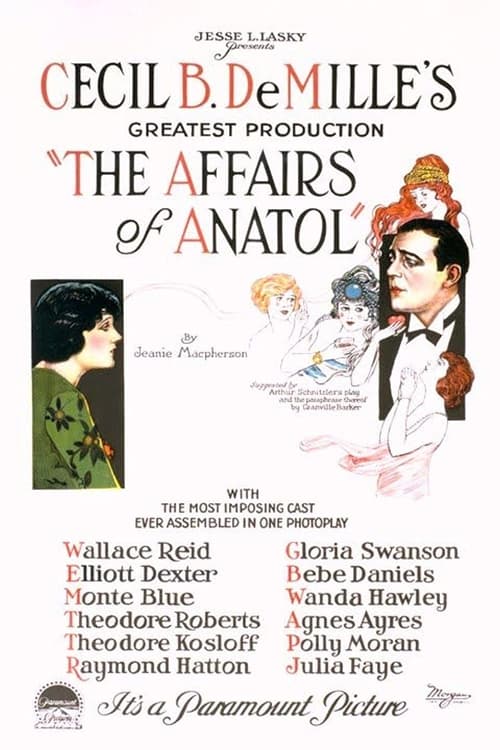
Socialite Anatol Spencer, finding his relationship with his wife lackluster, goes in search of excitement. After bumping into old flame Emilie, he lets an apartment for her only to find that she cheats on him. He is subsequently robbed, conned, and booted from pillar to post. He decides to return to his wife and discovers her carousing with his best friend Max.
The Affairs of Anatol

Mary's kid brother needs an operation and, in order to pay for it, Mary goes to a Hollywood studio and applies for a job as an actress. Mary is given a job as a waitress in the commissary, and gets to meet 40 actors, actresses and directors, none of whom tip big enough to enable Mary to earn enough money to pay for an operation. Will Mary become an actress and make some big money?
Mary of the Movies

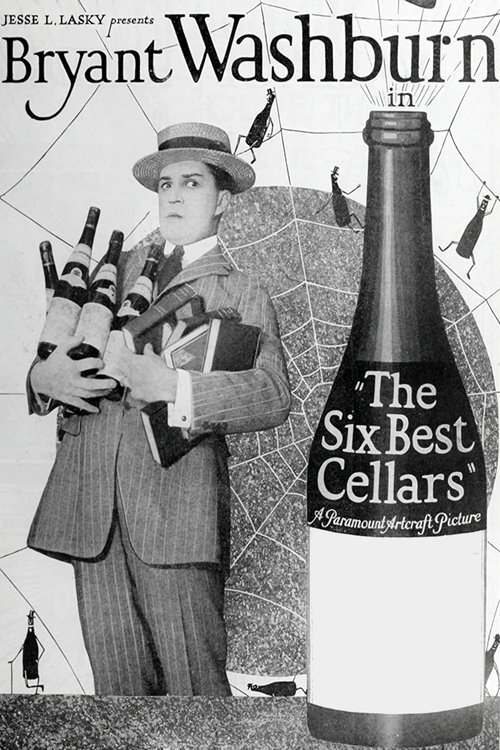
Henry Carpenter and his wife Millicent are the envy of their exclusive suburban set because of their abundant wine cellar, a blessing in the face of the recent prohibition against alcohol initiated by the Volstead Act. In reality, Henry is down to his last few bottles, and, faced with an impending dinner party, he decides to save face by denouncing the evils of drink. His impassioned speech earns him the support of the Prohibition party for a Congressional seat. Henry is relishing his popularity when his aunt discovers twenty-one cases of rare wine in the cellar, forcing the candidate to choose between political and social success.
The Six Best Cellars

She was a very modern young woman, was Miss Hobbs. Her ideas were about fifty years ahead of time. For one thing she hated men, thought them all brutes. But love has a way of smashing such an idea. Then she went in for barefoot dancing, futurist art and other advanced notions. Well, the upshot of it was the young man took upon himself to tame her, to make her a regular girl.
Miss Hobbs

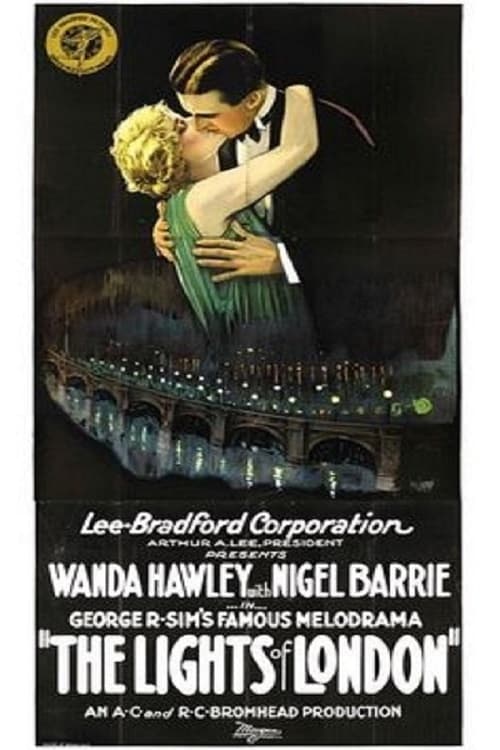
Harold Armytage is disowned, then framed for murder by his conniving cousin, Clifford, to steal his inheritance. After escaping jail, Harold rescues his wife, Bess, and brings the true villains to justice.
Lights of London

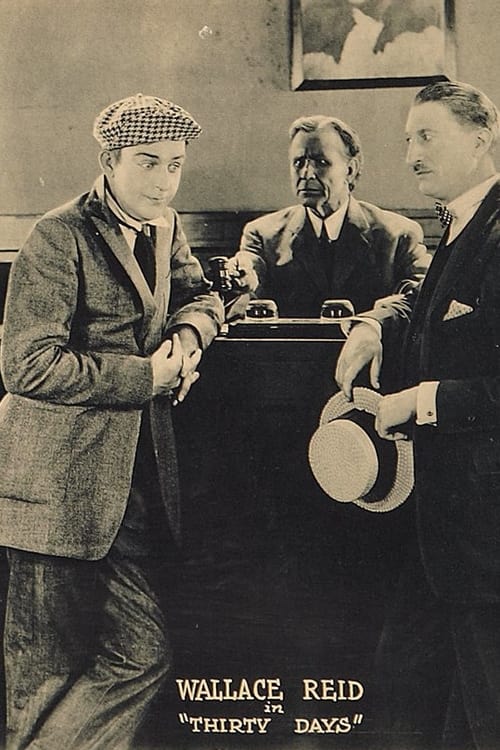
Jack Temple (Washburn) adores his wife, Clara Temple (Hawley) but she is extremely jealous, and accuses him of flirting with a pretty woman in a department store tearoom. After Clara leaves, the woman follows Jack around the store even eventually onto the roof of the building and they are locked in by the night watchman and must remain on the roof all night. Jack realizes his wife will never believe this story, so he invents a yarn about visiting his friend John Brown (White) in a distant town. Clara suspects that story and contacts Brown, while Jack convinces a friend to impersonate Brown and come to his house, but the real Brown shows up too and things become complicated with the arrival of Mrs. Brown (Schaefer), the pretty young woman who caused all the trouble, but, after she introduces herself as one of Clara's cousins, all ends happily.
Mrs. Temple's Telegram

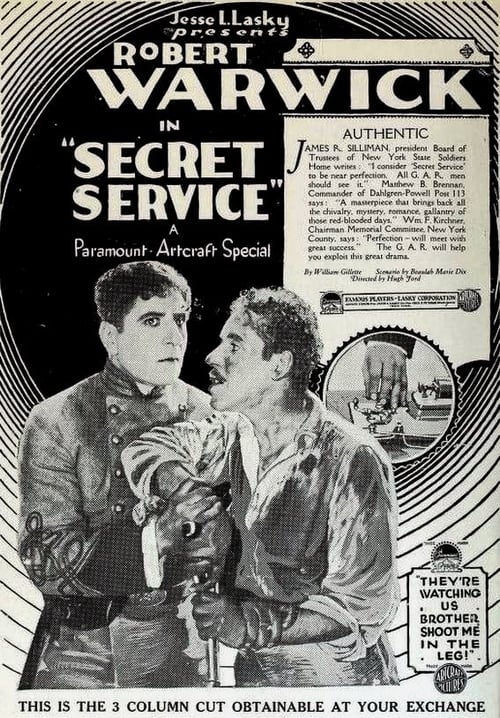
In 1871, a Chicago undercover detective gets a job as a porter in a disreputable saloon to get information on a stolen painting, which he believes will be fenced there by thieves. He soon falls in love with the saloon owner's daughter, who believes him to be just a porter. Soon his undercover work puts him and the girl in danger, from both the criminals who stole the painting and the infamous Chicago Fire of 1871.
Barriers Burned Away

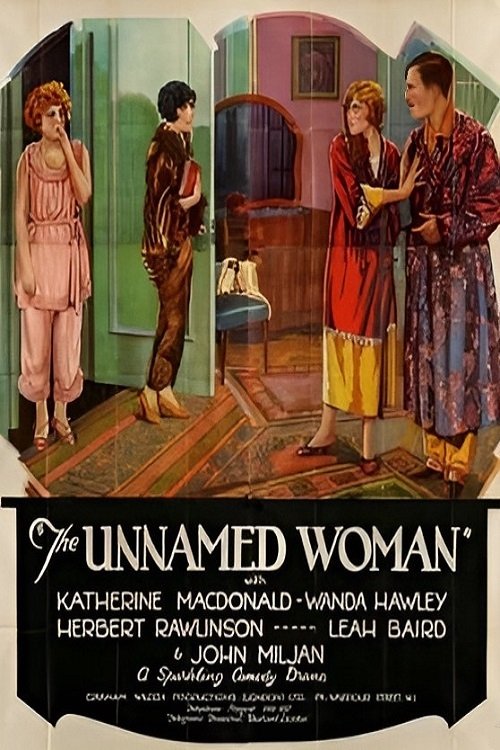
The marriage between Donald and Flora Brookes is under pressure. Donald has eyes for a new girl, innocent at first, but more and more affectionate. But the new girl is unstable and dramatic.
The Unnamed Woman

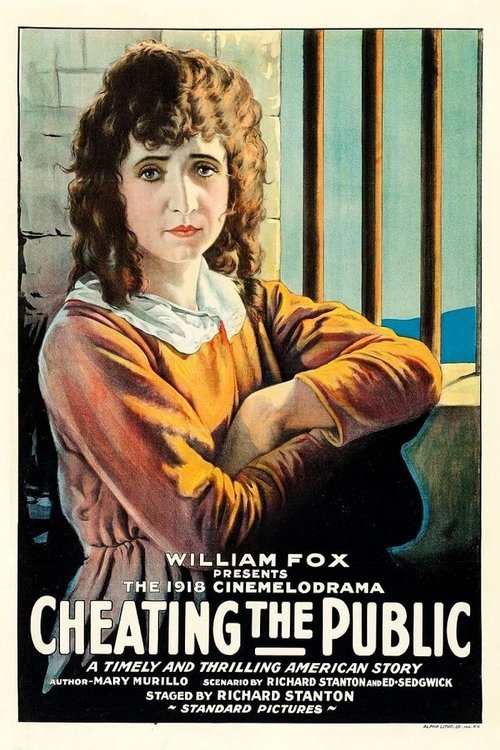
John Dowling, a greedy factory owner, cuts his employees' pay while raising their food prices at the company store. The employees strike but to no avail. Mary Garvin visits Dowling to plead the laborers' cause, but because her mother had once refused his marriage proposal, he attacks Mary out of revenge. In the struggle, Dowling is shot, and Mary is tried and convicted of murder. Before the execution, foreman "Bull" Thompson boasts that his bullet killed Dowling during Mary and the factory owner's struggle, and Dowling's son Chester, who has attempted to introduce reforms into the factory, races to the governor's train to secure a pardon for Mary. After Mary's release, she and Chester are married.
Cheating the Public

When Iris Champneys’ marriage to the Earl of Lemister ends in divorce she moves to Africa to operate a tavern. Seven years later she becomes reacquainted with Clement Gaunt, formerly employed by Lemister and secretly in love with Iris, who is on the run after being falsely accused of the murder of the owner of the ranch where he was once foreman. The real culprit, the rancher’s wife Hannah, accused Clem when he refused to run away with her. Iris, learning of his predicament, rides to Hannah Schriemann, telling her that Clem has been executed for her crime. When the police bring Clem to the house, Hannah--frightened by his "ghost"--confesses, and Iris and Clem find a way to happiness.
The Woman Who Walked Alone
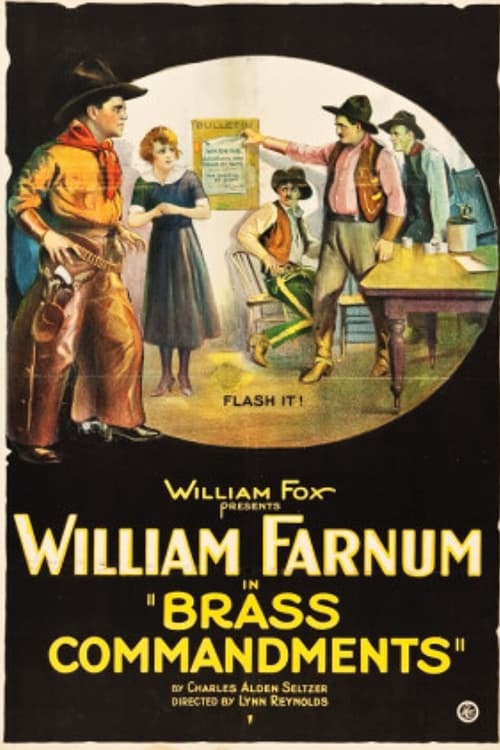
Bill Sommers returns to find his ranch threatened by a corrupt, water-stealing landowner, John Weston. Weston’s foreman, Ballon, commits murder, frames Bill, and forces him to fight to clear his name.