Acting
German daily news program, the oldest still existing program on German television.
A German television format in which Günter Gaus interviewed prominent members of German society, particularly politicians. More than 200 interviews were conducted over the course of 40 years.
Presents a filmed, intercontinental conversation that links moderator Edward R. Murrow in New York with three internationally known figures located in different parts of the world. What set this apart from other televised interview/discussion programs was the fact that its participants could not see each other but could hear one another via telephone lines and radio.
No description available.
West Germany, 1987. The politician Uwe Barschel (1944-87), member of the Christian Democratic Union party and Minister-President of the Schleswig-Holstein region, is found dead in very sinister circumstances. Reporter David Burger pledges to find the truth behind one of the most important political scandals in German history, investigating countless speculations and conspiracy theories as he fights his own personal demons.
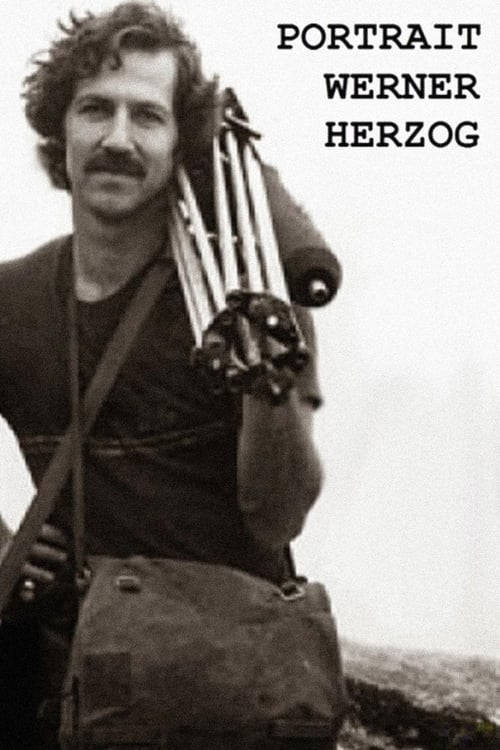
An autobiographical short film by Werner Herzog made in 1986. Herzog tells stories about his life and career. The film contains excerpts and commentary on several Herzog films, including Signs of Life, Heart of Glass, Fata Morgana, Aguirre, the Wrath of God, The Great Ecstasy of Woodcarver Steiner, Fitzcarraldo, and the Les Blank documentary Burden of Dreams. Notable is footage of a conversation between Herzog and his mentor Lotte Eisner, a photographer. In another section, he talks with mountaineer Reinhold Messner, in which they discuss a potential film project in the Himalayas to star Klaus Kinski.
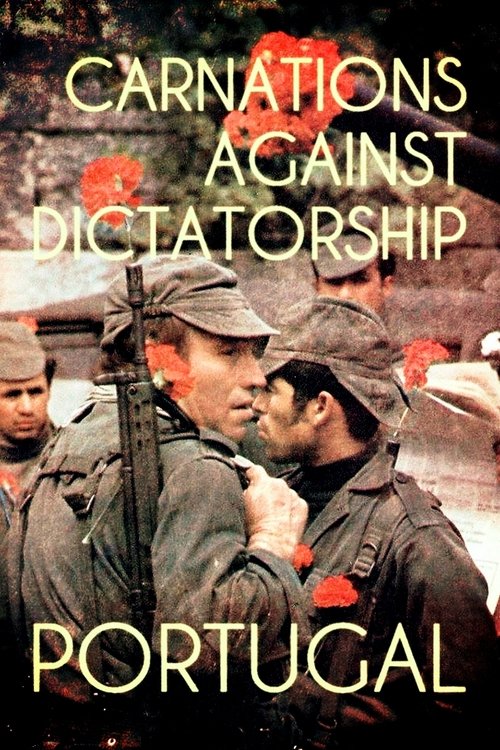
In Portugal, during the night of April 24-25, 1974, a peaceful uprising put an end to the last government of the Estado Novo, the authoritarian regime established in 1933 by dictator António de Oliveira Salazar (1889-1970), paving the way for full democracy: a chronicle of the Carnation Revolution.
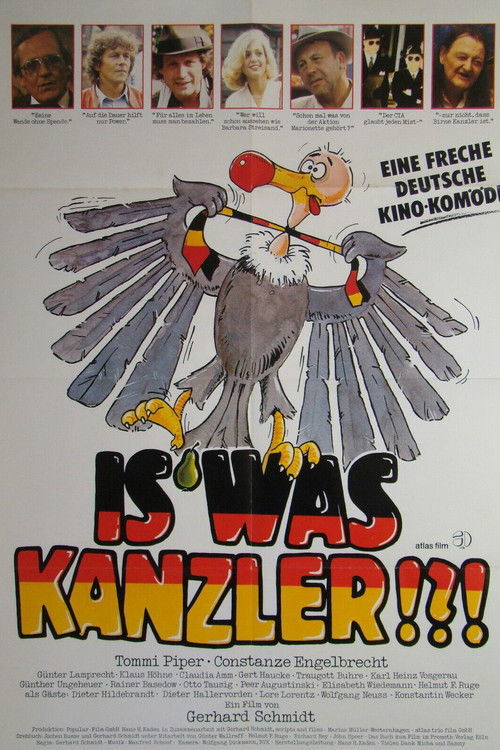
October 1982: The entire German political scene is corrupt, the German government a puppet of the USA. To play it safe, the CIA replaces German politicians with compliant doubles. When the chancellor's doppelganger, of all people, is to be taken out of circulation, the secret service accidentally kills the real chancellor, who is floating dead in the swimming pool. Agent Erwin of the Federal Criminal Police Office is assigned to solve the case...
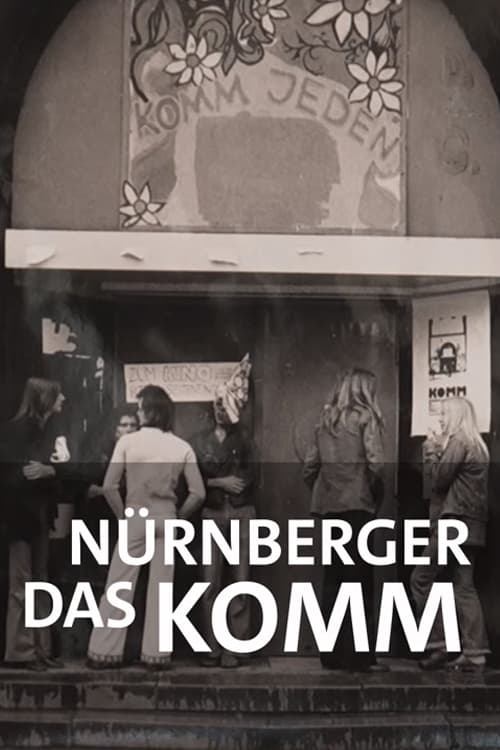
The Nuremberg communication center, known as “KOMM” for short, was a nationwide pioneer. The social, youth and cultural policy experiences of that time can be found today in countless institutions throughout Germany - in the art/cultural education work of “high culture” as well as in the self-image of open district centers and cultural offerings for all social groups.
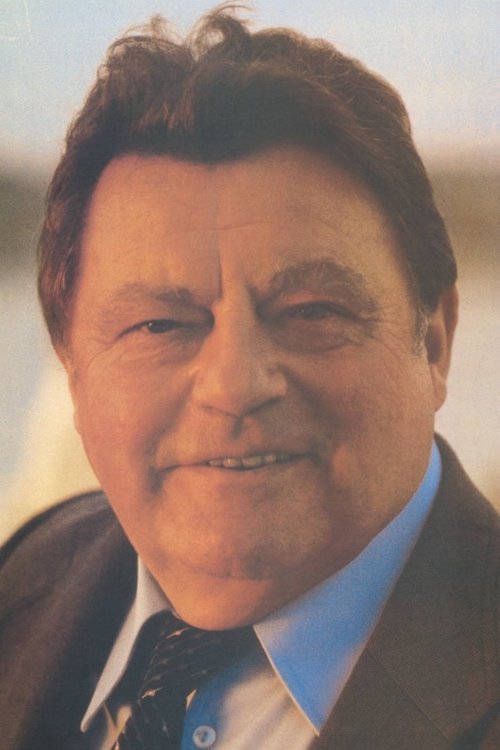
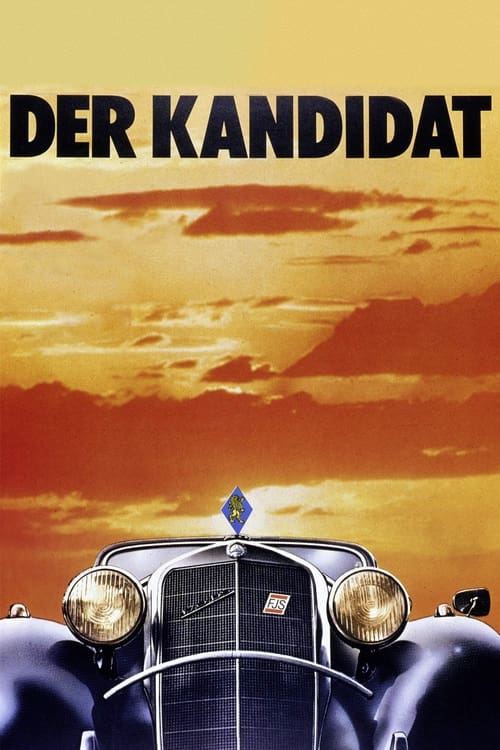
Made with an eye to the autumn of 1980 when the German parliamentary elections took place, The Candidate examines Germany’s history past and present and Franz Josef Strauß, the man who, as the CDU/CSU candidate, aspires to be elected to the most important political office in the land.
The film talks about the rise and fall of the two most influential protagonists in GDR-politics. In succession, over long stretches even together, Ulbricht and Honecker determined the course of the GDR, of course without ever getting out of being a satellite state to the big brother in Moscow. The film looks for the caesura and crucial points in the power game between Ulbricht and Honecker.
About the difficult political situation in the world related to the arms race.
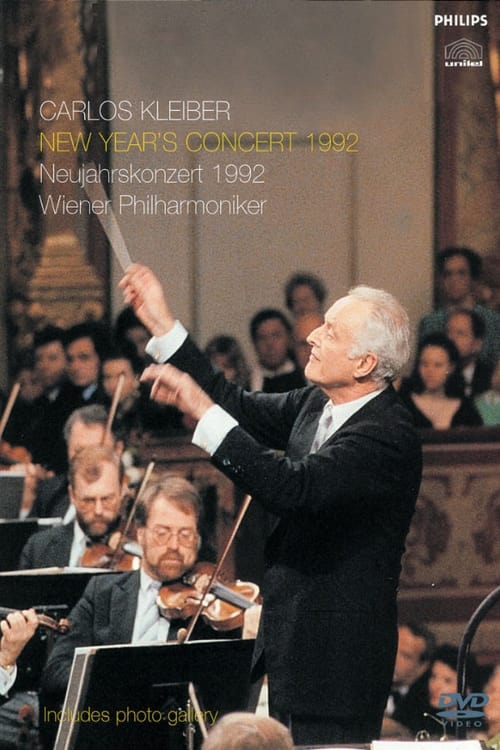
Johann Strauss Jr.: Waltzes and Polkas. "The Thunder and Lightning" Polka, with its flashing cymbals and booming bass drum, has always been a favorite in our household. "The Blue Danube" Waltz isn't bad either and "The Radetzky March" (by Johann Sr.) is hard to beat for clap-along fun. Suggested recording: Again, there are many recordings of these works available, but you can't be without the DVD of Carlos Kleiber conducting the Vienna Philharmonic on New Year's Day 1992 on Philips.
Celebrating its 125th anniversary, the Viennese orchestra arrives in Trieste, Italy, to perform at the splendid Teatro Rossetti. Soloists include Michael Spyres and Tara Stafford, performing operetta arias by Johann Strauss and Franz Lehár. The Wiener Symphoniker are conducted by their new conductor Petr Popelka with pieces by Pyotr Ilyich Tchaikovsky completing the programme.