Ryusuke Hamaguchi
Directing
Biography
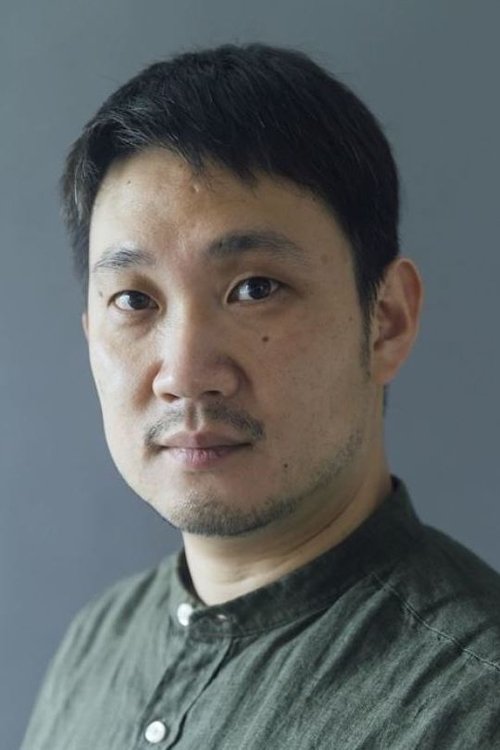
Ryusuke Hamaguchi is a Japanese film director and screenwriter. Hamaguchi, a graduate of Tokyo University and Tokyo University of Arts, attracted attention in his country with the movie Passion (2008), which he shot for his graduation. Hamaguchi first gained international recognition with the film Happy Hour (2015) and followed it up with Asako I & II (2018). He released two films in 2021, Wheel of Fortune and Fantasy and Drive My Car, receiving three Academy Award nominations for the latter, including Best Director, Best Adapted Screenplay, and Best International Feature. He is the third Japanese director to be nominated for an Oscar for Best Director.

Known For

An annual American awards ceremony honoring cinematic achievements in the film industry. The various category winners are awarded a copy of a statuette, officially the Academy Award of Merit, that is better known by its nickname Oscar.
The Oscars

As long as there is cinema, LE CERCLE will be there. It is the only television program of critical debates 100% devoted to cinema. Each week, it offers fiery, joyful and non-condescending jousts on the films on the bill; and invites with "Le questionnaire du CERCLE" directors to come and share their passion for cinema.
Le Cercle

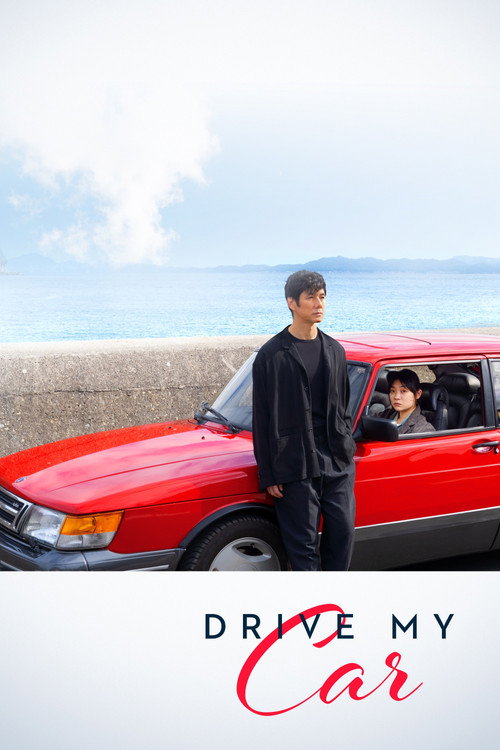
Yusuke Kafuku, a stage actor and director, still unable, after two years, to cope with the loss of his beloved wife, accepts to direct Uncle Vanya at a theater festival in Hiroshima. There he meets Misaki, an introverted young woman, appointed to drive his car. In between rides, secrets from the past and heartfelt confessions will be unveiled.
Drive My Car

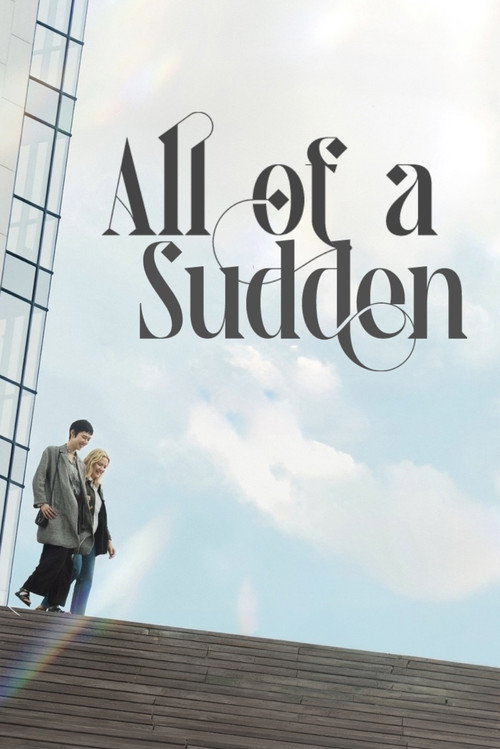
Marie-Lou Fontaine, director of a nursing home in the Paris suburbs, defies convention by adopting the 'Humanitude' method despite her team’s resistance. Her encounter with Mari Morisaki, a terminally ill Japanese playwright, transforms her life. Together, they turn the facility into a symbol of resistance and humanity against the system’s limits.
All of a Sudden

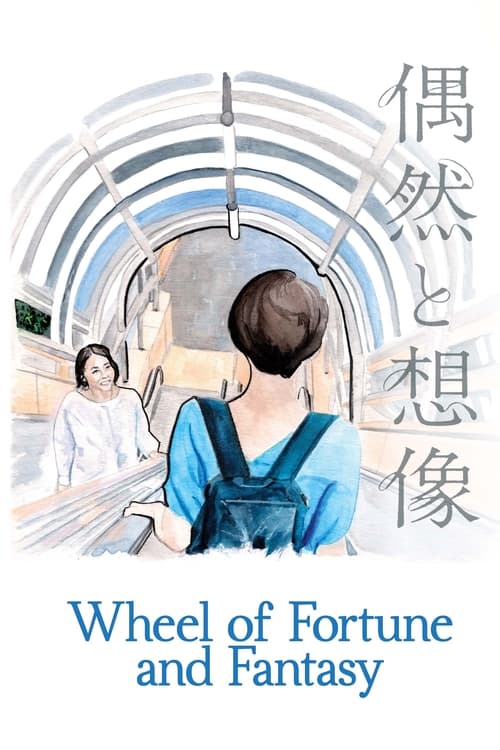
An unexpected love triangle, a seduction trap, and a random encounter are the three episodes, told in three movements to depict three female characters and trace the trajectories between their choices and regrets.
Wheel of Fortune and Fantasy

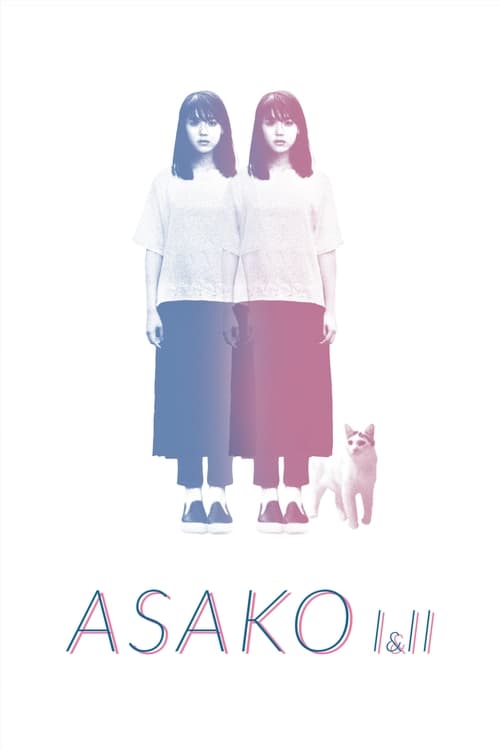
Asako lives in Osaka. She falls in love with Baku, a free-spirit. One day, Baku suddenly disappears. Two years later, Asako now lives in Tokyo and meets Ryohei. He looks just like Baku, but has a completely different personality.
Asako I & II

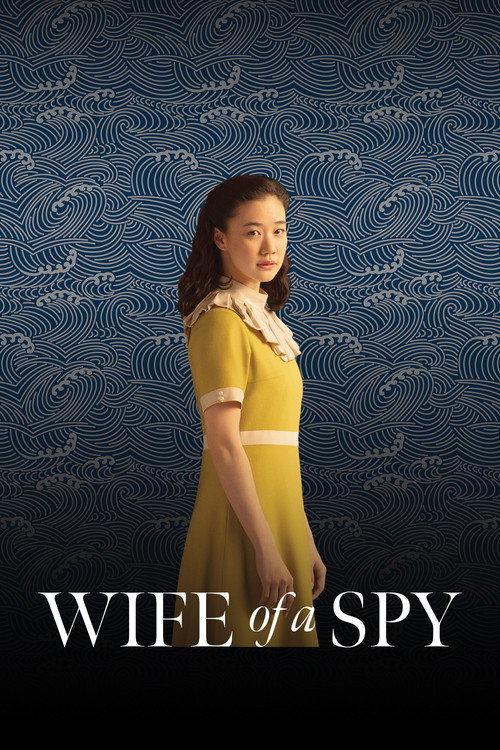
It’s 1940, and the population of Japan is divided over its entry into World War II. Satoko, the wife of a fabric merchant, is devoted to her husband but is beginning to suspect he’s up to something. Soon she allows herself to be drawn into a game in which she enigmatically conceals her intentions.
Wife of a Spy

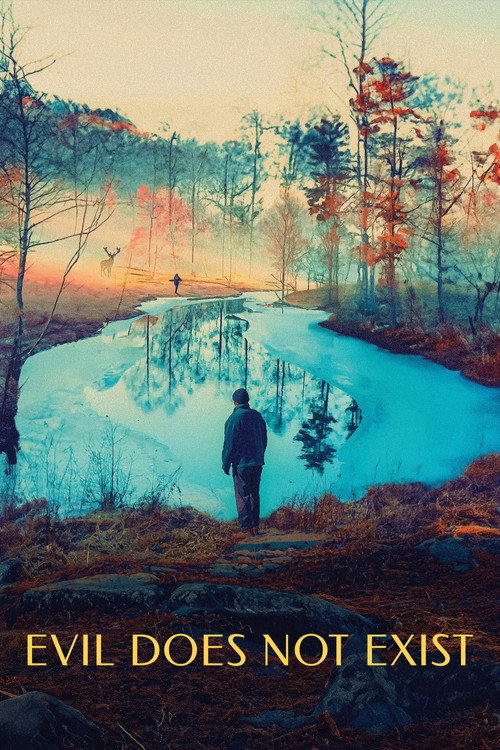
Takumi and his daughter Hana live in Mizubiki Village, close to Tokyo. One day, the village inhabitants become aware of a plan to build a camping site near Takumi's house offering city residents a comfortable "escape" to nature.
Evil Does Not Exist

Spanning locations in Tokyo, Hiroshima, and Hokkaido and featuring interviews with cast members and rare behind-the-scenes footage, it captures the creative collective journey of the filmmaking team.
Down the Road: The Making of Drive My Car

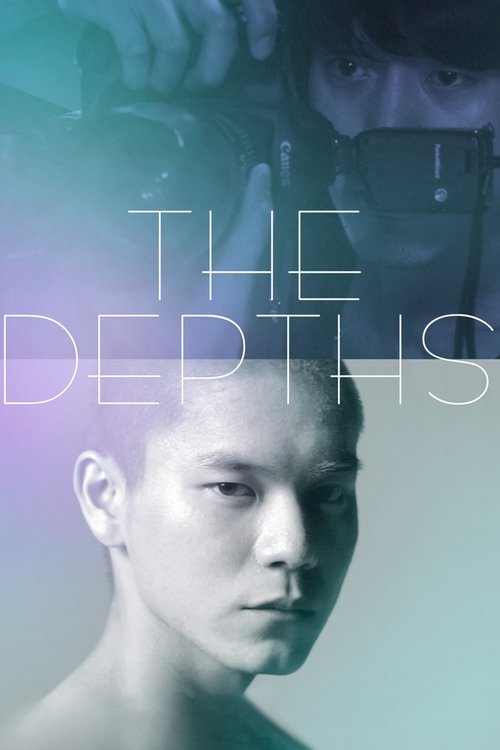
After a failed wedding shoot, Bae-hwan meets Ryu—a callboy tangled in a murder case—and offers him a way out.
The Depths

A young couple's announcement of their engagement to their friends is followed by a series of interactions and conflicts that forces everyone to reflect on their lives.
Passion

Four women in their thirties reevaluate their relationships, both shared and private, after a startling revelation concerning one's marriage forces each of them to ask one of life's biggest questions: "Am I who I want to be?"
Happy Hour

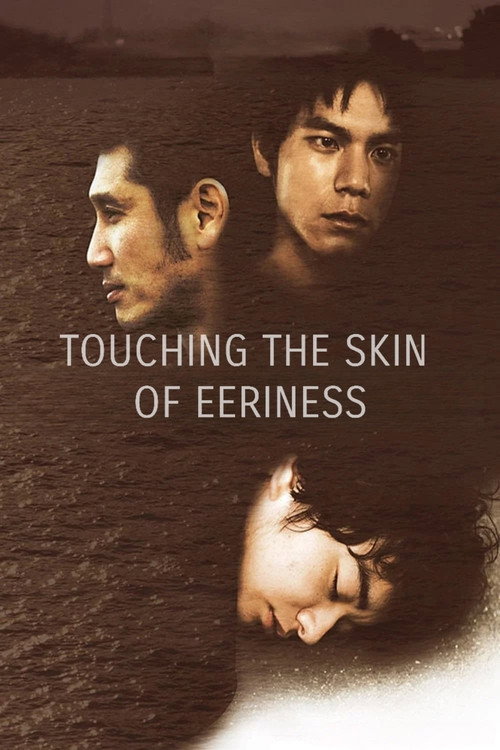
After his parents die, a teenager goes to live with his older brother. As his loneliness grows, he becomes engrossed in practicing modern dance with his classmate.
Touching the Skin of Eeriness

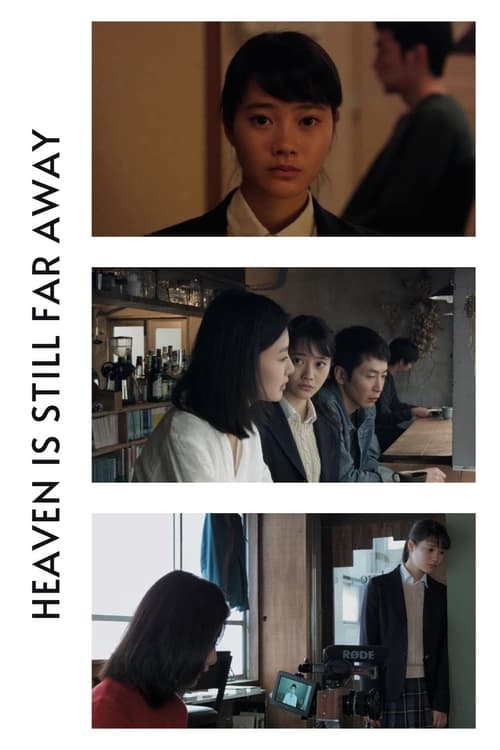
Yuzo and Mitsuki live together in Yuzo's small apartment, their constant companionship tender and indifferent in turn. Then Yuzo receives a call from Satsuki, a documentarian resolved to make a film about a now-distant family tragedy, and the three meet, to search for some way to account for their relationship with one another, the memories they share, and those they've kept to themselves.
Heaven Is Still Far Away

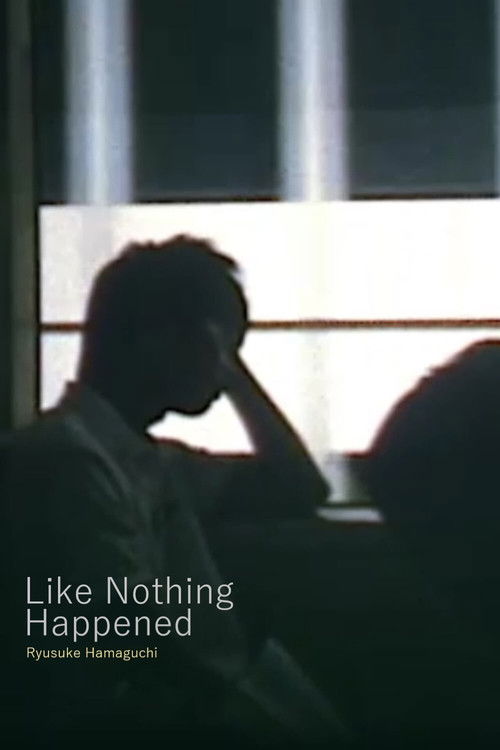
Some youths interact at a bar, a horse race and a bowling alley. A girl who has been visiting from out of town ,on her train ride back, reads aloud a list of vocabulary definitions from a dictionary.
Like Nothing Happened

Shot while the director was still in college, the film is a remake of the Russian film of the same name. The man's dead ex who had committed suicide appears in front of him. The ghost has a cross-like scar on her wrist.
Solaris

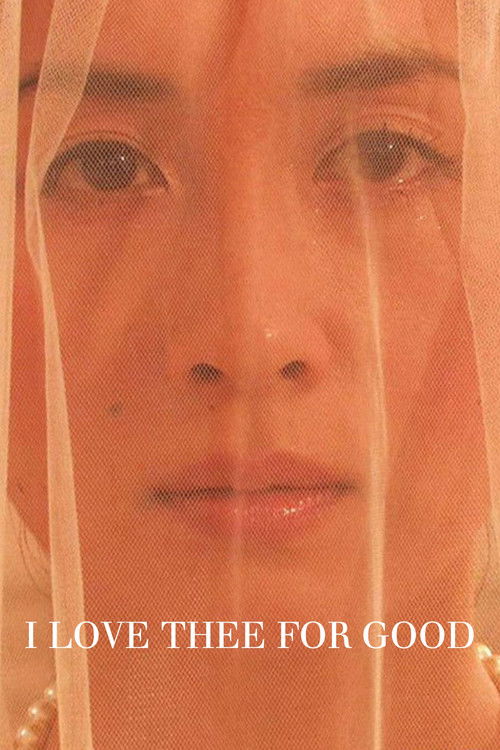
While the wedding day should be blissful for the bride, Eiko, there is a secret that she can’t tell her fiance...
I Love Thee for Good

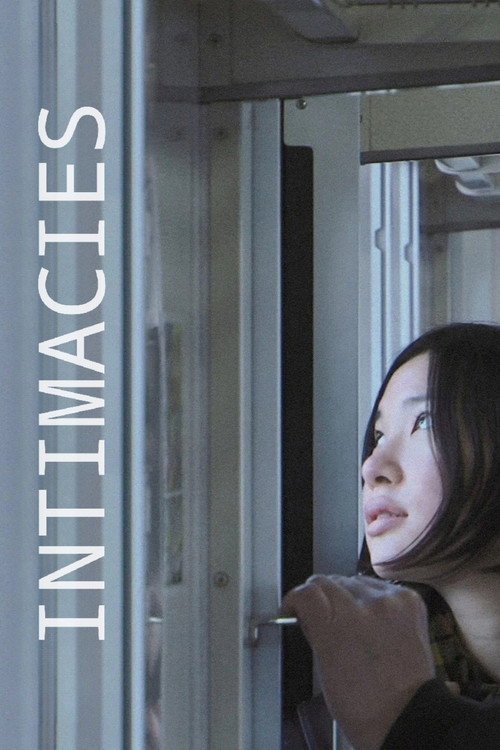
Hamaguchi wrote and directed this film as a graduation project for the students at ENBU Seminar (film and theater school in Tokyo) when he taught there. It is a three-part film: The first part is a documentary-style production of a play; Then the actual full stage production of the play; and the epilogue. Poetry and written words play the central role in the movie.
Intimacies

A maiden work by Ryusuke Hamaguchi, and the origin to his later masterpieces “Passion” (2008), the 255 minute long “Intimacies” (2012), and the 317 minute long “Happy Hour” (2015). The unusual, usual life and the ever wandering souls of 5 young men and women, captured on 8mm film.
Like Nothing Happened

We follow Takumi and his daughter who lead a modest life in the village in the middle of nature. One day Takumi receives word that there are plans to build a glamping site near his home. The discovery that wastewater will be piped into the village’s water source not only causes unrest among the residents, but also affects Takumi’s life.