FEEL IT.STREAM
Samuel Beckett

Samuel Beckett

Writing

Biography

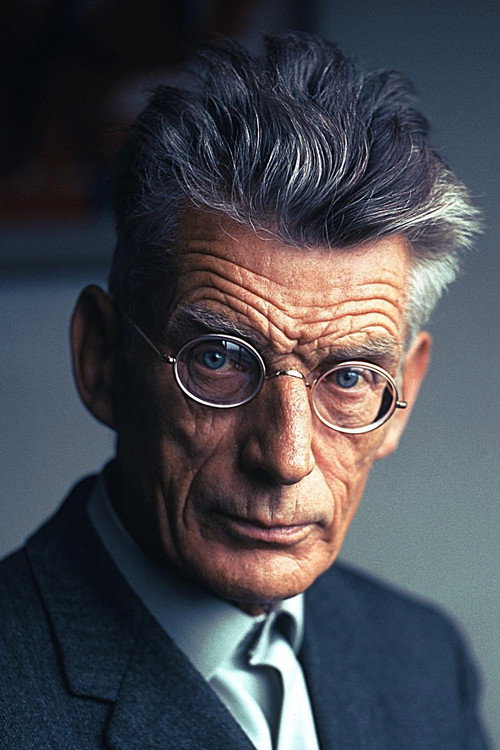
Samuel Barclay Beckett was an Irish avant-garde novelist, playwright, theatre director, and poet, who lived in Paris for most of his adult life and wrote in both English and French. He is widely regarded as among the most influential writers of the 20th century. Beckett was awarded the 1969 Nobel Prize in Literature "for his writing, which—in new forms for the novel and drama—in the destitution of modern man acquires its elevation."
Known For

No image
8.0

An anthology of single plays offering up adaptations of either of prominent stage plays or novels.

Festival

1963
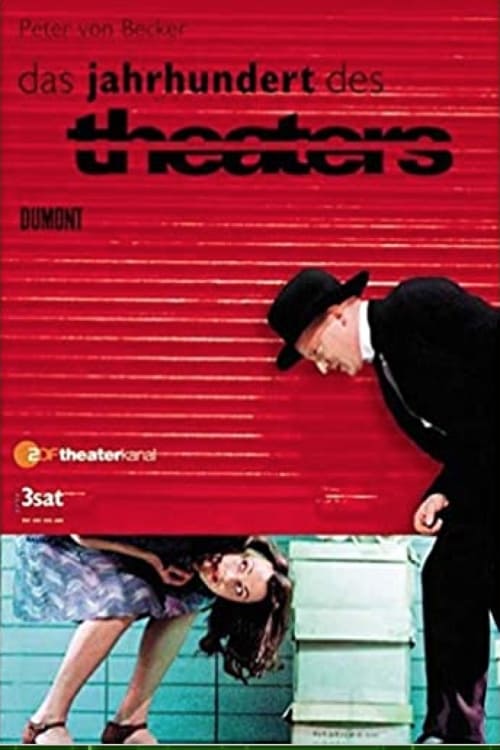
Das Jahrhundert des Theaters
9.0

"The Century of the Theater" - From the "birth of the director" to the "heroes of modernity" - an overview of the world of theater - illuminates the interaction with the history of the past hundred years is also shown.

Das Jahrhundert des Theaters

2002
Play
7.1

The land is filled with people in urns chattering at top speed, but only to themselves, not to one another. The focus goes to three people: a man, his mistress and his wife.

Play

2001
Endgame
N/A

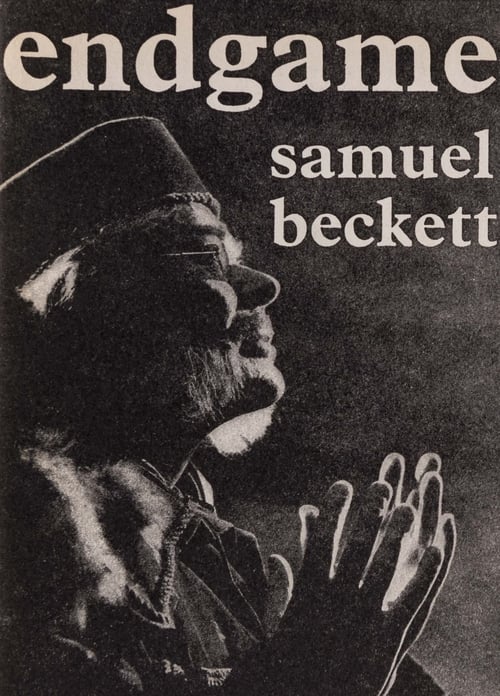
Endgame tells the story of Hamm, who is reduced to living in one room, in which he sits blind and chair-bound. His only escape from his solitary world is the company of his aging, legless parents, who live in garbage bins, and his shuffling servant, Clov, who is at his beck and call, and who, like a dog, comes when whistled for. The only thing left for Hamm is to wait for the inevitable end. A pinnacle of Beckett’s characteristic raw minimalism, Endgame is a pure and devastating distillation of the human essence in the face of approaching death. “Nothing is funnier than unhappiness” invokes Nell, which summarizes the tragicomic nature of this timeless play.

Endgame

2023
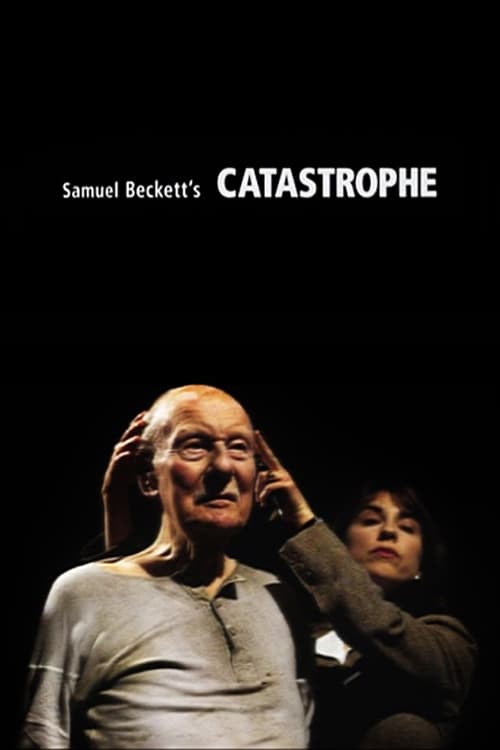
Catastrophe
6.4

An autocratic Director (Harold Pinter) and his Assistant (Rebecca Pidgeon) put the final touches to the last scene of some kind of dramatic presentation, which consists entirely of a man (John Gielgud) standing still onstage.

Catastrophe

2001
Check the Gate: Putting Beckett on Film
10.0

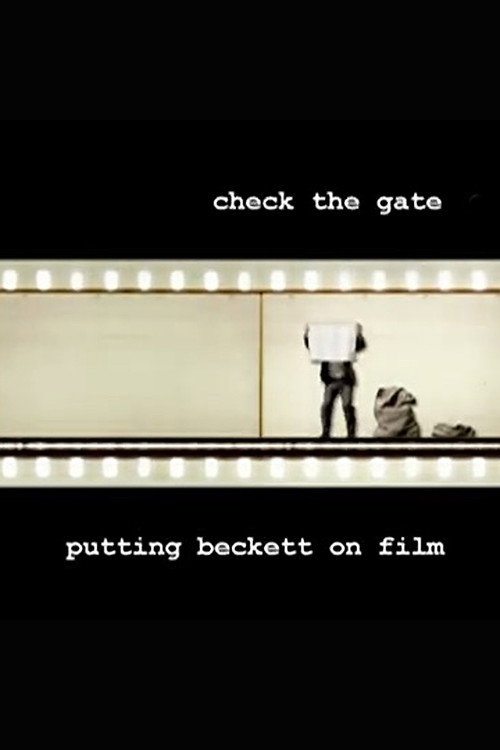
Follows the "Beckett on Film" project, which produced film adaptations of writer Samuel Beckett's nineteen stage plays. The documentary features excerpts from the "Beckett on Film" versions of "Not I", "Krapp's Last Tape", "Endgame", "What Where", and "Waiting for Godot".

Check the Gate: Putting Beckett on Film

2003
Searching for Sam: Adrian Dunbar on Samuel Beckett
10.0

Samuel Beckett has fascinated Adrian Dunbar since he was a young student. Now, 30 years after Beckett's death in Paris, Dunbar explores what made the man who made Waiting for Godot.

Searching for Sam: Adrian Dunbar on Samuel Beckett

2019
Film
7.0

A man attempts to evade observation by an all-seeing eye.

Film

1965
Comédie
8.7

a 22-minute French experimental short film directed by Marin Karmitz and Jean Ravel, based on Samuel Beckett's 1963 play. It features actors Eléonore Hirt, Michael Lonsdale, and Delphine Seyrig in a stark, black-and-white adaptation focusing on light and sound, which was notably showcased at the 1966 Venice Biennale.

Comédie

1966
Endgame
7.3

Hamm is blind and unable to stand; Clov, his servant, is unable to sit; Nagg and Nell are his father and mother, who are legless and live in dustbins. Together they live in a room with two windows, but there may be nothing at all outside.

Endgame

2000
Waiting for Godot
3.0

An experimental exploration of the storied play. Becket’s vision of perpetual uncertainty, anxiety, and loneliness is refracted through our current moment.

Waiting for Godot

2021
My Case
6.9

Manoel de Oliveira plays his film in three stages: the first part - a play, the second can be roughly defined as a silent film (with the behind the scenes read excerpts from Beckett works), but in the end the director brilliantly performs the same material of the avant-garde exercise. Surprisingly, a joke, repeated three times, each time everything sounds fresh and develops into an almost verbatim adaptation of the biblical "Book of Job" - a spectacular point in a parable about how hard to empathize with other people's misery, when you have your own.

My Case

1986
Notfilm
5.0

NOTFILM is a feature-length experimental essay on FILM -- its author Samuel Beckett, its star Buster Keaton, its production and its philosophical implications -- utilizing additional outtakes, never before heard audio recordings of the production meetings, and other rare archival elements.

Notfilm

2015
No image
5.8

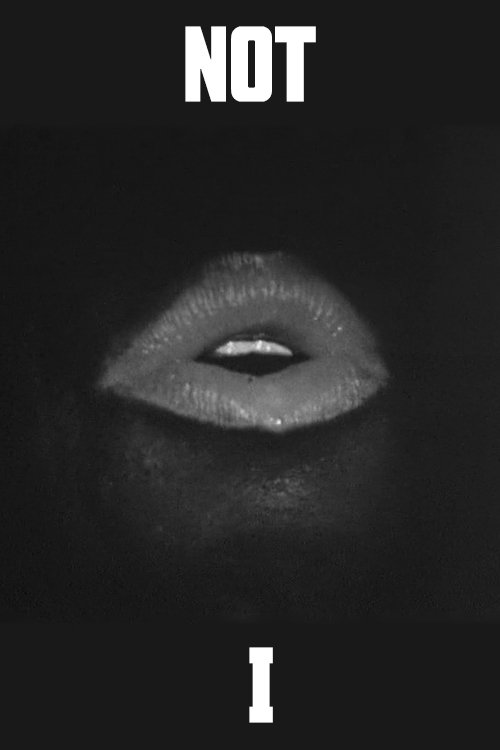
A young woman sits down in a chair. Only her mouth is visible as she begins to speak at a rapid clip, describing events that she insists did not really happen to her.

Not I

2000
Rough for Theatre I
7.0

An old blind beggar and an old cripple in a wheelchair meet on a desolate street corner. The latter proposes that the two form an alliance, but the men are not destined to get along together.

Rough for Theatre I

2000
Happy Days
7.5

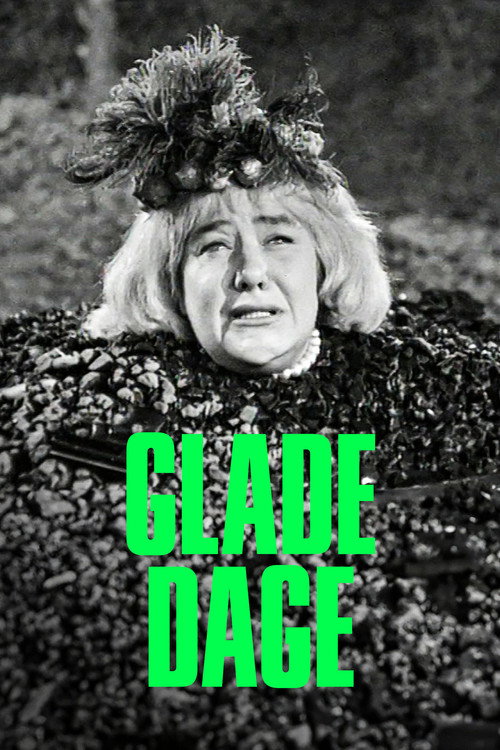
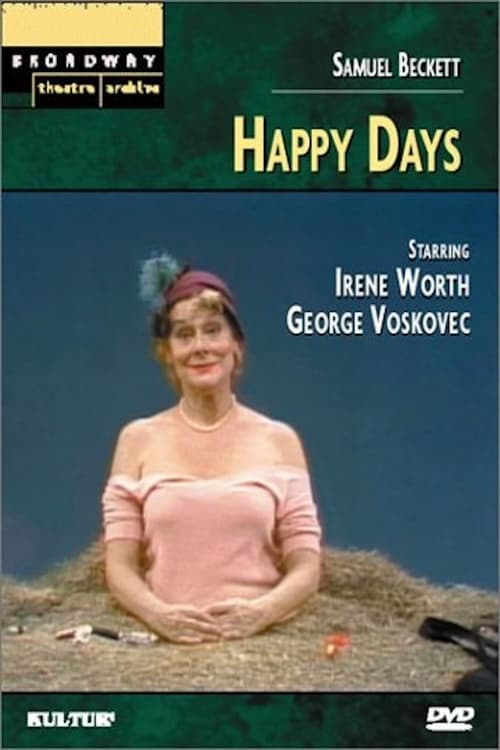
An adaptation of Samuel Beckett's absurdist drama. An ordinary woman lives her humdrum life half-buried in a pile of dirt; her husband is partially visible behind her. She goes through her daily routines, ever hopeful that this is going to be a happy day.

Happy Days

2000
Wydalony
N/A

No description available.

Wydalony

2011
Waiting for Godot
7.2

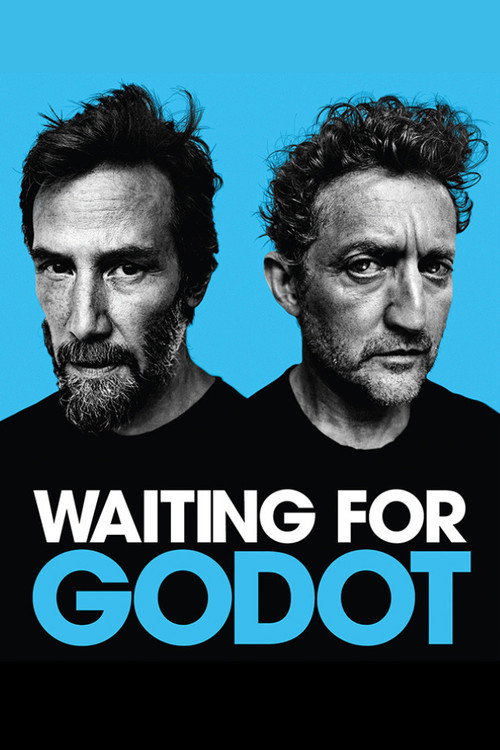
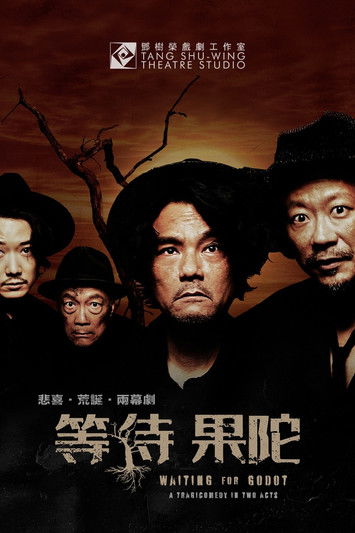
Two tramps wait for a man named Godot, but instead meet a pompous man and his stooped-over slave.

Waiting for Godot

2001
Making Samuel Beckett's 'Rockaby'
7.5

The filmmakers accompany Alan Schneider, director of the American premieres of most of Beckett's plays, and producer Daniel Labeille to the home of Billie Whitelaw, whom Schneider, ironically, had never met previously, and takes us through the rehearsal process of Beckett's newest play, including the recording of the dialogue, as almost all of it is voiceover. The final fifteen minutes of the film are the premiere performance in its entirety.

Making Samuel Beckett's 'Rockaby'

1983
Breath
5.6

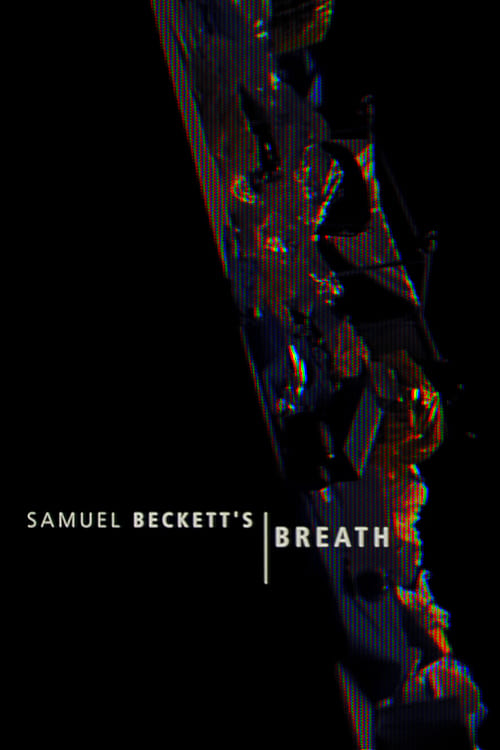
The camera swoops down on a circular area, seemingly suspended in space. It is filled with medical waste and other trash. A labored exhalation is heard. Then it stops. Then it starts again, culminating in a windy, dying sigh.

Breath

2001