FEEL IT.STREAM
?

George Froeschel

Writing

Biography

From Wikipedia, the free encyclopedia Georg "George" Froeschel (March 9, 1891 – November 22, 1979) was an Austrian screenwriter best known for Mrs. Miniver, Quentin Durward, and The Story of Three Loves, while working for MGM in the 1940s and 1950s. Before working in film he was a lawyer and journalist. Georg Froeschel was born in 1891, the son of a Jewish banker in Vienna. He wrote his first novel during his time at grammar school, Ein Protest (A Protest). After his postgraduate studies he was Doctor of Laws. In World War I he wrote reports for the k.u.k. army. Following he wrote several novels, of which some were adapted for films in the 1920s. In the 1920s he worked for the Ullstein-Verlag in Berlin. In 1936 he emigrated to the United States, where he first worked in the editorial office of Chicago's Coronet magazine. His efforts to find a job in Hollywood's film industry were not successful until April 1939, when Sidney Franklin of MGM engaged him as screenwriter. Froeschel won the Academy Award for Best Writing, Screenplay for the 1942 film Mrs. Miniver (along with co-writers James Hilton, Claudine West, and Arthur Wimperis).

Known For

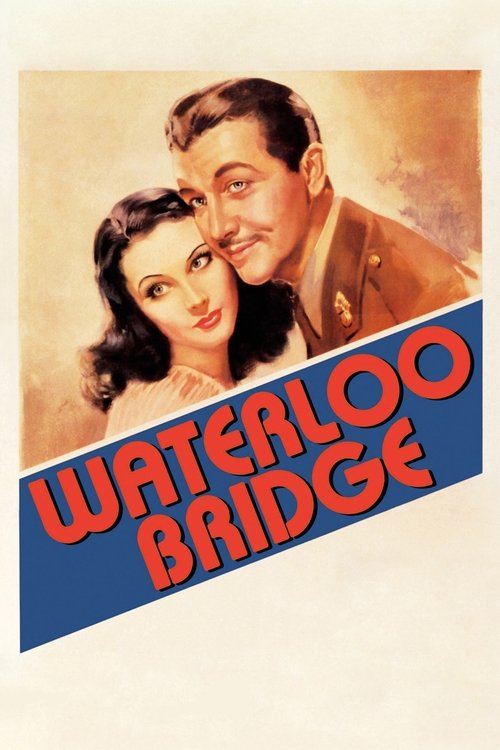
Waterloo Bridge
7.5

On the eve of World War II, a British officer revisits Waterloo Bridge and recalls the young man he was at the beginning of World War I and the young ballerina he met just before he left for the front.

Waterloo Bridge

1940
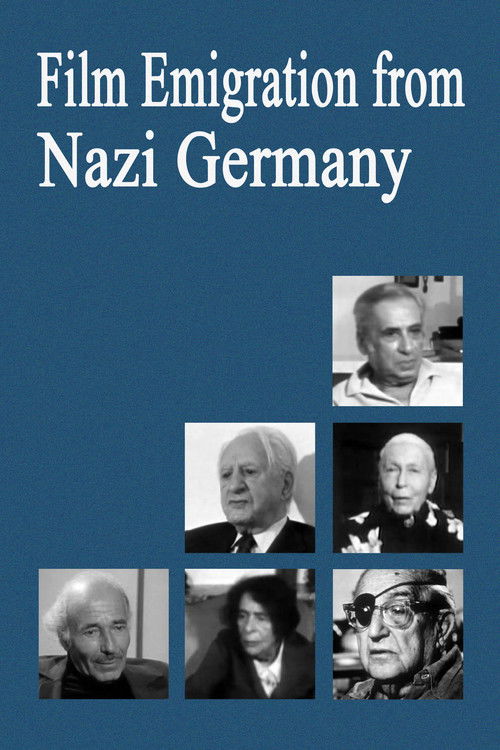
Film Emigration from Nazi Germany
9.0

Based on extensive interviews, shot on 16mm in a series of static long takes, Filmemigration aus Nazideutschland, is one of the most fascinating examples of "Film history on film" ever produced. Straschek devoted years to researching the topic and accumulating both film and non-film materials. Apart from some radio features and articles, however, this 290-minute TV programme remains the only published trace of Straschek's lifelong work on the emigration of film personnel. He had intended to publish a three-volume book, encompassing all available data about 3,000 emigrants originating from the centre and peripheries of film production, but the book never materialised.

Film Emigration from Nazi Germany

1975
Mrs. Miniver
7.1

Middle-class housewife Kay Miniver deals with petty problems. She and her husband Clem watch her Oxford-educated son Vin court Carol Beldon, the charming granddaughter of the local nobility as represented by Lady Beldon. Then the war comes and Vin joins the RAF.

Mrs. Miniver

1942
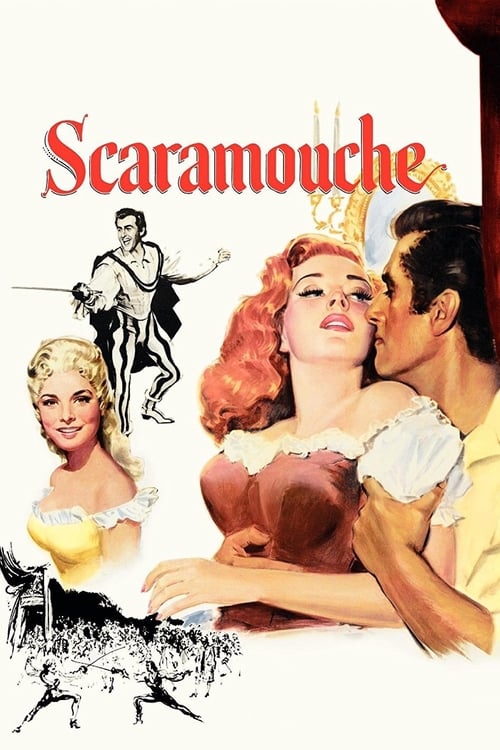
Scaramouche
7.0

In 18th-century France, a young man masquerades as an actor to avenge his friend's murder.

Scaramouche

1952
The Story of Three Loves
6.0

Passengers on an ocean liner recall their greatest loves.

The Story of Three Loves

1953
Rose Marie
4.5

Rose Marie Lemaitre, an orphan living in the Canadian wilderness, falls in love with her guardian, Mike Malone, an officer of the Royal Canadian Mounted Police. The feeling is mutual. But, when she leaves to learn proper etiquette, Rose Marie meets a trapper named James Duval, who also falls for her. Further complications arise when Native American Chief Black Eagle -- a rival of Duval's -- is murdered.

Rose Marie

1954
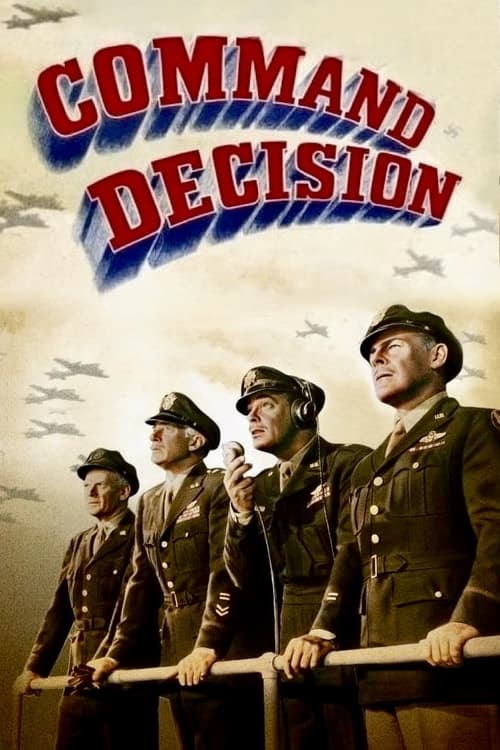
Command Decision
6.6

High-ranking officers struggle with the decision to prioritize bombing German factories producing new jet fighters over the extremely high casualties the mission will cost.

Command Decision

1948
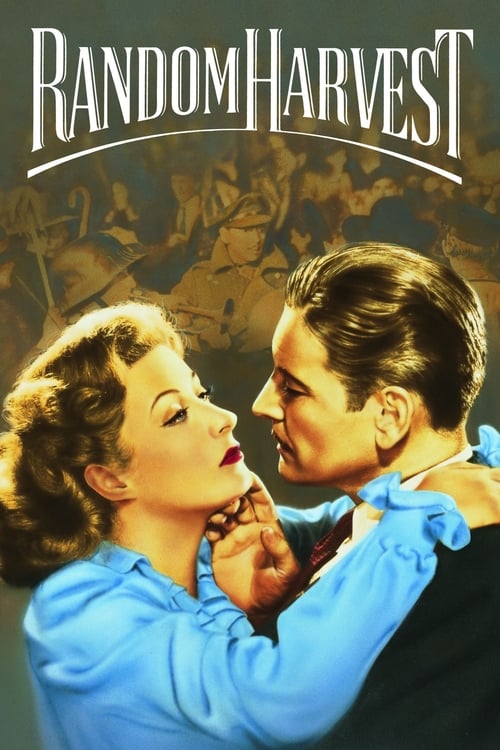
Random Harvest
7.3

Wandered away from his asylum, an amnesiac World War I veteran falls in love with a music hall star but his amnesia makes it difficult to last.

Random Harvest

1942
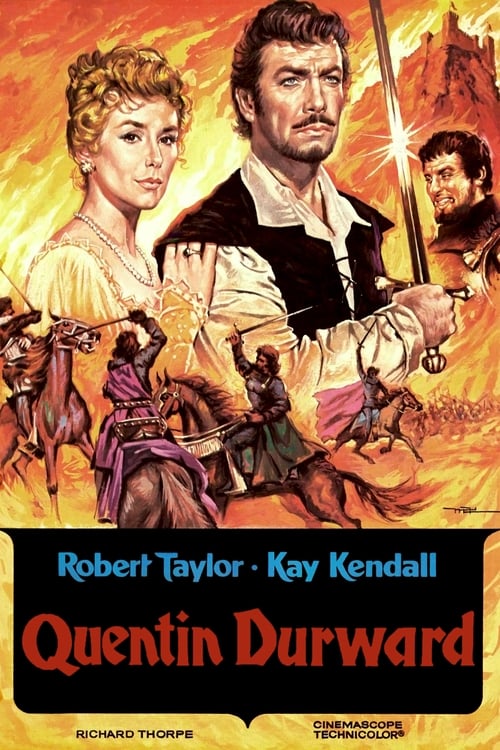
Quentin Durward
5.8

During the 15th century reign of France's King Louis XI, a young Scottish man is sent by his English Lord to woo a French lady on his behalf. The plan goes awry when the young man falls in love with her. Based on the classic novel by Sir Walter Scott.

Quentin Durward

1955
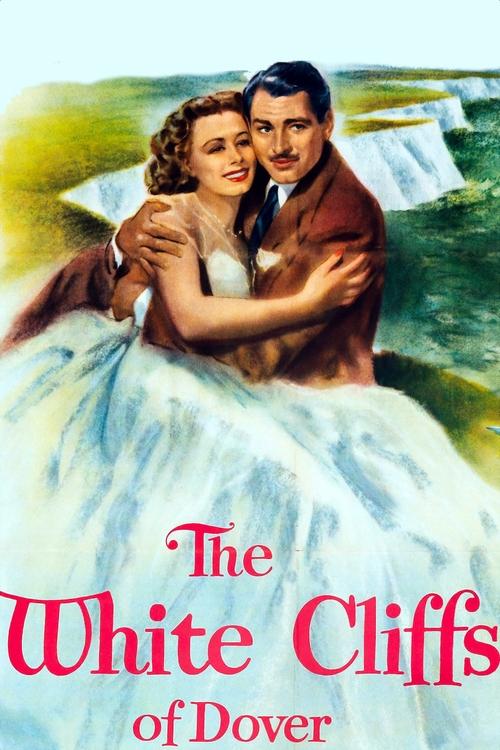
The White Cliffs of Dover
6.7

American Susan travels with her father to England for a vacation. Invited to a society ball, Susan meets Sir John Ashwood and marries him after a whirlwind romance. However, she never quite adjusts to life as a new member of the British gentry. At the outbreak of World War I, John is sent to the trenches and never returns. When her son goes off to fight in World War II, Susan fears the same tragic fate may befall him too.

The White Cliffs of Dover

1944
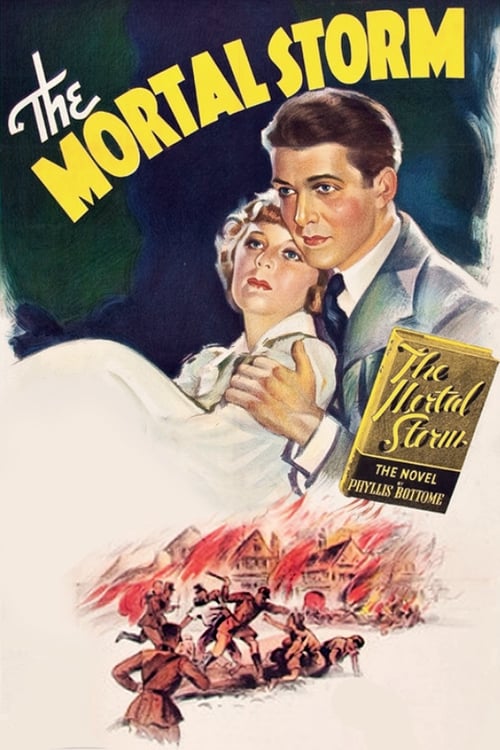
The Mortal Storm
7.3

The Roth family leads a quiet life in a small village in the German Alps during the early 1930s. After the Nazis come to power, the family is divided and Martin Breitner, a family friend, is caught up in the turmoil.

The Mortal Storm

1940
Betrayed
5.8

When the Dutch resistance brings in Carla Van Oven to spy on the Nazis, Col. Pieter Deventer initially suspects she could be a double agent. Van Oven eventually convinces Deventer of her character, and when she is sent into occupied territory, she joins up with a rebel leader known as "The Scarf". As the resistance endures severe losses and their missions fail, Deventer starts to wonder whose side Van Oven is fighting on.

Betrayed

1954
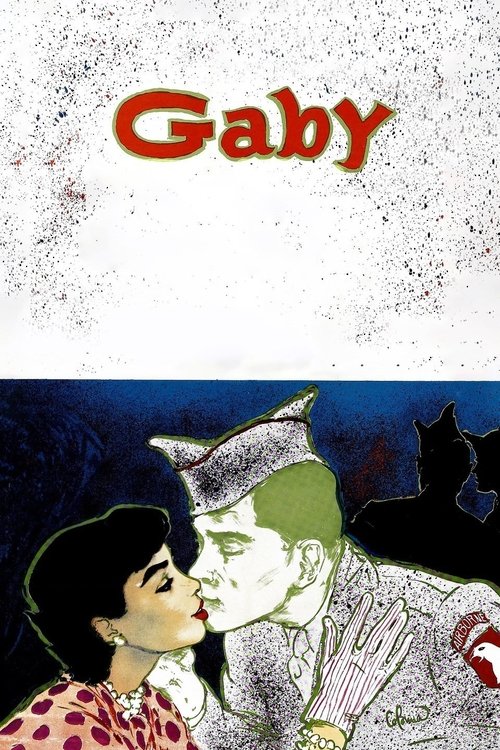
Gaby
7.3

A French ballerina falls in love with an American paratrooper on a two day pass in London near the end of World War II.

Gaby

1956
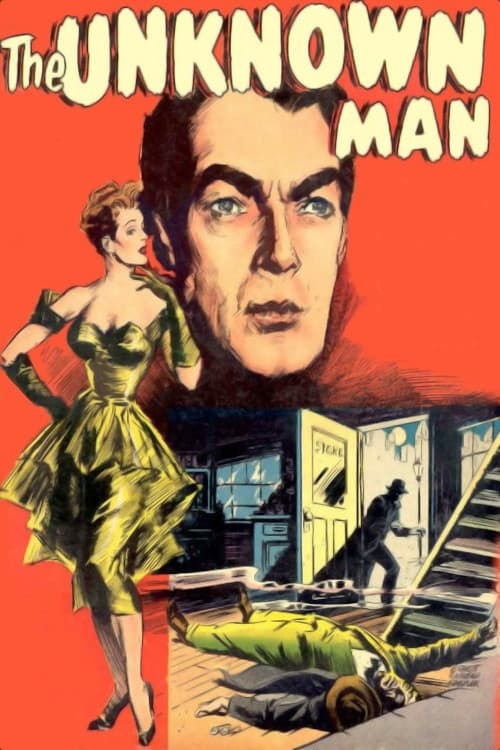
The Unknown Man
5.1

A scrupulously honest lawyer discovers that the client he's gotten off was really guilty.

The Unknown Man

1951
Never Let Me Go
5.9

An American reporter falls in love with a Russian ballet dancer.

Never Let Me Go

1953
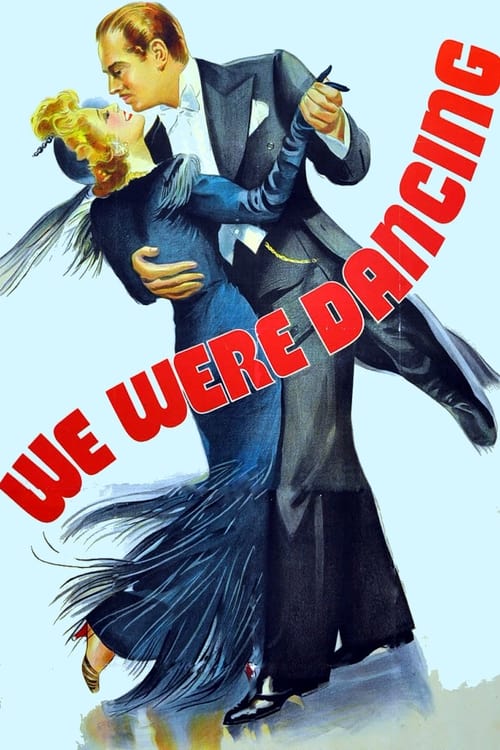
We Were Dancing
4.3

A penniless former princess weds an equally cash-strapped baron, so they support themselves by becoming houseguests at the homes of wealthy American socialites.

We Were Dancing

1942
Mrs. Miniver
7.0

A British housewife faces up to the harsh realities of the Second World War.

Mrs. Miniver

1960
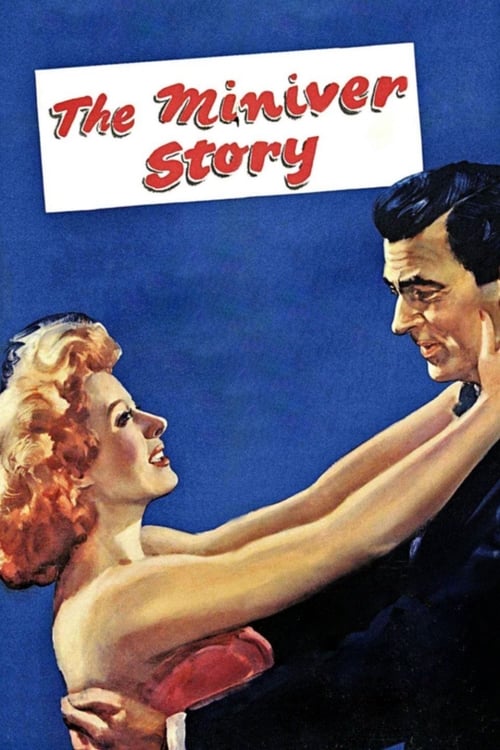
The Miniver Story
6.3

The Second World War is over, and the Miniver family is trying to keep themselves together in post-War Britain, among continuing shortages and growing tensions within the family.

The Miniver Story

1950
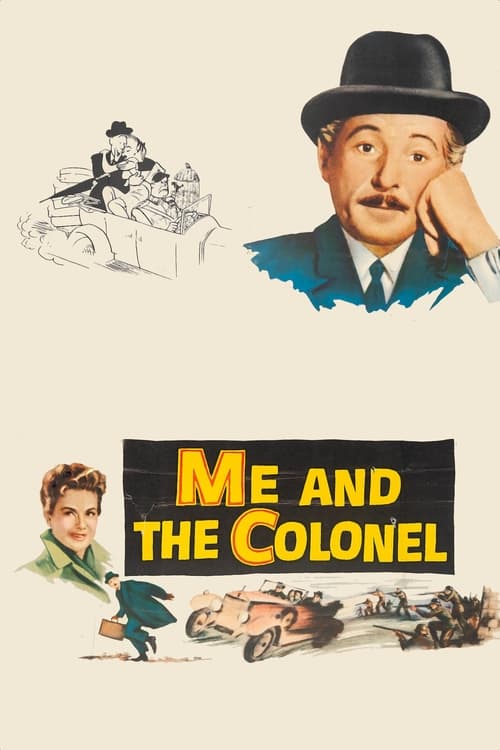
Me and the Colonel
6.5

Nazis are about to overrun France, and a Jewish man named Jacobowsky is stranded in Paris. He hitches a ride with reluctant Polish serviceman Colonel Prokoszny, who harbors a bias against Jews. They are soon joined by Prokoszny's bride-to-be, Suzanne, who takes an immediate liking to the engaging Jacobowsky. This furthers the hostility between Jacobowsky and Prokoszny, but they must put their differences aside to evade the Nazis trailing them.

Me and the Colonel

1958
No image
10.0

Adaptation of A Doll's House by Henrik Ibsen.

Nora

1923