Josef Krajbich
Editing
Known For
No description available.
Scene of the Crime Ostrava
No description available.
Nemocnice v první linii
No description available.
Sever
No description available.
Zakázaný Bůh
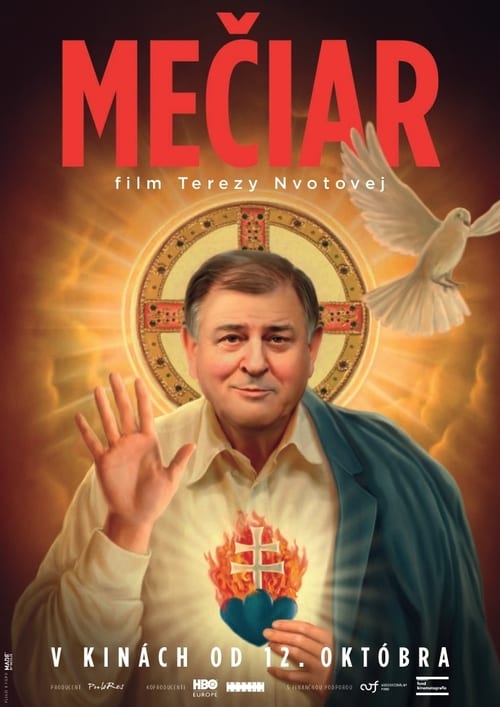
The film Mečiar is the confession of the young director Tereza Nvotová about Vladimír Mečiar and the influence that this politician had on Slovak society, but also on the life of Tereza herself. When the totalitarian communist regime fell in Czechoslovakia in 1989, Tereza was one year old. The leaders of the Gentle Revolution then decided to hold an audition for the Minister of the Interior, to which Vladimír Mečiar, an unknown business lawyer from the Slovak countryside at the time, applied. After success in bankruptcy, Vladimír Mečiar reaches the political top, from where he rules the country with a series of questionable practices. Against the background of events such as the division of Czechoslovakia or the kidnapping of the son of the president of the Slovak Republic, Tereza and her peers relive their childhood.
Mečiar: The Lust For Power
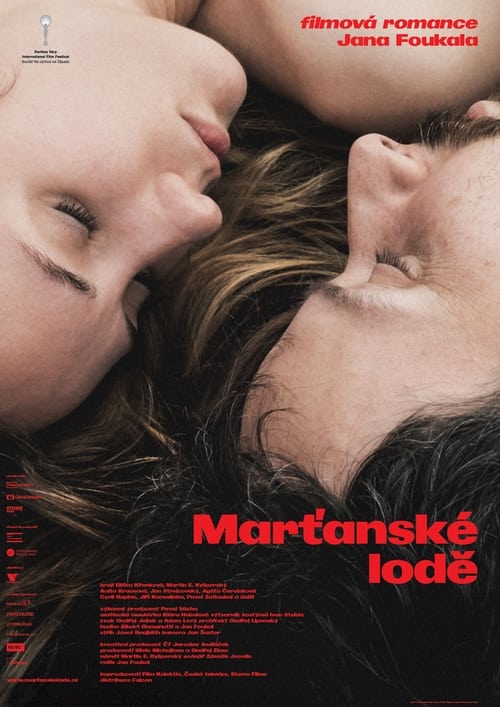
Psychologist Eliska contacts musician Martin with a request for him to perform at an event on mental disorders. Their intense relationship ends with Eliska's suicide, which will resolve long-lasting pain without cause. She flew through Martin's life like a spaceship. She left clothes, things, a farewell letter. But also memories, dreams and eternal encouragement to play. She's still with Martin. Like a memoir, as a gratitude for the experience, like a muse.
Two Ships
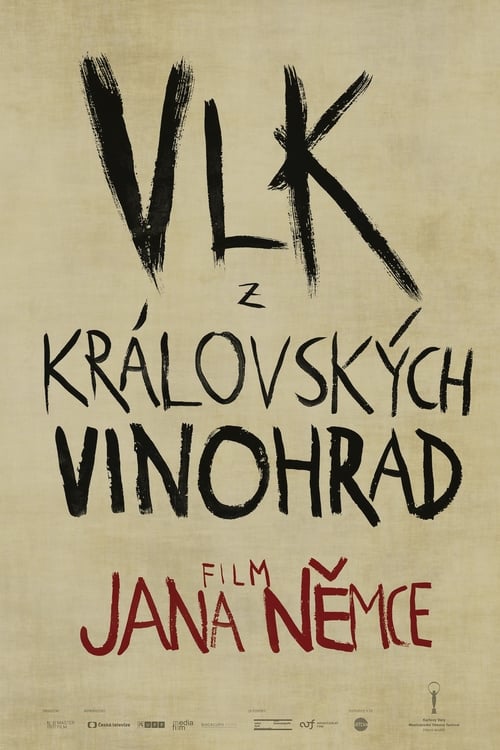
The film tells the life story of its director, Jan Nemec, one of the most known and important filmmakers of Czech New Wave.
The Wolf from Royal Vineyard Street

No description available.
Tajemství života Bedřicha Smetany
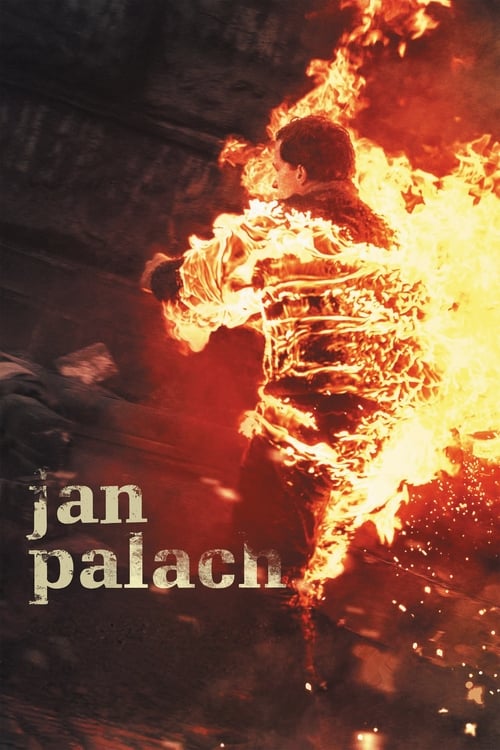
The last six months of the life of Jan Palach, who self-immolated to protest against the invasion of Czechoslovakia to crush of Prague Spring.
Jan Palach
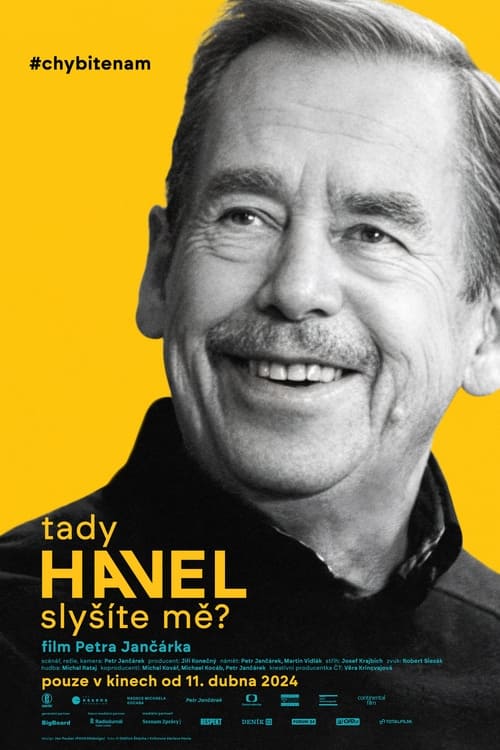
This time-lapse documentary follows the last years of former President Václav Havel's life, creating a multi-layered portrait of a world-famous political icon and important playwright, but also an ordinary man plagued by health problems. Havel allows the filmmakers a glimpse behind the scenes of his life, revealing purely personal moments that present him in previously unrecognised contours. With a sense of humour, he reflects on his political legacy and universal human issues. The central motif is formed by the parallels between Havel's life and the successful play Leaving, which Havel always wanted to direct as a film adaptation.
Havel Speaking, Can You Hear Me?
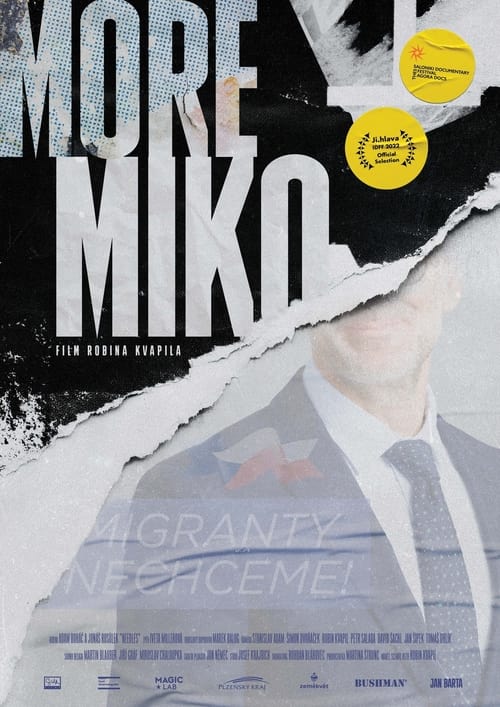
Miko is a truck driver, his father is Romani, and above all he is a man who wanted to help those in need. When the Czech government was looking for reasons not to take in a few dozen children from Greek refugee camps after the chemical attacks on Syrian civilians in 2018, Miko took justice into his own hands and, together with the Czechs Helping initiative, prepared facilities for child refugees. However, government officials gave priority to political interests. Will parliamentary elections and a change of ministries save the situation? An unflattering but accurately portrayal of the Czech Republic as a country that will only offer a helping hand when it is worthwhile.
Citizen Miko
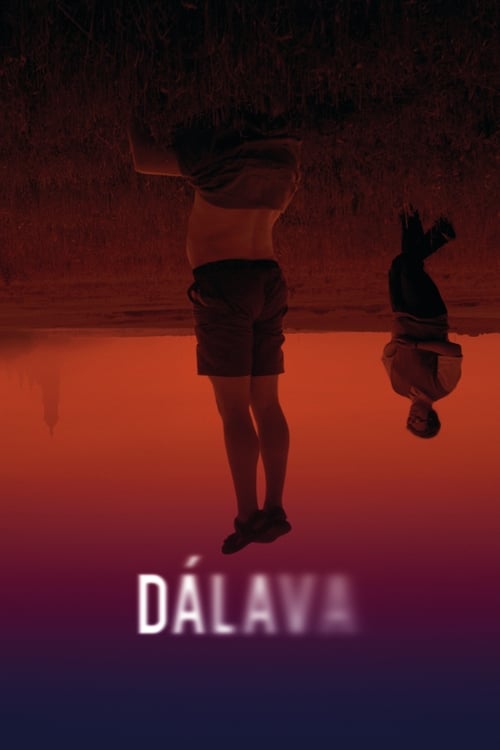
Father and son Vít and Grisha travel to Russia to visit the boy’s mother and sister. Why did their previously harmonious family split in two? A documentary road movie about the distance between two Slavic countries, the difficulties of fatherhood and puberty, and the alienation between people who should, in theory, be the closest of all.
Over the Hills
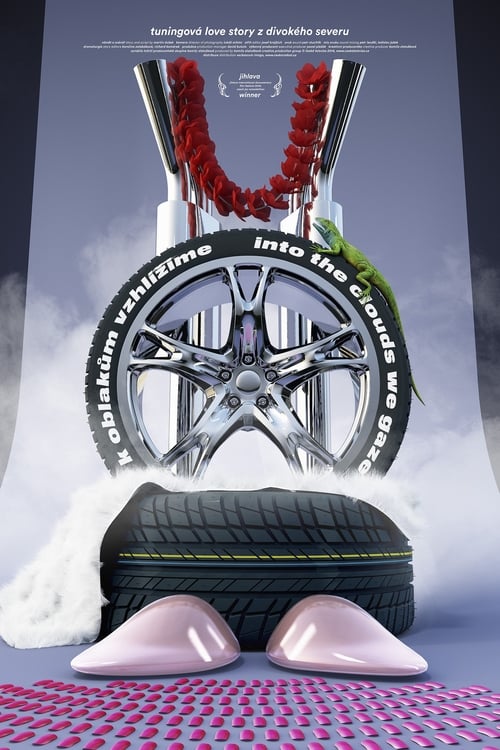
A gentle love story from the harsh environment of northern Bohemia.
Into the Clouds We Gaze
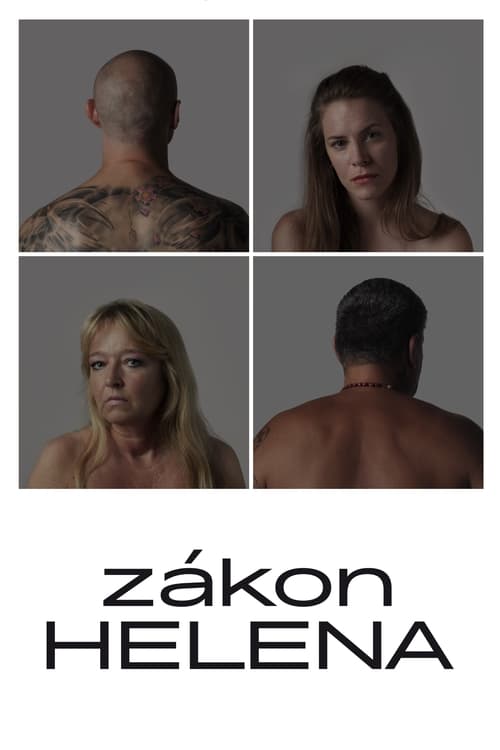
In her latest film, young actress and documentary filmmaker Petra Nesvačilová decided to capture police officer Helena Káhnová, who, together with her colleague, managed to send dozens of people to prison in the Berdych gang case in the 1990s - including Berdych himself. The cumulative punishment was hundreds of years in prison - the policewoman received a reward of CZK 10,000 and a promotion, which was subsequently withdrawn. The director also managed to establish a film relationship with Berdych himself and former members of his gang. What motivates a policewoman to stand up to the mafia and what motivates a young documentary filmmaker to contact the mafia and make a film about it?
Zákon Helena
In the middle of the village of Drnovice, with a population of two thousand, near Vyškov in South Moravia, stands a football stadium for eight thousand spectators. It is a pyramid of a defunct football civilization, once ruled by famous names such as Karel Brückner and Radek Drulák. The rise and fall of the Drnovice football club is typical of Czech football, politics, and business in the 1990s—behind it lie not only beautiful goals, but also mysterious sponsors, corruption, and doping. Let's travel back to a time when even the highest-ranking government officials couldn't tell heating oil from gasoline, and when Czech footballers were playing for the European title.
Catenaccio a la Drnovice or Journey to the Beginning of the Time of Economic Transformation
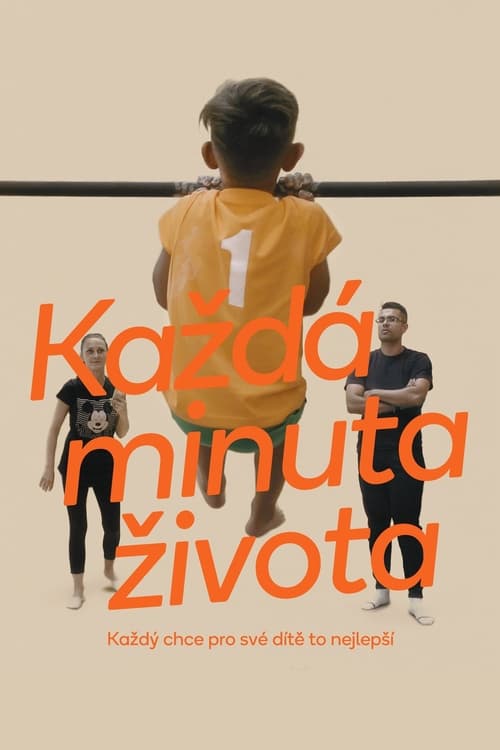
The Hanuliaks, a couple from Slovakia, have decided to bring up their son according to Kamevéda, a complex approach to developing the child’s motor abilities and intellect. Unique in its depth of focus, this reflection on child-rearing documents a year in the life of four-year-old Miško, where not a minute is wasted since there is no room for boredom and moments of rest are merely preparation for the next achievement.
Every Single Minute
Tereza cherishes moments of being the carefree girl she once was. She enjoys time with her boyfriend, but her thoughts drift to fears about raising Karla. She keeps her worlds apart, but one night changes everything. The Tower is a short film about losing oneself and how life's most important roles are often thrust upon us.
The Tower
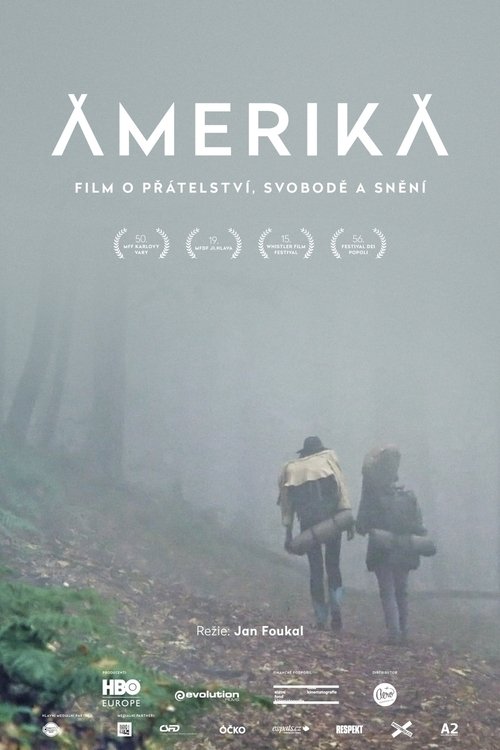
he story of an unusual journey or a staged piece of contemplation? However we perceive this tale of a couple wandering through the Czech countryside, we can best experience it by yielding to the calm tempo of their journey through the shady woods.
Amerika
In the second half of the 18th century, Jeremy Bentham designed the model of a panopticon, a type of building that made supervision most effective. Panopticons were firstly used for prisons, places where supervision and punishment are the main functions. Secret services but also different surveillance technologies are the new panopticons. They can monitor, save and store data about people to identify them, to distinguish the location and time of people’s behaviour and actions. Architecture theorist, software expert, people who are or were monitored, or the former secret service agents explain their panoptical experience. Reading again Michel Foucault´s Discipline and Punish, through experience with different kinds of supervision, in the film we are looking for the perfect application of the panoptical principle.
In Sight
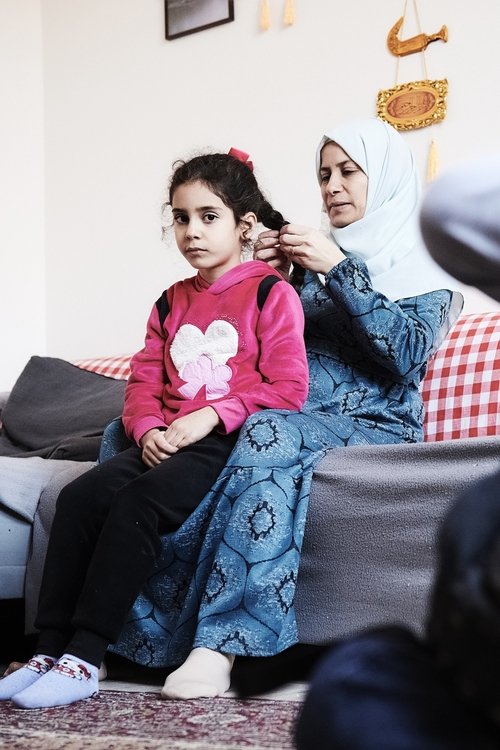
This 10- year documentary follows the Alhariri family, as they integrate into Czech society, despite their different faith, culture, and traditions. While Amira becomes the cultural anchor of the family, her husband, Abdul, works hard in a small kebab shop. Their eldest son, Kenan, is scarred by his experiences of war, and struggles to find new values. His younger brother, Montaser, on the other hand, is clear about his inherited values. Son Adnan and daughter Zaina fit in perfectly with their Czech classmates from the first grade, while the youngest children, Hamud and Kamar, still have time to find their way. Amira knows what life in Europe has to offer, but she never stops believing in a return to her homeland.