Acting
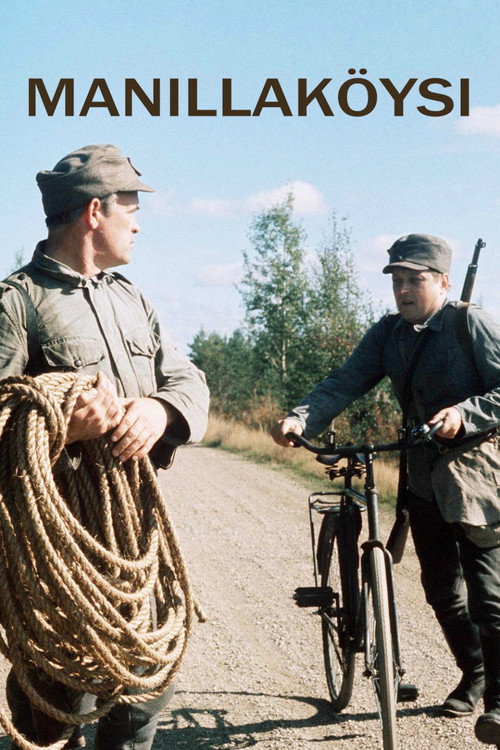
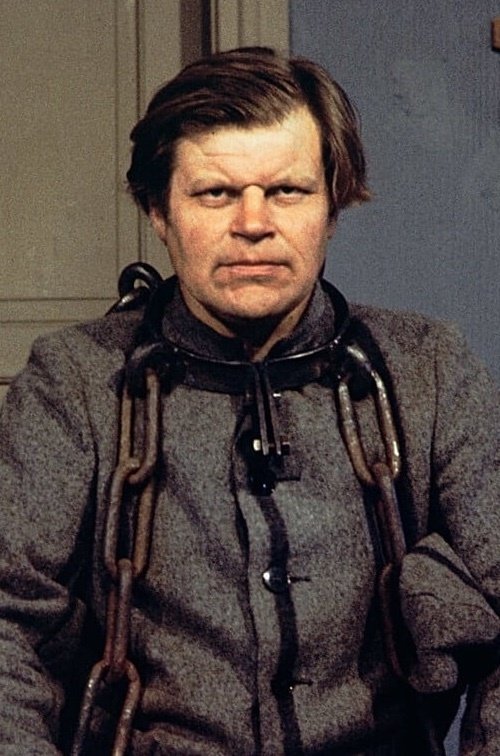
Manillaköysi is a cult status holding TV-movie adaptation of the satirical war novel by Veijo Meri. Manillaköysi has an endless list of classic one-liners, but it is still not based on cheap laughs or anything like that. The whole humouristic aspect of it comes from describing the absurdity of war, and the whole military system, by looking it with the eyes of a simple man, who's thrown into it, and who simply does not give a rats ass of it all. The tone of it is not overly preachy or moralizing. If I would have to describe it with one word, it would be: unglamourizing. The main point of Manillaköysi is pretty much compressed in one of the most famous quotes of it: There is nothing supernatural about war, it is just work like anything else.
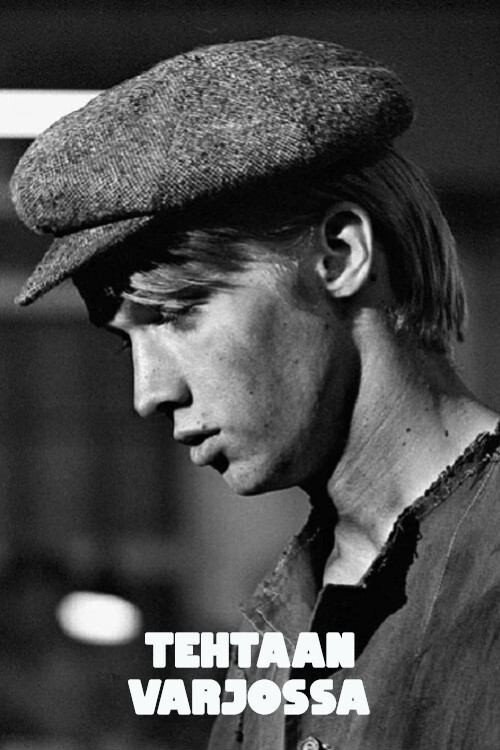
Samuel Oino lives a harsh youth in post-civil war Finland. The death of his father forces Samuel to become the guardian of his family. Samuel searches for his place in society, connection with other people, and at the same time, himself. Based on Toivo Pekkanen's novel of the same name.
Arriving in Helsinki, a nameless man is beaten within an inch of his life by thugs, miraculously recovering only to find that he has completely lost his memory. Back on the streets, he attempts to begin again from zero, befriending a moody dog and becoming besotted with a Salvation Army volunteer.
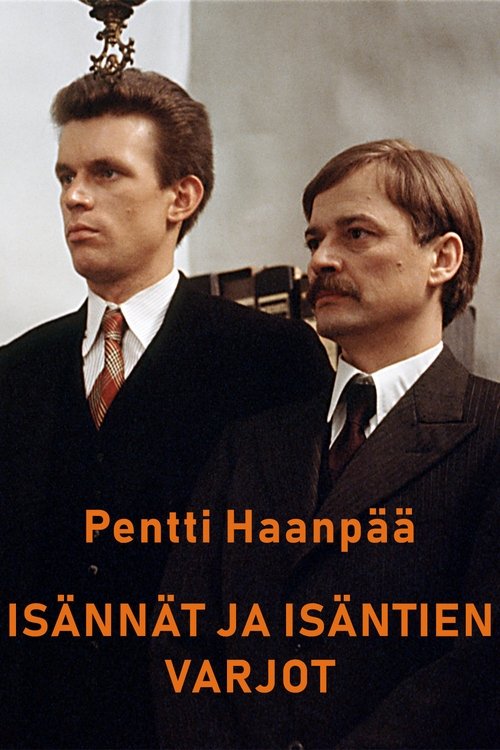
Time of depression in the 1930s. "Poverty and abundant wealth have simultaneously filled the earth's circle. The peasant's cornerstones are moving." Iso Herneinen's mistress is dead and grief lives in Jopi's heart. Jopi's grown-up boys are hardly happy. The eldest boy fell in love with the house maid. The middle one is, according to Jopi, a strange modern product. The youngest does not enjoy working or working at home. The three-part TV series tells about the peasant's collapse in years of depression.
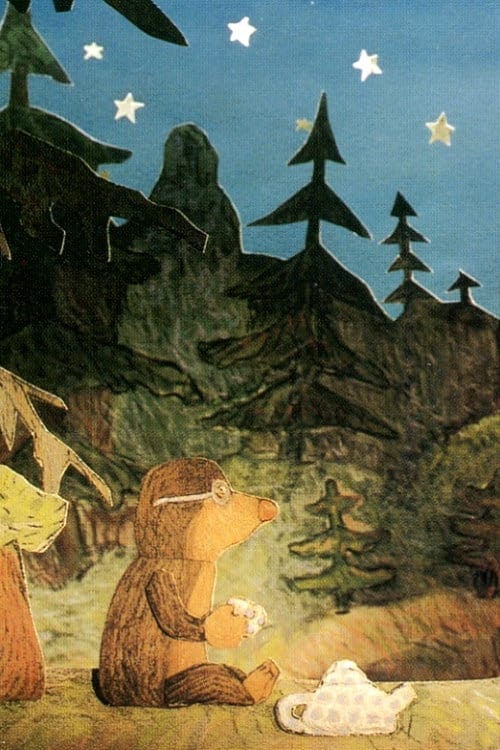
A small mole is looking for a fallen star in the night forest where everyone else seem to have already found their own treasures.
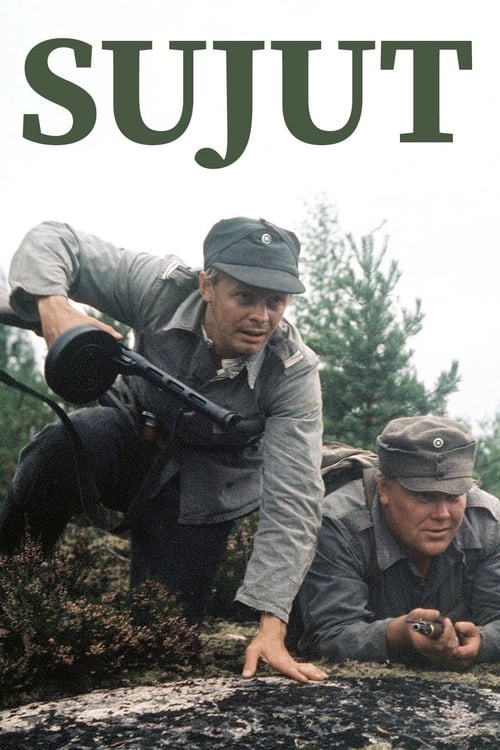
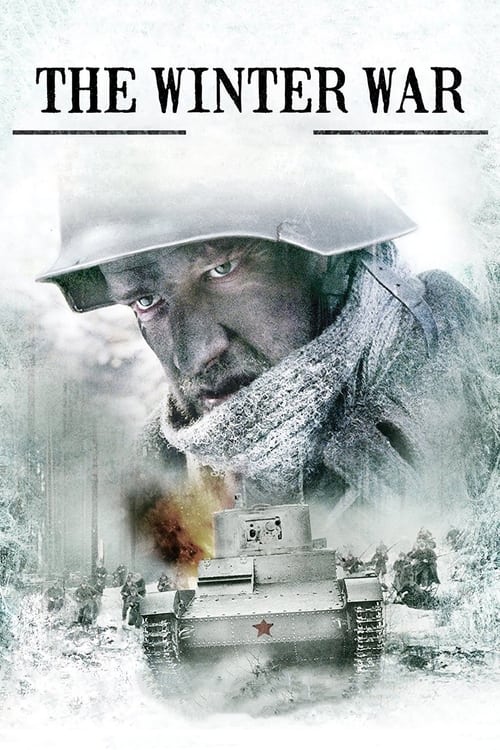
After Nazi Germany invades Poland in September 1939, Russia attacks Finland two months later. Finnish reservists leave home and go to war. Brothers Martti and Paavo Hakala, farmers from the municipality of Kauhava in the province of Pohjanmaa/Ostrobothnia, serve in a Finnish platoon. A five-part television miniseries extension of Pekka Parikka's 1989 film of the same name.
No description available.
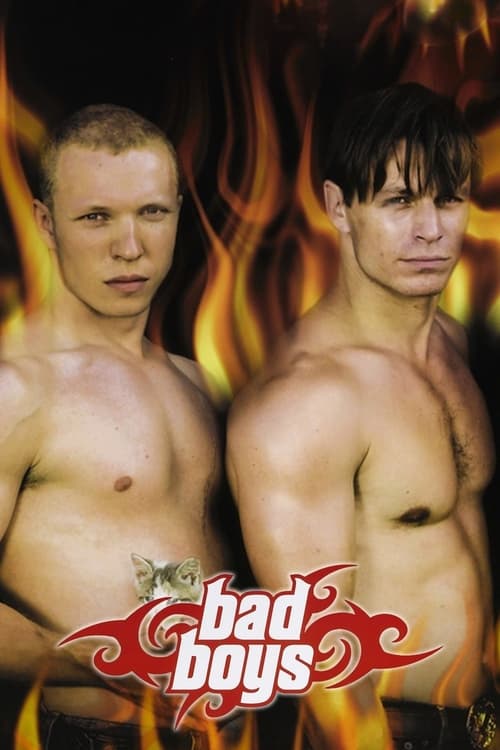
The story bases on four Finnish brothers, nicknamed 'the Eura Daltons' who received nation-wide notoriety for tearing gas pumps apart when they needed cash.
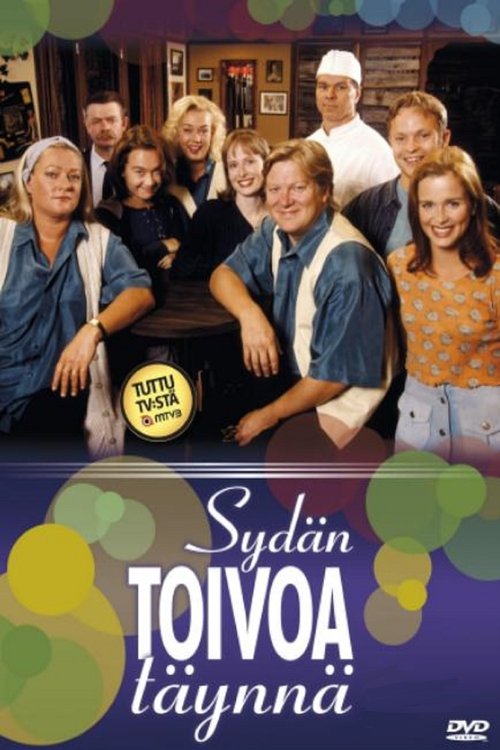
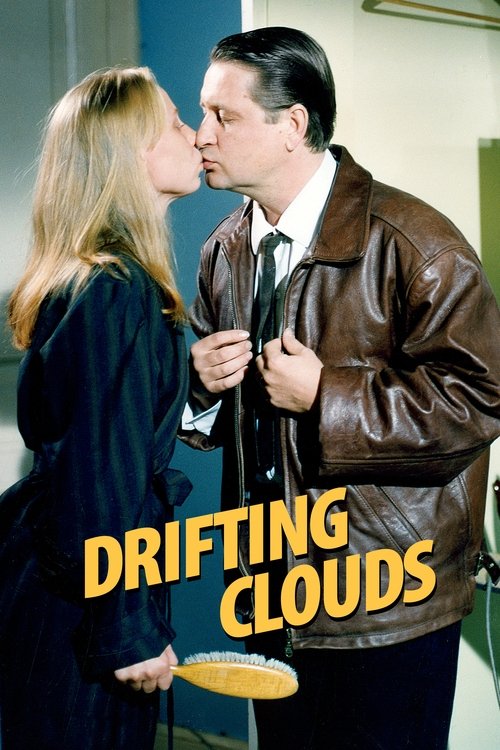
The ever-poker-faced Ilona loses her job as a restaurant hostess, as her tram driver husband, Lauri, also finds himself out of work. Together they must hit the streets of Helsinki, facing up to hardship and humiliation in their quest for survival, guided through the gloom by a ray of hope.
The year is 1972. Finnish endurance running is in its golden age. The head physician of a mental hospital goes on a bike ride with a marathon runner who has been forgotten in hospital for years. But the ride doesn't follow the expected route...
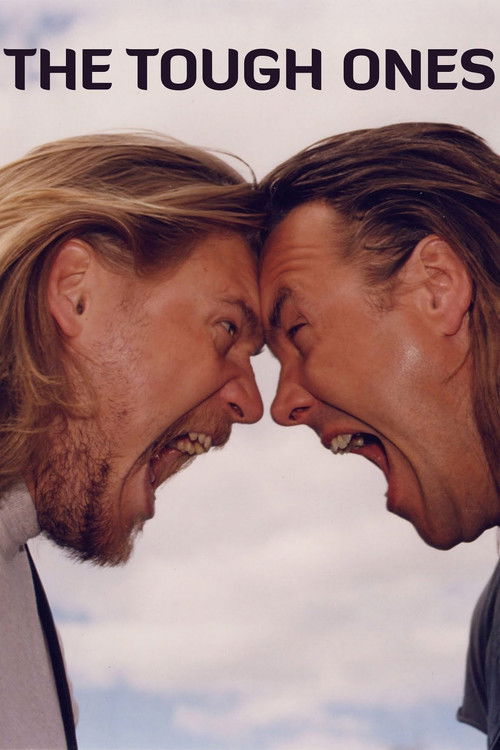
The Tough Ones tells a story of two friends who have a hard time finding their place in the society. Antti and Jussi are released from jail. While they were doing time for bank robbery, the third man involved in the robbery, the one who was not convicted, has become a policeman. He tries to help his friends to settle into the small town in Pohjanmaa, but the boys start a black market liquor business instead. The road seems to lead back to the jail.
A film group is making movie in the little town. Writer Pentti Töysä interrupts film group's press conference and claims that script is written by him and it is based on true story. Töysä also says that he has written a new ending to the movie and that it reveals an old murder. Not everyone is happy about the new twist.
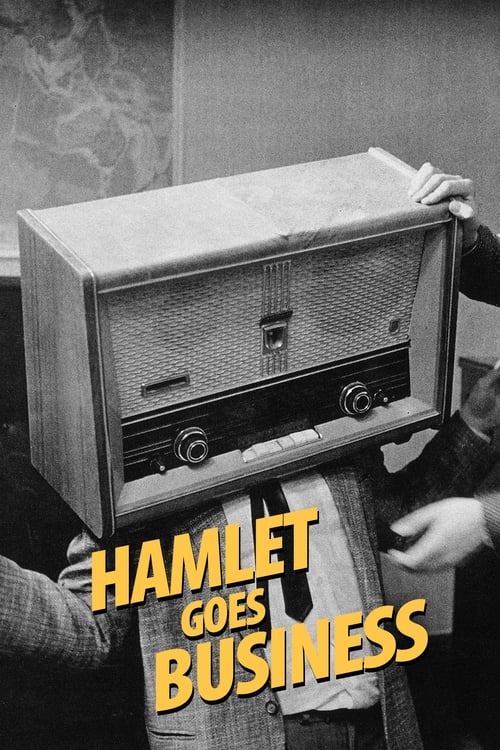
When Hamlet discovers his father’s deceased body, he finds himself pulled into a power struggle as his scheming uncle attempts to secure a monopoly on the Scandinavian rubber duck industry. Will Hamlet avenge his father? Will he become the king of rubber ducks? Does any of it really matter?
Kuningasjätkä is set in North Karelia in the mid-1950s and depicts the summer of 10-year-old Topi at the boating site with his widowed father Tenho.
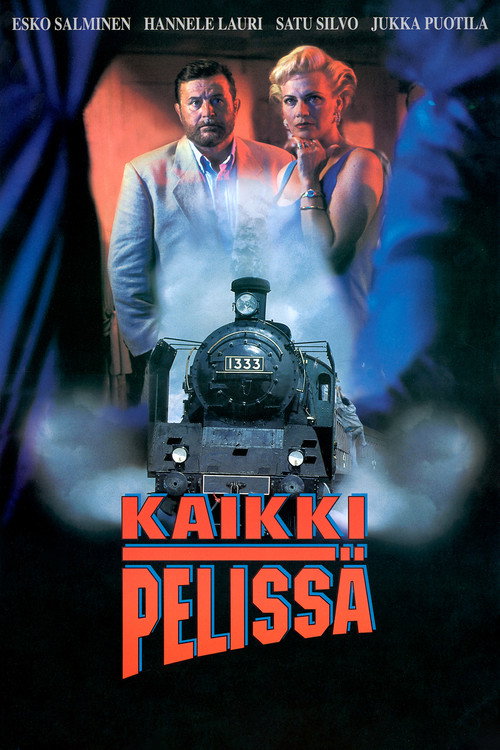
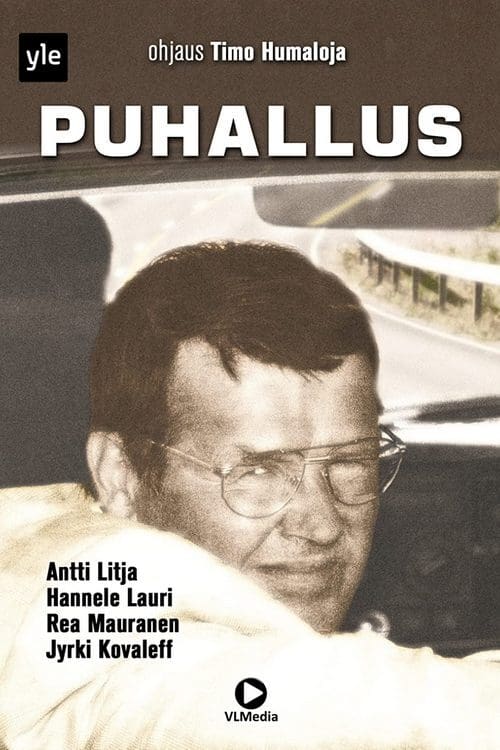
The company's regional manager has had enough of the fast pace of business and the frivolous patterns. He leaves the office sauna for a booze run at the behest of his boss. Drunk and driving his own car, even he doesn't have to. The situation becomes a thrilling chase that ends in a breathalyzer test and all-round relief as things fall into place. The booze run becomes a turning point in the life of the group's regional manager.
The Finnish army retreats during the war summer of 1944. Corporal Lauri Ojala is left on the wrong side of the Vuoksi River. He decides to break ranks with the army and goes home. Two months later, Ojala is forced to dig his own grave.
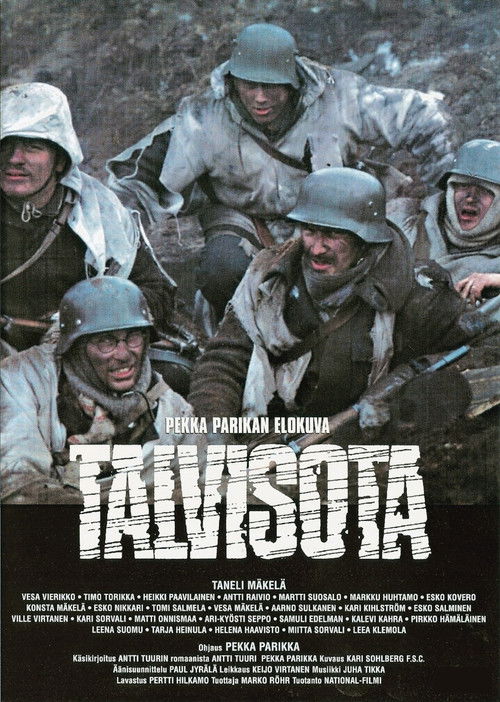
After Nazi Germany invades Poland in September 1939, Russia attacks Finland two months later. Finnish reservists leave home and go to war. Brothers Martti and Paavo Hakala, farmers from the municipality of Kauhava in the province of Pohjanmaa/Ostrobothnia, serve in a Finnish platoon.