William Brind
Production
Known For
This series of seven one-hour films examines the nature, evolution and consequences of modern warfare. Filmed in ten countries, on two oceans, and with the co-operation of the armed forces of six nations, War features interviews with top-level NATO and Soviet military leaders and strategists, eminent historians and other professional observers of combat. Drawing as well on film and picture archives worldwide, with footage of important battlefields on three continents, this documentary series argues that war, an institution invented to settle disputes between nations, no longer serves its purpose. It concludes that nations must find other ways to resolve their differences. The on-camera host for the War series is Gwynne Dyer, Canadian international affairs analyst and military historian.
War
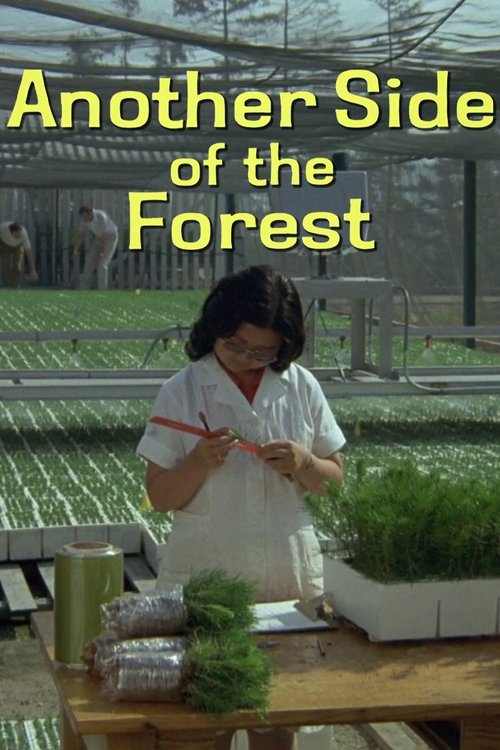
Developments in the Canadian forestry industry during the 1970s are shown being carried out both as lab experiments and in the field to protect and conserve the country's vast forests. These include turning a Newfoundland bog into woodland, fostering British Columbia seedlings that withstand mechanical planting, inoculating Ontario elms against the bark beetle, devising ways of controlling fire, and more.
Another Side of the Forest
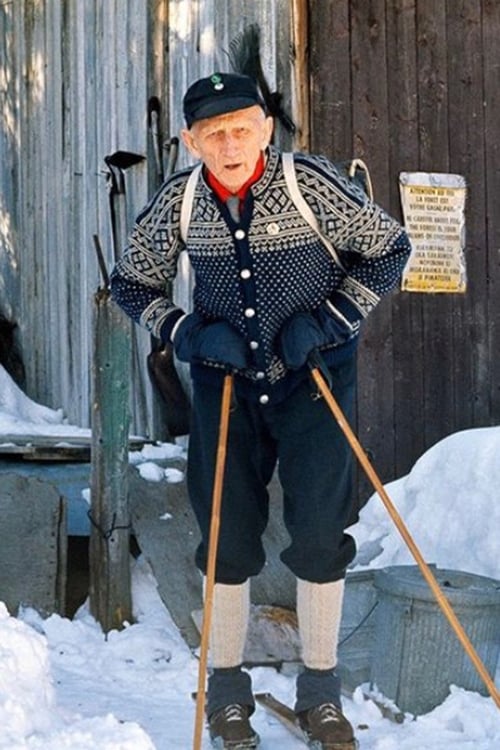
This short film retraces the life of Herman Smith Johannsen – the man who introduced the sport of cross-country skiing to Canadians. From past to present, his life story is portrayed through pictures from sports newsreels, Norwegian archives and his family album. The film catches up with him at both the Canadian Ski Marathon, where he is the honoured guest, and on a return trip to his native Norway.
Jack Rabbit
This nature film closely observes wolves through late winter into early spring. Wolf Pack shows this creature’s character, behaviour and life cycle. What emerges is a portrait of the wolf as a disciplined hunter, respected leader and committed parent.
Wolf Pack
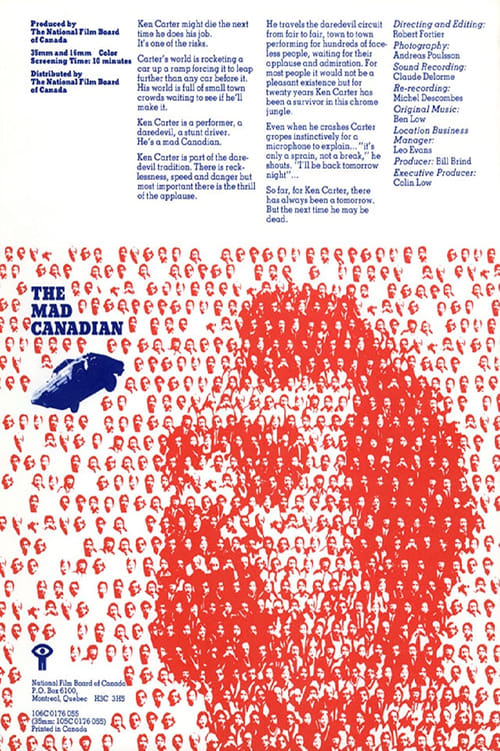
A tense, tight close-up of stunt man Ken Carter's role on the stock-car racing track. Risking life and limb to rocket a car from a ramp over a parked line of cars takes more than the will to make a living. What else is involved is shown by the film as the camera looks and listens while the stunt man readies for his act and then makes his wild ride.
The Mad Canadian
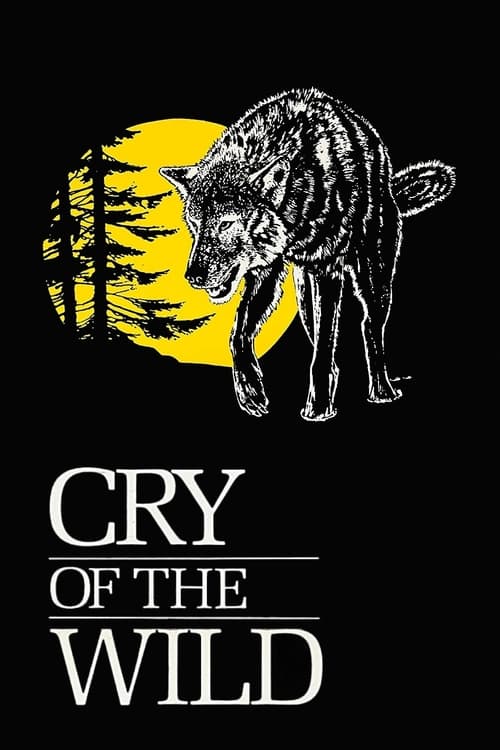
Bill Mason imparts his affection for the big northern timber wolves and the pure-white Arctic wolves. Filmed over three years in the Northwest Territories, British Columbia, the High Arctic and his home near the Gatineau Hills in Quebec, Mason sets out to dispel the myth of the bloodthirsty wolf. Going beyond the wolf's natural habitat, Mason relocated three young wolves to his own property and was able to film tribal customs, mating and birth - moments in wildlife never before seen on film.
Cry of the Wild
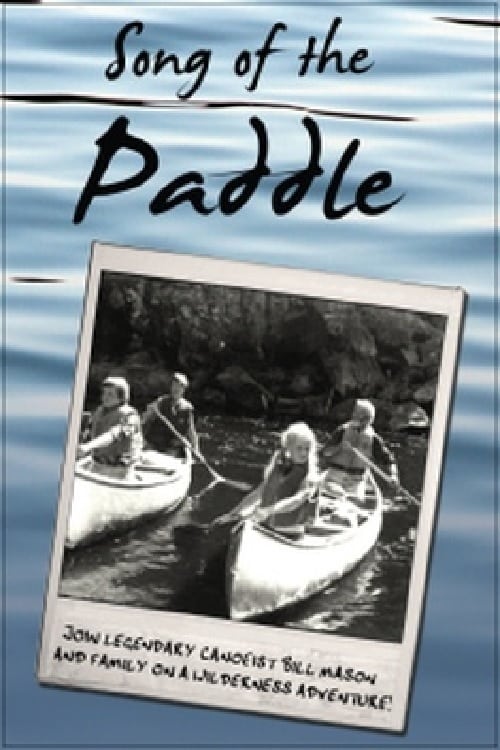
Join outdoorsman Bill Mason in this short documentary as he and his family go canoe camping in the wilderness. Gain an appreciation for the art of canoeing while watching a small group experience the sheer joy and beauty of Nature. Along the way, the Masons experience countless adventures and some breathtaking scenery, including Indian rock carvings at Lake Superior.
Song of the Paddle
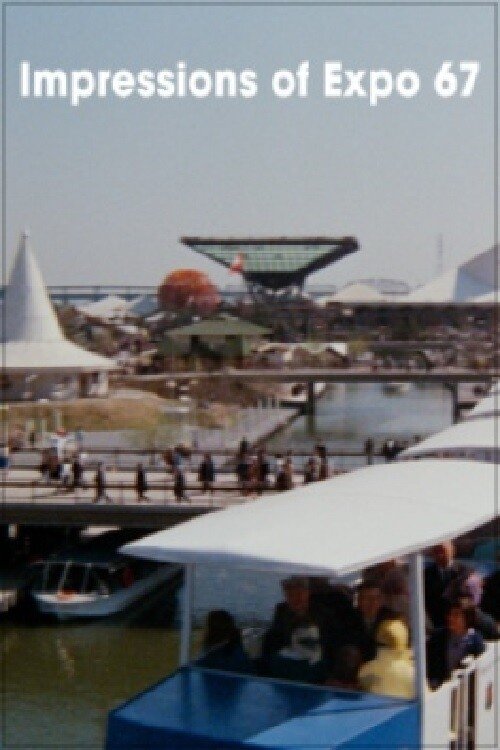
This short film served as an invitation to the World's Fair that was held in Montreal in 1967. It was largely considered to be the most successful World's Fair of the 20th century with over 50 million visitors. The film presents impressions of the event and of Montreal at its liveliest and most exciting moment in history.
Impressions of Expo 67
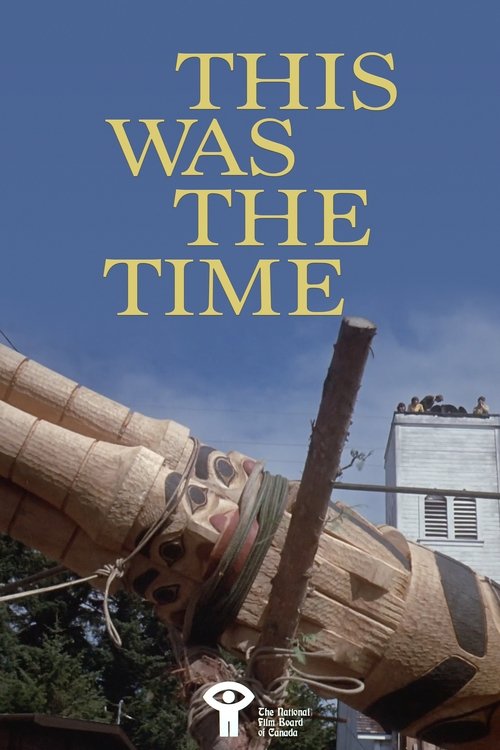
When Masset, a Haida village in Haida Gwaii (formerly known as the Queen Charlotte Islands), held a potlatch, it seemed as if the past grandeur of the people had returned. This is a colourful recreation of Indigenous life that faded more than two generations ago when the great totems were toppled by the missionaries and the costly potlatch was forbidden by law. The film shows how one village lived again the old glory, with singing, dancing, feasting, and the raising of a towering totem as a lasting reminder of what once was.
This Was the Time
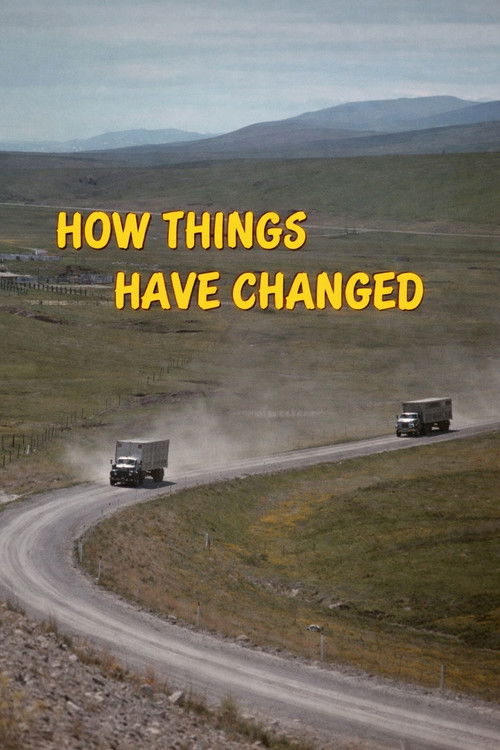
No description available.
How Things Have Changed
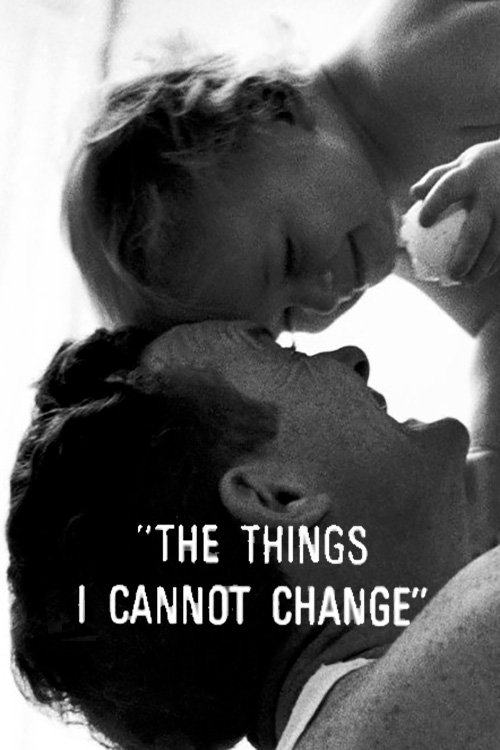
"This feature documentary is considered to be the forerunner of the NFB's Challenge for Change Program. The film offers in inside look at 3 weeks in the life of the Bailey family. Trouble with the police, begging for stale bread, and the birth of another child are just some of the issues they face. Through it all, the father tries to explain his family's predicament. Although filmed in Montreal, the film offers an anatomy of poverty as it occurs throughout North America." - NFB
The Things I Cannot Change
The introduction of computers into the workplace in 1969 posed a threat to white-collar workers whose jobs they might replace. This drama documentary looks at the situation from the perspective of the employees and of management.
A Matter of Survival
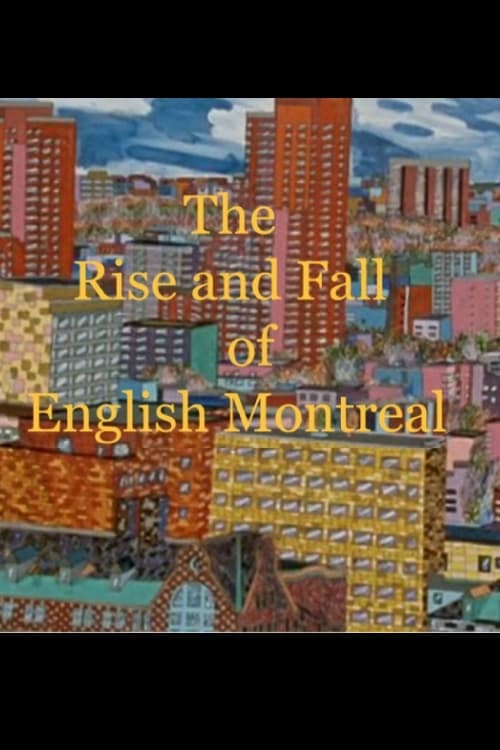
In the past 20 years, some 300,000 English-speaking people have left Montréal, convinced they had no future in a Québec that had become increasingly French, increasingly nationalistic. In this video we meet some of the people who are moving away and recall the days, in the last century, when there were more English-speaking people than French in Montréal. The video poses a controversial question: Will the city, with its youth leaving in great numbers, become a community of the elderly, unable to renew itself?
The Rise and Fall of English Montreal
This film interview affords a glimpse of a bold and learned mind illuminating important social issues. Responding to questions on the related topics of language, democracy, and the role of the modern university, acclaimed literary critic Northrop Frye explains why education is crucial: "A democracy cannot function without articulate citizens." Frye claims that the university is a place where individual liberty becomes possible, as students learn to question beliefs imposed by society. For Frye, reading and writing are "instruments of freedom."