Erik Barnouw
Writing
Biography
Erik Barnouw (June 23, 1908 – July 19, 2001) was an American historian of radio and television broadcasting. At the time of his death, Barnouw was widely considered to be America's most distinguished historian of broadcasting. Among his significant works are the textbook, 'Documentary: A History of the Non-Fiction Film', Oxford University Press, 1993, and the film 'Hiroshima Nagasaki August, 1945', 1970, which compiles footage shot shortly after the bombing by both Japanese and American cameramen.
Known For

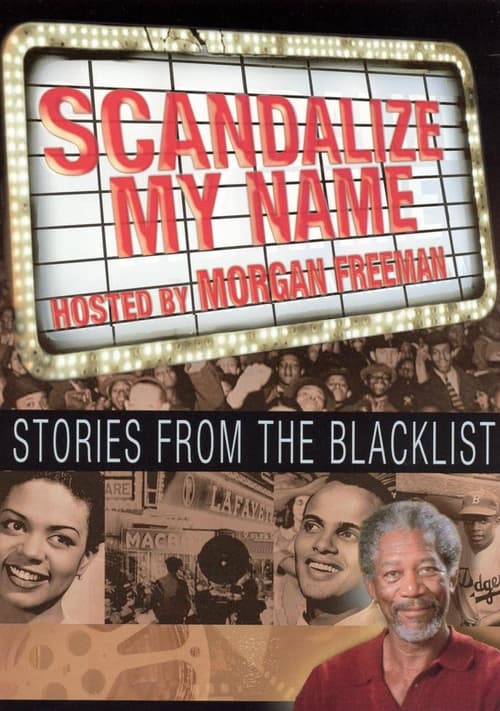
A look at the confluence of the Red Scare, McCarthyism, and blacklists with the post-war activism by African Americans seeking more and better roles on radio, television, and stage. It begins in Harlem, measures the impact of Paul Robeson and the campaign to bring him down, looks at the role of HUAC, J. Edgar Hoover and of journalists such as Ed Sullivan, and ends with a tribute to Canada Lee. Throughout are interviews with men and women who were there, including Dick Campbell of the Rose McLendon Players and Fredrick O'Neal of the American Negro Theatre. In the 1940s and 1950s, anti-Communism was one more tool to maintain Jim Crow and to keep down African-Americans.
Scandalize My Name: Stories from the Blacklist
Biography of Norman Corwin, the great writer, producer and director of the Golden Age of Radio. Actors in his radio plays included Orson Welles, Jimmy Stewart, Charles Laughton, Danny Kaye, Paul Robeson and Judy Garland.
Corwin

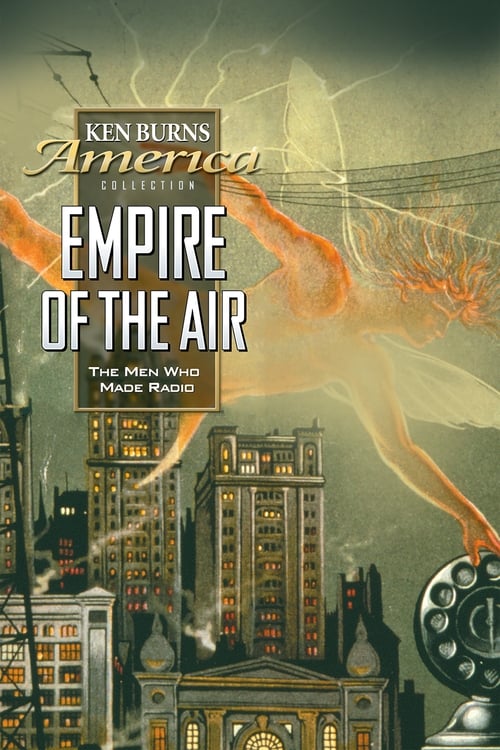
For 50 years radio dominated the airwaves and the American consciousness as the first “mass medium.” In Empire of the Air: The Men Who Made Radio, Ken Burns examines the lives of three extraordinary men who shared the primary responsibility for this invention and its early success, and whose genius, friendship, rivalry and enmity interacted in tragic ways. This is the story of Lee de Forest, a clergyman’s flamboyant son, who invented the audion tube; Edwin Howard Armstrong, a brilliant, withdrawn inventor who pioneered FM technology; and David Sarnoff, a hard-driving Russian immigrant who created the most powerful communications company on earth.
Empire of the Air: The Men Who Made Radio

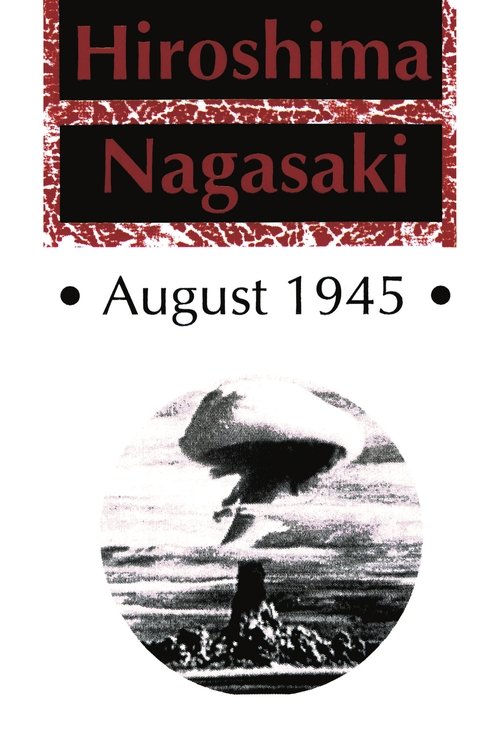
This documentary is a compilation of silent black-and-white film footage shot by the Japanese in Hiroshima and Nagasaki shortly after the atomic bomb blasts in early August 1945. English-language voice-over narration has been added, along with a few scenes from American sources. The film shows the destruction and injury caused by the atomic bombs in graphic detail.
Hiroshima Nagasaki August, 1945

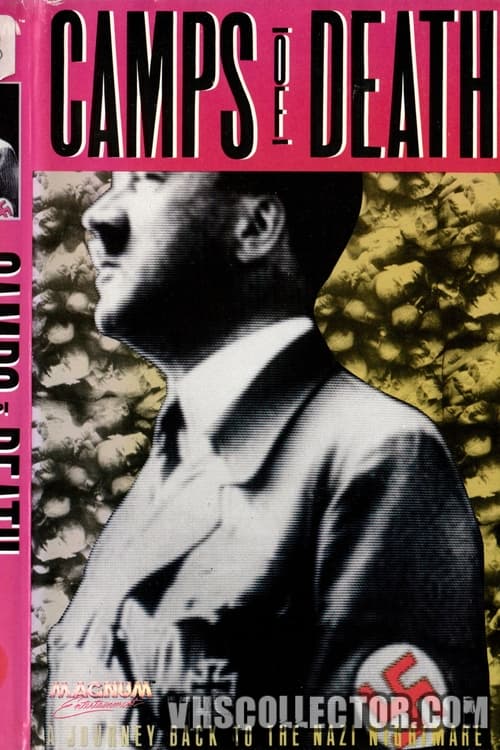
Human torture. Factories of death. War atrocities. The crimes that haunt the pagse of history are chronicled in the piercing documentary Camps of Death. Following Hitler's murderous career, the film traces his rise to power, his ultimate demise, and the subsequent nuremberg trials that publicized the horrors of Hitler's regime. Concentration camp footage combines with chilling POW interviews to graphically create the nazi nightmare that few could hope to survive. A powerful look at the third reich adn the horrifying fate of its enemies.
The Camps of Death
Reconstructs the case of United States vs. Darby Lumber Company, which, in 1941, resolved long struggles over the question of whether Congress had the right to set minimum wages, limit child labor, and in other respects legislate employment standards.
The Constitution and Employment Standards
Experimental short film about car wreckage and automobile safety.
Memento
Follows the efforts to gain the right to vote for Negroes through a succession of legal decision and social changes. Dramatizes the case of Smith vs. Allwright et al. Reviews the long conflict to extend voting rights to a large electorate beginning with the Constitutional Convention's compromise over dropping property requirements through and including the enactment of the 15th and 19th Amendments to the Constitution. Cites legal precedents established by the U.S. Supreme Court through their decisions concerning the control of state primaries in 1918 and 1935 and the later reversals in 1941 and 1944. Points to the issues involved in Federal encroachment upon state's rights.
The Constitution and the Right to Vote
Shows the relationship of the Constitution to the issue of prior restraint on freedom of expression. Presents the case of Burstyn v. Wilson challenging the constitutionality of New York State's film censorship system and Cantwell v. Connecticut involving questions of freedom of speech and religion. Discusses the questions pertaining to freedom of speech when multiplied via recordings or film, and how the claims of free expression can be weighed against claims for local, state, or federal protection.
The Constitution and Censorship
Shows the relationship of the Constitution to organized labor. Presents the case of Whitaker et al. v. North Carolina, in which a group of unions challenged the constitutionality of a state ban on the closed shop, the union shop, and other union security provisions. Traces the role of the fourteenth amendment in labor struggles.