Daniel Donato
Camera
Known For
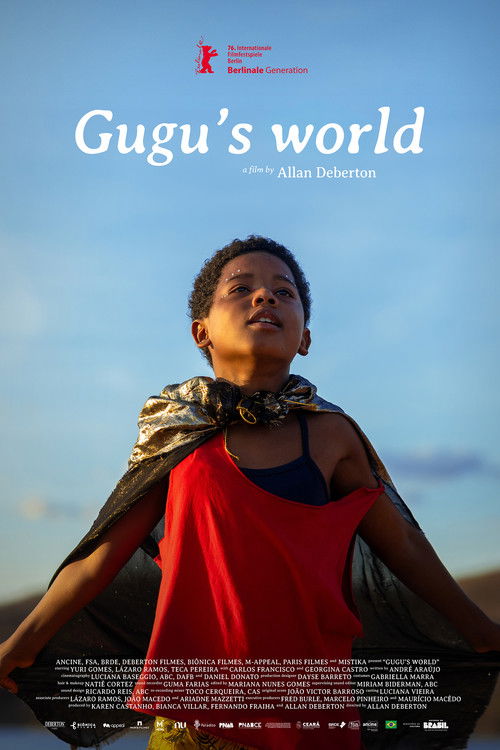
Gugu, a black boy living with his grandmother, experiences memories and revelations when the old city where she lived returns.
Gugu's World
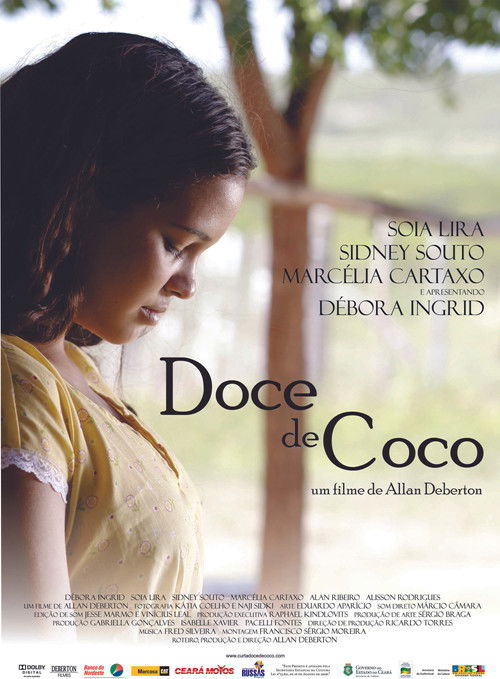
Diana's family produces coconut sweets. João gathers the coconut and Diana and Lucia make the sweets. Zacarias sells product in the city. One day, Diana goes to the river with her mother and her aunt Maria.
Coconut Sweet

No description available.
Canibal Tropical
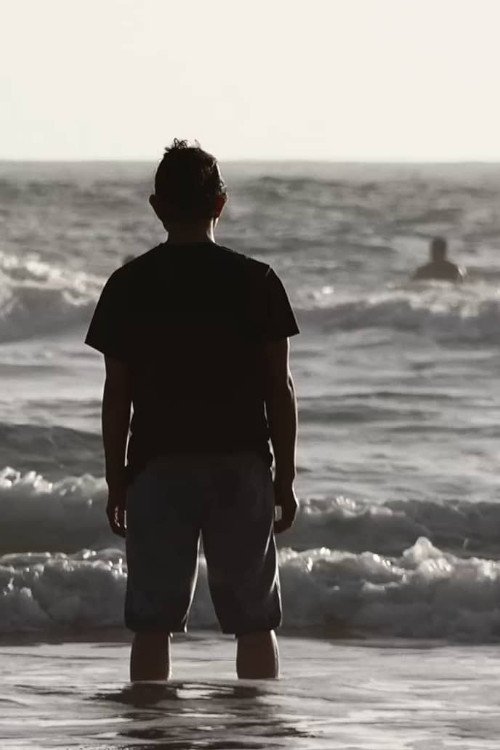
Hans is addressing his first love, Arief, as if he could hear him despite the distance and time. This heart-breaking love letter guides his steps in search of Arief, while Agnès, Hans’ feminine double, reappears like a ghost. The Hans/Agnès duo roam the streets of Lisbon in a phantasmagorical and desperate quest, to remind us that it is impossible to escape one’s past.
Hello My First Love, Over and Out
No description available.
Pequenina
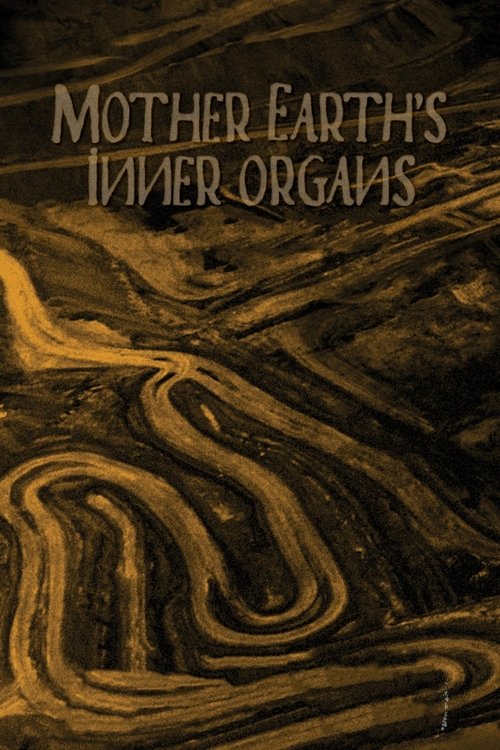
The first mountains that the Amsterdam-based Colombian artist and filmmaker Ana Bravo Pérez saw in the Netherlands were black. In this experimental work, she follows the stench of the coal in the port of Amsterdam back to its origin: an open wound in northern Colombia. The mine is located in the territory of the Wayuu and has a huge impact on the indigenous people.
Mother Earth’s Inner Organs

Isolated in an old and gloomy house, Tomaz and Martin spend their days in a tedious routine. One morning, Martin finds a young girl dead in the bathroom.
Nico
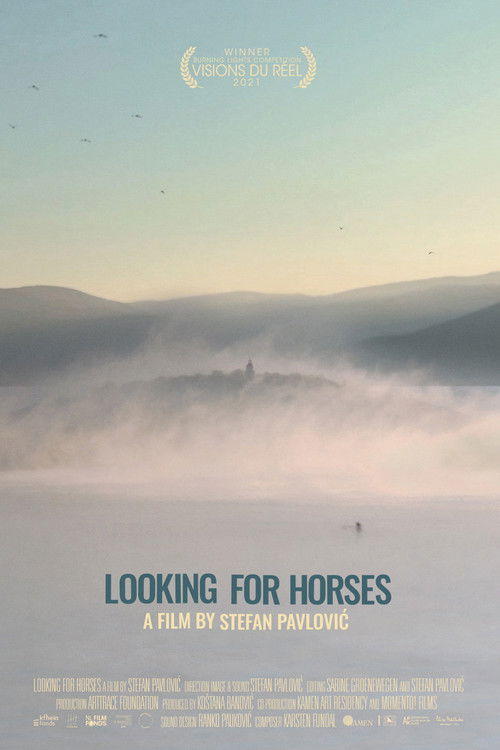
"Looking for Horses" is a film about a friendship between the filmmaker and a fisherman, who lost his hearing during the Bosnian civil war and retreated to a lake to live in solitude. The filmmaker, son of Bosnian parents, struggles to communicate as he lost his mother-tongue due to a heavy stutter. Despite their speech and hearing limitations, a bond develops between the young man and the veteran, as he shares his world of the lake: full of large catfish, wild horses, wide silences, and dangerous thunderstorms. Where for the fisherman the lake stands for a withdrawal from a fractured country, a land of war; for the filmmaker it precisely means the return to that broken place, the land of his parents. They look for ways to communicate, while the camera mediates their growing bond. Taking the shape of a gentle western, "Looking for Horses" is a poetic documentary on trauma, survival, and connection.
Looking for Horses
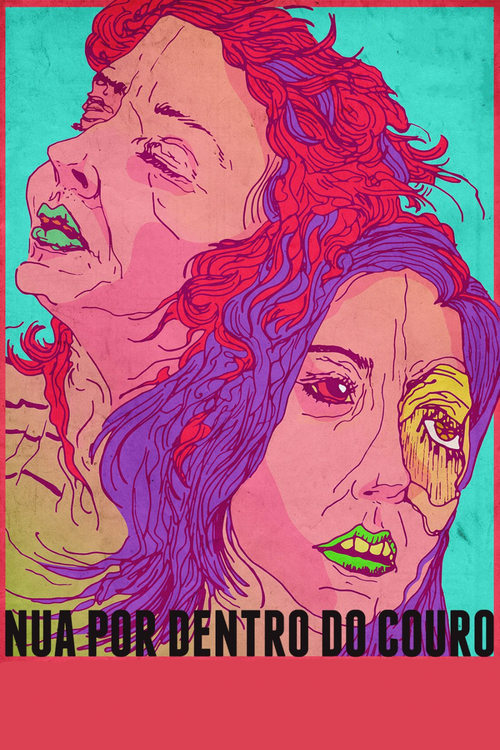
She protects her flesh, but the leather starts to fall.
Naked Under the Leather
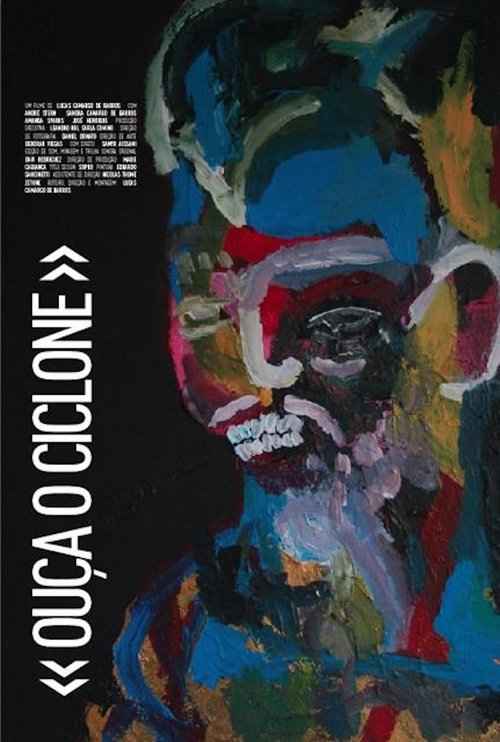
Among grand mal seizures and geomagnetic storms in São Paulo, André looks for his mother and his lost affections.
Hear the Cyclone
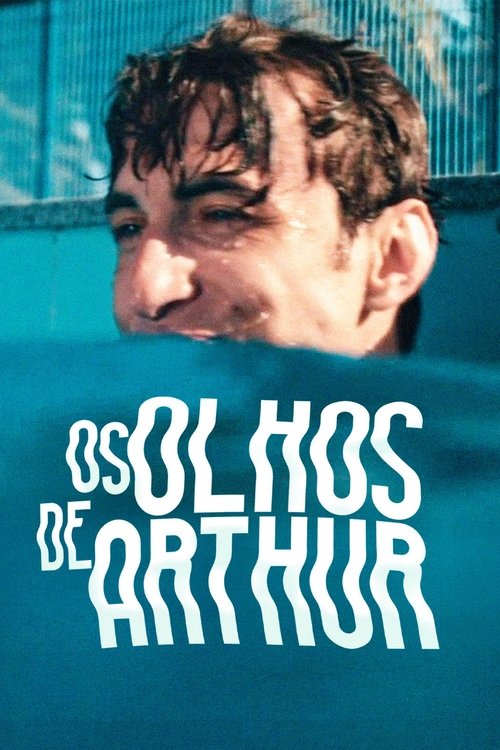
Arthur wants to be a swimmer. Maria, Arthur's babysitter, wants to get married.
Arthur's Eyes
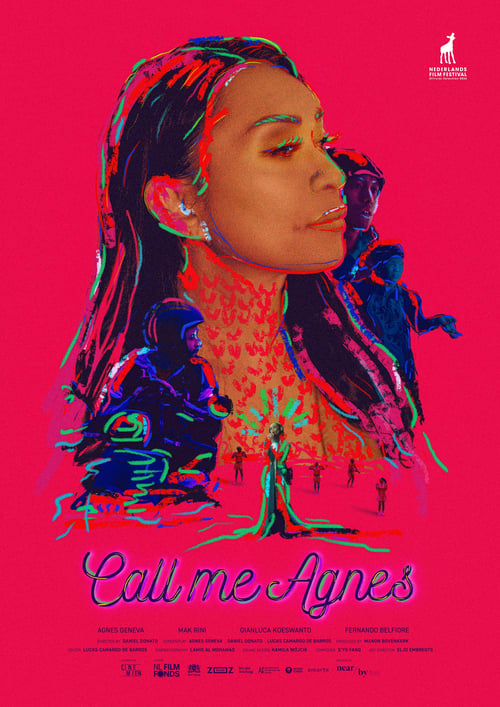
Agnes’ life revolves around playing badminton with her queer friends and working at a restaurant she set up inside her house with her best friend Rini. One day her younger brother Indra arrives, looking for his brother Hans. Agnes faces a dilemma, keep the lie or tell the truth about who she is. The truth could give her a chance to reconcile with her brother but it seems more difficult to reach than she thought.
Call Me Agnes
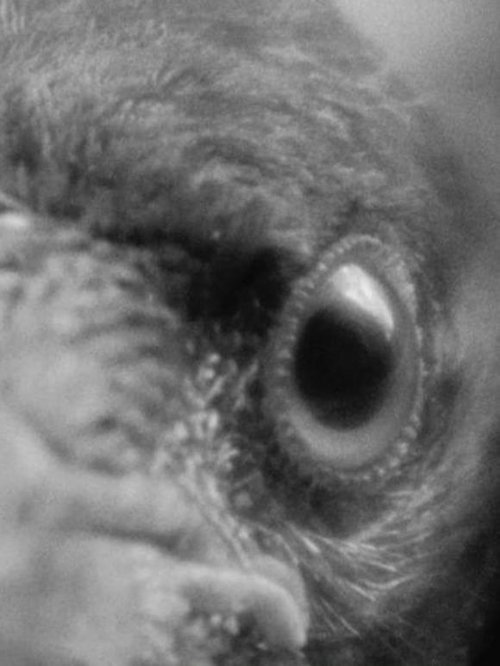
A young taxidermist is fascinated by ravens, paying considerate attention to their dead bodies. Her work on the birds is simultaneously a careful study of anatomical connections and a kind of service toward the resurrection of this mythical creature from the realm between life and death. Through detailed, pulsating black-and-white images and a sparingly intense soundtrack, a charged atmosphere unfolds between craftsmanship, imagination and poetry.
To Feather, to Wither

When I attended a Moroccan women’s morning tea party and asked if I could stay, Fatima replied, “Of course you can stay, we are the same!” This phrase guided me on my journey with my Moroccan neighbors. My body and mind were like a sponge, absorbing everything around me. Moroccan tea became a metaphor for a safe and warm place. A place where it doesn’t matter what language we speak, where we can communicate through gestures, a place where we can be so different, yet so similar.