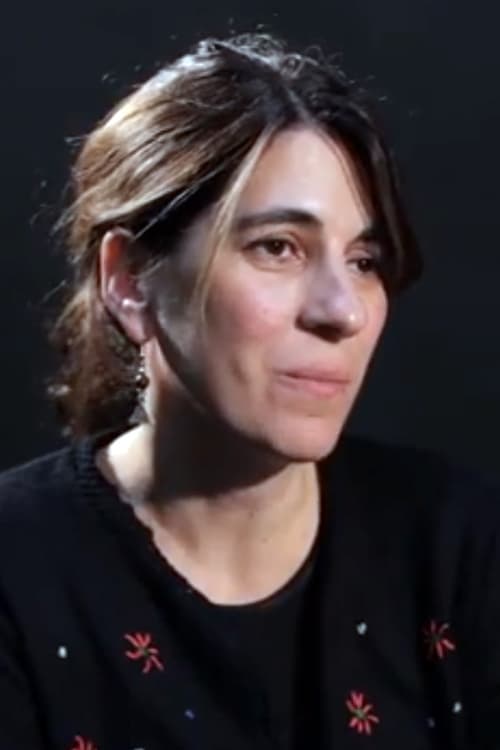
Lorena Moriconi
Editing
Known For
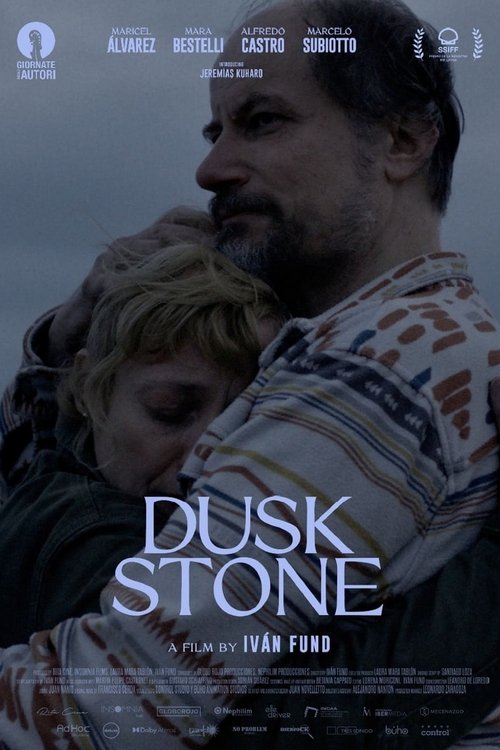
Greta and Bruno, her husband, struggle with grief after the disappearance of their son. Their friend Sina travels to the coast to help them sell their summer house.
Dusk Stone
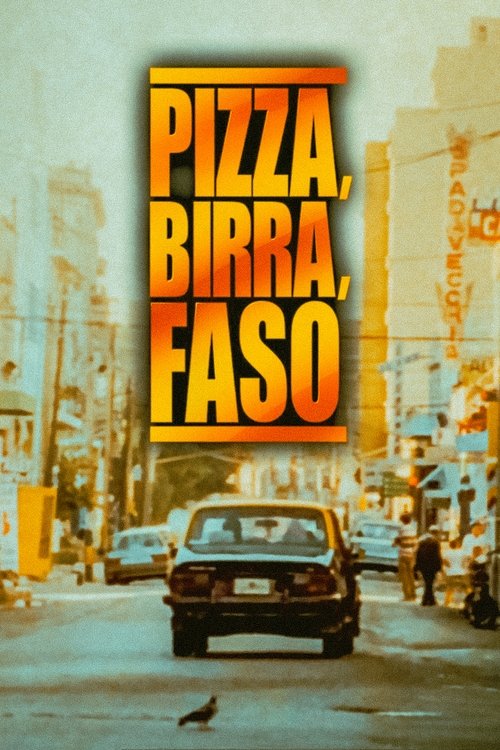
A couple of friends work for a taxi driver to rob his passengers, but they feel like they're getting ripped off. They decide to plan their own robberies, but they are amateurs and things don't go too well. One of the youths, Cordoba, whose girlfriend Sandra is pregnant, just wants to get enough cash so they can leave Argentina and get to Uruguay to start a new life. He and his friends plan one last robbery, but things don't go as planned.
Pizza, Beer, and Cigarettes
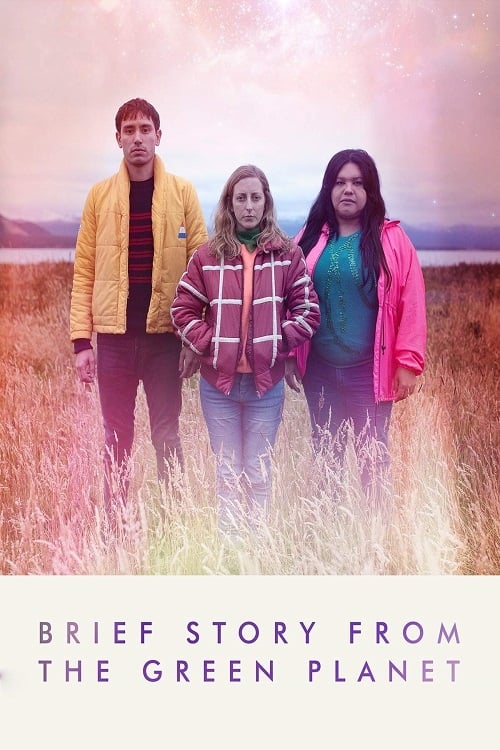
Tania learns that her grandmother spent the last years of her life in the loving company of an alien. Together with two friends, she travels through rural Argentina to bring the creature back to its place of origin.
Brief Story from the Green Planet
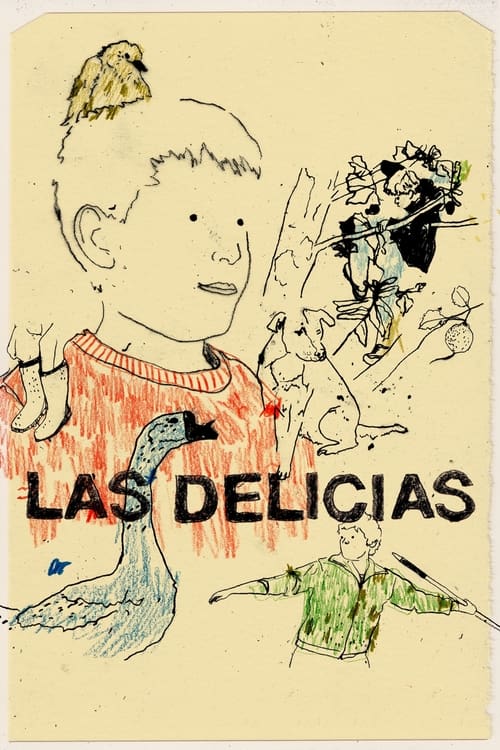
High school students find their way in life at Las Delicias agrotechnical boarding school in the Argentine countryside. This striking coming-of-age film takes place against an inviting backdrop of fields of crops, greenhouses full of tomato plants, and the somewhat dilapidated school buildings, where dogs and chickens roam.
The Delights

Cecilia is too afraid one night to let her housekeeper's son into the house. The next day his dead body is found.
A Common Crime
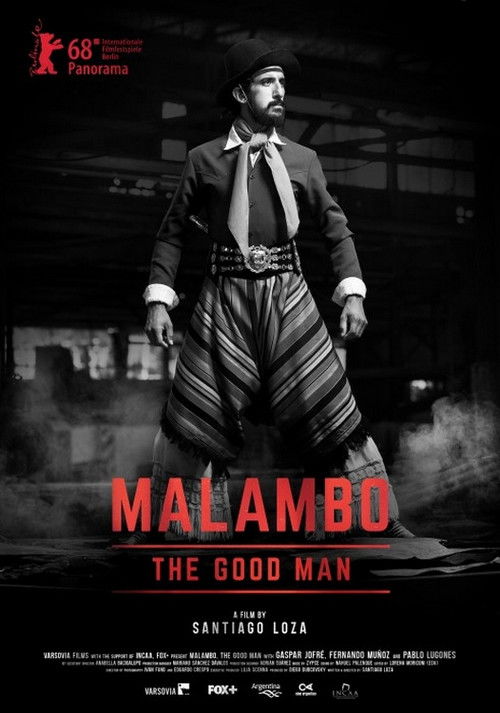
Dignified, strong and formidable, and oozing erotic attraction: young malambo dancer Gaspar is at one with his passion for dance that he has made his profession.
Malambo, The Good Man
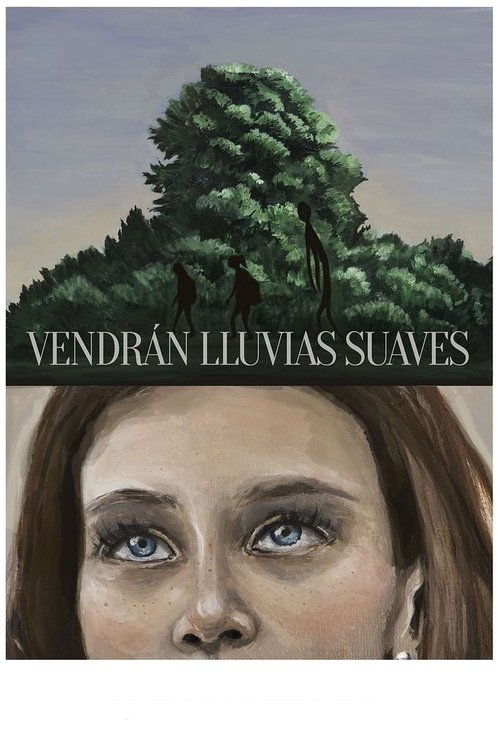
In a working-class neighborhood, in the outskirts of a small town, a group of children is faced with a strange and terrifying incident, which will soon develop into a true epidemic: all adults have turned into “sleepy beings”. The children, petrified yet determined, try hard to keep their spirits high and not give up hope that somehow, someday, their parents will “wake up”.
There Will Come Soft Rains

Three stories inspired by stories by Juan José Saer. A police officer returns to his hometown to investigate a murder; a teacher complains about a horse that has been abandoned. One day, a man is found dead, and there is no trace of the horse, which is the only witness to the murder.
Toublanc
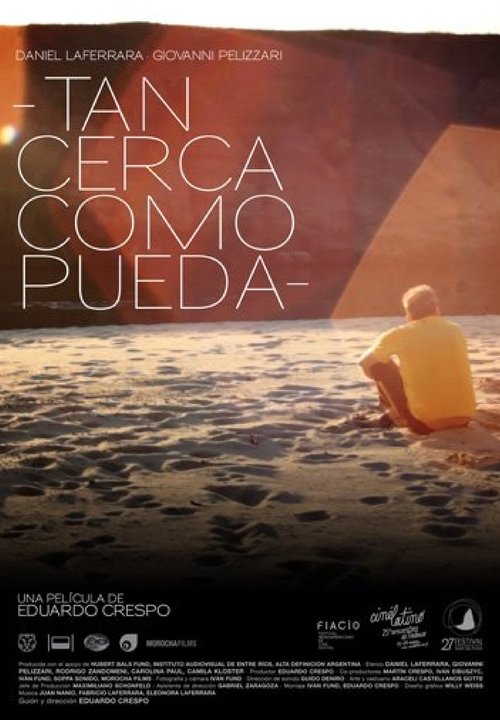
Downtrodden after some missteps in life, Daniel returns home. Work is non-existent, his ex-wife expects financial help he can't give her, and things are looking bleak. Yet as he prepares to become Godfather to his sister's son, who's soon to be baptised, he rediscovers a purpose - for a few days, at least.
As Close as Possible
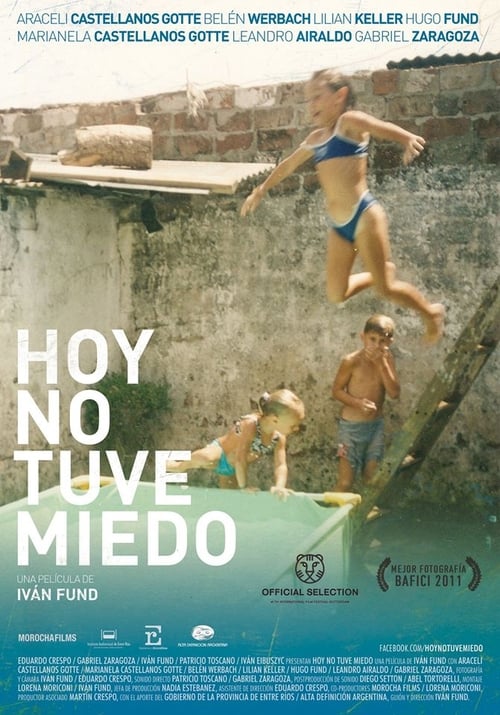
"I was not afraid today" are two films at the same time. The first one portrays two sisters in their daily lives and the second one gets rid of the linear narration in search of a free manipulation of the visual and sound texture.
Hoy no tuve miedo
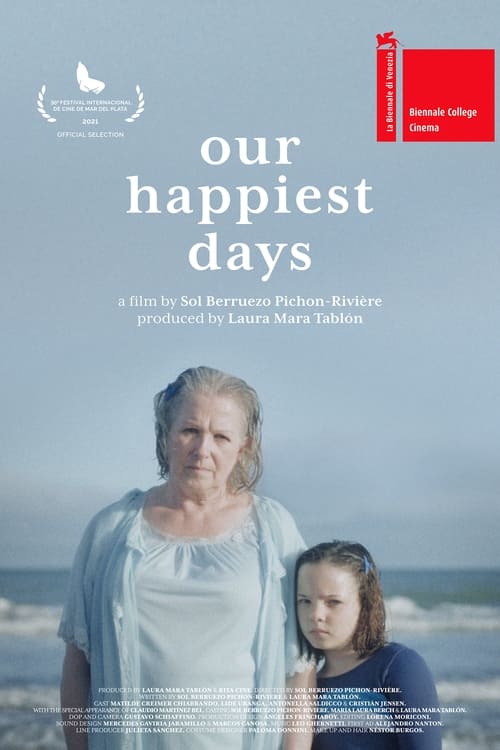
Agatha and Leonidas have a somewhat absorbing mother-child relationship: Agatha never fell in love again, and Leonidas doesn't know what love is. From one day to the next, Agatha wakes up in the body of a seven-year-old girl.
Our Happiest Days
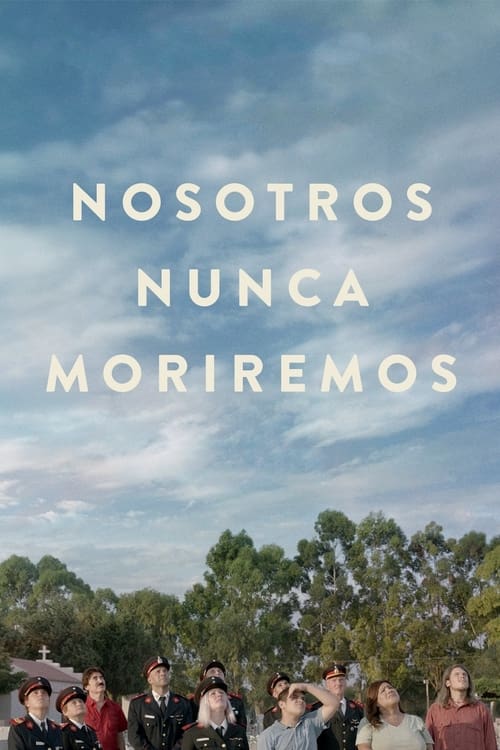
Rodrigo and his mother travel to the town where his older brother just died. In this calm place they will go through the first stages of their mourning. Rodrigo will start to peer on grown-ups grief and, imperceptibly, will begin to leave childhood behind. His mother will try to uncover the mysteries surrounding that death. A story suspended in time, floating between the countryside lost places.
We Will Never Die
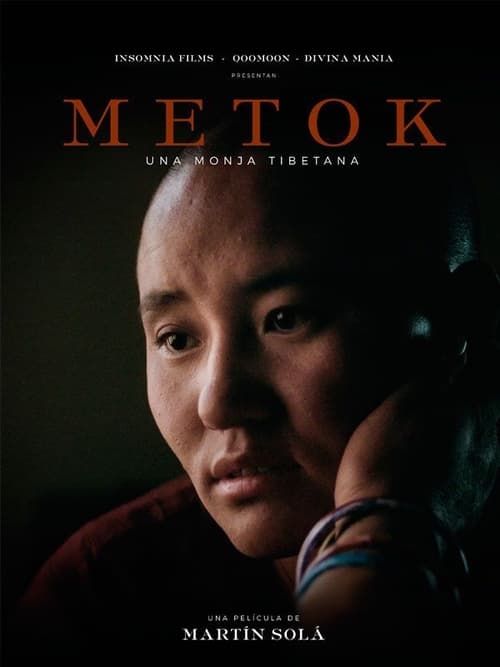
The journey back home has been a recurring narrative ever since humans started to tell stories. Because going back to one’s origins is always related to identity, a dilemma that never ceases to hit close to home
Metok
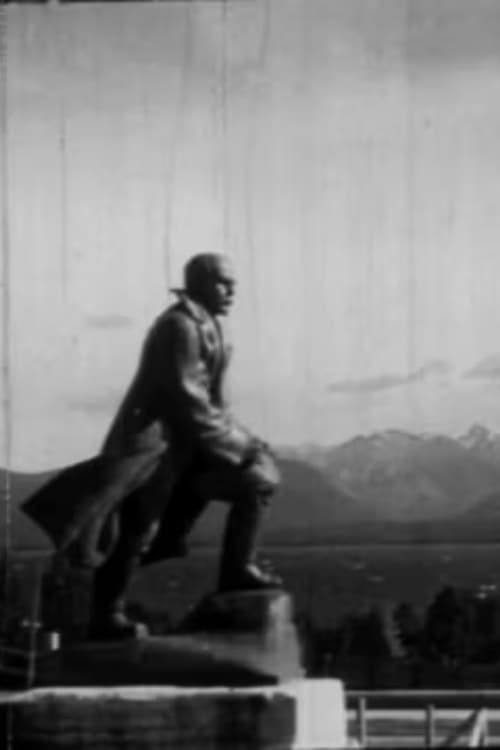
Continuing the series started with Intervened Events (2014), the Buenos Aires Film Museum presents the second feature film made entirely with material from its archives and by fourteen outstanding Argentine filmmakers. These are nine issues of Cine Escuela Argentino, a project created in 1948 by the Argentine Ministry of Education during the first government of Juan Domingo Perón. The latter promoted “the use of the cinematographer as a didactic assistant destined to complete the educational and cultural work, mainly in what concerns exalting the feelings of the nationality, with the heroic example of the heroes, Christian morality and the multiple civil duties, great and small”. Hence, most of the films produced by Cine Escuela Argentino were aimed at scientific dissemination and tourism promotion of the various regions of the country. (Museum of Cinema)
Intervened Archives: Cinema School

COMPANIONS deals with the love between people and dogs. It’s made up of scenes of intimacy—caresses, habits, games, cares, stories of coming and loss, of protection, and uprooting. The stories intertwine and make up a map of love and its enigmas.
Companions
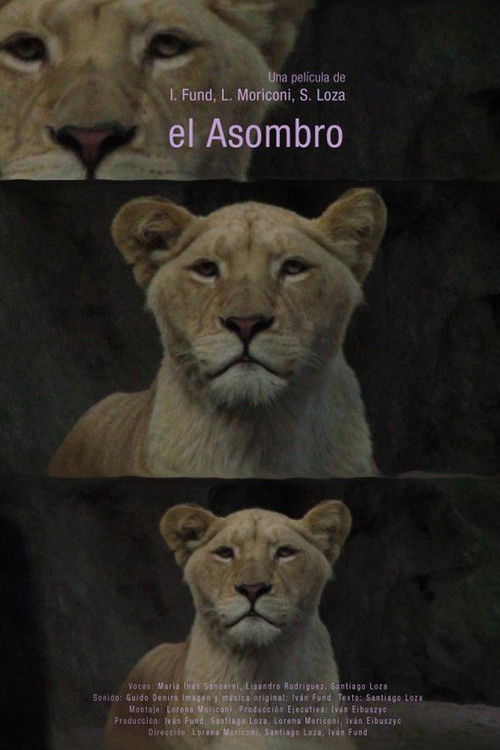
As if it were a continuation of the last 15 minutes of AB, Fund and Loza, now accompanied by Moriconi, radicalize the aesthetic procedure of the previous film made together: on the one hand, there is a free text, between poetic and philosophical, pronounced voiced by two men and a woman; on the other, a set of plans of different ecosystems, live and stuffed animals, clouds, waterfalls and lava, organized by a kind of poetic logic, makes up the visual material. The disjunction between text and image is programmatic, and in parallel they constitute a form of free poetic expression. The precariousness of existence is evidence, and the very composition of the images is in line with this empirical confirmation. The general discourse oscillates between a heterodox Franciscan Christianity and a sensitive Darwinism, and in the same way a kind of awareness of terror and amazement towards the universe is combined.
El asombro

La Paz is the story of Liso, a young man who emerges from a psychiatric institution and tries to re-adapt to daily life in the universe of his middle class family and neighborhood. Though everything seems difficult, under the surface and very subtly things start to change for him.
La Paz
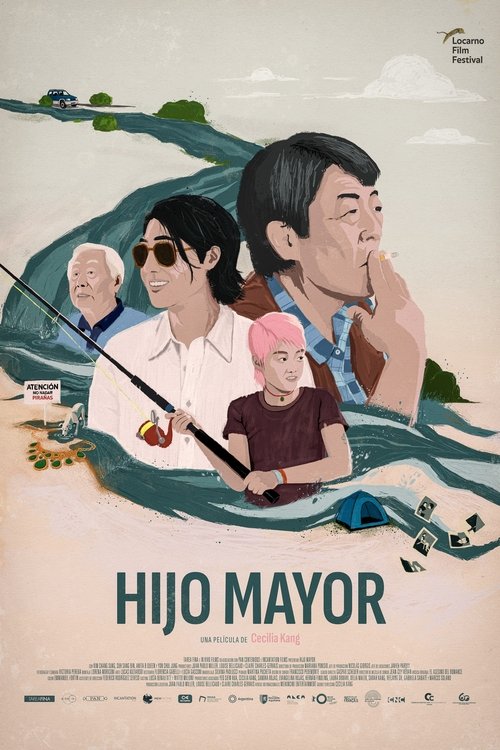
Lila, a young Korean-Argentinean girl, navigates the contradictions of her identity and tries to find her place in the world. Her father, Antonio, arrives in Latin America 18 years earlier, and decides to bet everything on the promise of a young immigrant's dream.
Elder Son
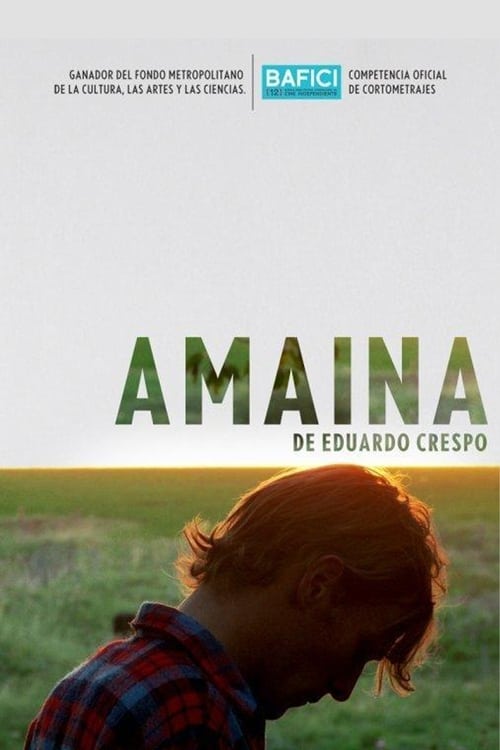
Two brothers await with their dying mother the precise moment that the rain gives them a break. The harvest has had its time to ripen and has begun to weaken. They would make a decision: stay there to take care of her or go out to do the job before the water destroys the crop.
Amaina

After years of delay, a long-planned journey finally begins. The filmmaker imposes a quiet rule: only one shot per day. This self-imposed rhythm becomes a daily ritual of observation, recording, and reflection. What emerges is a filmed diary—a chronicle of wonder that maps both external landscapes and internal states. Each image carries a lingering question: what does it mean to continue making films? Through unfamiliar territories, filmmaking transcends documentation to become an act of presence and an attempt to rediscover meaning. The result is a meditation on cinema itself—its persistence, solitude, and transformative power over the everyday.