Štěpán Lucký
Sound
Known For
Jan Zika is the legendary hero of the communist resistance movement during World War II and leading functionary of the second underground Central Committee of the Communist Party of Czechoslovakia.
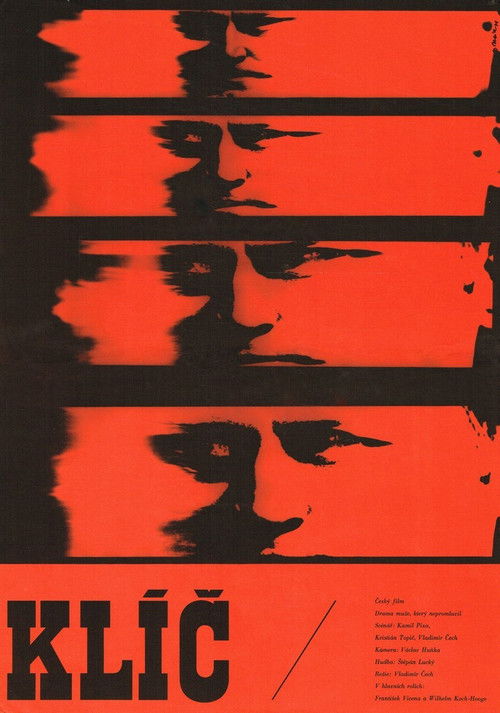
The Key
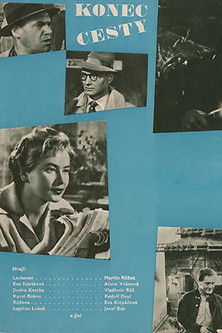
Josef Lachman, once a security officer, serves twelve years for aiding an SS fugitive’s escape. Upon release, he works as a driver on a dam project, hunting buried English pounds Meyer told him about. With miner Rokos’s help, he retrieves the cash and hides it with his daughter Eva, but she spends some at Tuzex, Rokos blackmails him, and they discover the notes are WWII forgeries.
Konec cesty
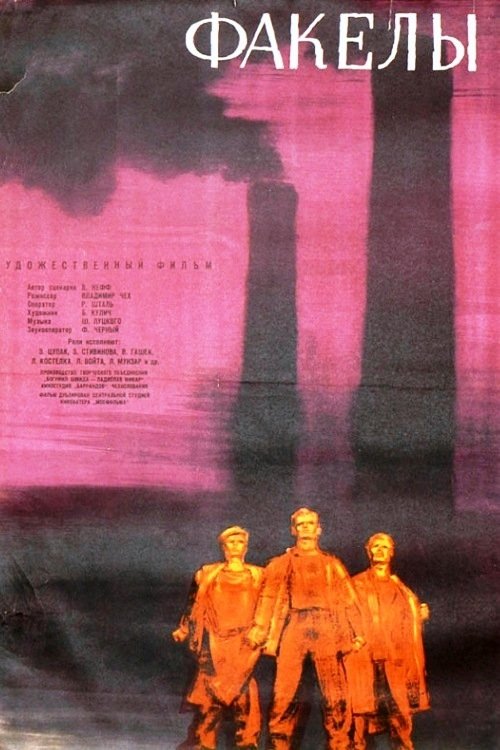
Prague in the 1870s. Work in Smolík's sulphur factory is hard and dangerous to health. The poorly paid workers resemble torches because their clothes are soaked with poisonous phosphorus. Young Josef Rezler also works in the sulphur factory and uses his earnings to feed his mother and little sisters. He throws his perpetually drunken father out of the house. The older worker Brož forces Josef to learn to read and write. A cholera epidemic breaks out in Prague and Josef is the only one of his family to survive the disease...
Pochodně
A film about life in the Czech borderlands after the expulsion of the Sudeten Germans.
It’s Not Always Cloudy

An anthology of three absurd, ironic tales inspired by Čapek’s “Tales from One Pocket” and “Fables and Side Stories,” each showing uncanny forces disrupting ordinary lives: in Krejčík’s “Glorie,” a gentle clerk is haunted by a sudden halo; the other two segments by Mach and Makovec similarly blend everyday routines with ironic, supernatural twists.
Of Things Supernatural
A simple print worker selflessly cares for his sick mother. He spends all his free time with her and the only hobby he indulges in from time to time is model railways. But the arrival of a beautiful girl changes everything. The hero suddenly falls into a love infatuation, not knowing how to cope with the conflict of his unrecognised feelings and his concern for his mother...
Klec pro dva
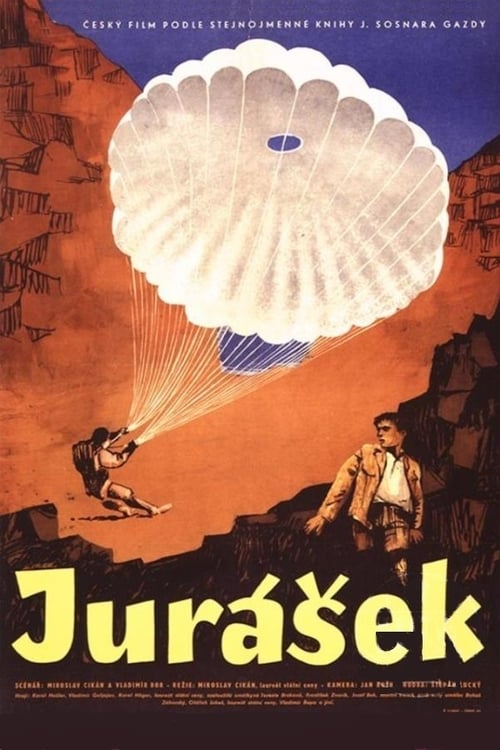
The Czech feature film, based on the book of the same name by J. Sosnar-Gazda, focuses on teenagers. The hero of the film is a boy named Jurášek from the Moravian Slovácko region, who helped the partisans during the war. He confirmed that his father was with the partisans and went to the forest at night to follow him when the partisans were expecting the Soviet paratroopers to jump. Jurášek finds a paratrooper who had been blown aside by the wind and finds a suitable shelter for him where he could heal his injured leg. Jurášek continues to help the partisans a lot. He informs them about the upcoming raid in the village and thus saves the Soviet paratrooper from being captured. When he then accompanies the paratrooper into the forest to a place from where he could safely broadcast, and when he says goodbye to him, he gets into a firefight with the Germans together with him and his bravery stands up well in it.
Jurášek
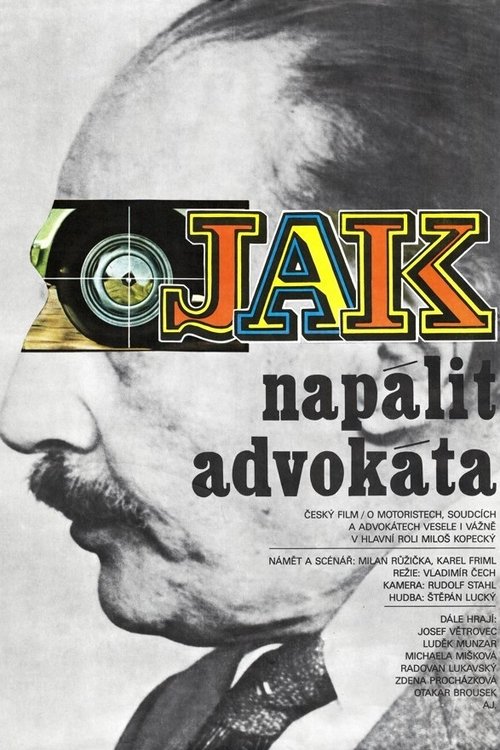
Attorney Horic is a specialist for cases connected with motoring. He approaches to his work unconventionally, he does not hesitate to search for evidence right in the terrain and he is willing to take various risks.
How to Dupe a Lawyer
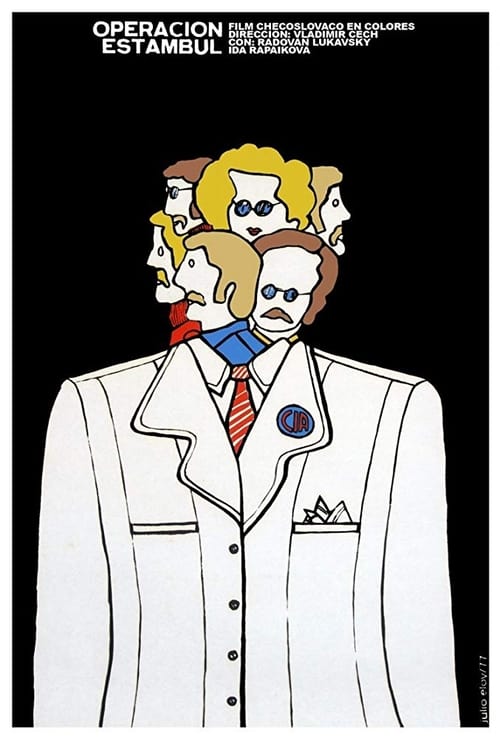
A communist agent, who has successfully caught on with the stupidly gullible American secret services, does not have it easy - he is threatened with exposal, but he still rescues a Czech scientist whom the evil imperialists wanted to kidnap. It was supposed to be a psychological portrait of an intelligence officer under intense stress, yet convinced of his truth...
Akce v Istanbulu
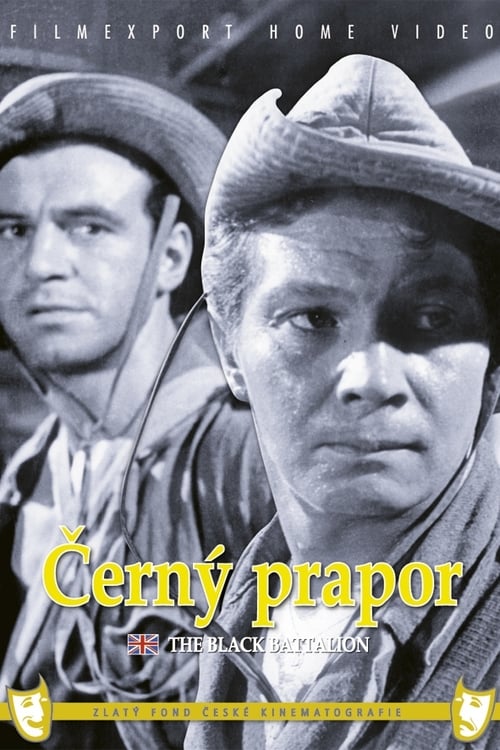
A fictionalized account of Czech soldiers who fought for the French Foreign Legion in Vietnam.
The Black Battalion
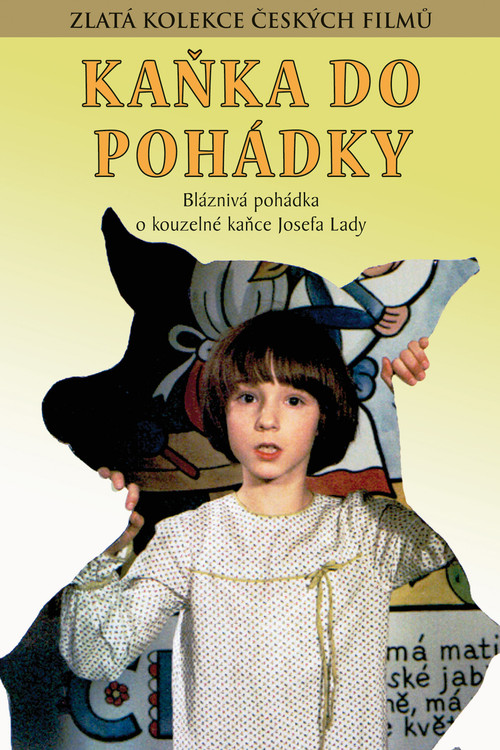
Little Vendulka receives a birthday gift of a seemingly innocuous children's book. Little she knows that the book is actually a portal into the surreal world of nursery rhymes and Josef Lada's paintings.
Blob to the Fairytale
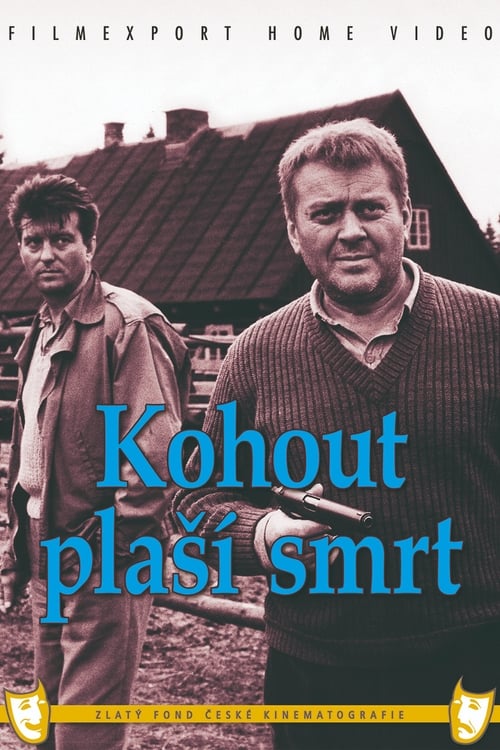
A group of saboteurs search for a weapons cache hidden by the Nazi army. Beskydy in the summer of 1950: the StB agent Borek infiltrates a group of saboteurs hidden in the Beskydy mountains. They are preparing terrorist actions against the ongoing collectivisation in the village. The group is led by Ervín Kopal and Metud Hanák. Borek is to make contact with them, secure the saboteurs and discover a weapons depot. After many dramatic events, the task is accomplished, but at the highest cost...
Kohout plaší smrt
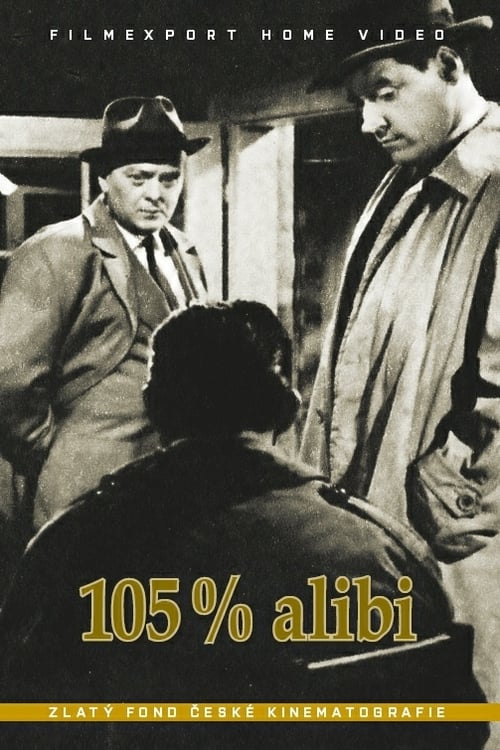
On an early Sunday evening, people of the small town are reading lottery results that are hung on a board. Young man Karel Antos is annoyed that his lottery-ticket missed the main prize, a car, by only one number. Karel is going to the pub to drink away his bad luck with his friend Jirka Broz. The old accountant auditor Zelinka drops a wallet. Karel picks it up and before he gives it back he notices the winning lottery-ticket in it. Both young men accompany the old drunk man. Karel steals the ticket and exchanges it with his own. Next day, Zelinka is found dead. Investigators, Captain Tuma and the Lieutenant Líbal, soon discover that this is a murder case covered up as an accident.
A 105 p.c. Alibi
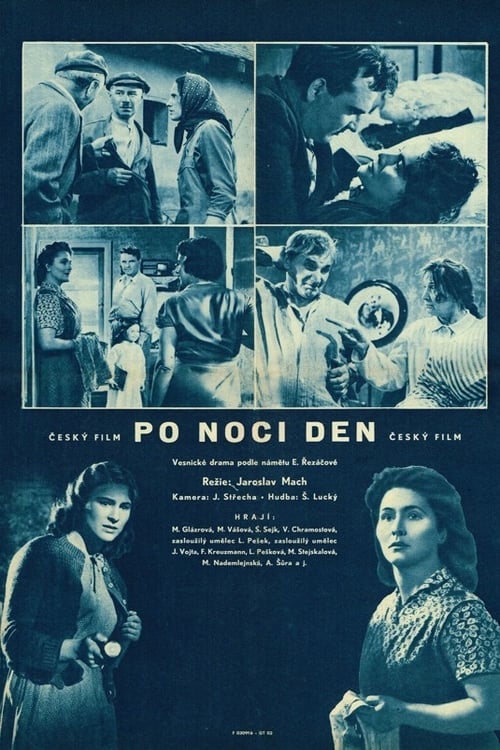
A Czech art film set in a modern village. The main character of the film is Karla Tolarová, a worker from a Prague printing house, who arrives for a harvest shift at a unified agricultural cooperative in Běšíčice at a critical time for the cooperative. The grain in the fields is ripe, the machine-tractor station does not have the necessary machines for the cooperative, the cooperative members do not trust each other, they lose interest in working together.
Po noci den
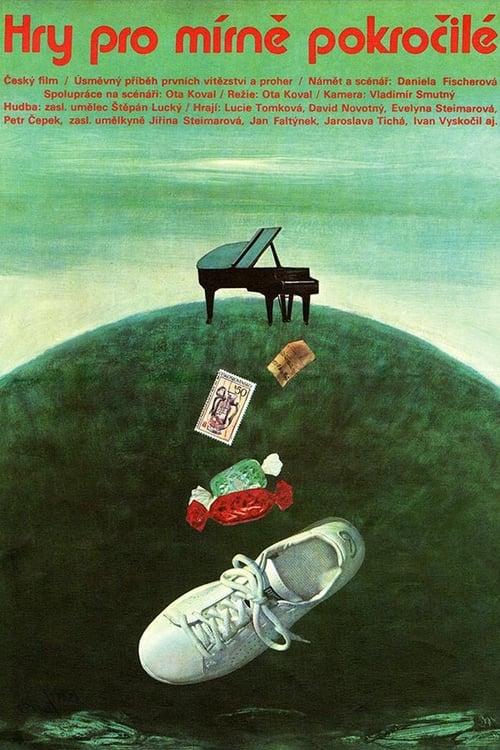
Films for children gradually fell into the grip of expressive and content sterility, succumbing to exhortative, educational tendencies. This is also the case in the story of a 14-year-old girl who has been accepted to the conservatory, but a sudden accident, a broken arm, makes her rethink her priorities - she learns that it is possible to engage in other activities than the tedious practice of piano etudes.
Etudes for Piano Students
A significant event in the life of the Ostrava assemblers. Private matters take a backseat as preparations are being made to fit the high-rise chimney with an extension for burning kycht gases. The challenging installation is to be carried out by helicopter and the first attempts have not been successful...
Rychlík do Ostravy
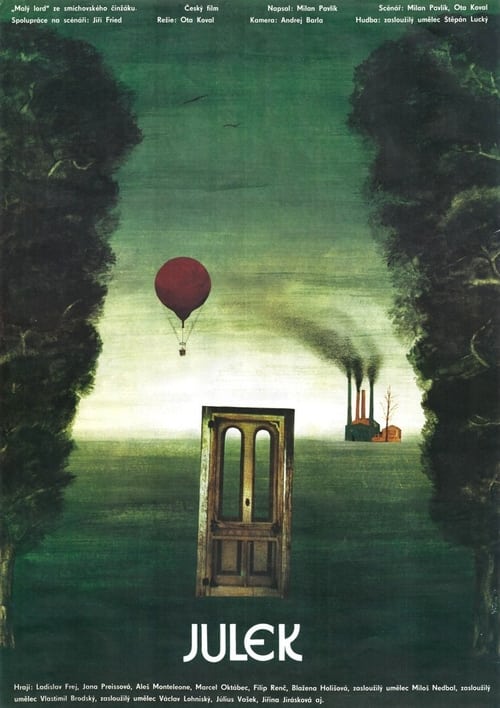
The future communist journalist Julius Fučík had a stimulating childhood and youth in a working-class environment, when his moral maturity was already showing. The authors of the film recall that the young Julek was a star of the suburban operetta scene, and in three episodes they depict him both in his early childhood and already at the gymnasium, when the outbreak of the World War shaped his determination.
Julek
The film responds to the housing shortage that young couples in particular have had to deal with. This problem is also addressed by the couple Slávka and Olda. The girl gets a sublet on Hradčanské náměstí, in the large flat of the widowed pensioner Benda. Benda lived almost his whole life there, and is bound to the apartment by a thousand memories and feelings. The strange and sickly old man has to overcome his crankiness and distrust of people before he fully accepts his lodger and her husband "as his own"...
První a poslední
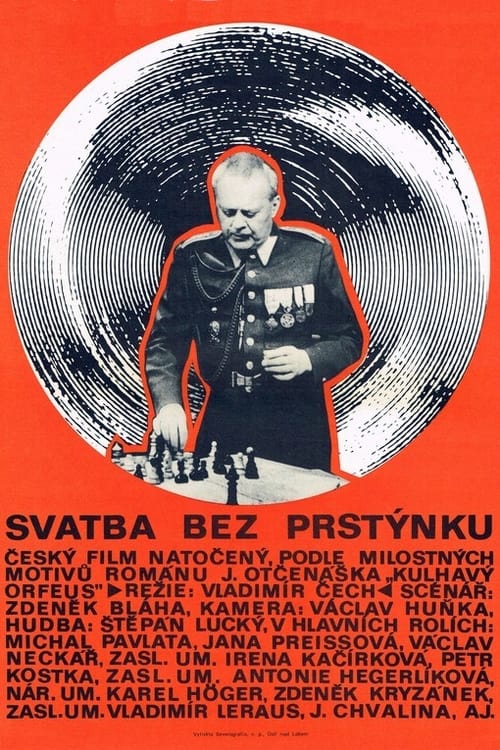
At the end of the occupation, Vojta, a young worker, marries the daughter of a rich builder to protect her from being deployed to the German Reich. Vojta agrees because he secretly loves Alena. But when the newlywed's family learns that Vojta is suspected of anti-German actions in the foundry, the marriage is over...
Svatba bez prstýnku
This satirical micro-comedy condemns the petty bourgeois mentality, especially bragging. The ridiculous protagonists are two elderly neighbours who are constantly exaggerating the wealth and status of their now grown-up children, who have to submit to their whims - for example, they have to borrow a car to look quite affluent...