Acting
No description available.
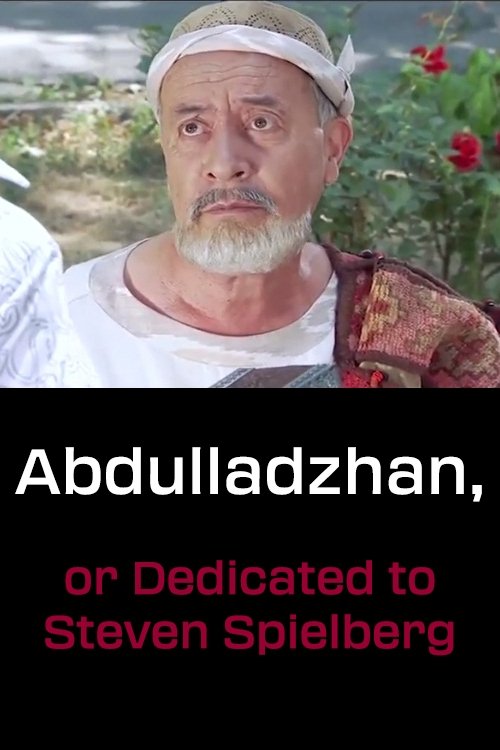
Considering that Musakov’s Abdulladzhan (1991) was dedicated to Steven Spielberg, we might suggest that these four boys embody nothing more complicated than a conflict of youthful innocence with some ominous threat—the basic workings of E.T. (1982) or War of the Worlds (2005), say. That threat, however, is best understood not through vague nationalism or warmed-over socialism, but through the other reference-point of Abdulladzhan—Tarkovskii’s Stalker (1980). Musakov leaves his boys in a simplified radiance so bright and so overexposed that it no longer looks like the skies of sunny Tashkent, but a disturbing, borderless luminosity to match the flat tonal range of Stalker’s “Zone.” Our Uzbek boys are nowhere in particular; this is a broader domain than anything international.
Alisher and his wife Zarina get into a car accident. His wife falls into a clinical coma. After his own death, Alisher finds himself in a parallel world. Fate gives him a chance to save his wife by changing the course of events.
In some kingdom was inhabited by seven Genie. Six are evil and one is good. Good Genie, despite the machinations of evil, helped the potter Nabi cheat khan to give water to irrigate the land of the poor.
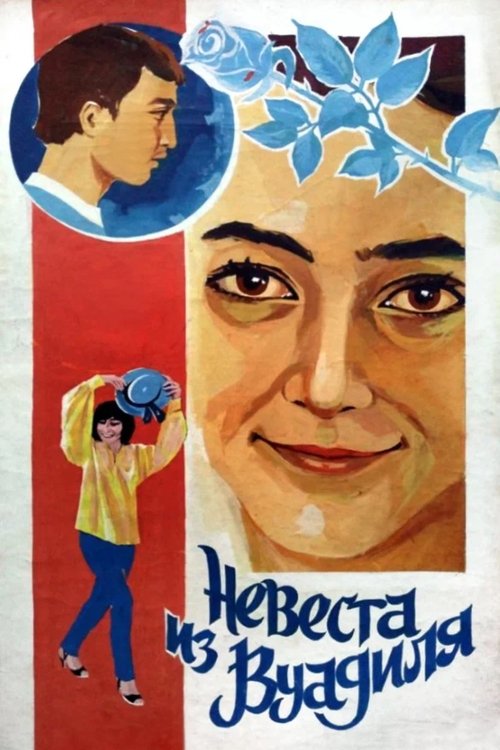
A romance by Ali Khamraev with musical numbers interspersed
Hashim, together with his friends Arif and Zakir, embarks on funny adventures, plays pranks again and commits a lot of stupid things.
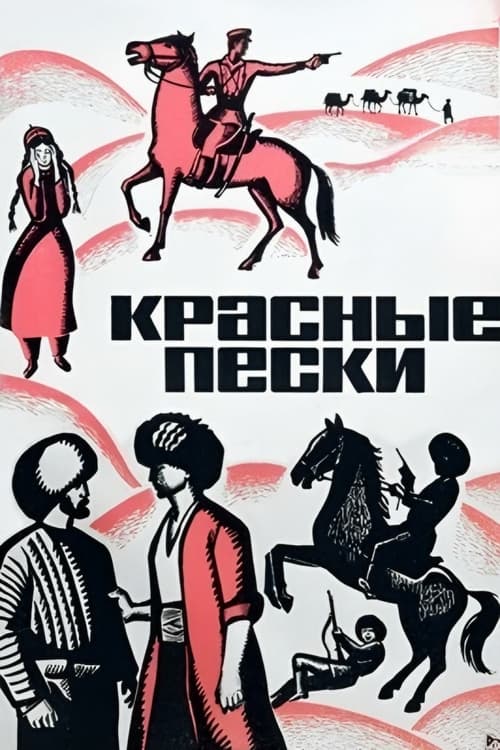
The red commander Mirsharapov was sent to fight the Basmachi gang in Khiva. After the fighting, Junaidkhan's gangs are defeated.
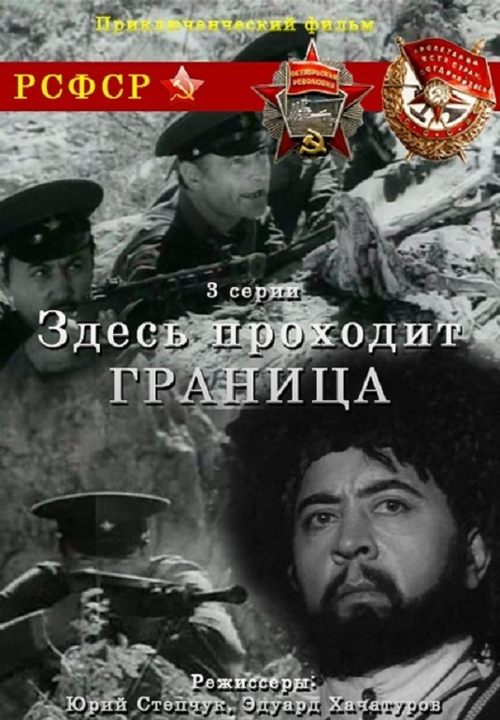
Umar Sanginov's father was once forcibly removed from the country. Having been born on a different land, the grown-up son decided to return to his homeland. While completing the task of foreign intelligence, the hero voluntarily surrenders to the border guards, helps to expose the resident and prevent the explosion of the hydroelectric power station.
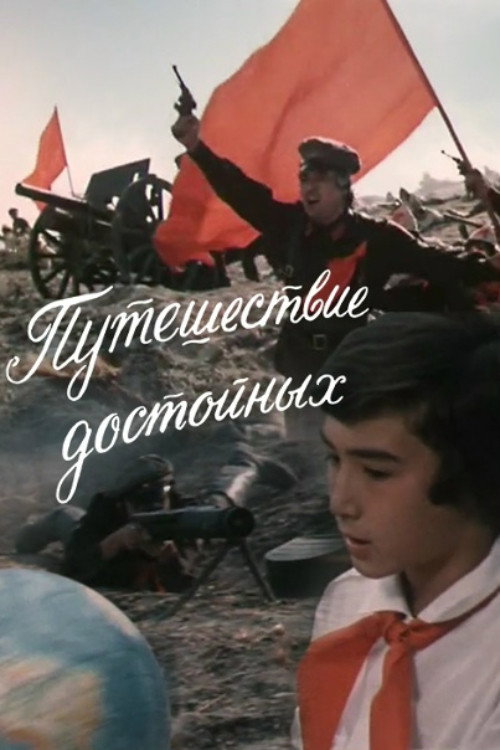
From Tashkent to Bukhara go on excursion in the holidays of the pioneers, selected from the best, but for two pioneers Shahir and Vitka this trip is primarily an opportunity to find the treasures of the last Emir of Bukhara, who hid them when the troops of the Red Army approached the city, and the Emir realized that he could not hold Bukhara. In Bukhara our friends are already waiting for their accomplices, the same pioneers Anvar and Gulka, who have a map of the alleged place of the hidden treasures. Upon arriving in Bukhara, the four treasure hunters begin their search for the treasure, finding themselves in funny and absurd situations.
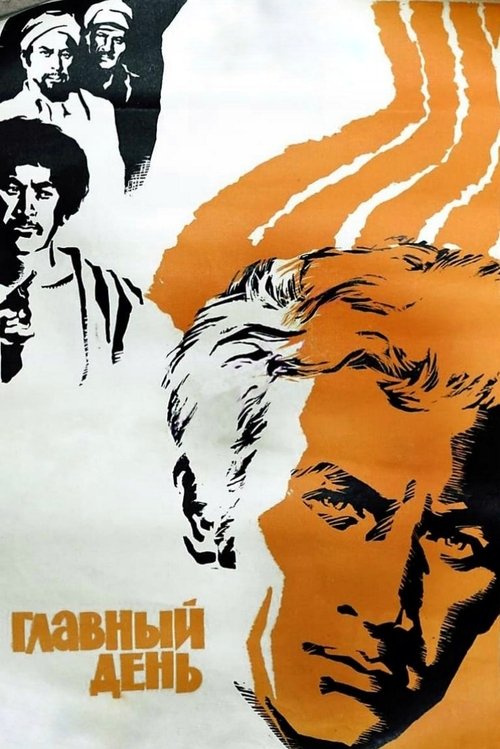
A Bolshevik army officer and Uzbek who has been nursed back to health by a young Uzbek woman to whom he is now married, gains responsibility for the local village in 1929. He is urged by comrades in Tashkent to have the local women drop their chadors and veils but he is also told that he should not force this on anyone. His wife declines to take off her veil, so a 14 year old girl steps forward to set the example, over the objections of the local Muslim clergy and most of the village men. After the girl is killed, and the commissar is shot, his wife takes him to the hills to nurse him back to health once again. She begs her husband to leave the village. Instead when he decides to return, she is pressured by her father to continue to wear the veil.
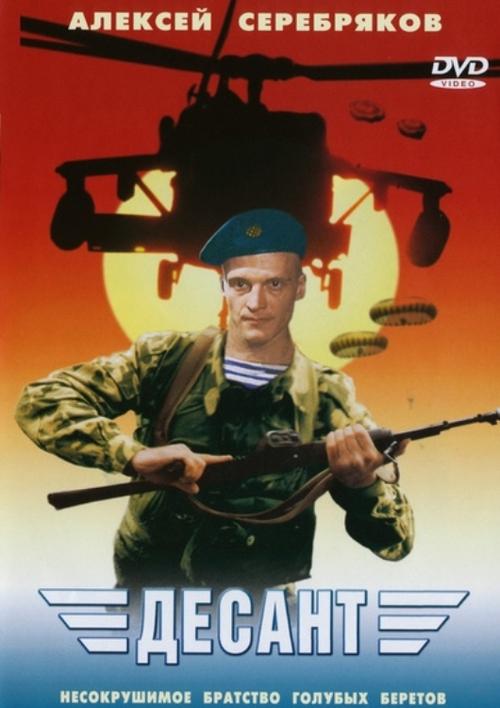
Young guys from different social strata, some of whom have a criminal past, are called up to the airborne troops. Sergeant Alexey Burov (Alexey Serebryakov) was appointed commander of a platoon of recruits. It is he who instills in inexperienced "sons" the skills of hand-to-hand combat, mutual assistance and army savvy in the ongoing exercises. And now the day of baptism of fire has come. A unit of paratroopers receives an order to help border guards neutralize a large gang of drug traffickers trying to illegally cross the border...
A film about the friendship between the workers of the Uzbek collective farm 'Leningrad' and the city of Lenin. This friendship has grown stronger and developed over more than four decades. The film takes us back to the distant and difficult 1920s, when the farmers of Fergana sent a wagon of fruits to the workers of the Putilov factory. In return, the workers gifted the collective farm two tractors and sent their representatives to help set up the new machinery.
About the struggle of Uzbek women against the reactionary clergy in the 1920s.