FEEL IT.STREAM
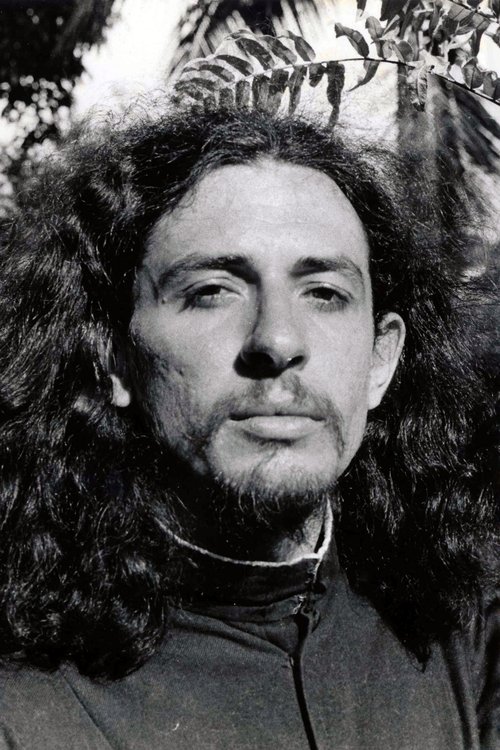
Torquato Neto

Torquato Neto

Acting

Known For

The Turning Wind
6.9

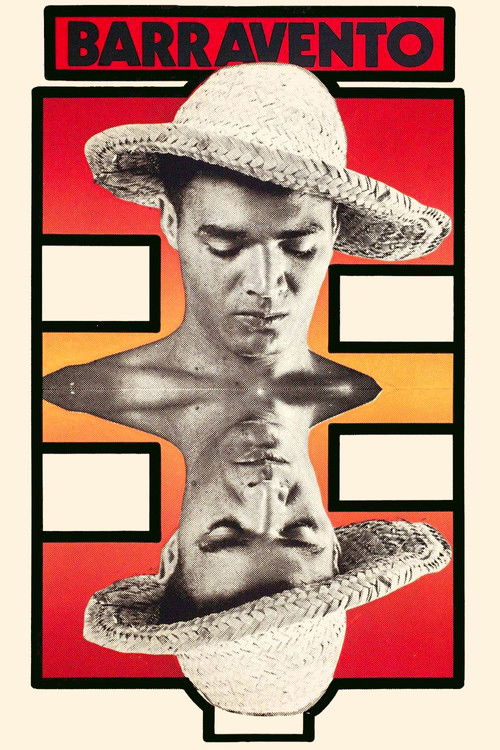
In Bahia, an educated black man returns to his home fishing village to try and free people from mysticism, in particular the Candomblé religion, which he considers a factor of political and social oppression, with tragic outcome.

The Turning Wind

1962
Torquato, Imagem da Incompletude
N/A

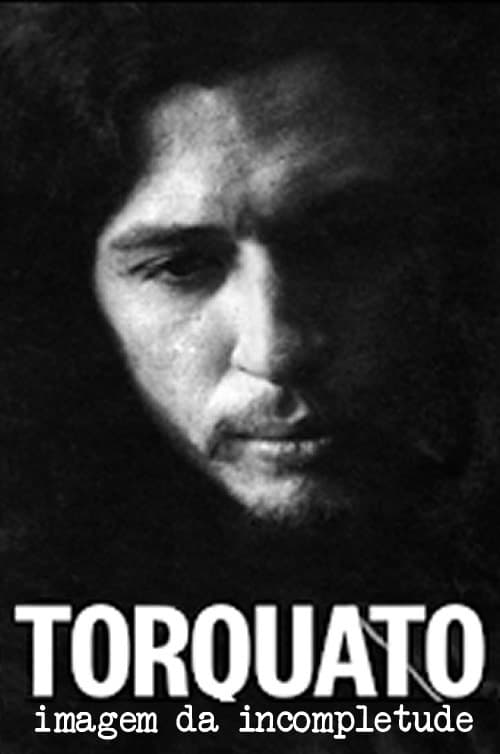
A reflection on the works and thinking of the last years of production by Torquato. Such as the magazine "Navilouca", the film "Terror da Vermelha", the column "Geleia Geral" and the controversial Cinema Novo X Marginal, among other passages important aspects of Brazilian culture in the 60s and 70s.

Torquato, Imagem da Incompletude

2020
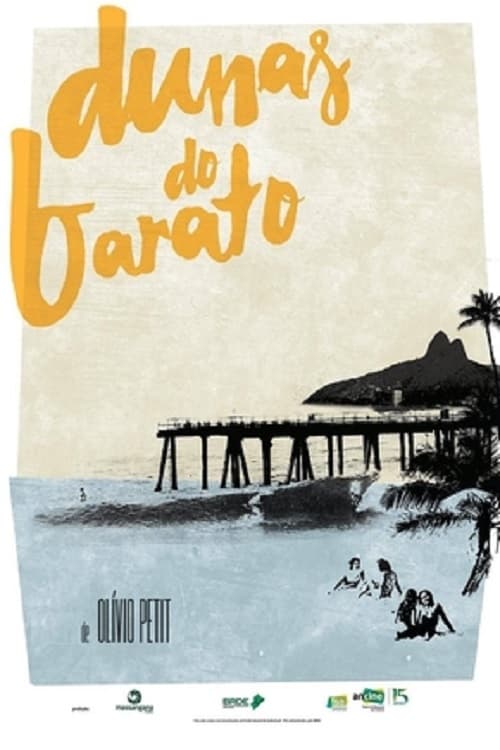
Dunas do Barato
5.5

A rescue of the history of Ipanema beach in the 1970s, when the construction of a pier changed the landscape and created fertile soil for a generation of artists and sportsmen.

Dunas do Barato

2017
Luiz Melodia - Within the Heart of Brazil
8.5

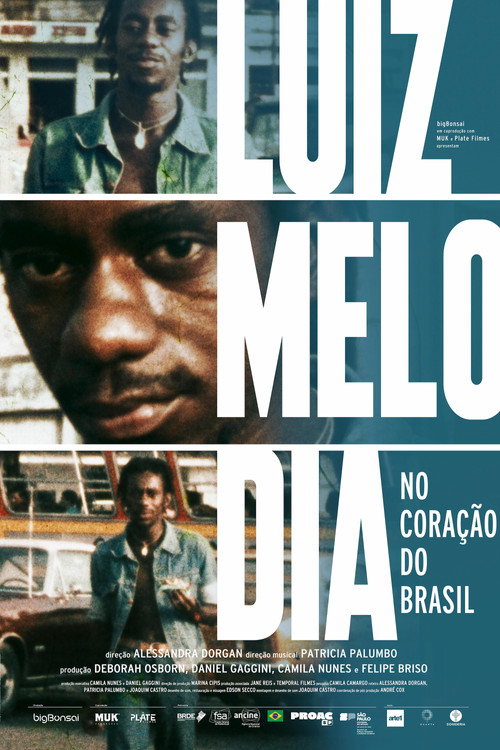
A sound and visual journey that portrays the life and work of singer and composer Luiz Melodia. The Poet of Estácio himself tells us, in the first person, his trajectory as a black boy born on the hill until his transformation into one of the greatest artists in the history of MPB. The film also features an unpublished collection made available by Jane Reis, his wife and businesswoman.

Luiz Melodia - Within the Heart of Brazil

2025
Nosferato in Brazil
4.0

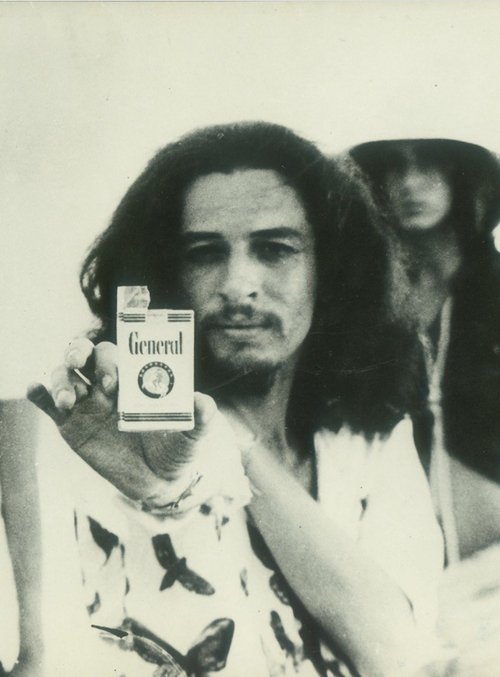
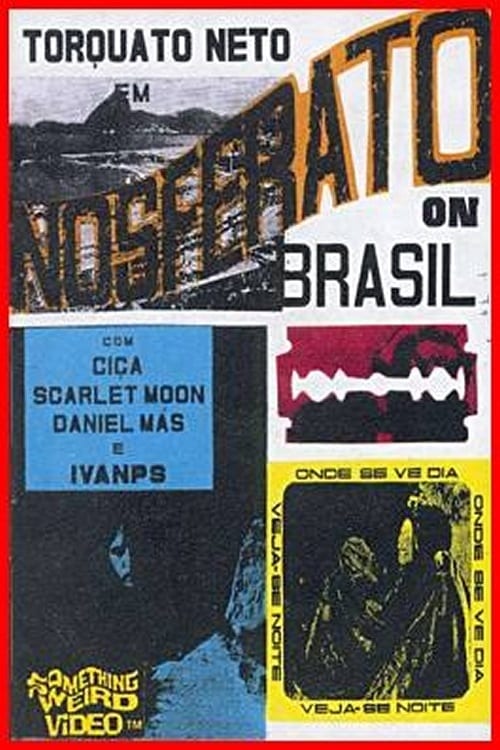
Budapest, 19th century: Nosferatu is killed by a prince. Now in colour and on holiday in Brazil, he saps several natives.

Nosferato in Brazil

1970
Torquato Neto - Every Hour of the End
8.0

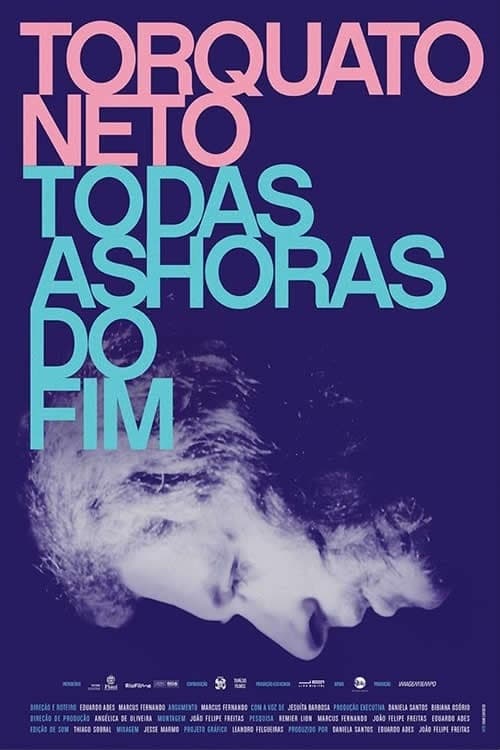
The story of Brazilian poet Torquato Neto, who lived passionately through fracturous times and worked in several fields, including music, journalism, and cinema. He was an active participant in the revolution of Tropicália and marginal art, which changed the course of Brazilian culture in the 1960s and 1970s, until he committed suicide on his 28th birthday.

Torquato Neto - Every Hour of the End

2017
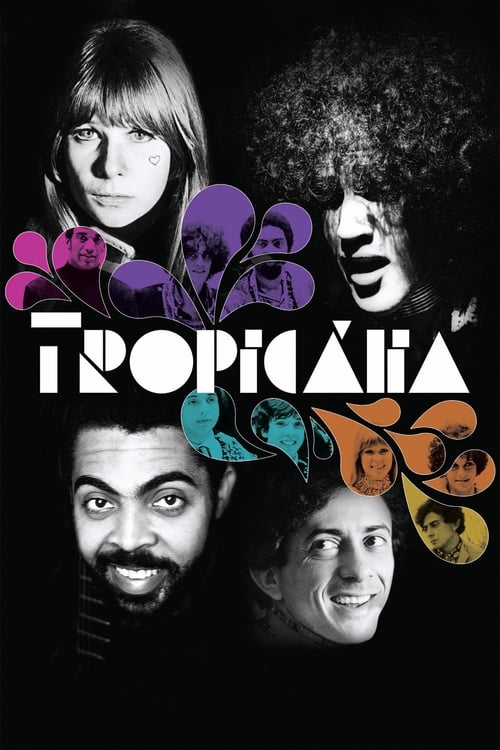
Tropicália
7.1

Set against the turbulent atmosphere of the 1960s, Tropicália is a feature length documentary exploring the Brazilian artistic movement known as Tropicália, and the struggle its artists endured to protect their right to freely express revolutionary thought against the traditional Brazilian music of that time.

Tropicália

2012
Torquato Neto, O Anjo Torto da Tropicália
N/A

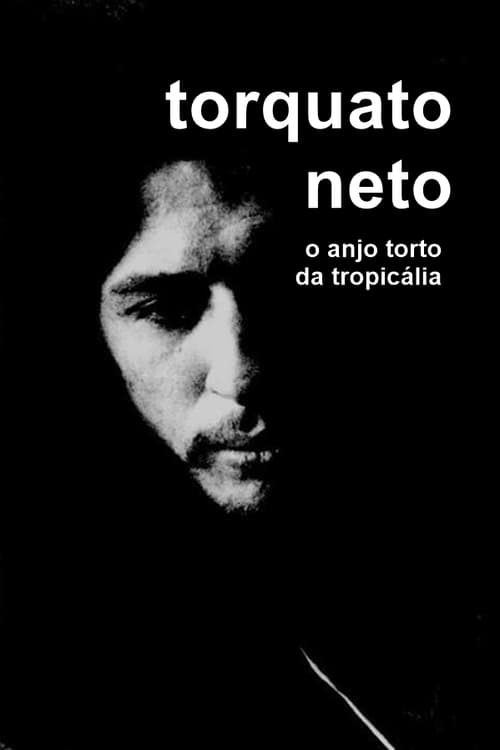
A documentary chronicling the life and works of Brazilian poet, songwriter, journalist and avant-garde filmmaker Torquato Neto, from his beginnings to his suicide at the age of 28.

Torquato Neto, O Anjo Torto da Tropicália

1992
A Marca do Terrir
4.3

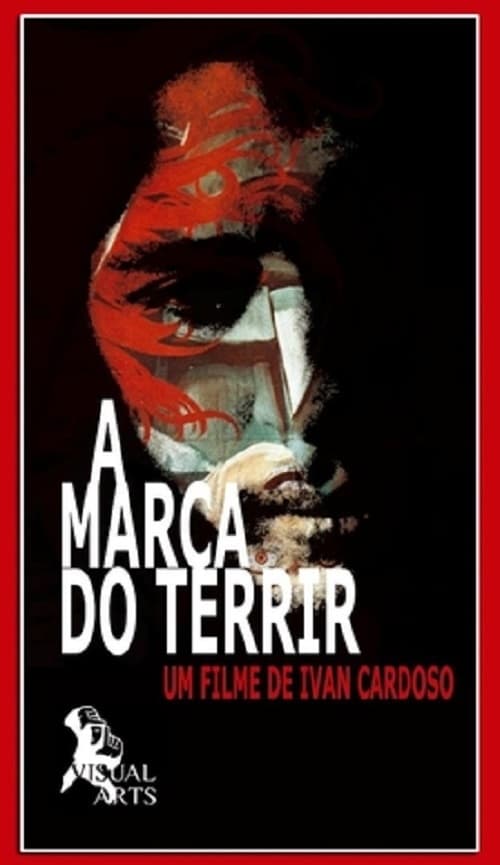
Compilation of early Ivan Cardoso's films in Super 8, including "Nosferato no Brasil (Nosferato in Brazil)"

A Marca do Terrir

2005
Go Back
N/A

In 1988, Brazilian rock band TitĂŁs recorded "Go Back", a song with lyrics written by the late poet and songwriter Torquato Neto. A music video was made by Ivan Cardoso from scenes of his 1970 film "Nosferatu no Brasil", starred by Torquato.

Go Back

2013
O Terror da Vermelha
4.0

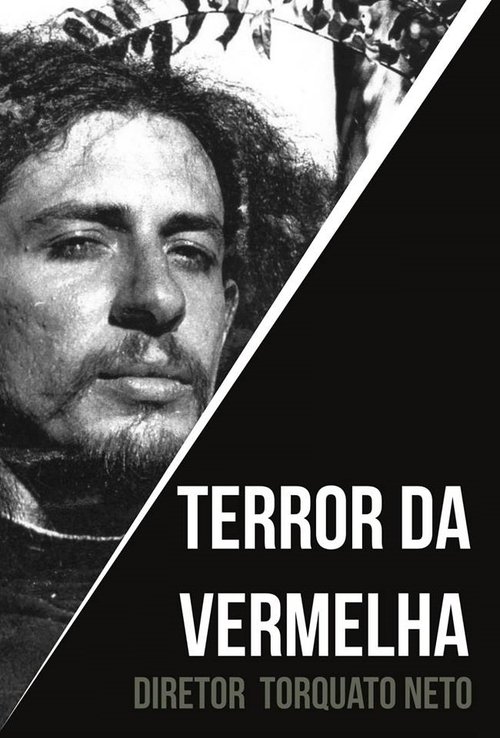
Brazilian poet Torquato Neto's only incursion on filmmaking, "Terror da Vermelha" is an avan-garte horror film shot with a Super 8 camera at Teresina, PiauĂ­.

O Terror da Vermelha

1972
Gal Fa-Tal
6.0

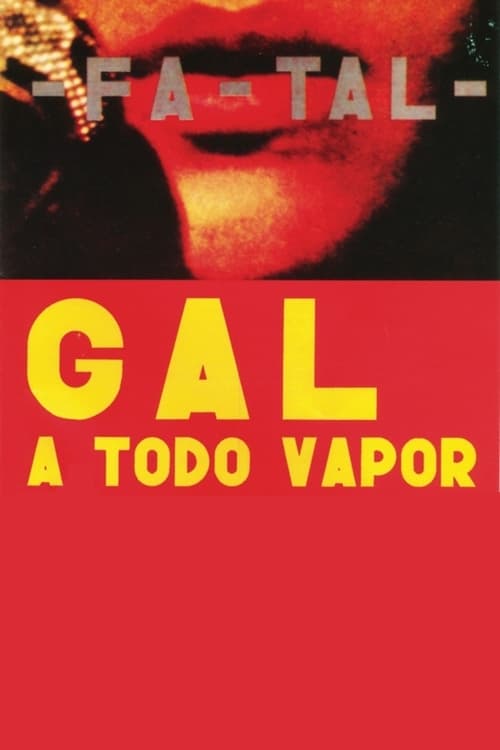
Shot in 1971 during Gal Costa's famous concert "Gal Fa-tal" in Rio de Janeiro's Sucata Nightclub, Ivan Cardoso's eponymous Super-8 short film shows the singer both in and off stage, interlapsed with scenes from Cardoso's "Nosferato no Brasil".

Gal Fa-Tal

1971
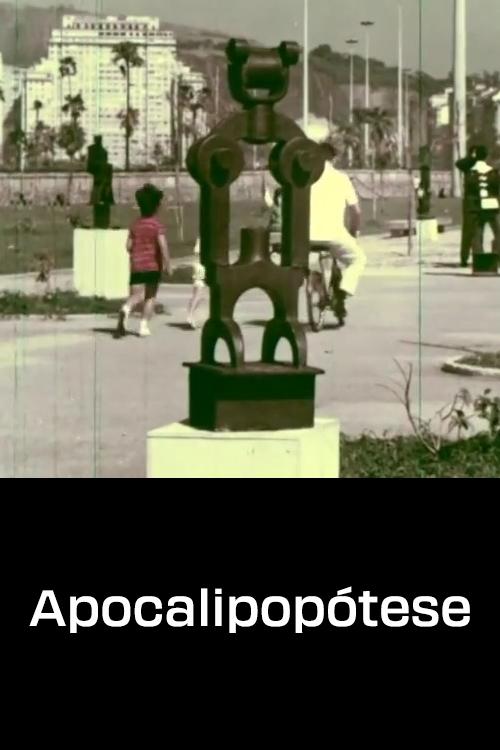
ApocalipopĂłtese
N/A

Apocalipopótese documents a public art happening organized by Rogério Duarte with Hélio Oiticica and Lygia Pape. Duarte coined the event’s title by fusing the words apotheosis, hypothesis, and apocalypse, in order to describe a series of artistic actions that distanced themselves from artistic institutions to approach the streets as the main stage. Apocalipopótese shows a search for the margins as creative methodology.

ApocalipopĂłtese

1969
HelĂ´ e Dirce
N/A

On the street, two boys meet. The film moves towards homoerotic suggestions of delicacy and violence. Accompanied by the fast camera, the performances of Torquato Neto and ZĂ© PortuguĂŞs dialogue with the soundtrack, composed of songs sung by Luiz Melodia, such as Negro Gato. Graphic elements and posters make up the narrative.

HelĂ´ e Dirce

1972
No image
N/A

Unfinished and lost film, which would originate the Cycle of Marginal Cinema of Teresina in PiauĂ­, starringbyClaudete Maria and Torquato Neto,hewas shot using a Super-8 camcorder.

Adam and Eve from Paradise to Consumerism

1972