
João Silvério Trevisan
Directing
Biography
João Silvério Trevisan (Ribeirão Bonito, June 23, 1944) is a fiction writer and essayist, screenwriter and film director, playwright, coordinator of literary workshops, journalist, translator, and advocate for the Brazilian LGBTQIA+ community.
Known For

No description available.
Bem Juntinhos
A short film produced between September and October of 1969, during the course of the Brazilian military dictatorship. It's authorship remained anonymous for a long time and the precariousness of the production was due because of its clandestinity. The film is a collage of images of popular repression, ruling power violence and its people resistance around the world.
Contestação
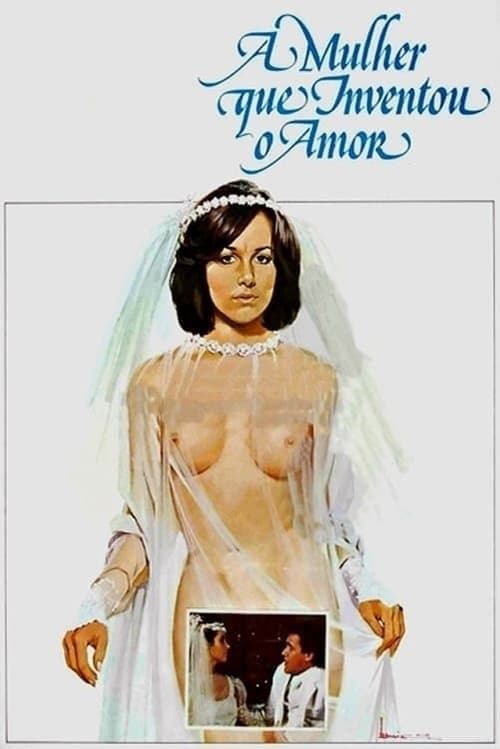
Doralice is a simple minded woman romantically fascinated by marriage. However, when she is raped by a butcher, a friend advises her to become a prostitute - and she does it. After that, all her wishes and longings will curl up into a fascinating vortex.
The Woman Who Invented Love

This documentary reveals the man behind the icon Cazuza: the poet who transformed his life into art and his death into resistance. It delves into the intense journey of the young man who sang of love, Brazil, and his freedom until his last verse.
Cazuza Além da Música
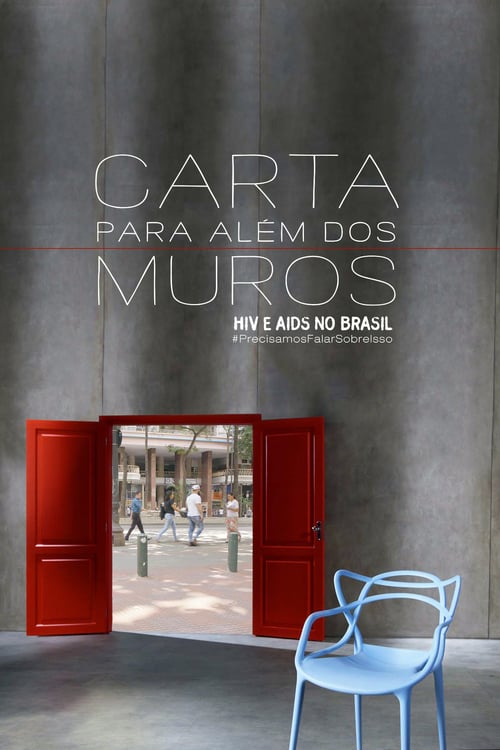
Letter Beyond the Walls reconstructs the trajectory of HIV and AIDS with a focus on Brazil, through interviews with doctors, activists, patients and other actors, in addition to extensive archival material. From the initial panic to awareness campaigns, passing through the stigma imposed on people living with HIV, the documentary shows how society faced this epidemic in its deadliest phase over more than two decades. With this historical approach as its base, the film looks at the way HIV is viewed in today's society, revealing a picture of persistent misinformation and prejudice, which especially affects Brazil’s most historically vulnerable populations.
Letter Beyond the Walls

Deformed form by which the word "beast" (medieval weapon) is pronounced in the north of the Brazilian state of Bahia and was still present in the cultural memory of the region.
Beste
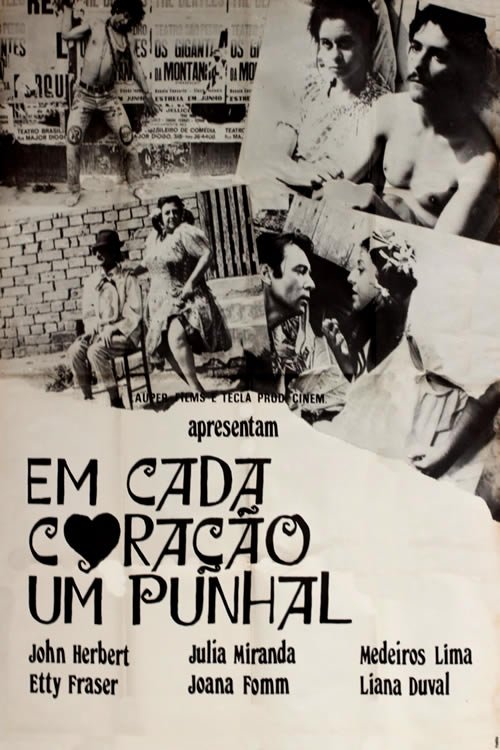
A woman asks her boyfriend for his mother's heart as a proof of love. Another, a kleptomaniac, has an affair with a TV professional. And a young man becomes a sex symbol after an advertising campaign.
Em Cada Coração um Punhal
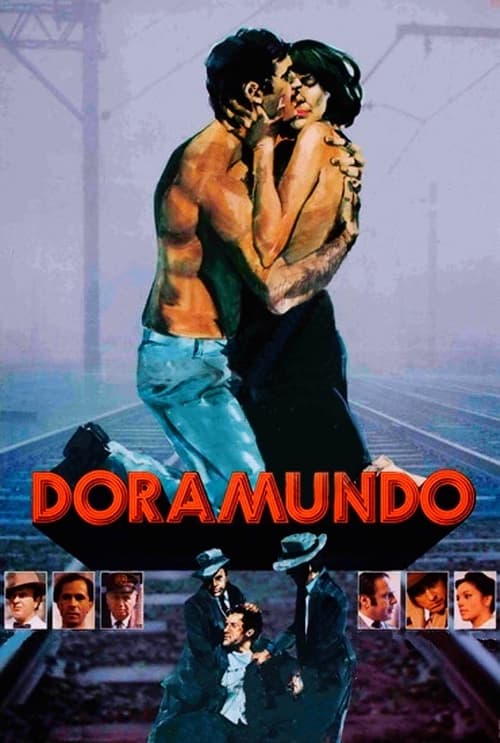
A series of murders begins to haunt Cordilheira, a small town near São Paulo, Brazil. The investigations show there is a love triangle involved.
Doramundo

Hunting Season deals with the wave of homosexual murders that plagued São Paulo and Rio de Janeiro in the 1980s. With street statements and cultural and artistic figures such, such as Zé Celso, Jorge Mautner, Roberto Piva and others.
Hunting Season

Inspired by the US paper “Gay Sunshine”, in April of 1978 appeared in Brazil – during the dictatorship – the newspaper “O Lampião”, depicting the point of view of gays on various issues, including sexuality. A group of journalists and writers from Rio de Janeiro and São Paulo joined the project, fueling a publication that paved the way for the press at the time, addressing controversial issues at the period, such as racism, abortion, drugs and prostitution.
Lampião da Esquina: Lighting Up Brazilian Press
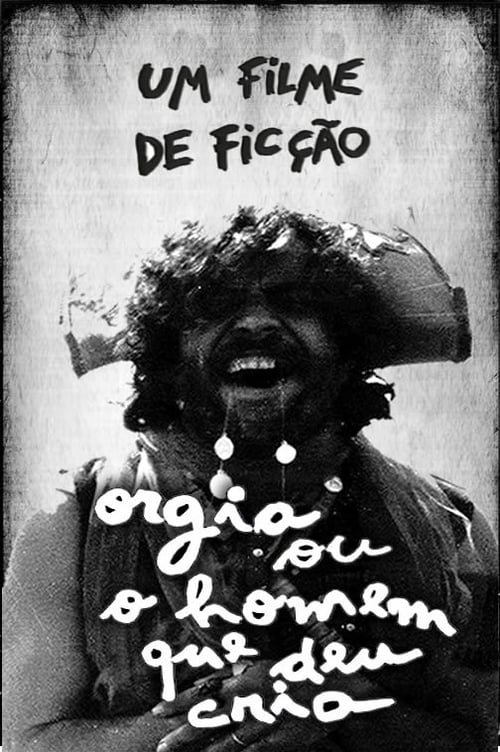
A countryman kills his father and heads for the big city. On his way, he meets the most bizarre and allegorical types: a robber, a drag queen who thinks he's Carmen Miranda, a black king, a fallen black angel, a priest, two whores, a pregnant cowboy, among others.
Orgy or The Man Who Gave Birth
Documentary about the trajectory of Antônio Polo Galante, known as "The King of Boca". The film maps work and forms of production in Boca do Lixo, popular area in Luz neighborhood located downtown São Paulo, where usually night clubs and sexual services establishments were located.
O Galante Rei da Boca
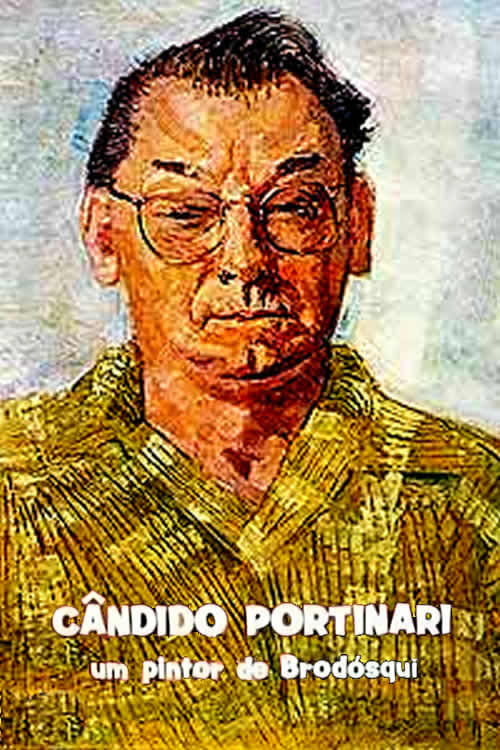
A brief tribute to Brazilian painter Cândido Portinari relating to his humble beginnings as a citizen born in the town of Brodósqui, located on the countryside of São Paulo. Some of his paintings and poems are presented along with some archive images.
Cândido Portinari, um Pintor de Brodósqui

A documentary produced in super-8 with a mixture of fiction. It caused a stir wherever it was shown, having to be subjected to the censorship in force at the time of the military regime. It poetically addresses the various prejudices and conflicts that involve the field of sexuality. Two men star in love scenes. Testimonials by Lauro Nascimentos, Eleonora Menicucci, João Silvério Trevisan, Henrique Magalhães and popular people about conflicts involving affection between people of the same sex.
Closes
No description available.
Amizade
A documentary of profound irony about the bourgeois dream of establishing a film industry in Brazil in the 1930s. The project in question, the Companhia Americana de Filmes, went bankrupt before finishing its only film, which was called 'Eterna Esperança' (Eternal Hope).
A Eterna Esperança: Sem Pressa e Sem Pausa, Como as Estrelas
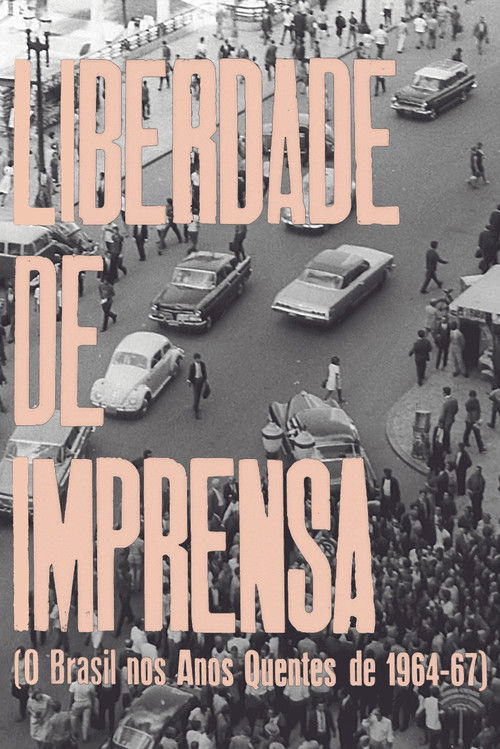
A panel of Brazilian political scenery in 1967, alternating images of the main events and politicians and specialists' statements about freedom of the press.
Freedom of Press
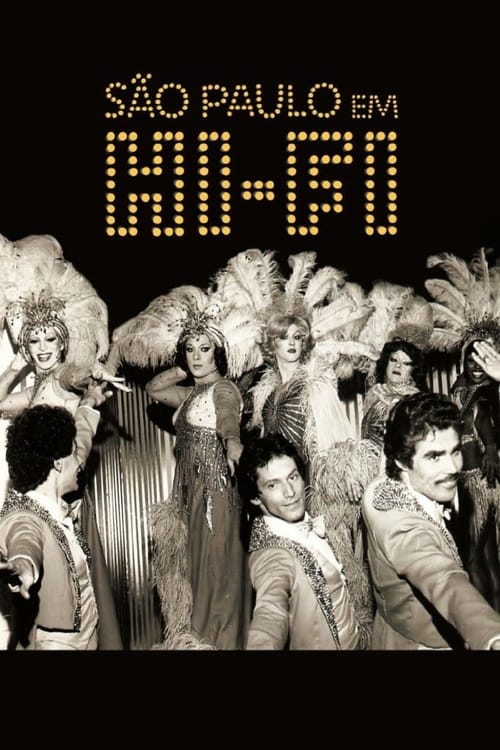
Historical documentary about São Paulo's gay night life during the 1960s, 1970s and 1980s. With testimonials from people who lived through that time and images of unforgettable shows at classical night clubs of the city. Bringing back to memory the stars, the heroes, and even the bad guys: military dictatorship and AIDS epidemic.
São Paulo in Hi-Fi
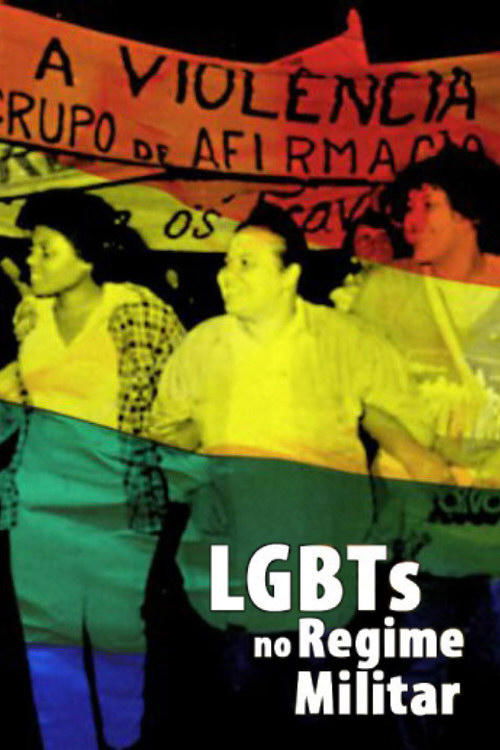
In 1980, the first march of gays, lesbians and transvestites took place in Brazil in protest against the constant police operations that took place in São Paulo, which aimed to repress these groups. Based on Renan Quinalha's doctoral thesis, “Against morality and good customs: the sexual politics of the Brazilian dictatorship (1964-1988)”, carried out by the Institute of International Relations, a series of four 5 minute videos about the birth of the LGBT movement during the Military Regime.