Charlotte Zwerin
Directing
Biography
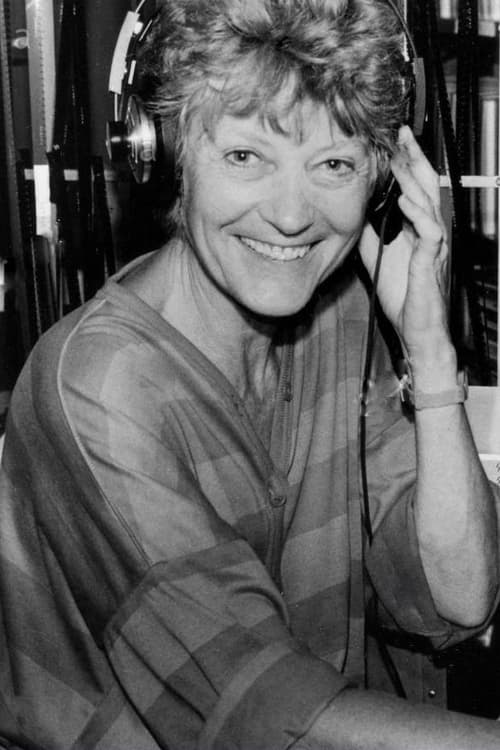
From Wikipedia, the free encyclopedia Charlotte Zwerin (born Charlotte Mitchell, August 15, 1931, Detroit, Michigan – January 22, 2004, Manhattan) was a documentary film director and editor best known for work concerning artists or musicians, although she also made films concerning other subjects. Description above from the Wikipedia article Charlotte Zwerin, licensed under CC-BY-SA, full list of contributors on Wikipedia.
Known For

Since its 1988 premiere, this critically acclaimed documentary series has presented hundreds of films that put a human face on contemporary social issues by relating a compelling story in an intimate fashion. "POV" has won virtually every major film and broadcasting award available, including 38 Emmys, 22 Peabody Awards and three Oscars.
POV

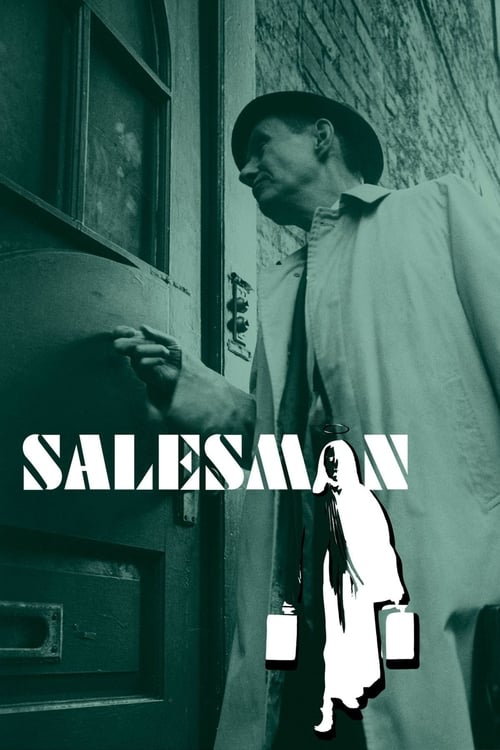
This documentary from Albert and David Maysles follows the bitter rivalry of four door-to-door salesmen working for the Mid-American Bible Company: Paul "The Badger" Brennan, Charles "The Gipper" McDevitt, James "The Rabbit" Baker and Raymond "The Bull" Martos. Times are tough for this hard-living quartet, who spend their days traveling through small-town America, trying their best to peddle gold-leaf Bibles to an apathetic crowd of lower-middle-class housewives and elderly couples.
Salesman

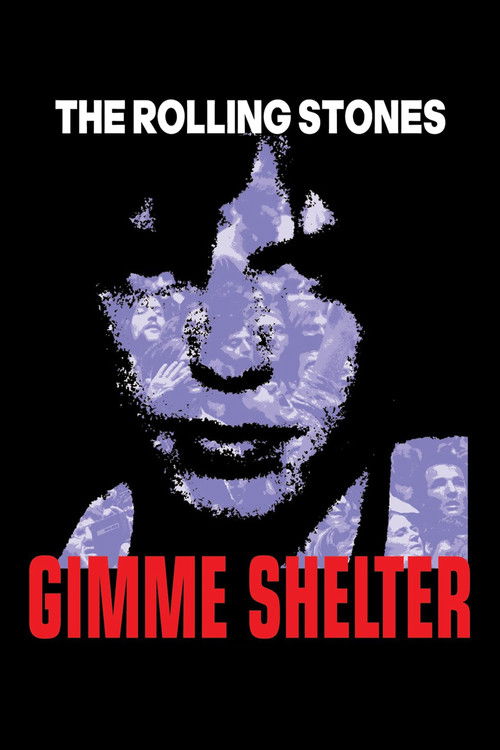
A detailed chronicle of the famous 1969 tour of the United States by the British rock band The Rolling Stones, which culminated with the disastrous and tragic concert held on December 6 at the Altamont Speedway Free Festival, an event of historical significance, as it marked the end of an era: the generation of peace and love suddenly became the generation of disillusionment.
Gimme Shelter

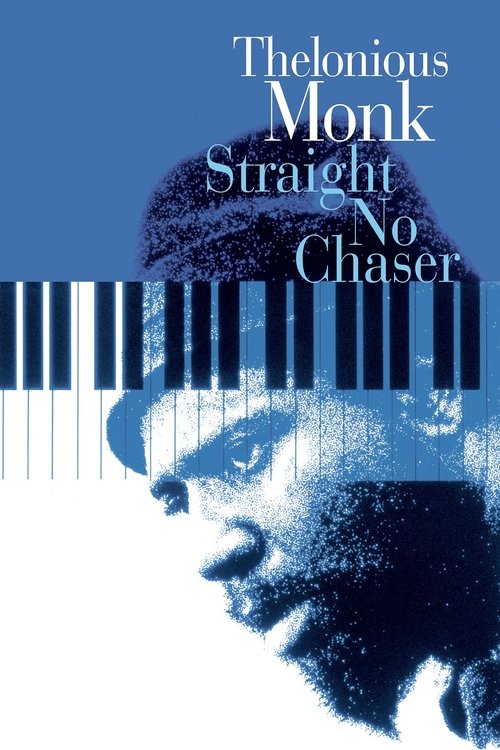
A documentary film about the life of pianist and jazz great Thelonious Monk. Features live performances by Monk and his band, and interviews with friends and family about the offbeat genius.
Thelonious Monk: Straight, No Chaser
Lily Bart, a well-born, but penniless woman of the high society of New York City, who was raised and educated to become wife to a rich man. As an unmarried woman with gambling debts and an uncertain future, Lily is destroyed by the society who created her...
The House of Mirth

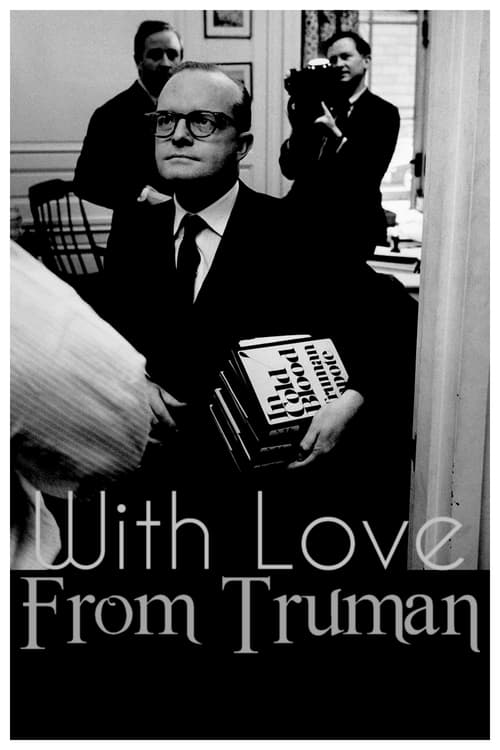
At his Long Island beach house, and on the occasion of the publication of his masterful nonfiction novel In Cold Blood, reporter Karen Dennison interviews celebrated writer Truman Capote, who displays his exuberant personality, makes witty jokes, shares his thoughts on writing, reflects on various aspects of the book and, in a sweet and endearing voice, reads and explains some of its highlights.
With Love from Truman

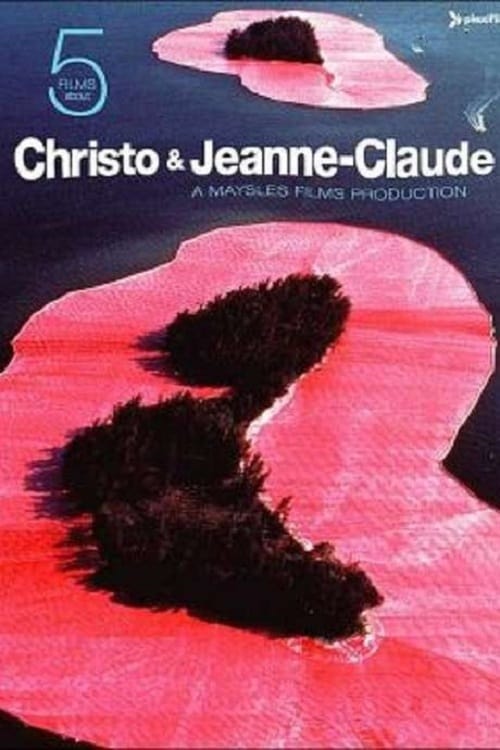
The Maysles' third film about the artists sees them trying to get three projects off the ground: wrapping the Pont Neuf, the oldest bridge in Paris; wrapping the Reichstag; and surrounding eleven man-made islands in Florida with pink plastic sheets. As the latter is the only one that gets approval, it gets the bulk of this film.
Islands

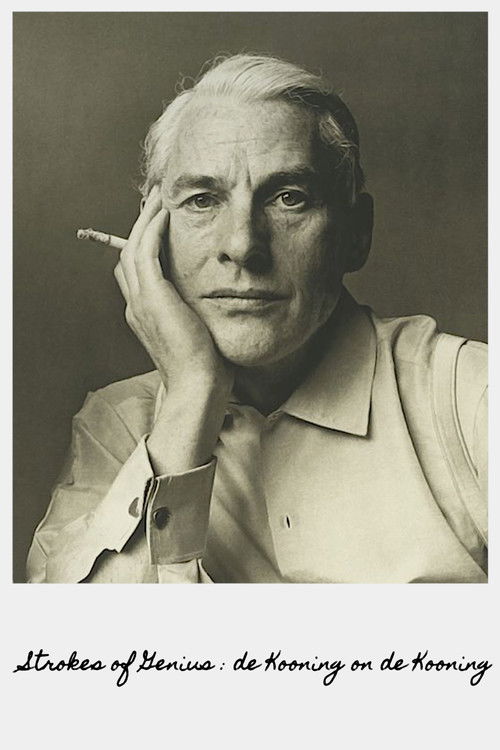
This award-winning 1982 documentary includes in-depth interviews with Willem and Elaine de Kooning as well as archival footage of Willem de Kooning, Franz Kline, and Harold Rosenberg in conversation.
Strokes of Genius: de Kooning on de Kooning
The story of Walter Reuther and the struggle to unionize the automobile workers of the US in the 1930s.
Sit Down and Fight

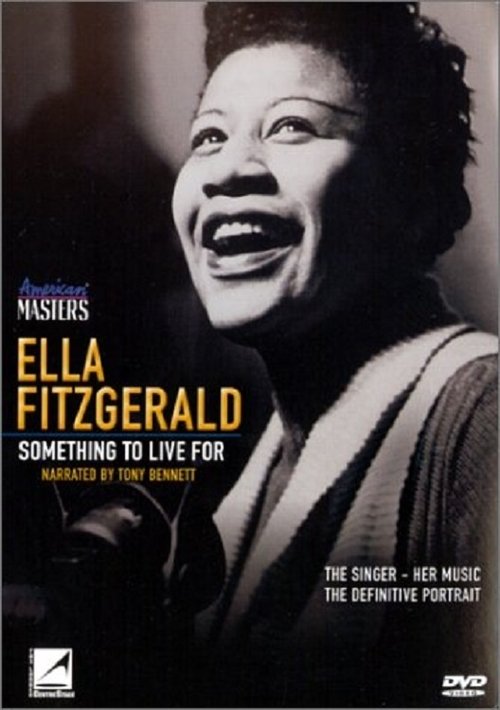
Writer-director Charlotte Zwerin performs sleight of hand with this beautifully composed documentary, originally produced for public television's American Masters series. Created nearly four years after Ella Fitzgerald's death, Zwerin's film uses the lush voice and superb repertoire of "the First Lady of Song" to provide continuity while assembling convincing, if composite, narrative quotes gleaned from various interviews. The latter are noteworthy given the singer's lifelong modesty and insistence on privacy. Archival footage of early performances, as well as later television appearances, capture Ella's pilgrimage from Depression-era New York, through her discovery at the Apollo Theater and subsequent emergence as a swing vocalist and on to her long career as a matchless pop and jazz stylist. Tony Bennett is a sympathetic narrator, while added affection and insight are provided through
Ella Fitzgerald: Something to Live For

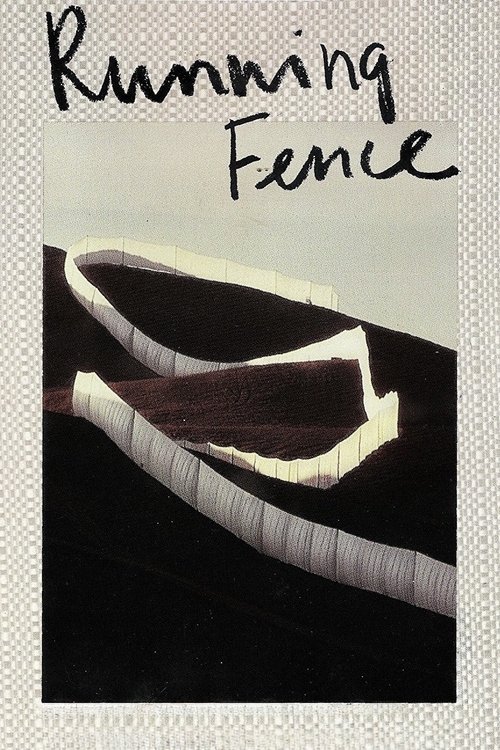
Second in the series by the Maysles brothers documenting the monuments/sculptures of Christo, whose art projects are landscape-scaled, and more "pop" performance art designed to question how we relate to art in the public sphere, especially when it's as oblique, non-political (at least, that is what he would claim), and neutral as running a fence through a landscape.
Running Fence
Born in Armenia, Arshile Gorky fled the Turkish persecution and arrived in America in 1920. One of America`s most poetic and powerful painters, Gorky`s influence on his contemporaries gave birth to the New York School of abstract expressionist painting. In rare glimpses into his studio and through interviews with family and friends, this film recreates Gorky`s world, examines the progression of his painting to the later, deeply felt work, that suggests the beauty and anguish of his lost Armenian homeland.
Strokes of Genius: Arshile Gorky

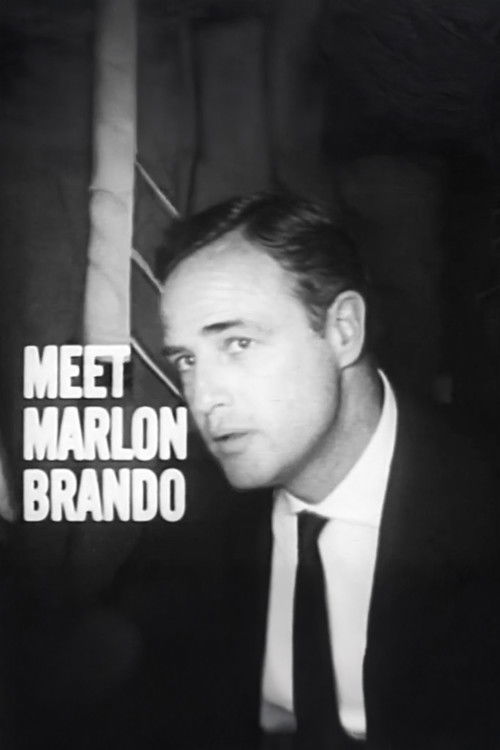
Filmed during a studio-organized press junket, "Meet Marlon Brando" observes Marlon Brando as he fields a succession of television interviews meant to promote Morituri. Rather than comply, Brando deflects questions with irony, flirtation, and philosophical detours, subtly undermining the promotional ritual itself. Shot in direct-cinema style by Albert Maysles and David Maysles, the film becomes a candid study of celebrity, media performance, and resistance to commodification.
Meet Marlon Brando

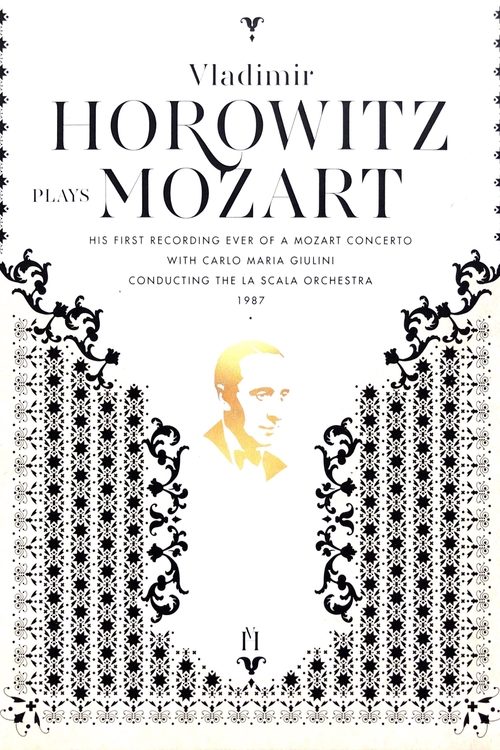
In March 1987, pianist Vladimir Horowitz embarked on an extraordinary project. For the first time in 35 years, he agreed to record with a symphony orchestra in a studio. He chose the conductor, Carlo Maria Giulini, the orchestra, the La Scala Philharmonic, and the location, the Abanella recording studio of La Scala in Milan. Horowitz steadfastly refused to allow the month-long sessions to be filmed, until the evening before the last scheduled session when he unexpectedly changed his mind. His manager, Peter Gelb, immediately telephoned Albert Maysles and Susan Froemke in New York, the co-filmmakers of "Vladimir Horowitz: The Last Romantic." That same night, the Maysles film crew flew from New York.
Horowitz Plays Mozart

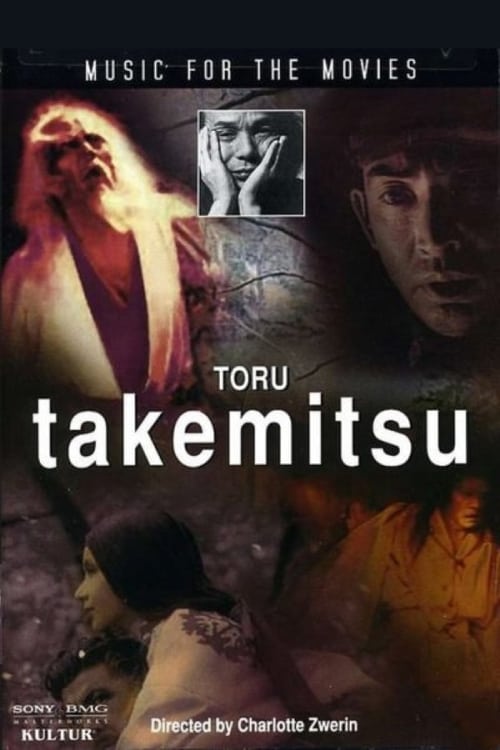
Inspired to write music after hearing the French song "Parlez-Moi d'Amour" during World War II, film composer Toru Takemitsu enjoyed a rich career working with many of Japanese cinema's greatest directors. Rarely interviewed filmmakers such as Hiroshi Teshigahara (Woman in the Dunes) and Masaki Kobayashi (Kaidan) expound on the varied sonic palettes Takemitsu left upon their works.
Music for the Movies: Toru Takemitsu
In this short film, comprising a single shot, a man and woman take a car ride through downtown Manhattan. The woman speaks in double-talk Finnish, which is interpreted into a brilliantly beautiful story through subtitles written by O’Hara.
The Last Clean Shirt
Jessye Norman Sings Carmen is a gripping vérité study of the famous dramatic soprano’s approach to mastering Bizet’s heroine in recording sessions with Seiji Ozawa and the Orchestre National de France. Musical segments include performances of three arias and the great duets between Carmen and Don José
Jessye Norman Sings Carmen

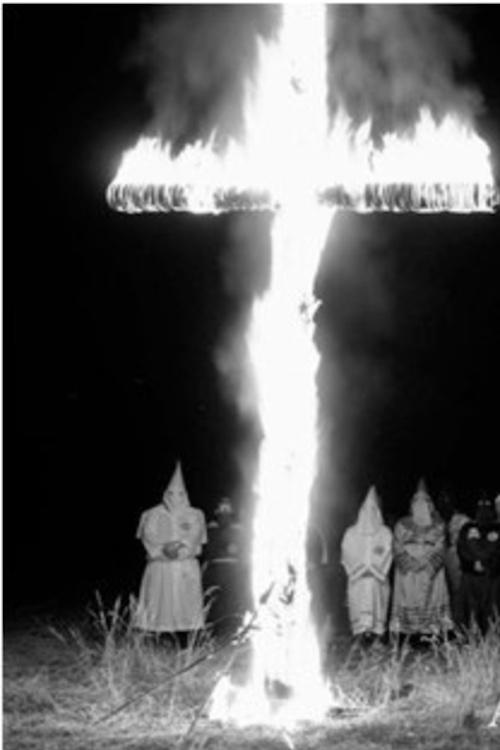
A documentary on the KKK