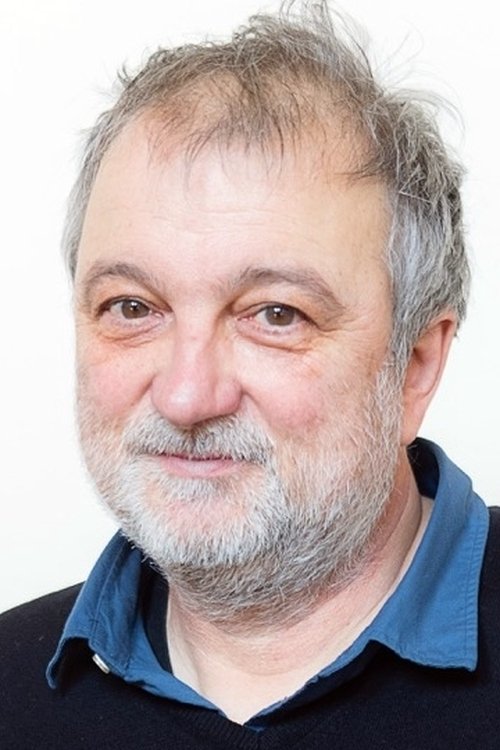
Denis Robert
Writing
Biography
Denis Robert (born 9 May 1958) is a French investigative journalist, novelist and filmmaker. He formerly worked for twelve years for the newspaper Libération. Robert's books, films and press interviews, denouncing the opaque workings of the Clearstream clearing house, earned him into more than 60 lawsuits in France, Belgium and Luxembourg by banks, such as Bank Menatep (a Russian bank) and BGL (BNP Paribas Fortis), as well as the Clearstream company. In 2008, he was involved in a polemic with Philippe Val (former director of the magazine Charlie Hebdo) and journalist Edwy Plenel in relation to the Clearstream affair. On 3 February 2011, after ten years of litigation, Robert was cleared by the Court of Cassation of his conviction for both of his books Révélation$ and La Boîte noire, as well as for his documentary film Les Dissimulateurs. Robert is also a painter, whose work is displayed in Paris art galleries. Robert studied psychology and obtained a Master of Advanced Studies in psycholinguistics. After starting a fanzine Santiag in Lorraine in 1982, he joined the editorial staff of the monthly magazine Actuel, where he worked for a year. At the end of 1983, he joined Libération as a journalist, first as a correspondent in Eastern France. He was then transferred to cover financial and political affairs in the society department. He resigned in 1995 to focus on his own writing work. By this time he had already published two novels, Chair Mathilde in 1991 and Je ferai un malheur in 1994. But the general public only got acquainted with him in early 1996 with his essay Pendant les affaires, les affaires continuent. Also in 1996, Robert gathered seven anti-corruption magistrates to start the Appel de Genève (Geneva Appeal), to create a European judicial area to fight financial crime more effectively. The Appel de Genève is the subject of a book La Justice ou le Chaos, published the same year. It was followed by a dozen novels and by as many essays on investigations of the multinational finance company Clearstream. In late 1997, Robert planned to denounce the consequences of what he calls "the machine" (the capitalist economic system) for the poorest. In Portrait de groupe avant démolition, Robert presented and illustrated a collection of street photographs of homeless persons taken by one of their own, René Taesch. In addition to his books, Robert has directed and co-directed five documentary films, one for cinema with the cineast Philippe Harel, Journal intime des affaires en cours (1998) and later four others for television: Le cahier (1999), Les Dissimulateurs (2001), Histoire clandestine (2002), L’affaire Clearstream racontée à un ouvrier de chez Daewoo (2003). ... Source: Article "Denis Robert" from Wikipedia in English, licensed under CC-BY-SA 3.0.
Known For
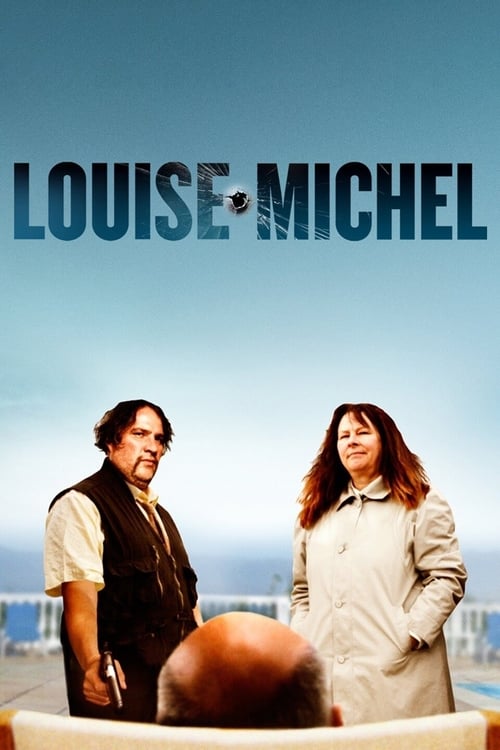
In this radical and endearing black comedy, a group of retrenched female factory workers decide to pool their compensation money… and hire a hit man to liquidate their boss.
Louise-Michel
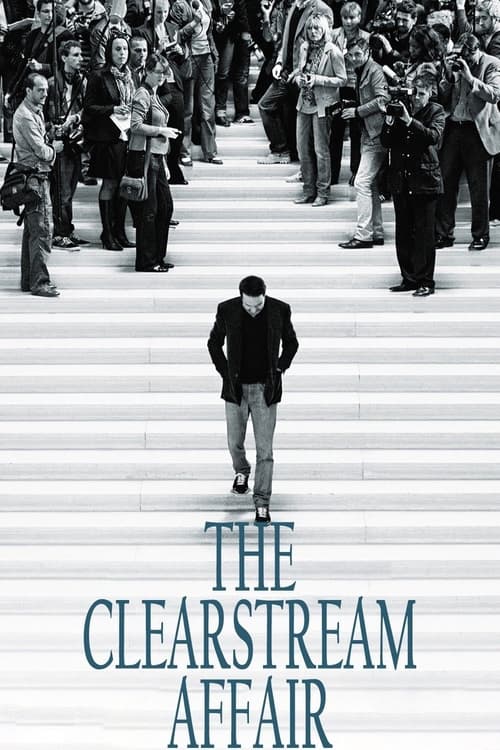
Journalist Denis Robert sparked a storm in the world of European finance by denouncing the murky operations of banking firm Clearstream. His quest to reveal the truth behind a secret world of shadowy multinational banking puts him in contact with an ever-expanding anti-corruption investigation carried out by Judge Renaud Van Ruymbeke. Their paths will lead them to the heart of a political/financial intrigue, which will rock the foundations of Europe and the French government itself.
The Clearstream Affair
No description available.
Les Marioles
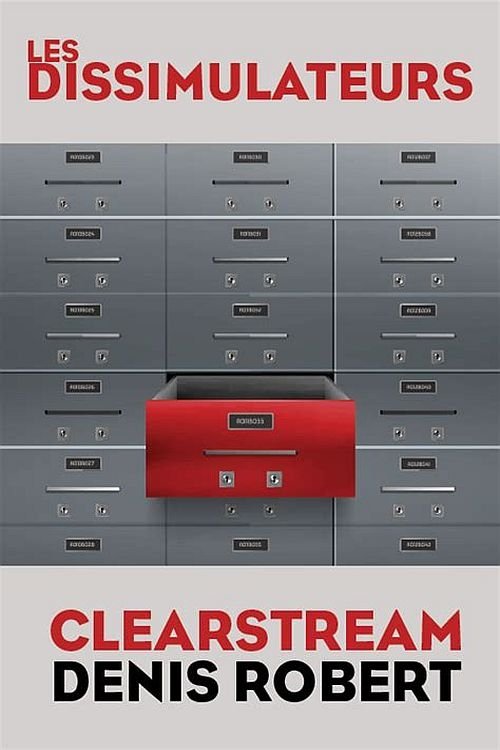
No description available.
Les dissimulateurs

Welcome to the enchanted world of capital evasion. The keys to fortune: knowing how to hide, find accomplices and take advantage of all the flaws. The rest of us mere mortals are left with austerity policies and the joy of living in an increasingly unequal world... How far will predators go in this widespread plundering of our economies? How is the political staff complicit? How are we braking? Between Paris and Geneva, Washington and Luxembourg, from Société Générale to HSBC, via Mac Donald, Ikea and Google ... we will track down the circuits of tax evasion and decipher the mechanisms of tax fraud.
Tax Me If You Can
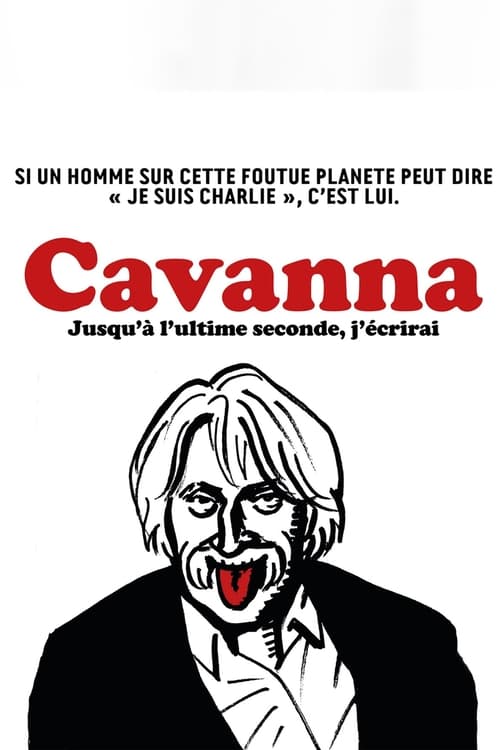
The life and career of French novelist and journalist François Cavanna, his leading role in the invention of satirical press in France and foundation of 'Hara Kiri' and 'Charlie hedbo' newspapers.
Cavanna, jusqu'à l'ultime seconde j'écrirai
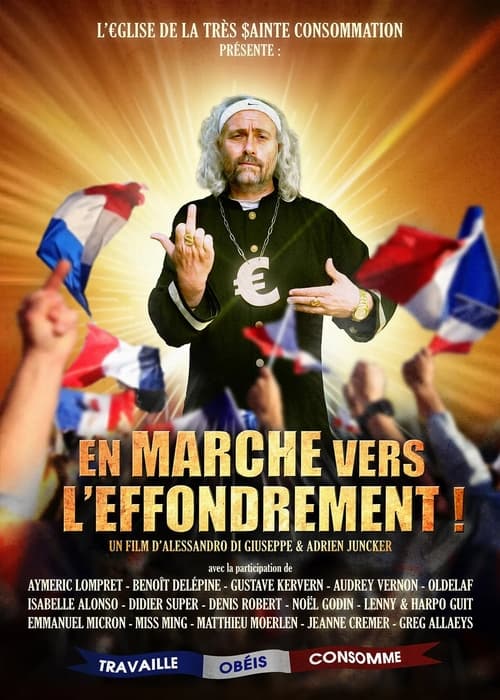
Disappointed by leftists politics this last few years, PAP'40 of the Church of the Holy $aint Con$umption decide to run for presidential election of 2022 to fix the country. He meets his electorate and other candidates to spread the word : Work, Obey, Consume !
En Marche vers l'Effondrement !

No description available.