Writing
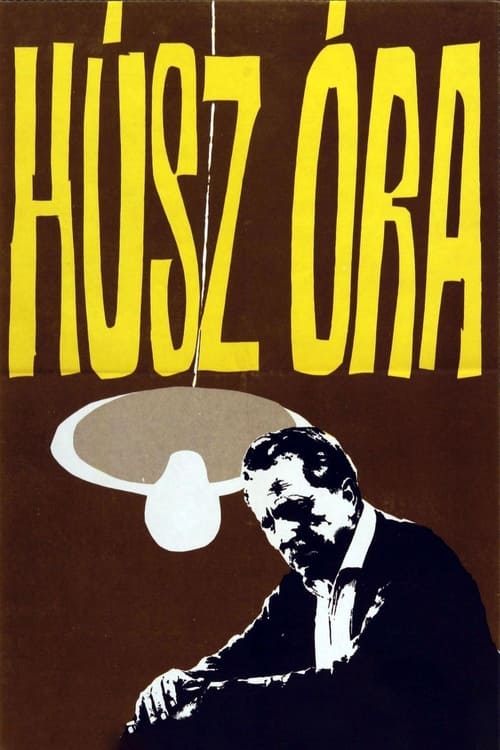
In 1956, a crusading newspaper reporter covers the Soviet invasion of Hungary. Initially critical of the communists, the feature later espouses the virtues of social changes implemented since the invasion.
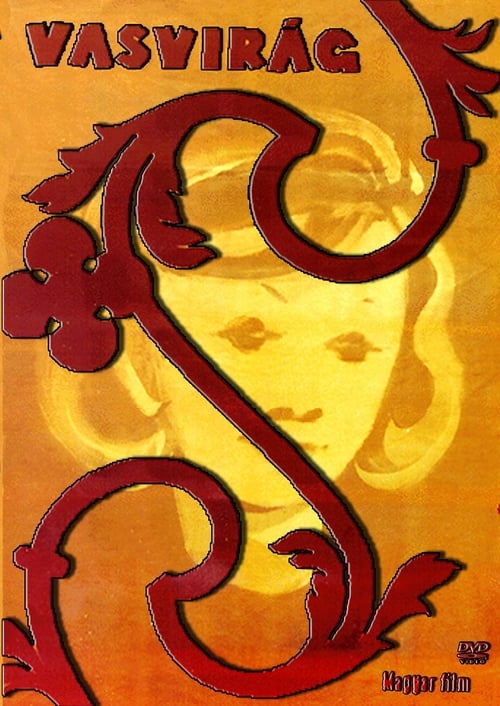
During the worldwide Depression of the 1930s, a young shopgirl is in love with a man of her own financial class, but succumbs to the seductive machinations of her wealthy boss.
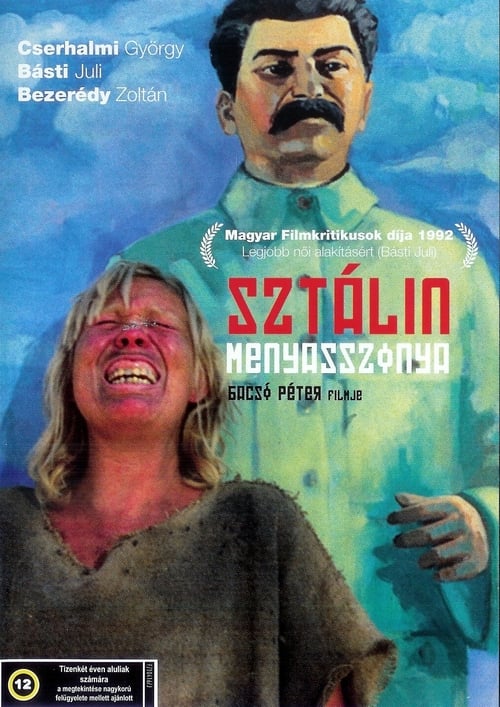
At a dusty crossroads in the Soviet Union villagers surrender their possessions - a horse, a samovar, a goat - to the state. The train which takes them away brings to the village a physically and mentally handicapped woman, barely able to speak. She makes herself bracelets of burrs and studies herself in a cracked and cloudy mirror. Befriended by very few, teased and tormented by many she seeks protection at a huge portrait of Stalin.
The film takes place at the end of 1946. Rumours are spread that the food supply will not arrive for it has been robbed. Workers of the metal factory go on strike.
Pop music parody show from Hungarian Television
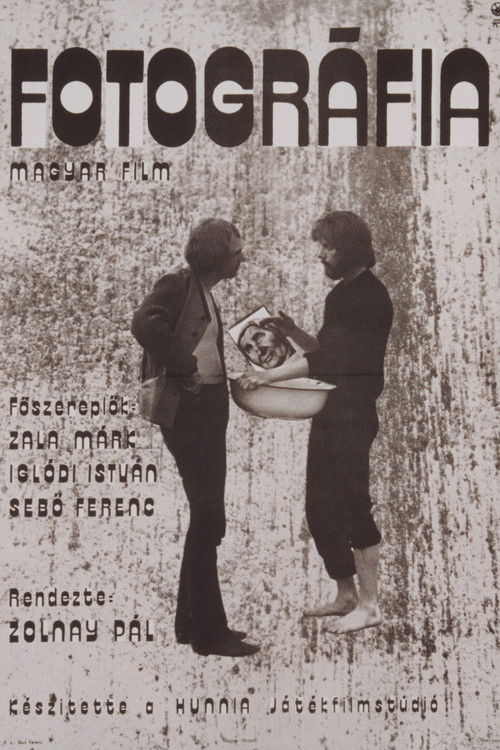
Two actors wandered from house to house in the countryside in the roles of the photographer and the retoucher business man offering their photographic services to the people.
Drapp Tamás, metro-driver inherits an American salami-factory worth a hundred thousand dollars from an unknown relative abroad.
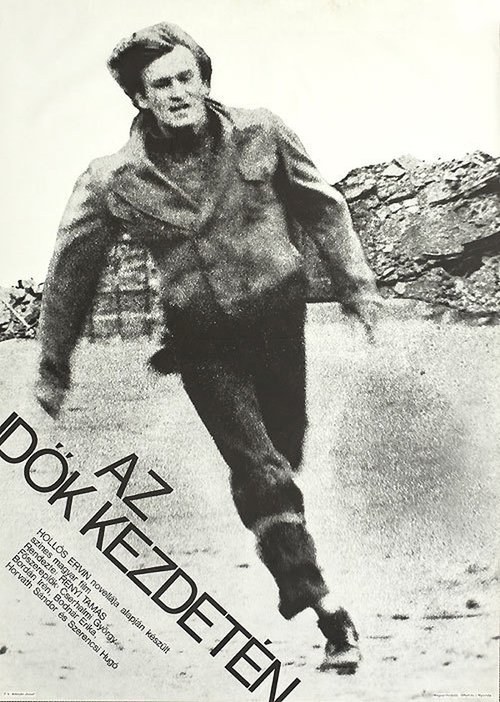
The film take place in Budapest, in the end of The World War II, telling the story of a young Communist who escaped from prison. The boy tries to revitalise his contact with the movement, but he is told to be quiet and wait.