Writing
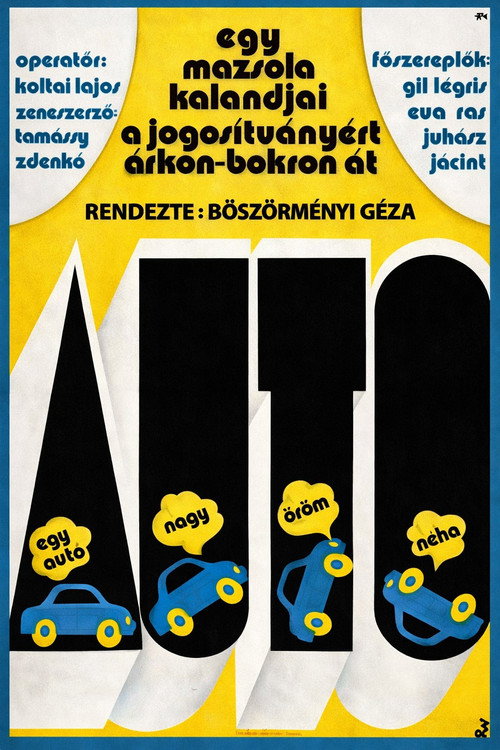
This sour satire records how narrow-minded, perishable and prejudiced human relations are. Lili, an open, good-hearted, but clumsy girl gets a rusty Renault Gordini from her uncle living in France. She wants to learn driving, but makes horrible and perilous mistakes behind the wheel.
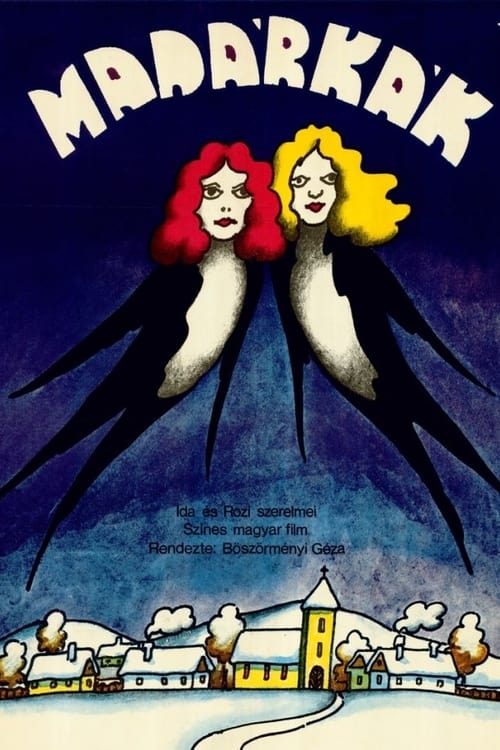
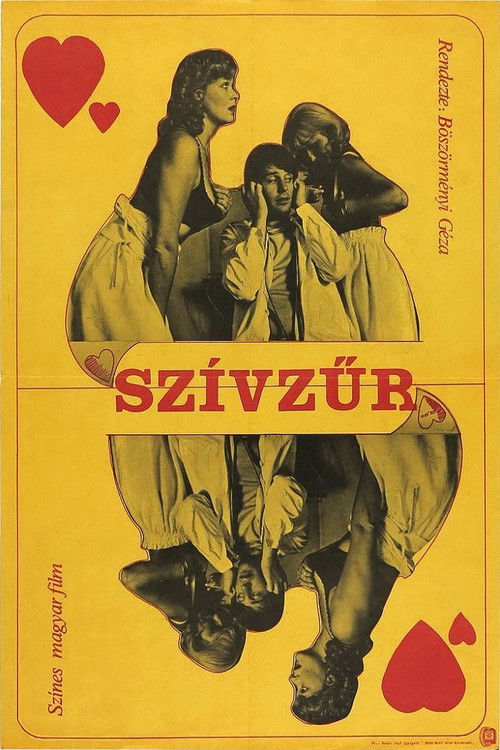
The heroines of this lyric comedy full of burlesque elements are two girls from a village who get totally engrossed in their day-dreaming. Ida and Rozi escape to the city to catch husbands for themselves.
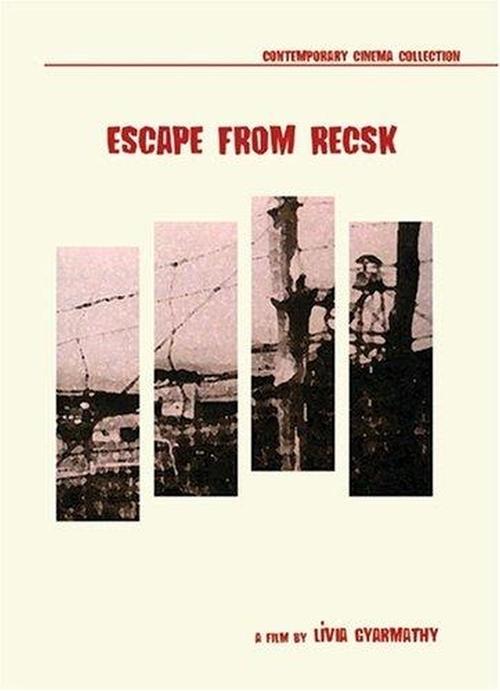
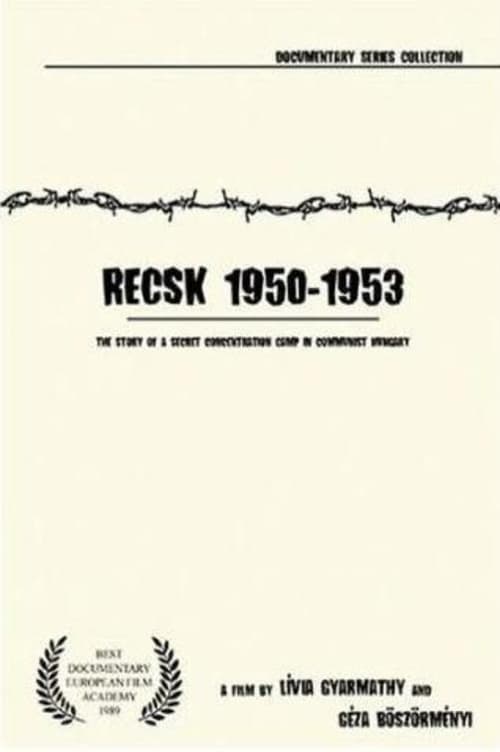
Budapest, 1948. Gyula Molnár, interpreter to the Supervisory Committee of the Allied Powers, is carried away from a party by plain-cloth police investigators. Recsk, 1950. Molnár, having attempted an escape and with a wound made by a bullet in his neck - is doggedly trying to get into the brigade of brick-layers, as escape is easiest from there.
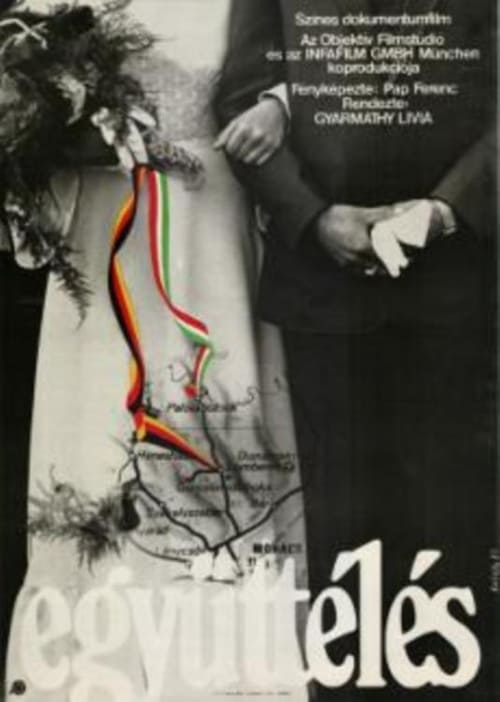
National problems between the bride of Swabian origin and the bridegroom from Székelys of Bucovina burst out in the marriage, but the film also shows the possibility for reconciliation.
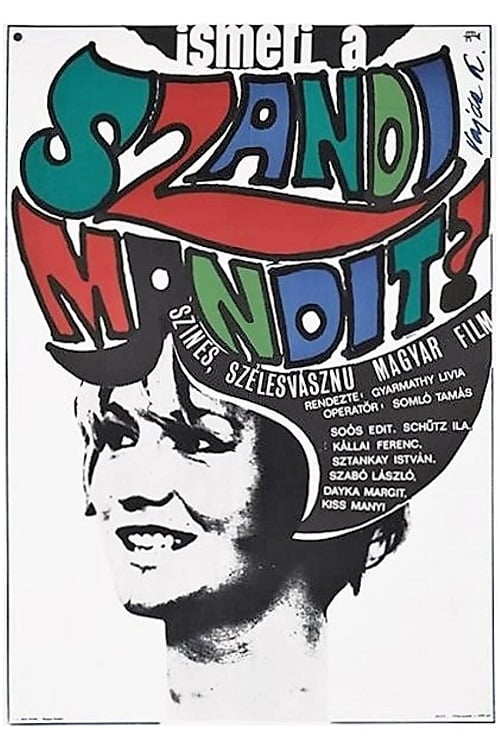
This etude made up of captured snaps having a sociographic impact and expressive photo-collages by Dezső Korniss is the satirical apotheosis of the single, working urban woman from the second half of the 1960s.
When young Tako's father dies in Hungary in 1945, Tako is left with scant memories of him. Nurtured by his mother, the boy fantasizes about the man his father was, imagining him a hero. Grown into a man himself, Tako falls for a Jewish refugee, Anni. Burdened by her own heritage as a Jew, Anni sparks in Tako a desire to find out what his father was really like, and he delves into the role his father played in World War II.
Everyone is reaching retirement age. Some are happy to go, others regret that their active phase of life is over. The reporter asks retiring postmen and postwomen about the farewell they are now receiving at work. And they tell their stories. They tell us why they love their jobs, the relationships they've built up over the years with the people they've met on the job, and how much they'll miss WORK...
The general practitioner Balla and his wife abandoning her higher education begin their common life in the small mountain village in the hope of quick enrichment and return to the capital. Despite Éva and Emma, the two school mistresses longing for love and Demeter, the dove-keeper obsessed with a desire for flight life is boring in the country.
This film shows us around a factory in the seventies in Hungary. In the outskirts factory of Kőbánya workers celebrate the foundation members and want to present the oldest member, Uncle Benda, now a pensioner, with a golden ring. His grandson, Karcsi Merkovics, an industrial apprentice, is in love with the foreman's daughter.
58 seconds is the story of a lost swimming race. The tense moments of preparation and anticipation of the spectators are brought to life, and during the race we get a glimpse of the swimmer's hard training. After the defeat, the swimmer's emotions are unveiled, and the closing moments flash images of a new beginning.
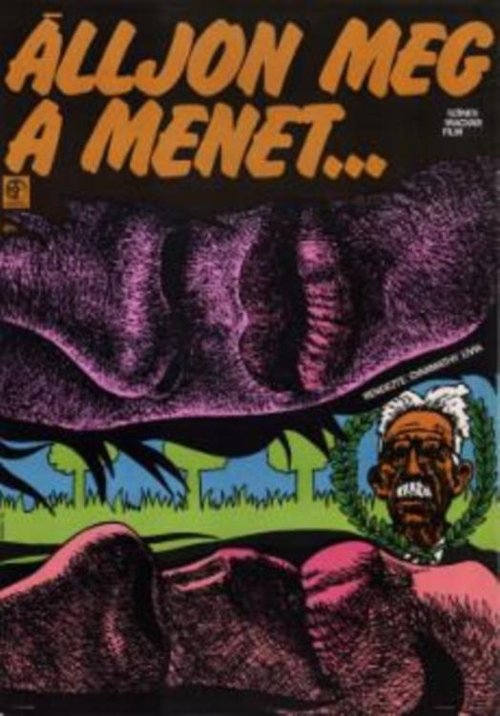
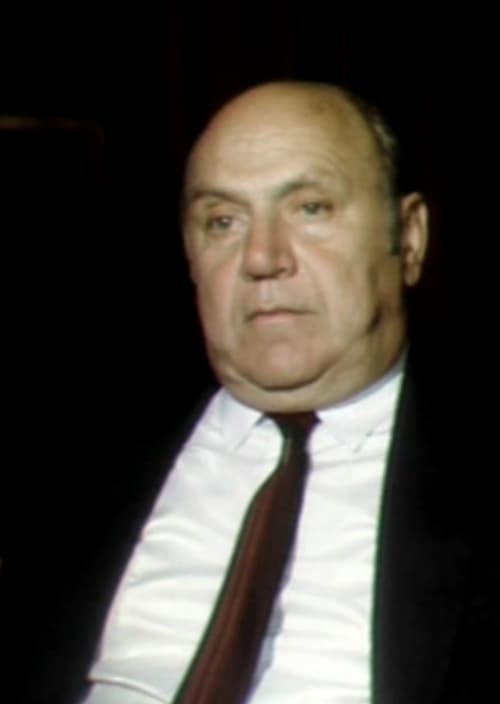
The film was shot in 1989 by Lívia Gyarmathy and Géza Böszörményi about a judge who had had a successful career back in the '50s. He resigned from his position as home secretary on 12th December 1956 and chose to do physical work for a while. However, in the period before his resignation he had sentenced many to die, and not just ones he believed were guilty. The confessions of the judge show a fragment of the psychology of tyranny.
Three generations live side by side. The wilful, jack-in-all-pots grandmother blackmails the family with fake faintings, while grandpa suffers from cerebral sclerosis. Mother manages a fashionable hotel, she needs to look smart and unyielding, even when their weird uncle drives into the restaurant drunk. Father is an introverted, solitary teacher, who from time to time turns the home inside out in pursuit of his hobby, i.e. topography, and his mental balance. Suddenly unexpected things come to light about their teen-age daughter, Juli.
Hungary after the changes. Jutka loses her job and even her marriage is ruined, since her husband gets involved with the daughter of an influential businessman. Jutka moves in with a female friend, Dóra likewise has to face a difficult choice.
This European Film Award winner documentary tells the story of Recsk, Hungary's most notorious political prison camp, which operated between 1950 and 1953. During the early 1950's the very existence of this camp for political prisoners at Recsk was one of the Hungarian communist regime's deepest secrets. Hundreds of people were taken there without ever actually being sentenced by any court, and had to suffer through the brutal treatment handed down by their sadistic captors. This documentary tells the story of Recsk from both the captors' and the prisoners' point of view, capturing the atmosphere of paranoia, humiliation and degradation that prevailed throughout the Stalinist gulag system.
Documentary about the poet György Faludy.
a film by Geza Boszormenyi
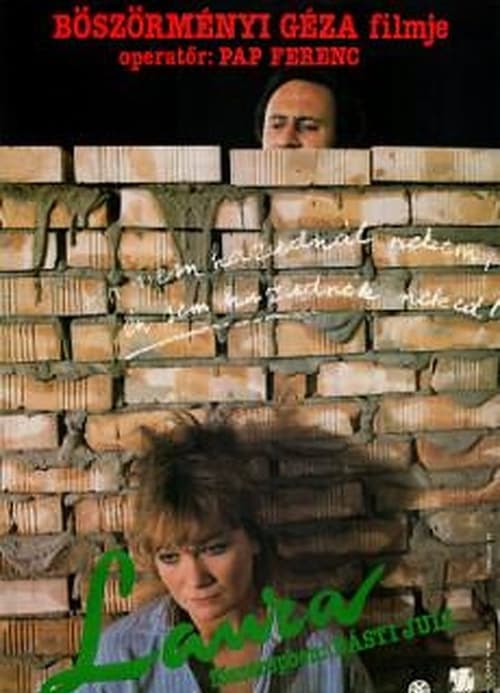
Laura is personnel manager in a hospital. Her father-in-law was a high ranking cadre, her mother-in-law is an influential functionary, it is only her husband - director of an archives - who is unfit for everything. Laura does not like to be home. During one of her rovings she meets her former classmate, who wants to break into the world of pop music with a new band.
Juli is a 17-year-old student who takes a summer job in a local chemical factory. She is befriended by Piri, a girl with an unsavory reputation who has worked there before. The two friends are ogled by male workers who have overactive libidos and imaginations. Juli spurns the advances of a deluded Romeo while Piri continues to work and endure open hostility from the older female workers while her slothful parents sink deeper into alcoholism.
No description available.
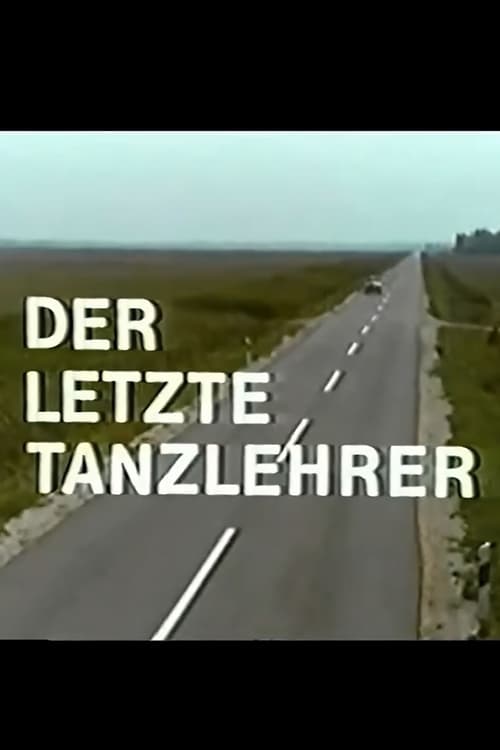
Géza Böszörményi's 1975 German-Hungarian co-production film stars János Balogh as a dance and etiquette teacher. He learned the craft from his father and now travels the country with his son Simon. They are on their way to Hortobágy to "celebrate" the closing ball of their dance school. But before that, they are teaching the locals the tricks of the art of gentlemanly behaviour in Pest. But the Hortobágy dance exam is not as successful as in the good old days. The young people have only one thing on their minds: to live in the capital as soon as possible, and in the Hortobágy they will soon be nothing but horsemen and cowboys entertaining the western tourists of the National Park. János Balogh and his son also go back to the bleak and soulless prefab housing estate, where Simon tells his father that he no longer wants to be a dance teacher.