Acting
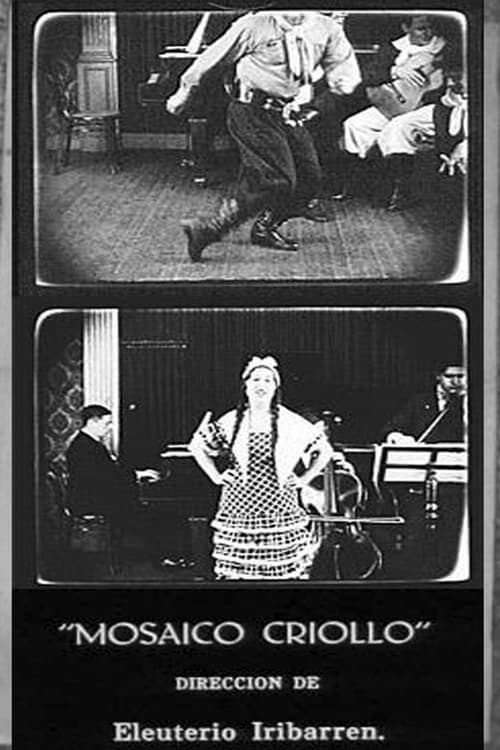
“Mosaico criollo” is not exactly a spoken film: it is a series of filmed musical sketches of several popular genres in four scenes, each one with a description. Joaquina Carreras sings folk song “Triste está mi rancho”, then Giménez and Suárez (“genuine northern dancers”) dive into an enthusiastic folk tap dance. After them, Julio Perceval (“delight of Buenos Aires citizens’ ears”) executes a piano solo, and “graceful interpreter” Anita Palmero sings the tango “Botarate”, by Acuña and De Cicco.
First spoken short film of Argentine cinema.
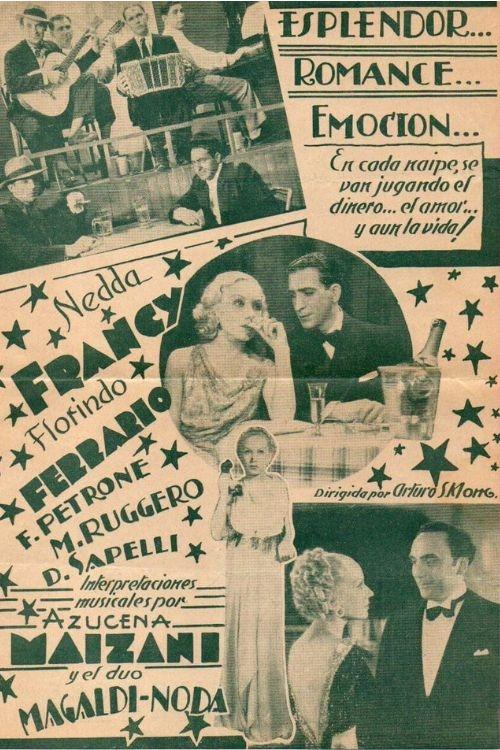
Lucy is a woman of shady past who convinces Argüello and Carlos to install an illegal gambling hall on a cabaret that worked legally. When Argüello is interested romantically in her, it rejects it because it is attracted by Carlos, a womanizer singer. The obsession for her leads Argüello to cheat in the game that he holds with Carlos and manages to ruin him, but finally both fight and Argüello dies stabbed but without denouncing his aggressor to recover his self-esteem as a professional player.
A criminal tries to scam a horse racing fan using a seductive woman.
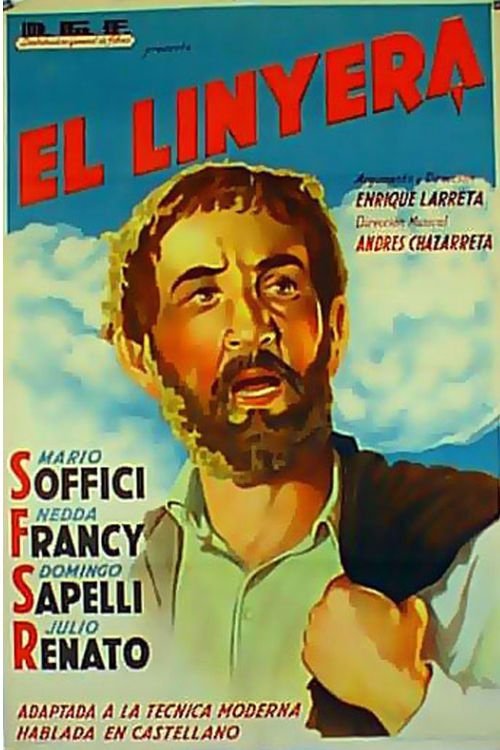
A homeless man returns to the countryside after traveling the world for years.
No description available.
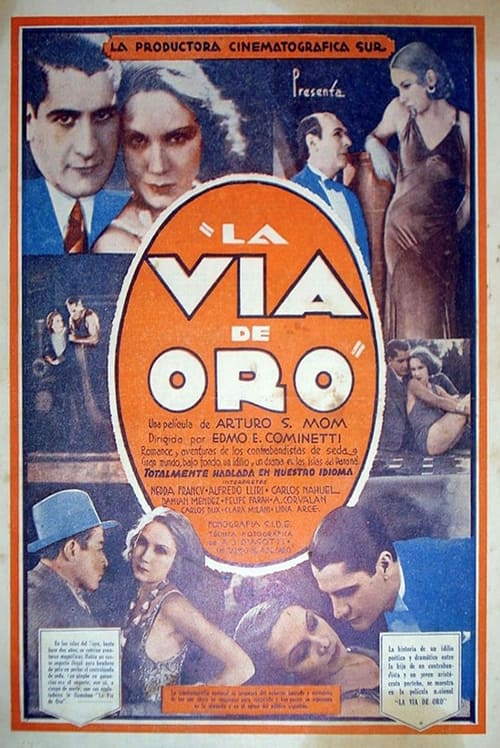
The film, which contains exterior scenes filmed in the Paraná Delta, narrates a confrontation between troops from the Argentine Naval Prefecture and some silk smugglers on the Paraná River.
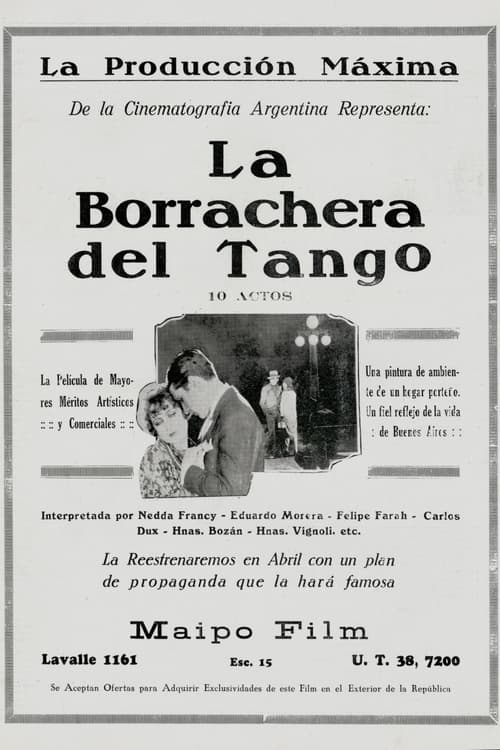
In a middle class family in Buenos Aires, a conflict arises between their two sons. One is a carefree playboy who spends his nights on cabarets. The other, a promising engineer who is the pride of the family.
A 1936 film.
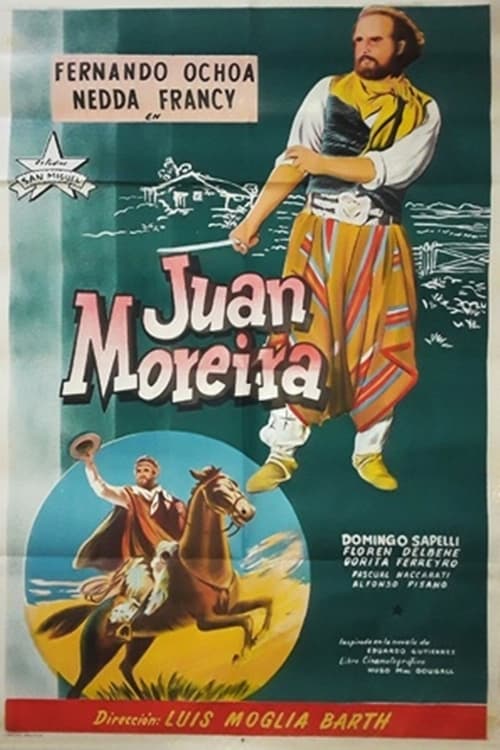
Adaptation of the homonymous novel by Eduardo Gutiérrez, inspired by a real police chronicle, starring a gaucho killed by the police in 1874. Juan Moreira's life was full of injustices and has been considered representative of those suffered by gauchos.
In the 19th century, the son of a frivolous countess faces the rigors of a tragic life.