Paul Joyce
Directing
Known For
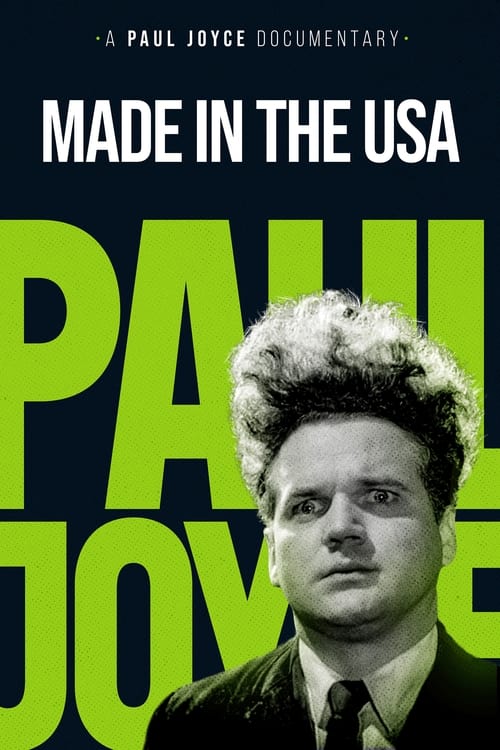
A Paul Joyce documentary on the American independent film scene.
Made in the USA
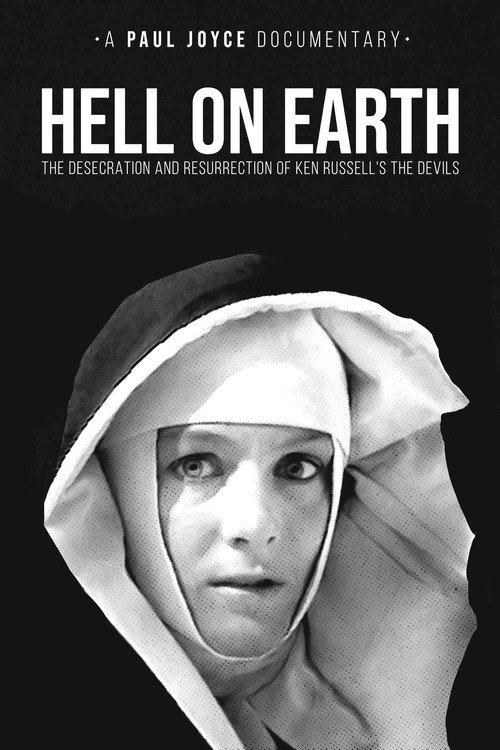
Hell on Earth is a documentary about Ken Russell's 1971 film, The Devils. Film critic Mark Kermode chats to Russell as well as two of the film’s stars, Georgina Hale and Murray Melvin. Also included are scenes that were cut from the released film for being too controversial.
Hell on Earth: The Desecration & Resurrection of The Devils

This straight-talking program seeks to understand the enigmatic and controversial Sam Peckinpah, whose violent films such as The Wild Bunch and Straw Dogs had a telling effect on the cinema of the 1970s and 80s. Those who knew and worked with him, including actor James Coburn, actress Ali MacGraw, his associate Katherine Haber, his cousin Bob Peckinpah, and several screenwriters and producers, examine his life in an attempt to separate the man from the persona. Clips from key films reinforce this detailed discussion of Peckinpah's art and a fixation on violence that still permeates Hollywood today.
Sam Peckinpah: Man of Iron
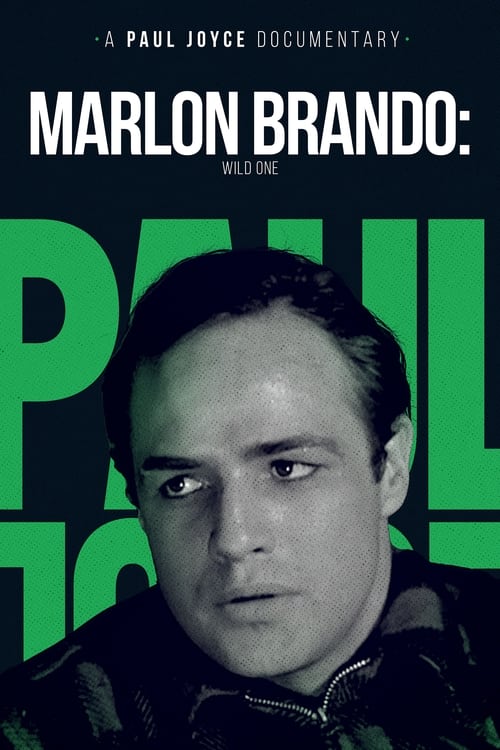
An examination of the craft of Marlon Brando, narrated by professionals of the film industry. The film follows his career from the stage with "A Streetcar Named Desire", through the Actors Studio and professional relationships with Elia Kazan and Stella Adler to Hollywood. An actor who redefined the limits to which a professional may go in becoming the character not only intellectually but emotionally, Brando changed the meaning of film acting.
Marlon Brando: The Wild One
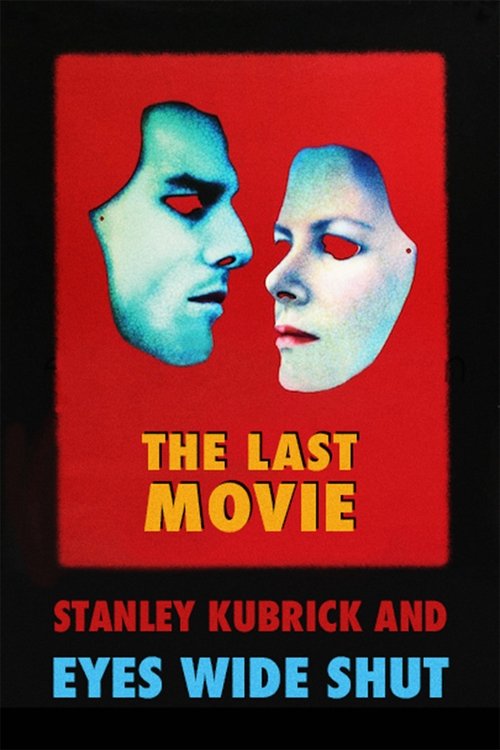
A documentary chronicling the making of Kubrick's final film, 'Eyes Wide Shut', and his legacy.
The Last Movie: Stanley Kubrick and 'Eyes Wide Shut'

The making of Stanley Kubrick's classic space epic, presented by James Cameron, including unseen footage.
2001: The Making of a Myth
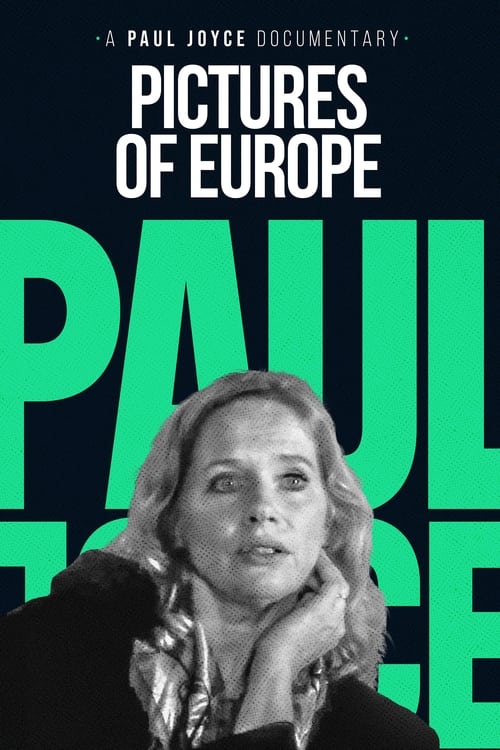
What makes European cinema so special? Find out in Paul Joyce’s feature-length documentary, Pictures of Europe, which examines the differences between American independent and Hollywood movies and films from European directors. Featuring luminary iconoclasts from European cinema such as Agnes Varda, Bernardo Bertolucci and Pedro Almodovar, as well as American counterpoints from Paul Schrader, and those who have crossed back and forth, such as Paul Verhoeven
Pictures of Europe
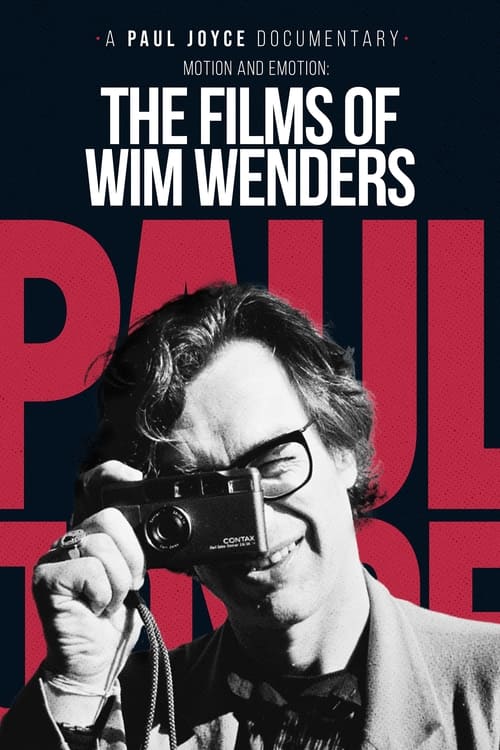
Though very polite and British, this feature-length documentary about German filmmaker Wim Wenders offers the most penetrating insights and the best overall critique of his work that I have encountered anywhere. Paul Joyce, who directed it, has also made documentaries about Nicolas Roeg, David Cronenberg, Nagisa Oshima, and Dennis Hopper, and he knows the conventional format well enough to get the most out of it. There are good clips and interesting commentaries from the interviewed subjects, who include Wenders himself, cinematographer Robby Muller, filmmaker Sam Fuller, novelist Patricia Highsmith, musician Ry Cooder, actors Harry Dean Stanton, Peter Falk, and Hanns Zischler, and critic Kraft Wetzel, who is especially provocative. A must-see for Wenders fans, highly recommended for everyone else. –Jonathan Rosenbaum, 1989
Motion and Emotion: The Films of Wim Wenders
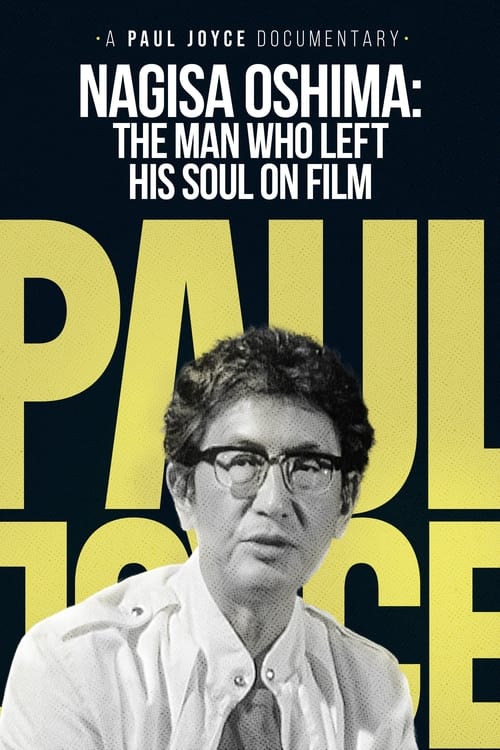
Documentary about Nagisa Oshima. It includes interviews with Oshima, Donald Richie, Roger Pulvers and Paul Mayersberg
The Man Who Left His Soul on Film
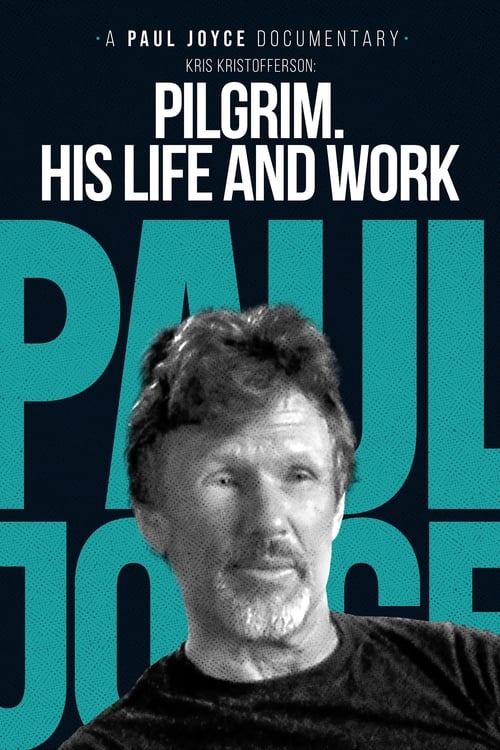
Interviews with celebrities such as Joan Baez, Jackson Browne, Dennis Hopper and Willie Nelson examine the remarkable career of actor-performer Kris Kristofferson, who successfully bridged the gap between Hollywood and Nashville. From his mastery of the "New Nashville" sound on his 1972 album "Jesus Was a Capricorn" to his role in the 1974 film Alice Doesn't Live Here Anymore, Kristofferson has shown an agility that's hard to match.
Kris Kristofferson: His Life and Work
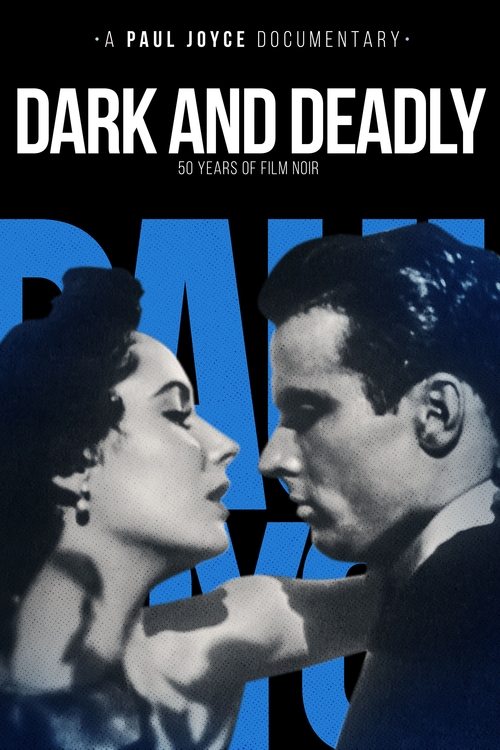
One of the first film noir documentaries, made for British Channel Four, and including interviews with Paul Schrader, Robert Wise, John Dahl, Bryan Singer, Edward Dmytryk, Dennis Hopper, John Alton.
Dark and Deadly: Fifty Years of Film Noir
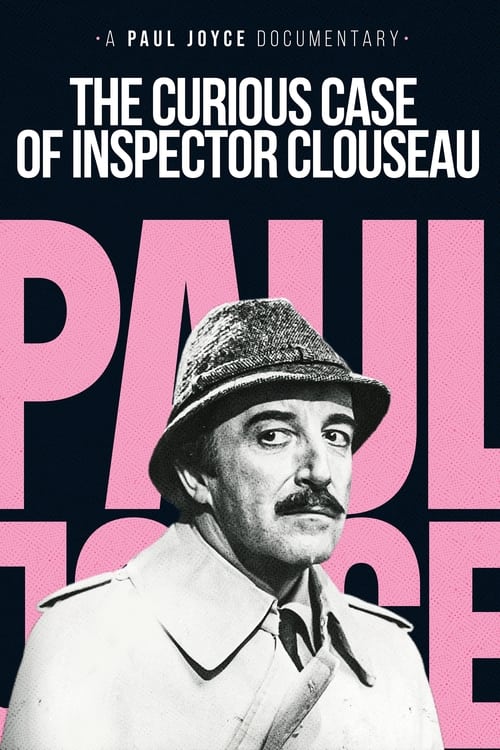
DA-DUN DA-DUN DA-DUN-DA-DUN-DA-DUN-DA-DUN-DA-DUUUUN Henry Mancini’s iconic score, Peter Sellers’ bumbling Inspector Clouseau, and those unforgettable animated opening sequences - delve into the history of the Pink Panther films, the pink diamond hunting comedy-mystery franchise that was a smash hit, made a megastar of Peter Sellers and spawned an empire. Paul Joyce’s typically thorough and entertaining documentary focuses on star Peter Sellers’ creation of a comedy icon and his relationship with director Blake Edwards. Hosted by Burt Kwouk, who played Clousea’s manservant and martial arts sparring partner Cato, and featuring interviews with Mark Kermode, Herbert Lom (Chief Inspector Dreyfus), Graham Stark (Pepi) and more, THE CURIOUS CASE OF INSPECTOR CLOUSEAU is a must-see... if you can catch it!
The Curious Case of Inspector Clouseau
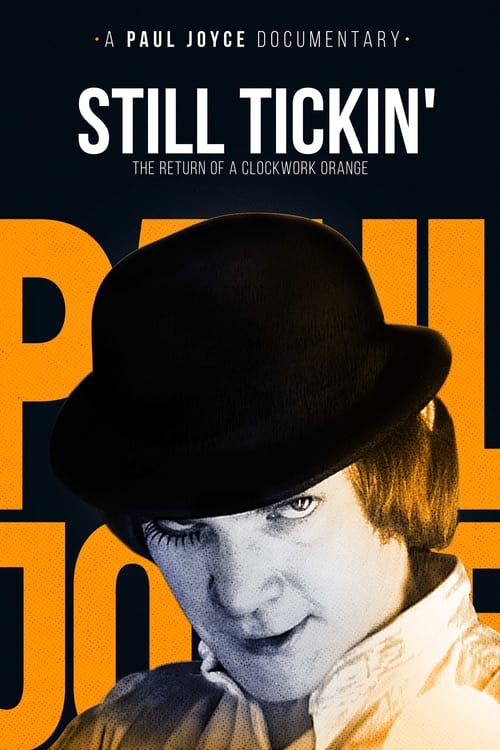
Produced by Channel 4, Still Tickin´: The Return of A Clockwork Orange examines the controversy over Kubrick’s iconic film, explaining the film’s “demonic level of attention,” and its influence on culture, politics and society, which led to the director’s self-imposed ban.
Still Tickin': The Return of 'A Clockwork Orange'

The Doctor, Romana, Adric and K9 encounter the enslaved time-sensitive Tharils, who lead them to a white void occupied only by the ruins of an old building and a spaceship - a dimension that might be the key to escaping E-Space.
Doctor Who: Warriors' Gate
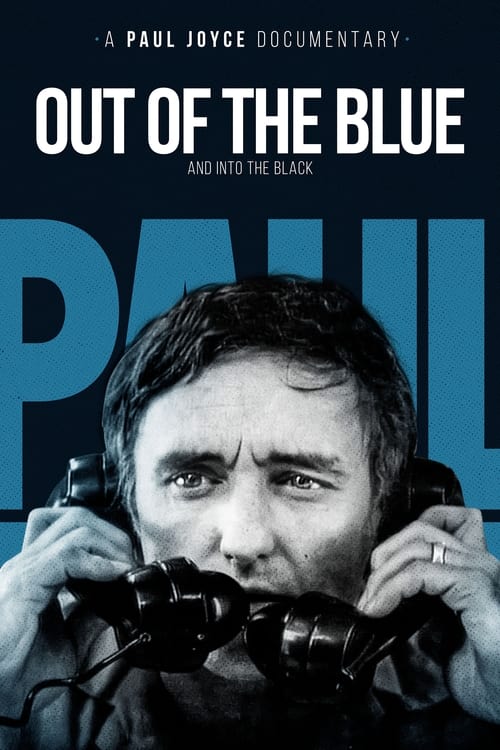
Paul Joyce’s Out of the Blue and Into the Black is an insightful documentary surveying American independent film production post-Easy Rider and includes interviews with Peter Bogdanovich, Dennis Hopper, Monte Hellman and Roger Corman.
Out of the Blue and Into the Black
Interviews with Tom Cruise, Nicole Kidman and Steven Spielberg about Stanley Kubrick and Eyes Wide Shut.
Remembering Stanley Kubrick
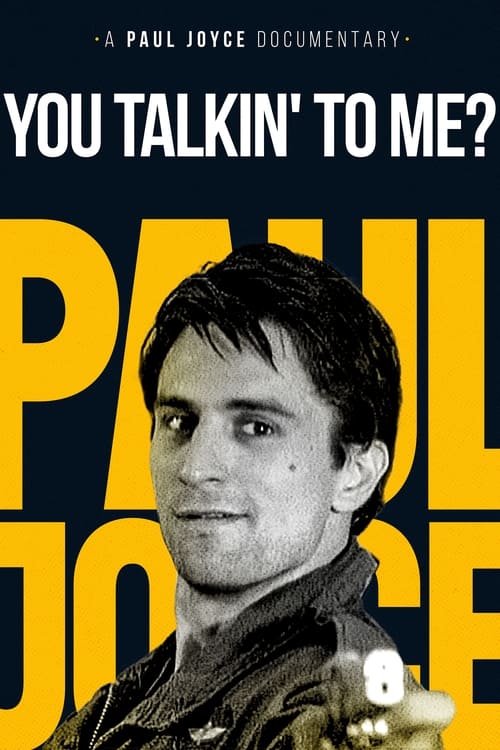
Cinefile episode with Paul Joyce profiling Robert De Niro with copious commentary from Quentin Tarantino.
You Talkin' to Me?
Documentary about the making of Wim Wenders' 1984 film, with interviews conducted in 1989.
Motion and Emotion: The Road to 'Paris, Texas'
Interviews with women directors working in Hollywood and Europe in the early 1990s, exploring the opportunities and obstacles that face them. A program made to accompany a Channel 4 season of films directed and produced by women.
Cinefile: Reel Women
Documentary about the making of Sam Peckinpah's 1971 film "Straw Dogs."