FEEL IT.STREAM
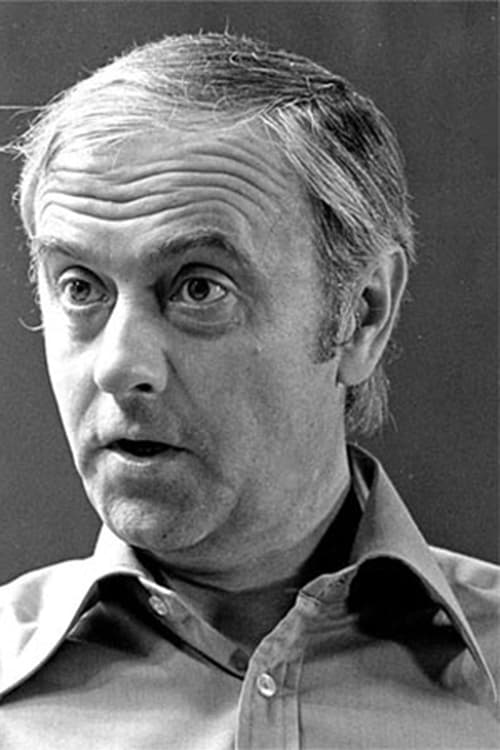
Walter van der Kamp

Walter van der Kamp

Directing

Known For

Willem van Oranje
4.6

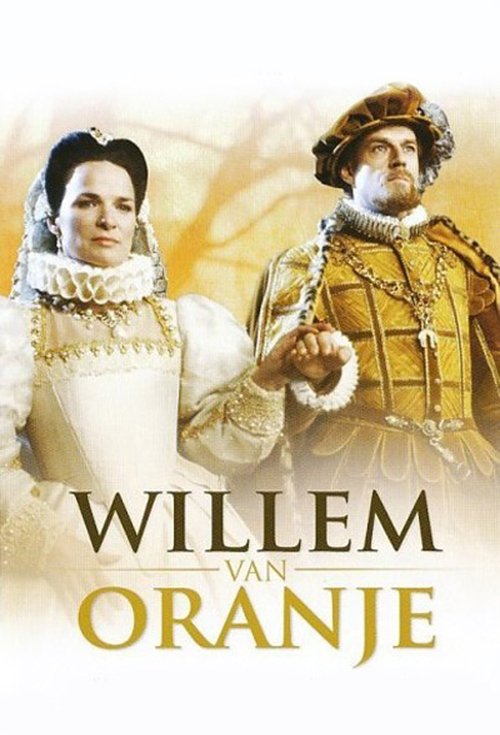
Willem van Oranje tells the remarkable life story of our Father of the Fatherland. Although loyal to the Spanish crown, Willem van Oranje-Nassau has moral objections when he hears Philip II's plans. Bloody inquisitions are being planned against the Protestants in Europe, which will not spare the Dutch people either. Although Catholic, William was absolutely opposed to any form of infringement on religious freedom. Friendship and love, but also intrigue and betrayal, were all part of the fascinating life of the founder of the current Dutch Royal House.

Willem van Oranje

1984
Old People and the Things That Pass
7.5

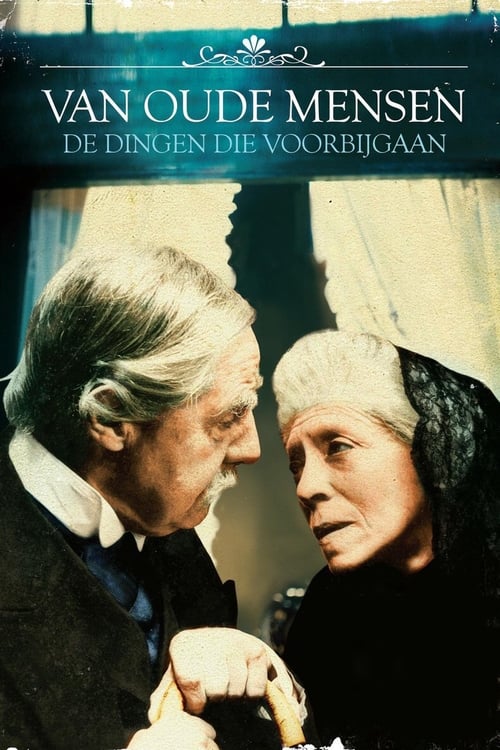
The seemingly quiet lives of elderly Ottilie Dercksz and Emile Takma are dominated by remorse for a terrible crime they committed sixty years ago. When a family member arrives from the East Indies, their families are forced to deal with the ghosts of the past.

Old People and the Things That Pass

1975
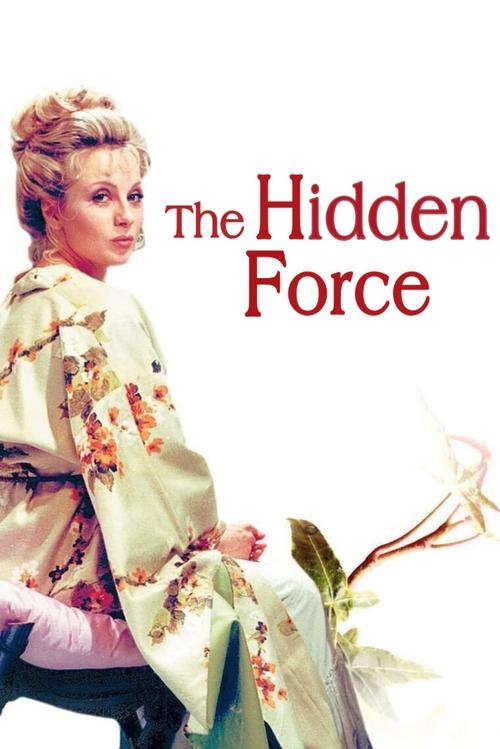
The Hidden Force
7.0

In the sweltering Dutch East Indies, the European colonizers are plagued by a hidden force; a combination of tropical magic, Eastern inscrutability and mutual incomprehension. Blind and deaf to the slumbering powers of the East Indian people, resident Van Oudyck, his son, daughter and seductive wife slowly but surely fall prey to this mysterious force...

The Hidden Force

1974
No image
9.0

In 1910 Brussels, Mrs. Brulot and her husband, in dire financial straits, start a family guesthouse, where the guests form an international group with unclear professional incomes.

Villa des Roses

1968
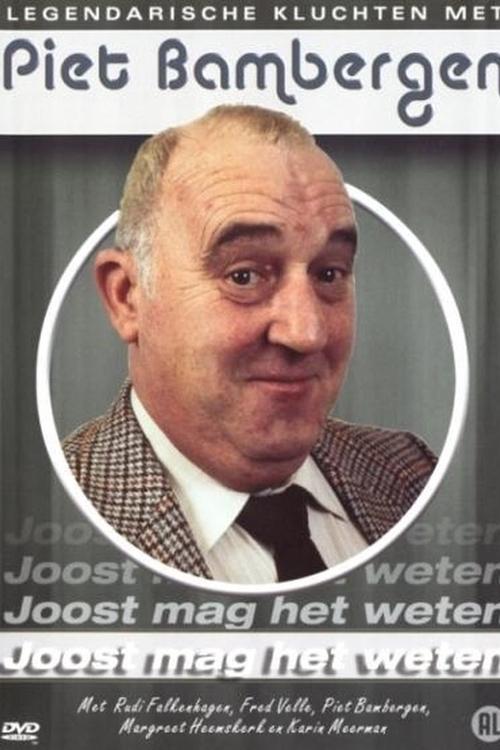
Joost Mag Het Weten
N/A

No description available.

Joost Mag Het Weten

1991
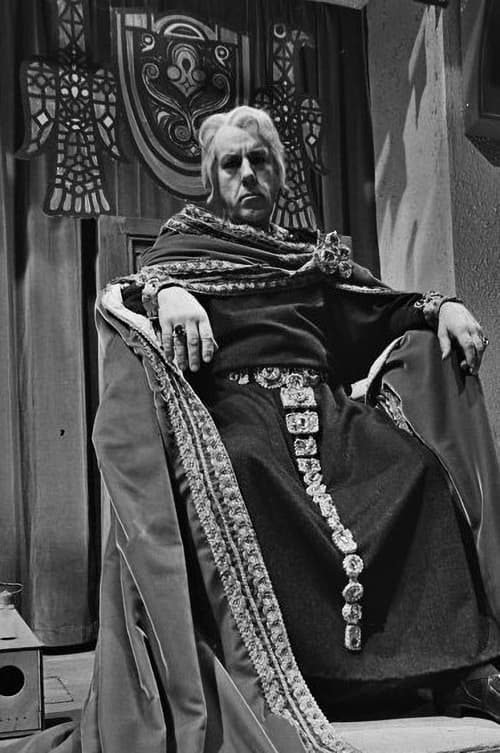
Henry IV
N/A

Dutch tv registration of Luigi Pirandello's classic play Enrico IV, or Hendrik IV.

Henry IV

1965
Max Havelaar
N/A

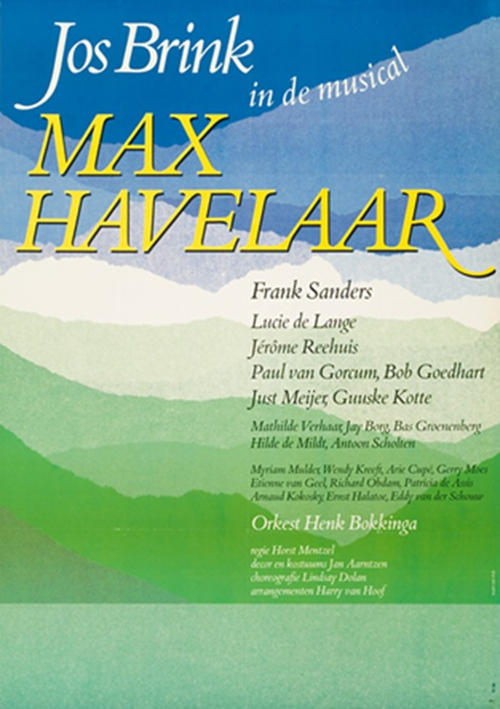
Television adaptation of the Dutch musical based on the Dutch novel from 1860 by Multatuli. Max Havelaar tries to battle against the corrupt government system of the Dutch colony in Java.

Max Havelaar

1988