
Hiroko Sakurai
Acting
Biography
Hiroko Sakurai is a Japanese actress and producer. She is known for her role in the original Ultraman along with the rest of the Ultra series. She is also known for her roles in the films of Akio Jissoji.
Known For
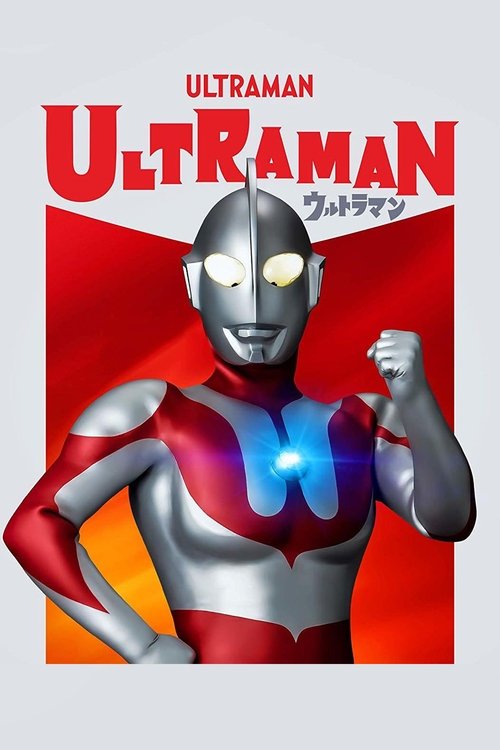
Hayata is a member of the Science Patrol, an organization tasked with investigating bizarre anomalies. He is mortally wounded when accidently encountering an alien being from Land of Light, who grants Hayata new life as the two are merged into one. Now, whenever a threat arises that is too great for the Science Patrol to handle, Hayata activates the beta capsule and becomes the hero known as Ultraman.
Ultraman
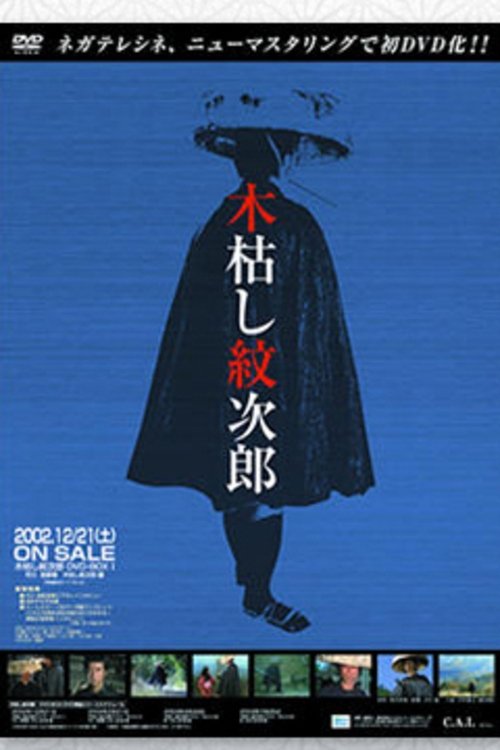
Monjiro was born into a poor farm family in Mikazuki Village, Nitta County, Ueshu, and abandoned his hometown when he was 10 years old. He has been traveling aimlessly with a long toothpick in his mouth. Monjiro avoided getting involved in anything, but wherever he went, he ended up getting involved in incidents
Kogarashi Monjiro
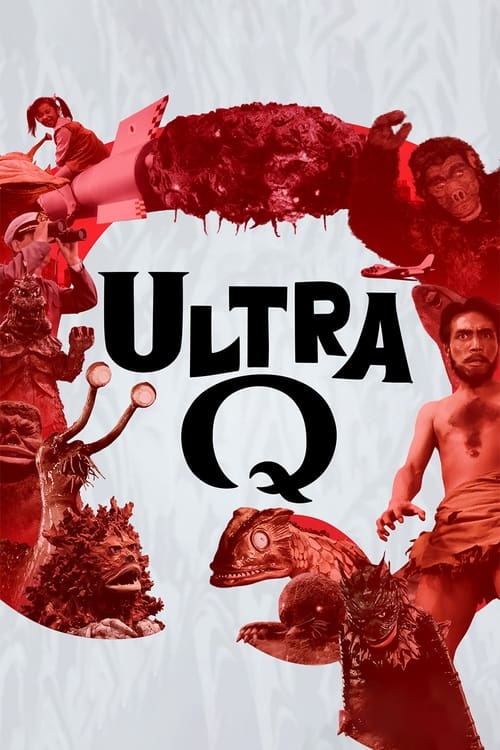
As supernatural events and monster attacks rock Japan, the military and government look to be overwhelmed. Three intrepid young investigators—two pilots and a reporter—take it upon themselves to study these unexplained phenomena in order to inform and protect the public.
Ultra Q
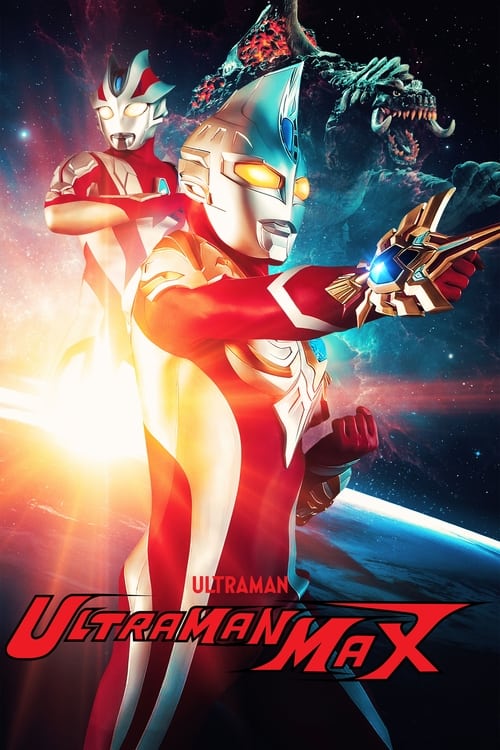
Ultraman Max was an Ultraman TV series which started airing on 7 July 2005, and produced by Tsuburaya Productions and Chubu-Nippon Broadcasting Co., Ltd.. The show tried to return to the true formula of new monsters every week and being a fast paced show like previous series with the exception of Ultraman Nexus. The show is full of homages to past series by having three of the original cast members from the first Ultraman series being featured in an episode, updated versions of classic monsters like Red King, Eleking and Pigmon among others. One unusual episode revolves around the filming of the 1964 program Ultra Q which was the predecessor to the first Ultraman show in 1966. Two actors from that show appear as themselves.
Ultraman Max
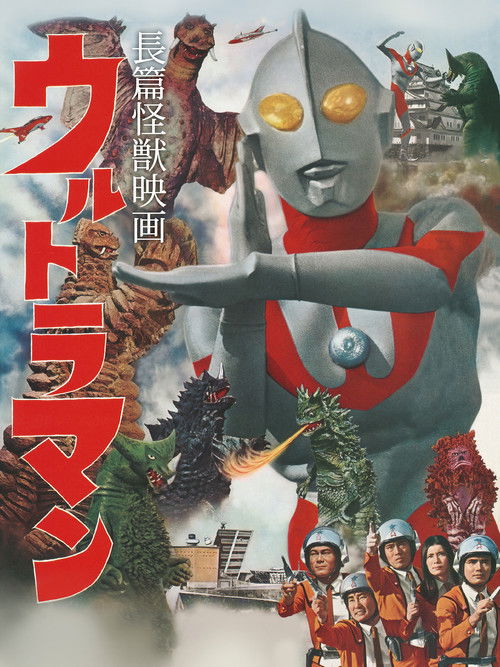
The film consists of re-edited material from the original television series Ultraman. Episodes 1, 8, 26, and 27 were used for the film. They were narrated by Hikari Urano as an "Ultraman Documentary". Allegedly only one new scene was shot, and that some parts of the movie where shot in black and white for unknown reasons. The movie screened at the same time as the Toho movie King Kong Escapes.
Ultraman: Monster Movie Feature
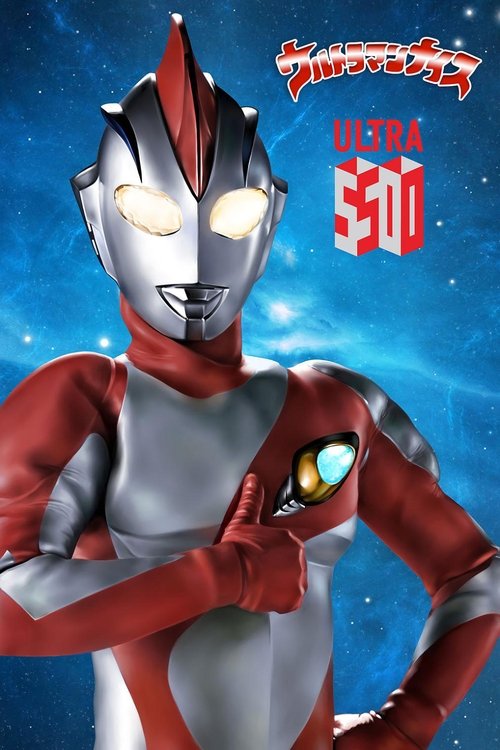
Ultraman Nice arrives from the planet TOY-1 in a series of infomercials (1-minute toy commercials) presented during the 1999 Japanese reruns of Ultraman Tiga. The 1-minute spots, advertising the wide variety of Bandai Ultraman toys and other merchandise, actually do have a storyline, along with some surprise guests. Throughout the series, Alien Zagon and his monsters attacked Earth for the Bandai figures. However, at each attack, Ultraman Nice managed to defeat them and, at the end of the series, the aliens were finally vanquished
Ultraman Nice

Two women are ferried to a small prison colony on the remote and barren prison island, where they and their fellow inmates are forced to perform perilous slave labor along the island’s treacherous cliffs, overseen by both an unforgiving sun and a crew of abusive male wardens. Meanwhile, the arrival of a newcomer among the island’s administrators, a disgraced policeman who is also the son of Nagasaki’s governor, creates dissension between the officials that, along with an untimely outbreak of bubonic plague on the island, ultimately sets the stage for a daring escape attempt on the part of the prisoners.
Island of Horrors
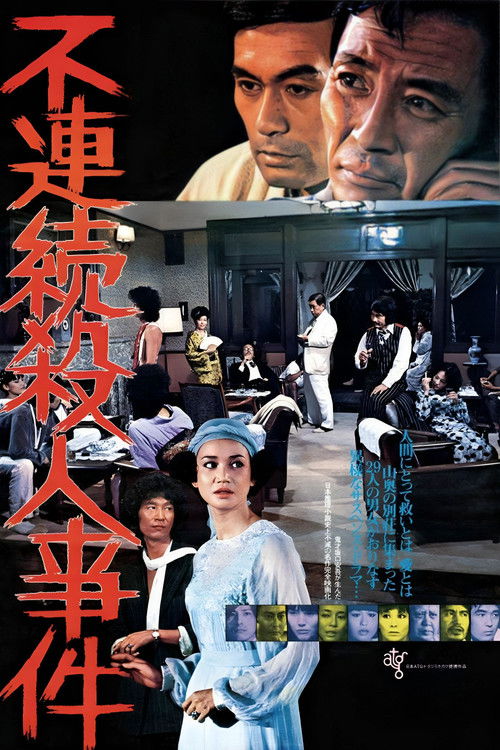
In the summer of 1947, various men and women gather at a mansion in the countryside at the invitation of Kazuma Utagawa. They are artists, novelists, poets, painters, playwrights, actresses, etc. Then the murders begin, one after another. The incident seemed to have no continuity...
Case of the Disjointed Murder
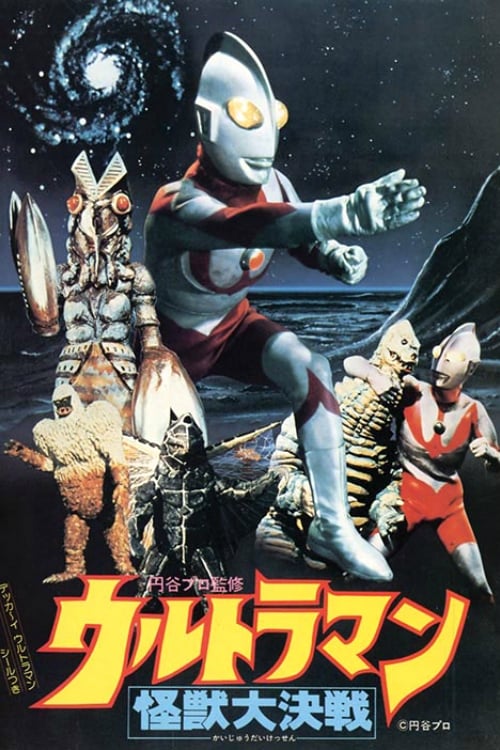
A 1979 Japanese tokusatsu kaiju film produced by Tsuburaya Productions, consisting of re-edited material from the original television series Ultraman. Ultraman: The Great Decisive Battle was the 1st movie of the third Showa phase (Jissouji's Ultraman being first and Ultra Brothers vs. The Monster Army being second) and because of this Tsuburaya decided to make this a reunion of the last 12 Ultras (aside from Ultraman 80 which hadn't come out yet). Tsuburaya decided to give this a different tone than Jissouji's Ultraman, having more new scenes and appealing to the all-Ultra fan.
Ultraman: Great Monster Decisive Battle
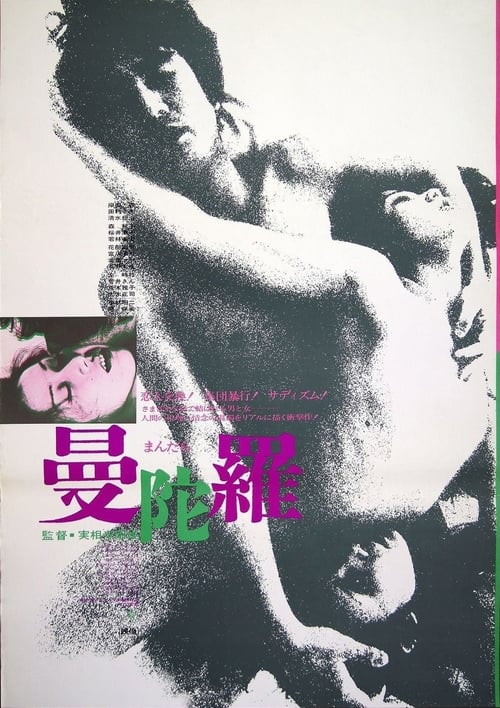
Two university students from Kyoto decide to swap partners and spend the night in an isolated motel. However, one of the couples is attacked. Desperate for answers, they search for the attackers and come across a cult that promotes sexual freedom.
Mandala
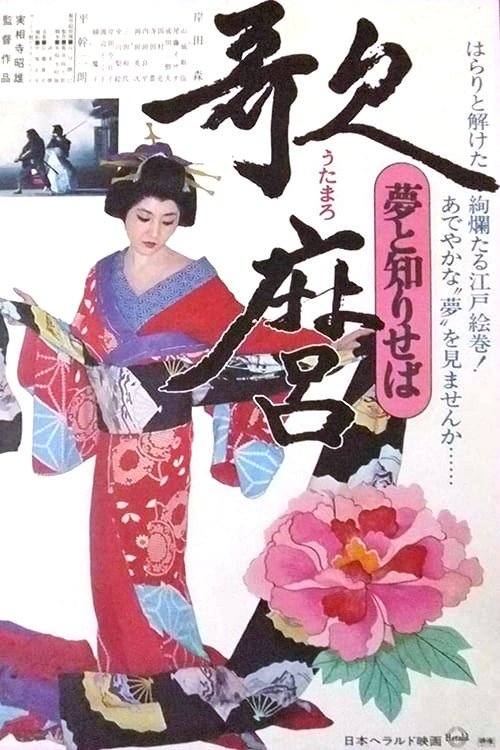
Utamaro was an artist who lived in Edo (which was later to become modern-day Tokyo) in the late 18th century. This film, which has a complex and wide-ranging storyline, recreates the world of that time, as it appeared in Utamaro's paintings.
Utamaro's World

A rigidly devoted young servant lives in a decaying aristocratic household as its members drift toward modernity, hedonism, and financial collapse. While the family quarrels over the fate of their estate, he clings to tradition and ritual, becoming a quiet witness to the social change and emotional unrest around him.
Poem
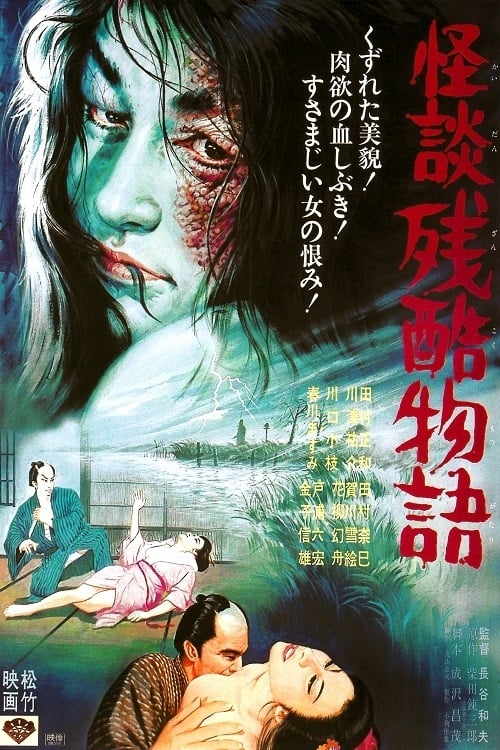
A samurai kills a blind man who tells him to repay his debts. Because of the samurai's actions his entire family is to bear a terrible curse.
Curse of the Blood

Ultraman Shadow, Ultraman Zearth's most terrifying adversary yet, is brought to Earth by the murderous alien, Lady Benzen to be Ultraman Zearth's assassin. Ultraman Shadow is a warrior of darkness equipped with mysterious powers. Prepare to witness the ultimate showdown, colossus versus mighty colossus, the battle ground: Planet Earth!
Ultraman Zearth 2: Superhuman Big Battle - Light and Shadow
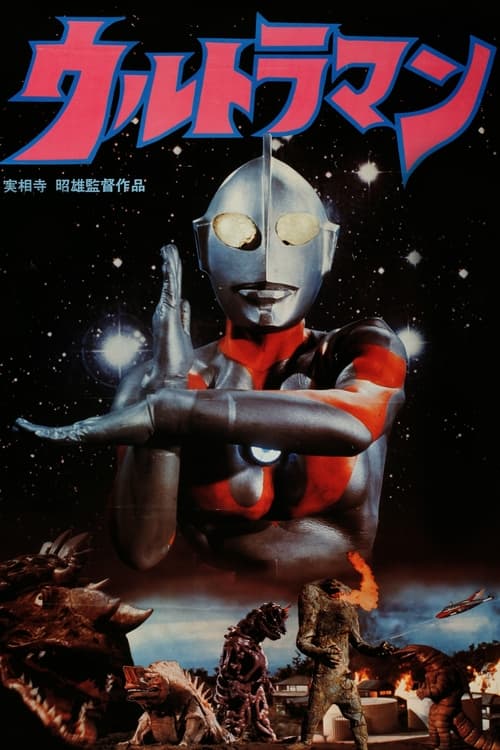
Akio Jissoji's Ultraman is a 1979 Japanese tokusatsu kaiju film directed by Akio Jissoji. It is a compilation film made up of scenes from Jissoji's episodes of the original Ultraman TV series.
Akio Jissoji's Ultraman
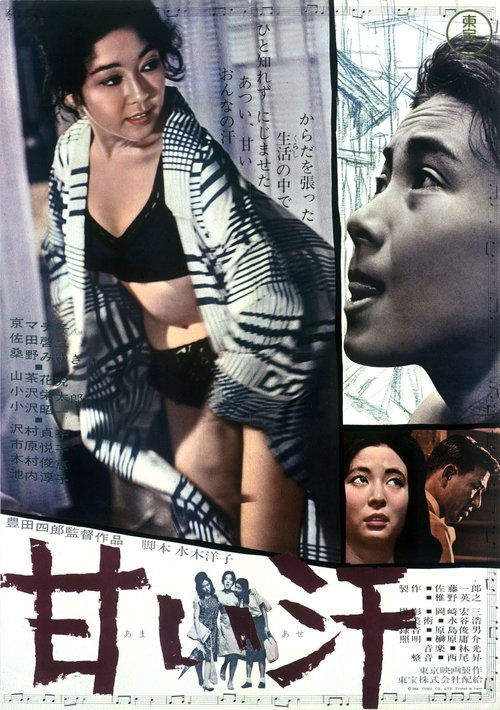
This film by Toyoda depicts the hard life of an unmarried mother in Tokyo. Umeko (Machiko Kyo), at 36, is working in a bar, struggling valiantly to keep her family together. Her 17-year-old daughter Takeko becomes increasingly upset by her mother's constant drinking and yakuza boyfriend, and runs away from home. Kyo's performance was highly praised.
Sweet Sweat
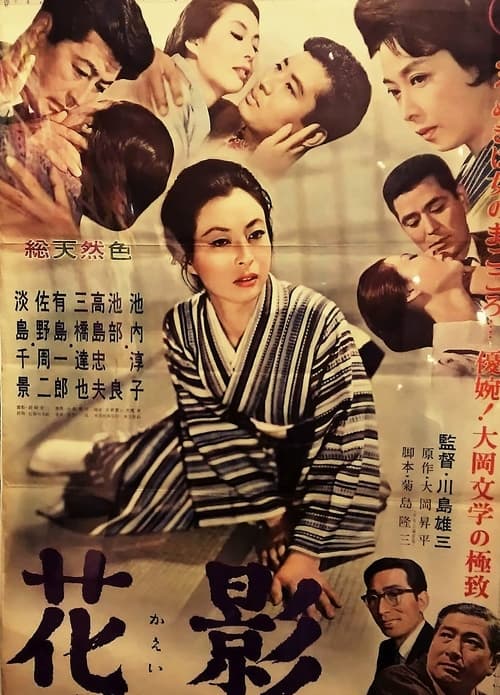
No description available.
Kaei

Ultraman Zearth hails from The Land of Pikari in Nebula Z95. He has a big red face and dislikes dirt, and will go to great lengths to wash it off his hands. His goal is to clean the polluted Earth. He transforms with an electric toothbrush, which is consistent with his hygiene fixation. He's not quite adept at being a superhero, but at least he tries his best.
Ultraman Zearth
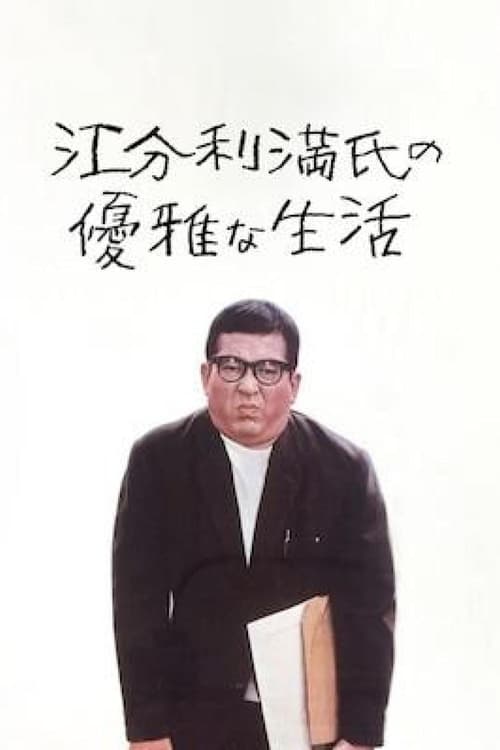
A salaryman's drunken ravings in public attract the attention of journalists who coerce him into telling them his life's story.
The Elegant Life of Mr. Everyman
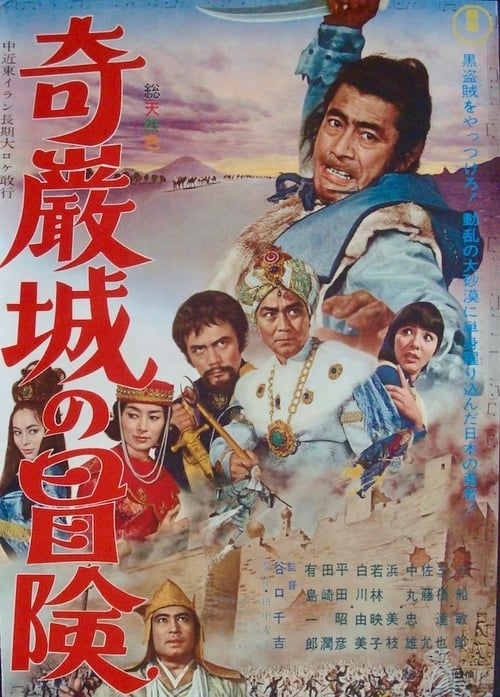
Osami, a soldier-of-fortune from Japan, joins with priest Ensai in a quest for the ashes of the great Buddha. Their journey takes them to a kingdom in the Middle East, where they find intrigue and romance in the court of an evil king.