FEEL IT.STREAM
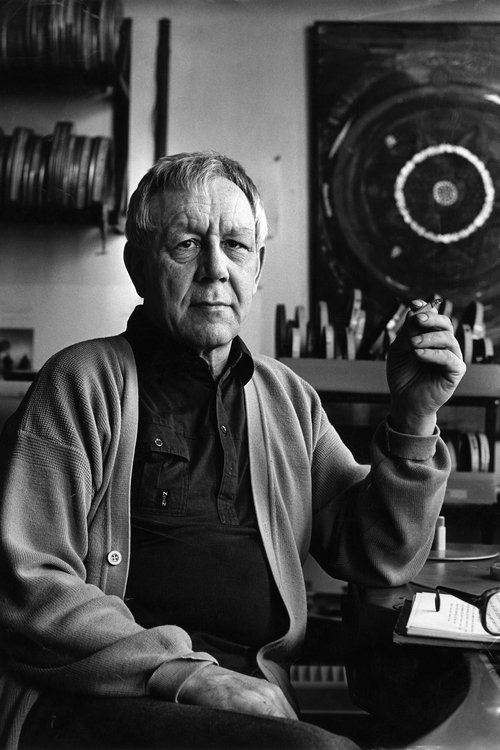
Louis van Gasteren

Louis van Gasteren

Directing

Biography

Louis Alphonse van Gasteren (20 November 1922 – 10 May 2016) was a Dutch film director, film producer, and artist.

Known For

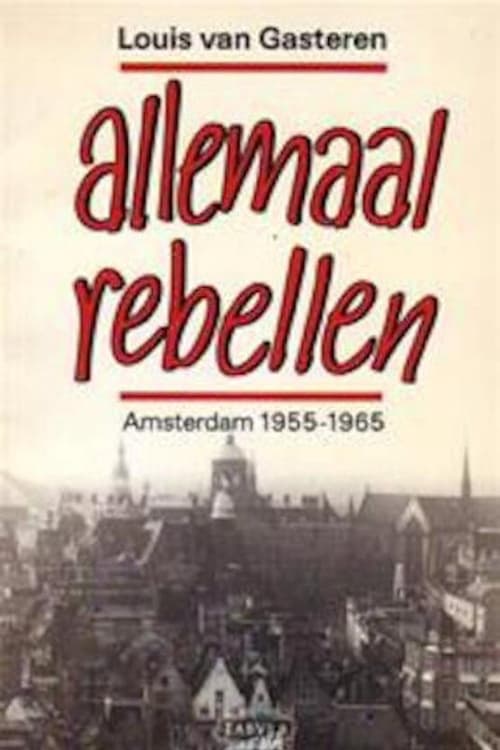
All Rebels
8.0

All Rebels paints a picture of the young people who congregated around Amsterdam’s Leidseplein square in the days before wider protest movements broke out in the late ’60s and the ’70s. They kicked against the powers that be through wild parties, jazz music, unconventional clothing, long hair, smoking marihuana, uninhibited dancing and free love.

All Rebels

1983
Begrijpt u nu waarom ik huil?
N/A

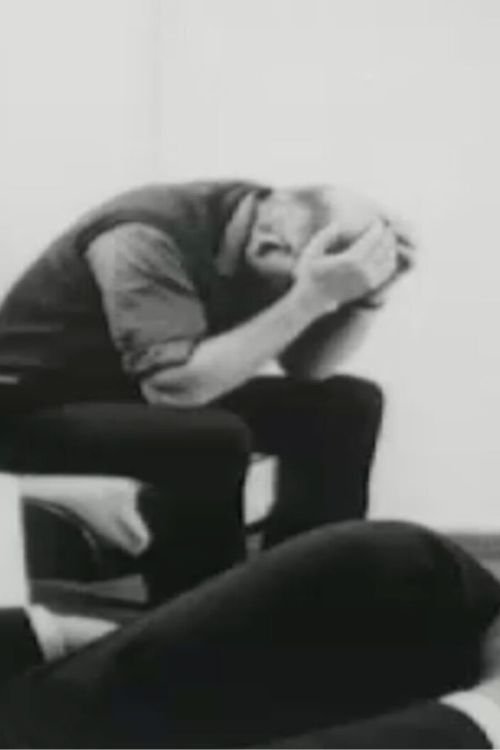
The work of Leiden professor Bastiaans on dealing with the trauma of war victims attracts the attention of filmmaker Louis van Gasteren. He decides to make a film about the psychotherapeutic treatment with LSD of a former concentration camp prisoner in the clinic of Bastiaans. Patient Joop is arrested in September 1941 and begins a long hellish journey through various camps, until he is liberated by the Russians. When he returns to his wife, he has become a completely different man. Joop suffers from nightmares and is incapable of normal human contact. With two cameras, Van Gasteren records approximately six and a half hours of the first treatment that Joop undergoes with Bastiaans (four more will follow later). Special attention is paid to details: Joop's hands, the sweat on his forehead, a tear running slowly down his cheek. Van Gasteren reduces the recordings to more than an hour.

Begrijpt u nu waarom ik huil?

1969
There Is No Plane to Zagreb
N/A

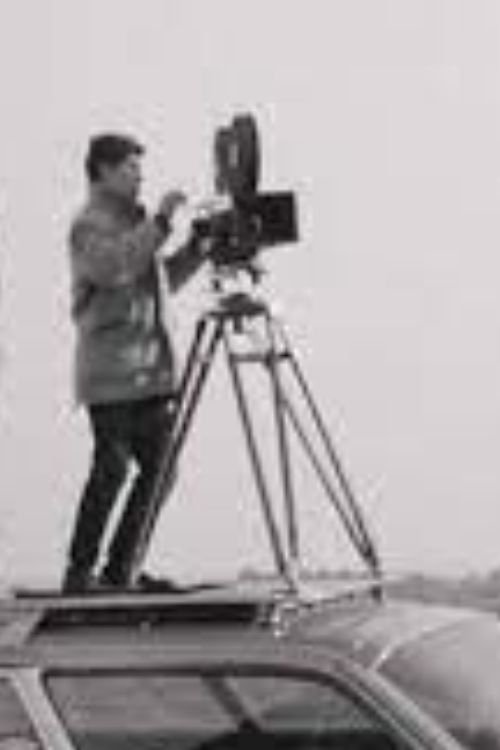
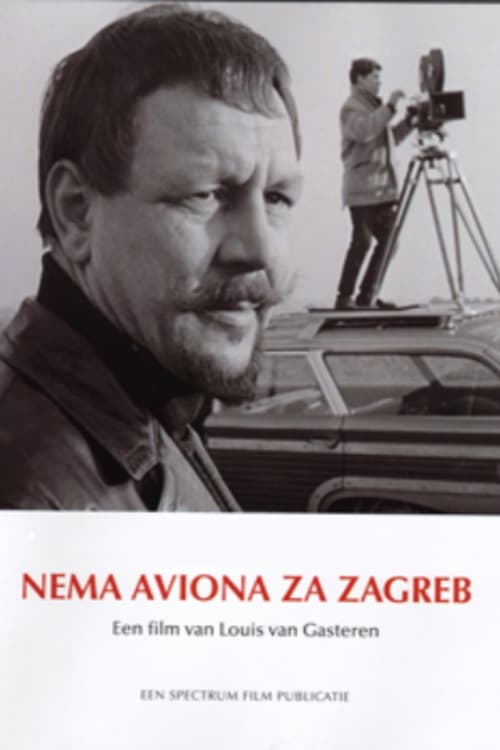
A retrospective of events in director Louis van Gasteren’s life from 1964 to 1969, filmed by him in that period and reflected on from his vantage point over 40 years later at the age of 90.

There Is No Plane to Zagreb

2012
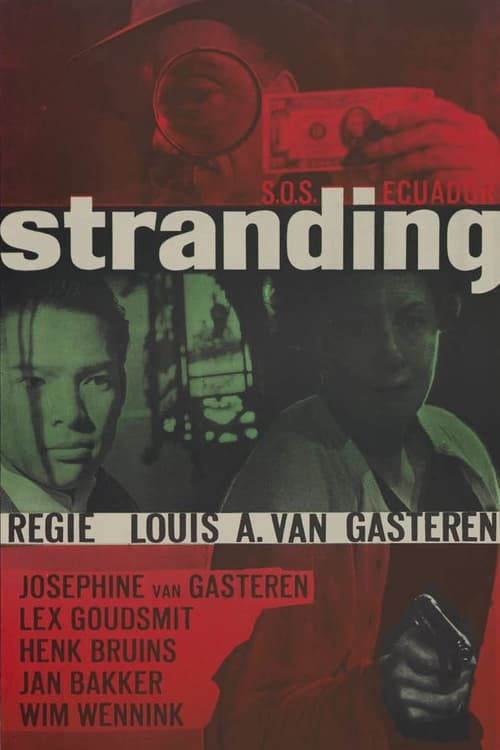
The Stranding
N/A

In Rotterdam, Baas (Lex Goudsmit) sells a batch of fake diamonds to a gang of international con-men. They pay in dollars: a suitcase full of banknotes is sent on a ship from Rotterdam to Hamburg. The wife of one of the gang members (played by Josephine van Gasteren – sister of director Louis) accompanies it to keep an eye on things. But the ship strands off the island of Terschelling and a race ensues between Baas, the gang, the shipowner and the insurer to get to the ship first and secure the case of money.

The Stranding

1957
All Birds Have Nests...
N/A

This short essayistic documentary by Louis van Gasteren is an argument for the industrialised building of homes, in the typically optimistic tone of the post-war reconstruction period. In this film, Van Gasteren makes use of elements of Soviet cinema and the French nouvelle vague. In the ’50s, Rotterdam-based contractor Dura built a factory in the Eemhaven district where prefab components for whole blocks of residential buildings could be produced. Together with architect Ernest Groosman, a proponent of reconstruction architecture, Dura built homes at various locations in the Rotterdam area. The building of these ‘Groosman flats’ is shown at a construction site in Rotterdam’s Lombardijen district, accompanied by cheerful jazz music.

All Birds Have Nests...

1961
Hans, Life Before Death
6.8

Hans: Het Leven voor de dood (Hans, Life Before Death) is a documentary feature film about the life of the young composer Hans van Sweeden (1939-1963) and those who knew him intimately. The film is about the harrowing life of the musician, poet and actor Hans van Sweeden (1939-1963), who ended his life at the age of 24. Simultaneously, the film offers a poignant portrait of his contemporaries in the turbulent fifties and sixties and the children of the Nazis. It won the Golden Calf for Best Feature Film in 1983. Award of the Dutch film critics, 1983; the Belgian film critics Award, 1984; Best Dutch Documentary 1980-1990. (Wikipedia)

Hans, Life Before Death

1983
Because My Bike Was There...
N/A

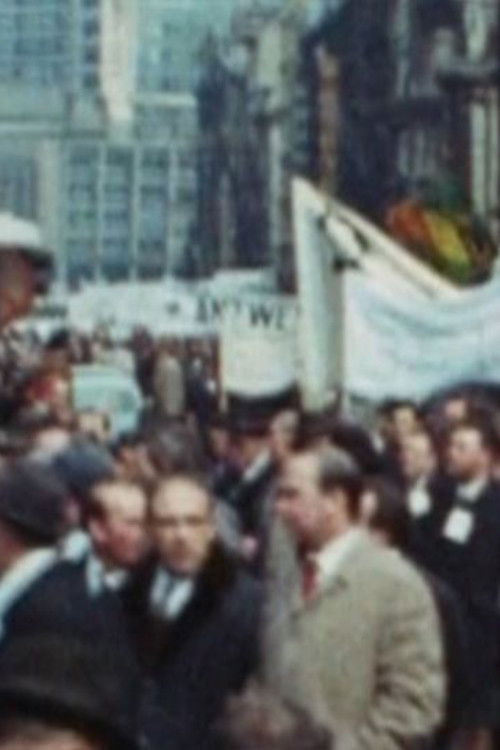
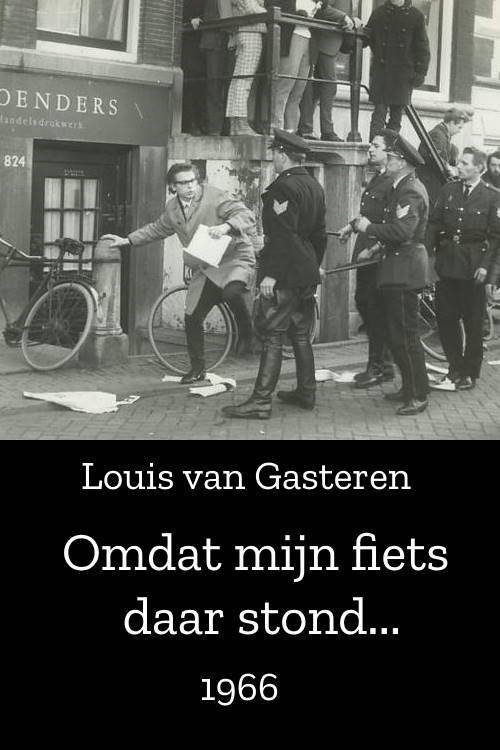
On 19 March 1966, a photo exhibition about the police intervention during the wedding of Beatrix and Claus opened in Amsterdam. After the opening, filmmaker Louis van Gasteren filmed how, in the distance, policemen began beating up a young man, seemingly without any provocation. This footage was shown that same evening on television. Van Gasteren interviewed the victim, a 22-year-old student, who declared that he was walking in that direction because his ‘bicycle was there’. That became the title of this short film, in which Van Gasteren used slow motion to analyse the objectionable actions taken by the police.

Because My Bike Was There...

1966
No image
N/A

Amsterdam is besieged by an alliance of Kennemers and Waterlanders, prepared to exact heavy vengeance on lord Gysbreght van Aemstel, the last remaining murderer of count Floris V. Filmed performance of Joost van den Vondel's classic play.

Gijsbrecht van Aemstel

1957
Now Do You Get It
N/A

This movie, made in 1969, documents the shattering story of a concentration camp survivor and his severe traumatisation, treated by Jan Bastiaans M.D. and his method of LSD psychotherapy.

Now Do You Get It

1969
No image
10.0

More than thirty years ago, Louis van Gasteren made the documentary BEGRIJPT U NU WAAROM IK HUIL? about a therapeutic LSD session that professor Jan Bastiaans did with a traumatised ex-prisoner of German concentration camps. The patient died in late 2000 at the age of 81. He left a wife and three children. Poignant conversations with the widow and youngest son, and excerpts from letters from the other two children reveal that a concentration camp syndrome can also inflict deep wounds in those who have not personally experienced it.

The Price of Survival

2003
Overstag
N/A

A personal portrait of farmer and politician Sicco Mansholt (1908-1995) by his good friend Louis van Gasteren and his wife Joke Meerman. Unique archival material and interviews with family, colleagues and former politicians including Max Kohnstamm, Jan Pronk and Hans van Mierlo give a nuanced impression of this passionate social democrat and influential, visionary politician.

Overstag

2009
Warffum 22.05.62
N/A

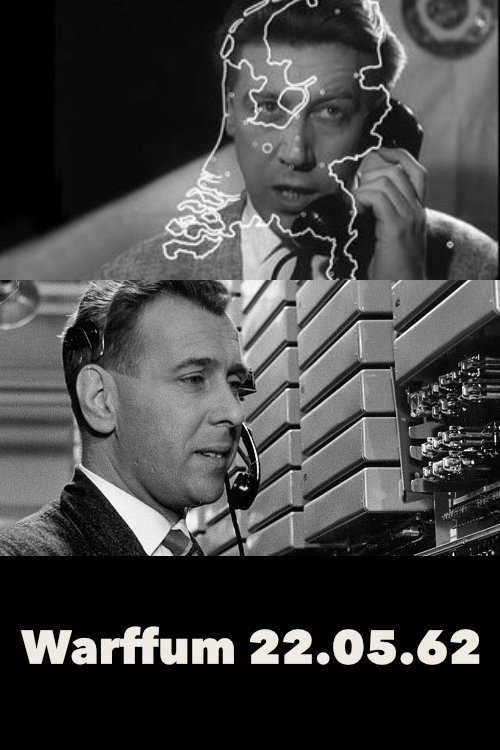
Promotional film for the former Dutch post and telecom company PTT. The occasion was the complete automation of the Dutch telephone network on 22 May 1962. Warffum in the province of Friesland was the last village to be connected. The film follows a number of people in various parts of the country as they make phone calls. The wife of a pastry chef in Maastricht reports a malfunction; an accountant in Amsterdam calls his girlfriend to say he’s absconded with the cash; and an engineer at the delta hydraulic works receives a call telling him that he’s now a father. The PTT’s engineer, working at the central switchboard in Utrecht, links all these scenes together. The film gives a great impression of the prim-and-proper Netherlands of the 1950s and early ’60s, with its sweet, bouncy ’50s style and the appropriate voice-over commentary.

Warffum 22.05.62

1962
Jazz and Poetry
N/A

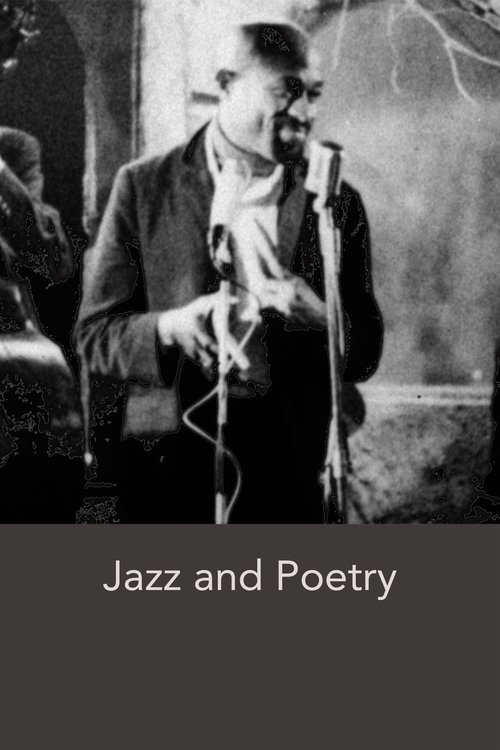
Short film documenting a performance by poet Ted Jones in combination with music by the Peter Kuiters Modern Jazz Group.

Jazz and Poetry

1964
Railplan 68
N/A

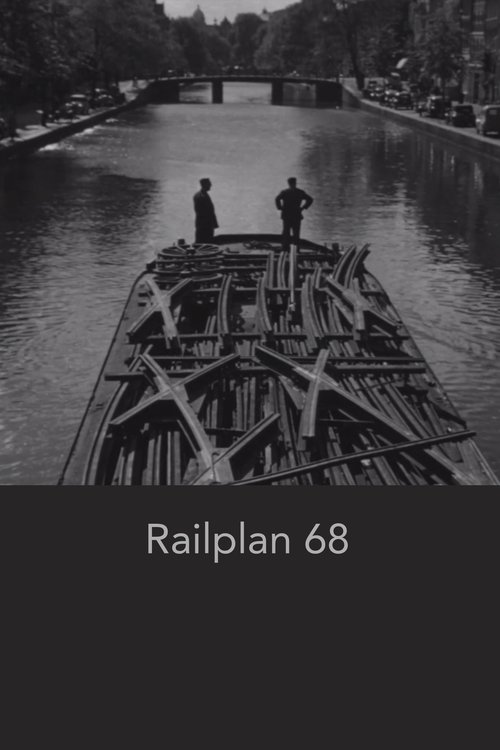
Short documentary about the construction of tramlines in the centre of Amsterdam

Railplan 68

1954
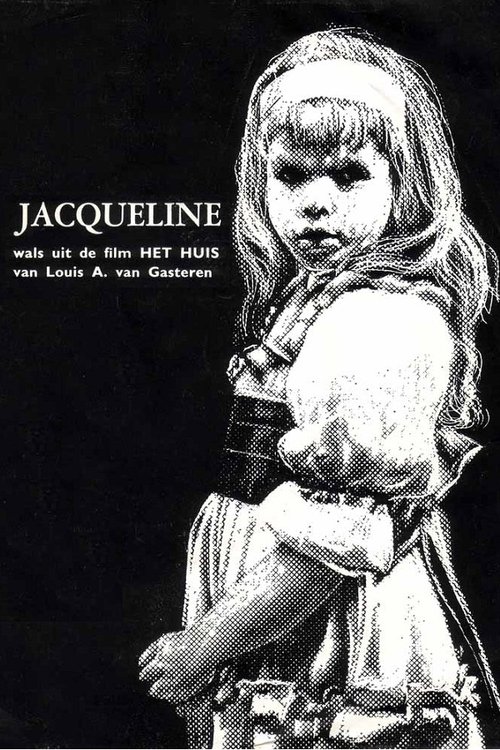
The House
5.8

As a house is demolished, flashbacks are shown of the lives of the people who lived in it.

The House

1961
Nagele Revisited
N/A

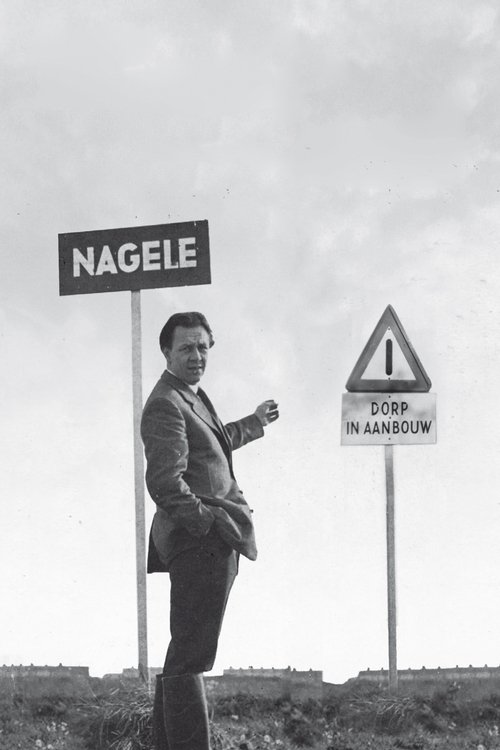
Fifty years after making A New Village on New Land (1960), Van Gasteren and co-director Joke Meerman return to Nagele. What has Nagele become? He interviews residents and local officials and sees that over the course of fifty years, this model village has changed dramatically. The world turned out not to be as makeable as previously thought, and adjustments have had to be made on all fronts. The homes were too small, social cohesiveness is under strain and the original ideas, based on ideals, seem outdated. Van Gasteren also gets architects such as Umberto Barbieri and architectural historian Ed Taverne to speak, looking back at the work and ideals of their predecessors.

Nagele Revisited

2012
A New Village on New Land
N/A

The municipality of Nagele came about entirely on the drawing board and is an international symbol for the makeability of the Netherlands. Van Gasteren became fascinated by the Nagele project, and followed it from the drawing board and models to the construction of this new community. The final result is the film A New Village on New Land from 1960 – the year in which the first residents moved into their new, modern homes. Among the early pioneers in Nagele were many farmers who were to cultivate the newly reclaimed land.

A New Village on New Land

1960
The Procedure
N/A

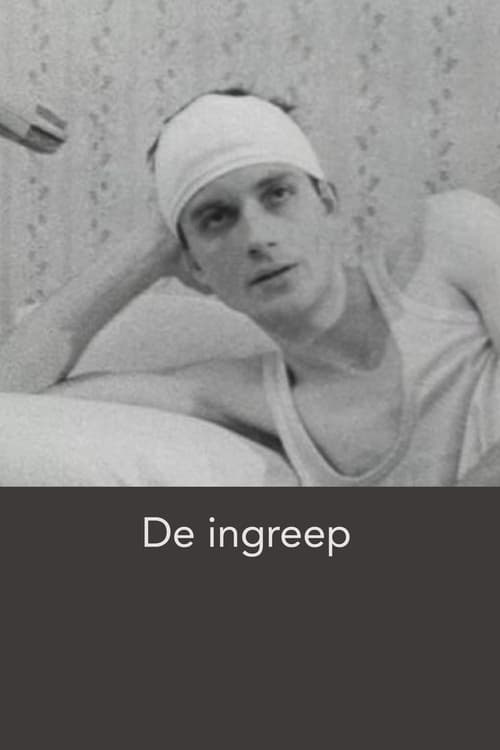
Short documentary where a student of medicine describes an experiment for which he drilled a small hole in his forehead in order to achieve a higher state of being

The Procedure

1965
Do You Get It No. 3
N/A

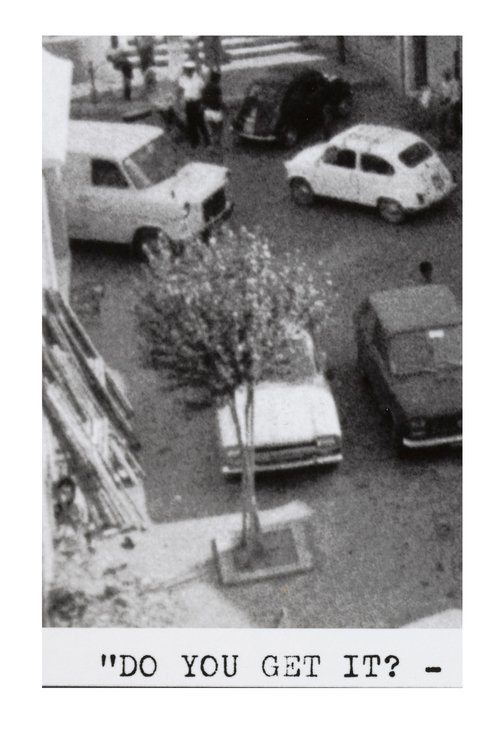
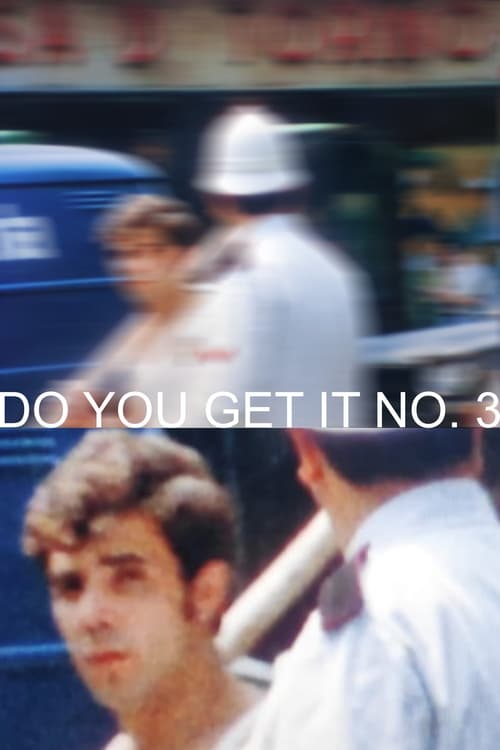
Do You Get It No. 3 deals with the behaviour of people who notice they are being filmed, without the viewer being directly aware of this. Van Gasteren films a traffic officer and the chaotic traffic at a busy intersection in Salerno, Italy. A passer-by seems to modify his behaviour the moment he notices that he’s being filmed. Van Gasteren analyses, image by image, what happens on the street and what role the camera plays in this.

Do You Get It No. 3

1975
Do You Get It No. 4
N/A

Footage of a sunny village square in Sardinia leads to humorous, philosophical reflections on reality and the role of the ‘objectively recording’ documentary maker. Van Gasteren sees the square as a backdrop in his film, and the chance passers-by as extras. Then, as a ‘director of reality’, he gives an ironic commentary on what he sees. “For a moment I thought, from what source of information am I thinking up what I see. Or, did I just see exactly what I thought.”

Do You Get It No. 4

1978