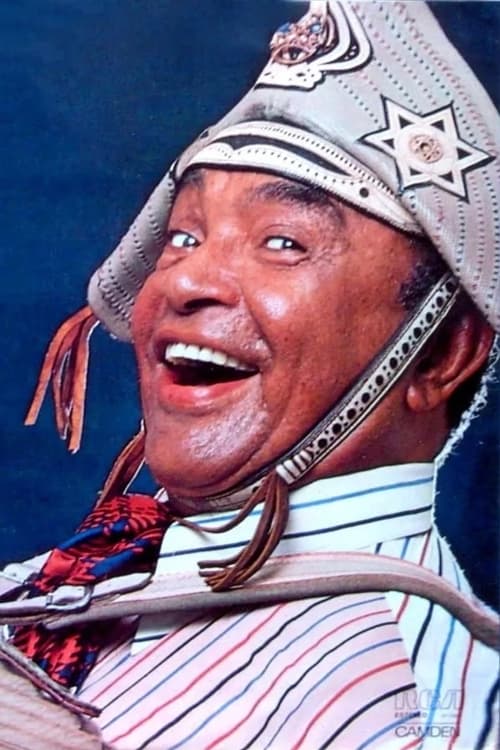
Luiz Gonzaga
Acting
Biography
Luiz Gonzaga do Nascimento (Exu, December 13, 1912 – Recife, August 2, 1989) was a Brazilian singer, composer, and multi-instrumentalist. Also known as the King of Baião, he was considered one of the most complete, important, and creative figures in Brazilian popular music. Singing accompanied by his accordion, zabumba, and triangle (the basic set of baião singers, which he himself defined), he spread the musical culture of the Northeast across the entire country, including genres such as baião, xaxado, xote, and forró pé de serra. His compositions also described the poverty, sorrows, and injustices of his arid homeland, the northeastern sertão. Luiz Gonzaga gained notoriety with the iconic songs "Asa Branca" (1947), "Juazeiro" (1948), and "Baião de Dois" (1950). Adoptive father of the musician Gonzaguinha, Gonzagão influenced other MPB artists such as Geraldo Vandré, Raul Seixas, Gilberto Gil, and Caetano Veloso.
Known For

Os Trapalhões was a Brazilian comedy group and also a Brazilian television series created by Wilton Franco. Its members were Dedé Santana, Zacarias, Mussum and their leader Didi Mocó, that was played by Renato Aragão. The name Trapalhões is derived from the Portuguese verb atrapalhar, which means the opposite of helping, to do something the wrong way or to Those that confuse. The name is translated "Tramps" in English DVD subtitles. It was aired by Rede Globo from 1977 to 1999. On March 18, 1990, Zacarias died due to respiratory failure, but the group and the series didn't come to an end until July 29, 1994, when Mussum died due to an unsuccessful heart transplant.
The Trapalhões

No description available.
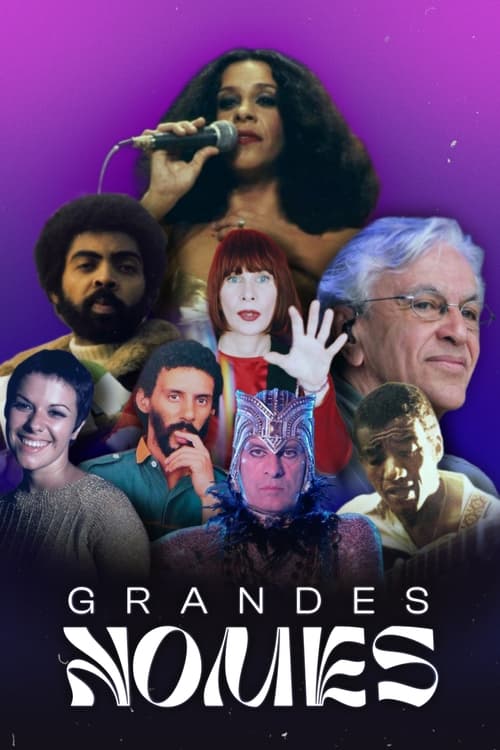
Grandes Nomes

No description available.
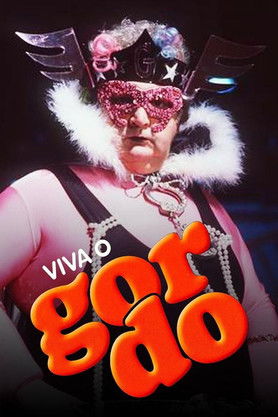
Viva o Gordo

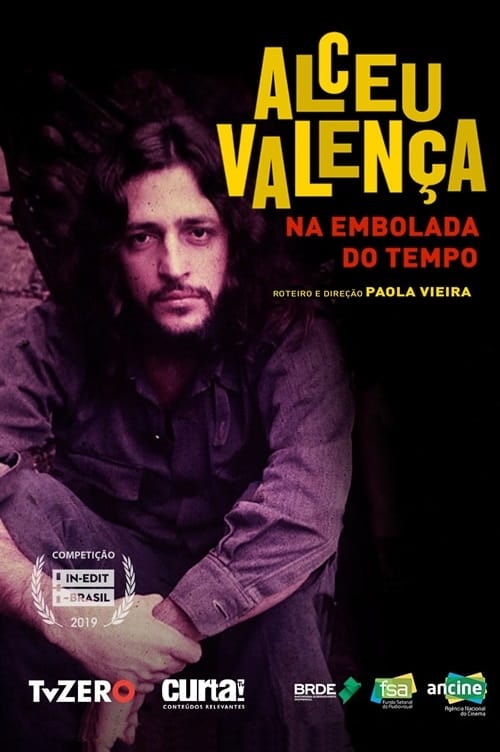
Musician Alceu Valença revisits his career, from his first contact with music, when he was still young, through the 1970s, when several names in music from the Northeast gained space on the scene.
Alceu Valença - Na Embolada do Tempo

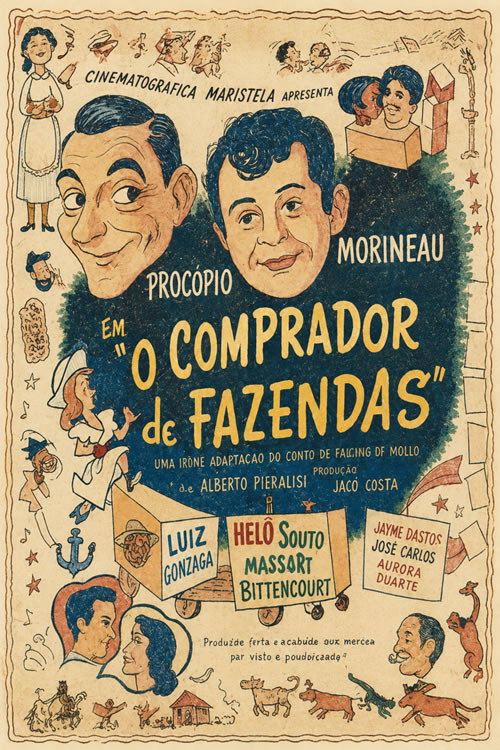
Seeing his farm in ruins, swindler tries to sell it to the first interested person, who happens to be a man who fakes being a millionaire but in fact cannot pay for the estate.
O Comprador de Fazendas

Through rare and precious footages and gigs with great artists such as Gilberto Gil, Gal Costa, Hermeto Pascoal, Djavan, Nara Leao, Luiz Gonzaga, among many others, "Dominguinhos" reveals this genius of Brazilian music, creator of a deeply authentic, universal and contemporary work. The film values the sensory cinematic experience, a journey driven by Dominguinhos his own.
Dominguinhos

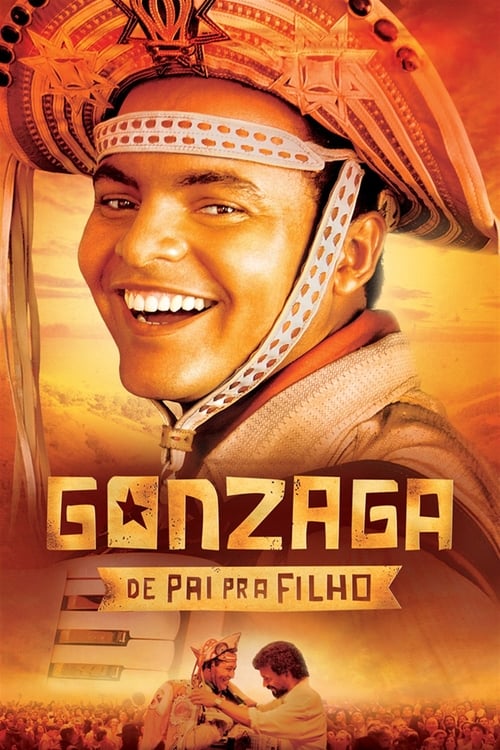
Luiz Gonzaga decides to change his destiny and leaves his childhood home for the big city to overcome a romance. When he arrives, he meets a woman he falls in love with, the Odaleia (Nanda Costa). After the birth of his son and his wife's health complications, he decides to return to the road to ensure a better future for his son. He has a friend in Rio de Janeiro and with him leaves the little one and heads to Brazil. He didn't imagine that this distance between them would develop into a complicated relationship, enhanced by the strong personalities of both. Based on conversations between father and son, this is the story of Luiz Gonzaga, a singer and accordion player known as Rei do Baião or Gonzagão.
Gonzaga: From Father to Son

No description available.
Terra Violenta

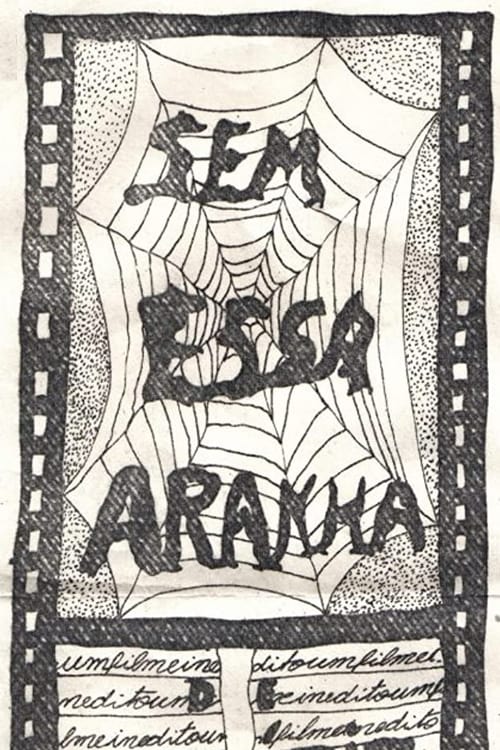
Spider, a banker, lives with three women. This tycoon is a caricature of Brazil's bourgeoisie, his trajectory is the starting point for an essay on the mental underdevelopment of Brazilian elites, in which black humor sets the tone for sharp criticism.
No Way, Spider

A short documentary on Belair, an independent Brazilian film company that lasted for only five months in 1970.
A Miss e o Dinossauro

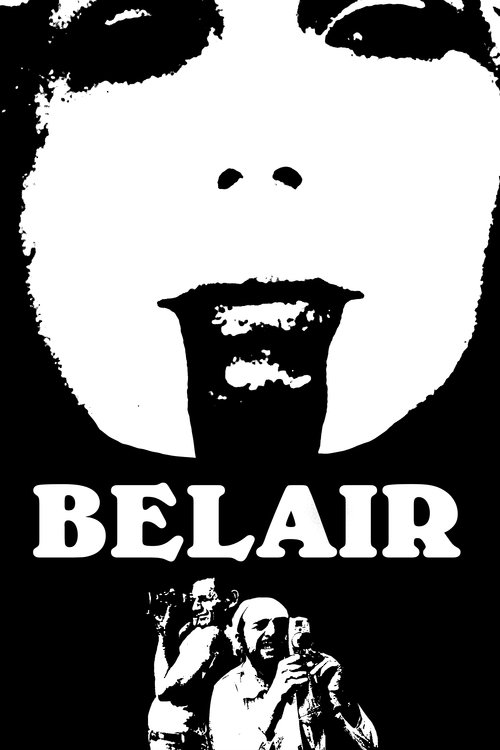
Between February an May of 1970, Julio Bresane and Rogerio Sganzerla made 7 films for their company Belair that were forbidden by the Brazilian censorship that reveal today images of an unique freedom.
Belair

No description available.
Caterina Valente presents Brazilian music

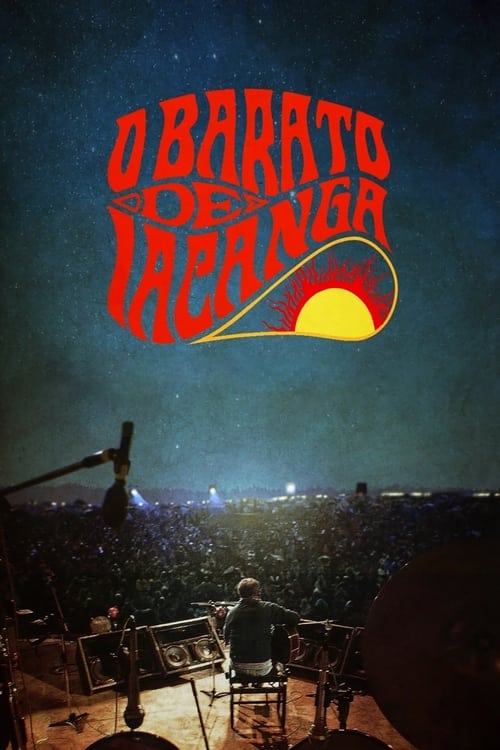
Participants recall a series of festivals held on a farm in Brazil during the '70s and '80s that evolved into liberating celebrations of music.
O Barato de Iacanga

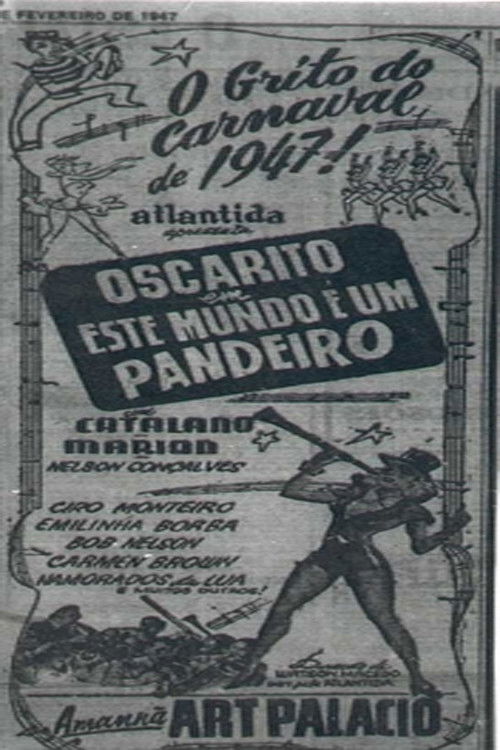
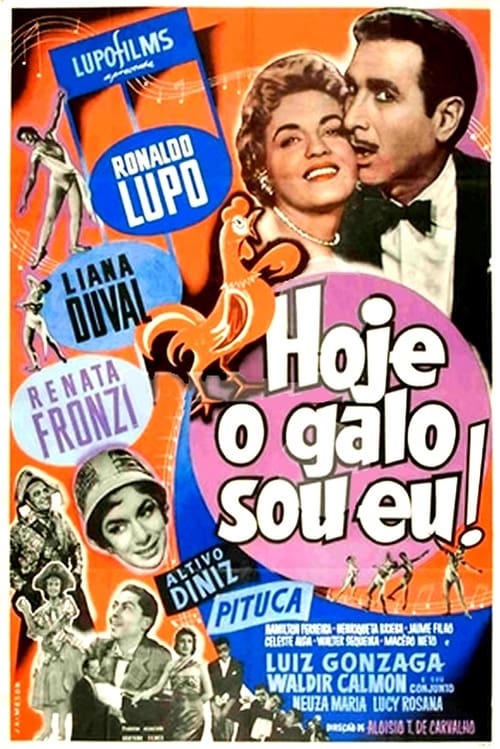
A Brazilian musical comedy
The World is a Tambourine

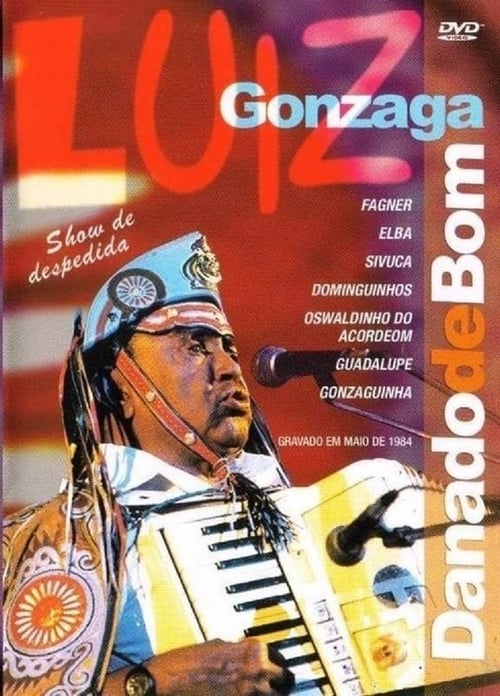
No description available.
Luiz Gonzaga - Danado de Bom

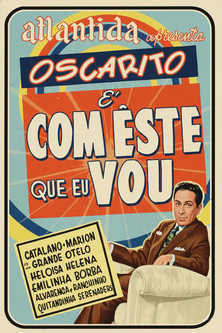
A hard working man goes to São Paulo to look for his twin brother unaware that he's famous for his lazyness.
That's What I'm Gonna Do

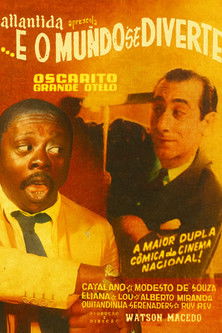
No description available.
... E O Mundo Se Diverte

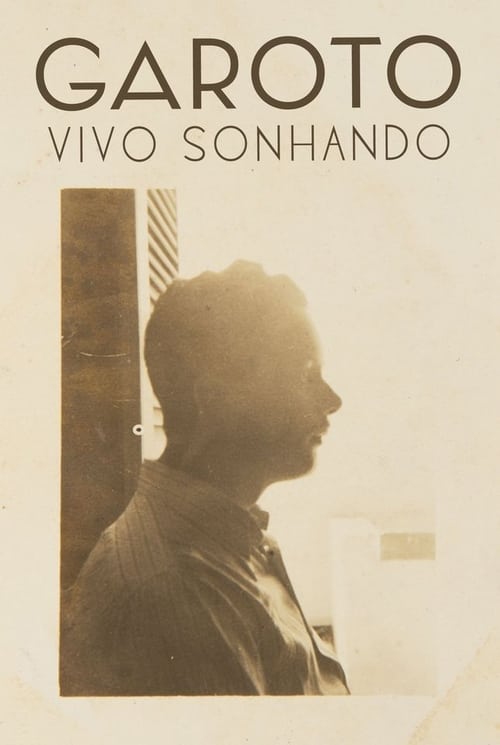
A prodigy of stringed instruments, a pioneer of Bossa Nova, a modernizing master of the guitar: Aníbal Augusto Sardinha, better known as Garoto (1915-1955), is one of the hidden pillars of Brazilian music. Woven by rare archival material, personal diaries and testimonies, this documentary reveals his influence and the artistic conflicts of an avant-garde artist in the golden age of Brazilian radio.
Garoto - Vivo Sonhando

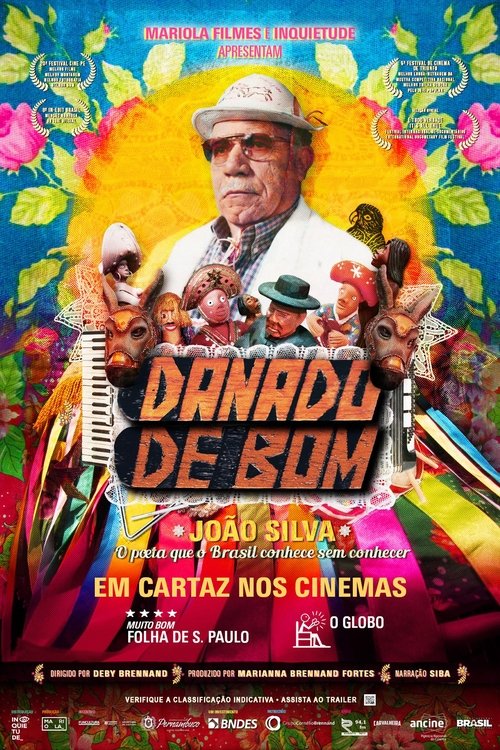
Born in Arcoverde, in the backlands of Pernambuco, the lonely boy who was raised by his father after his mother left, João Silva soon discovered a passion for the northeastern rhythms, such as the baião, xote and forró. He went to Rio de Janeiro when he was still a little boy to meet the idol Luiz Gonzaga. Both men, who were not very fond of each other when they first met, became not only great friends but also partners in many hits like “Doutor do Baião”, “Nem se Despediu de Mim” and “Pagode Russo”.
Danado de Bom
No description available.