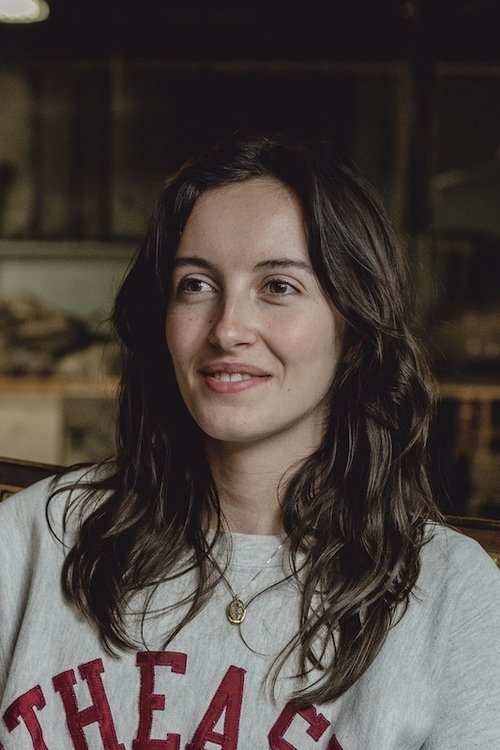
Jacqueline De Niverville
Acting
Known For

In Toronto lively music, intricate textiles and vibrant colours paint an unlikely story of love and family when Badi and Sharon, two young students with very different upbringings from a divided Persian community, accidentally fall in love.
Tehranto
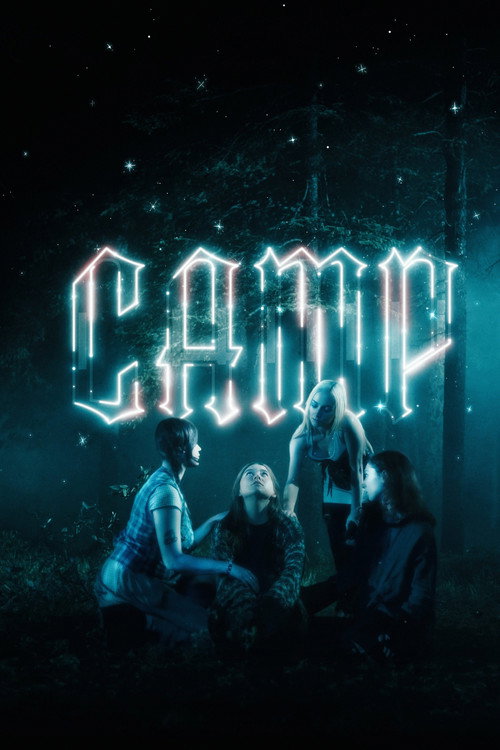
Emily is the cause of two tragedies early in her life; her dad suggests she go to a Camp for troubled youth to ease her guilt. When Emily arrives, she is taken in by the other counsellors; they accept her as she is and wrap her in a veil of peace & forgiveness. Emily stands at the forefront of a new kind of life, but there’s a voice out there in the woods she can’t ignore, telling Emily to go home.
CAMP
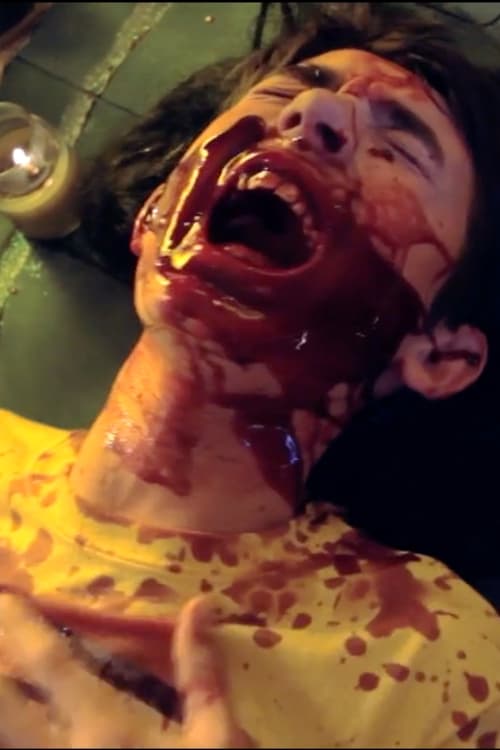
A pair of super-powered siblings grow up and grow apart as they struggle with the changes that come with puberty.
Sibling Power
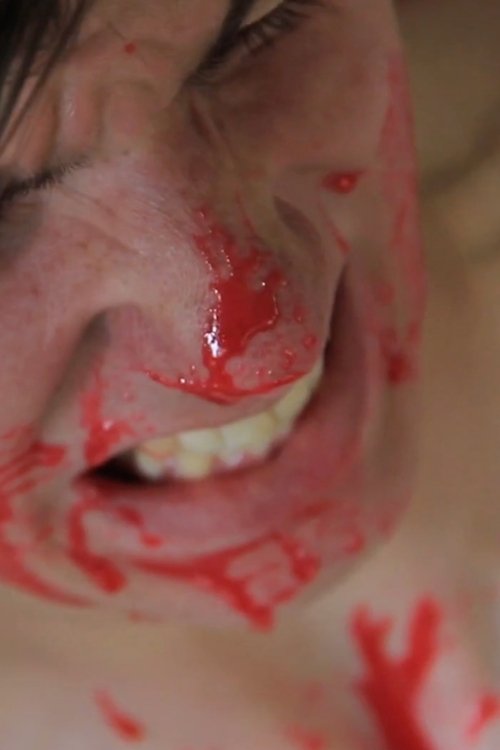
Tommy and Susan work through their communication problems, confronting unfaithful memories and the embarrassing monsters of relationships-past.
Mood-Killer
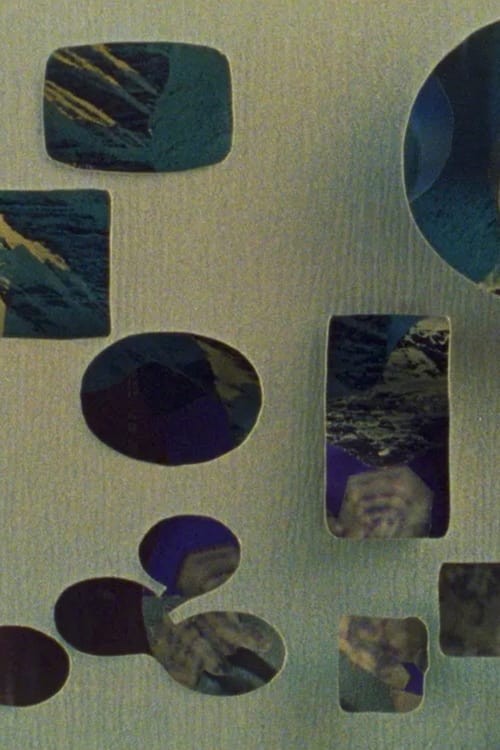
Ikebana, the Japanese art of flower arrangement, is explored in a delicate and ethereal manner, layering space, time, and the elements of life. This ancestral art is observed from a distance, so as to never interrupt the movements of its practitioners. Rita Ferrando’s Ikebana is a hypnotic work with somewhat esoteric narration that highlights each step in the process with animations emphasizing the meticulous and meditative deeper meaning behind the art. This hybrid structure raises questions about the art of representation, inevitably present in cinema. How can we grasp the essence of what we want to show on film? Ikebana suggests that what we seek may be hidden well beyond the visible realm.