Sound
The Mike Douglas Show is an American daytime television talk show hosted by Mike Douglas that originally aired only in the Cleveland area during much of its first two years on the air. It then went into syndication in 1963 and remained on television until 1982. It was distributed by Westinghouse Broadcasting and for much of its run, originated from studios of two of the company's TV stations in Cleveland and Philadelphia.
Startime, an anthology of drama, comedy and variety, was one of the first American television shows broadcast in color.
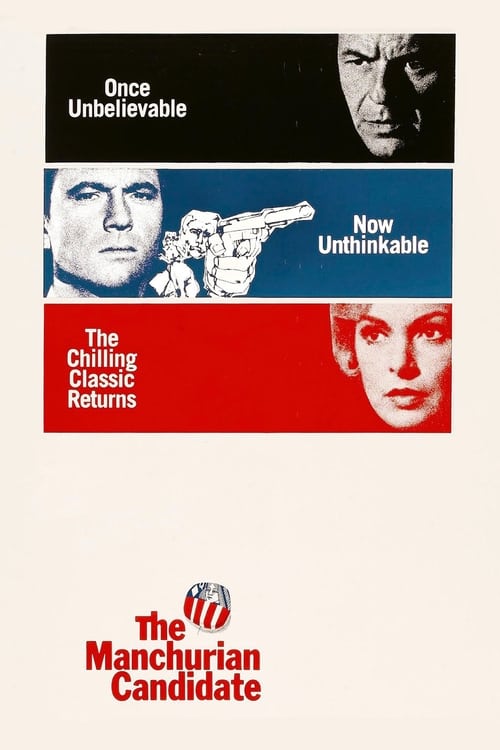
Near the end of the Korean War, a platoon of U.S. soldiers is captured by communists and brainwashed. Following the war, the platoon is returned home, and Sergeant Raymond Shaw is lauded as a hero by the rest of his platoon. However, the platoon commander, Captain Bennett Marco, finds himself plagued by strange nightmares and soon races to uncover a terrible plot.
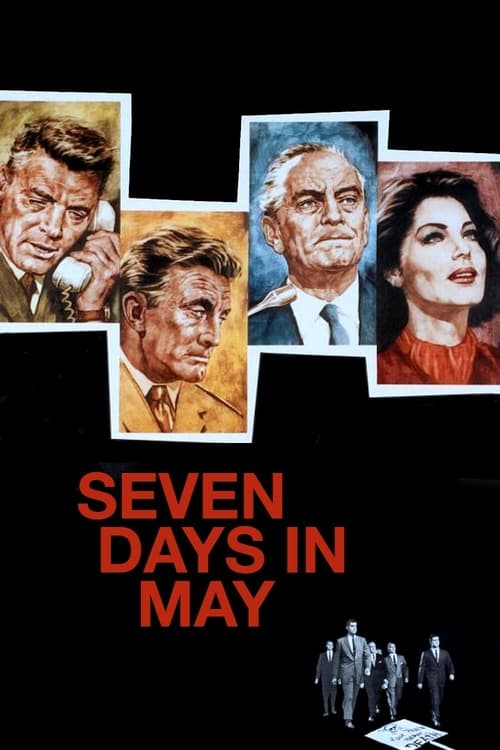
A U.S. Marine Corps colonel alerts the president of a planned military coup against him.
Traces the Beats from Allen Ginsberg and Jack Kerouac's meeting in 1944 at Columbia University to the deaths of Ginsberg and William S. Burroughs in 1997. Three actors provide dramatic interpretations of the work of these three writers, and the film chronicles their friendships, their arrival into American consciousness, their travels, frequent parodies, Kerouac's death, and Ginsberg's politicization. Their movement connects with bebop, John Cage's music, abstract expressionism, and living theater. In recent interviews, Ginsberg, Burroughs, Kesey, Ferlinghetti, Mailer, Jerry Garcia, Tom Hayden, Gary Snyder, Ed Sanders, and others measure the Beats' meaning and impact.
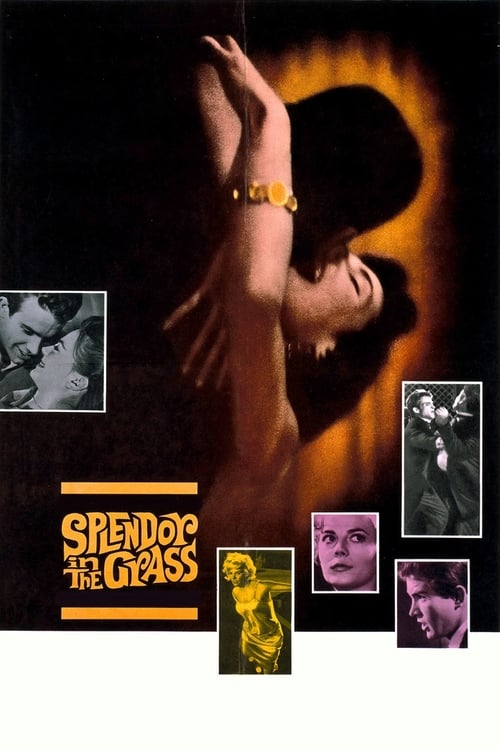
A fragile Kansas girl's unrequited and forbidden love for a handsome young man from the town's most powerful family drives her to heartbreak and madness.
An adman attempts to rebuild his shattered life after suffering a nervous breakdown.
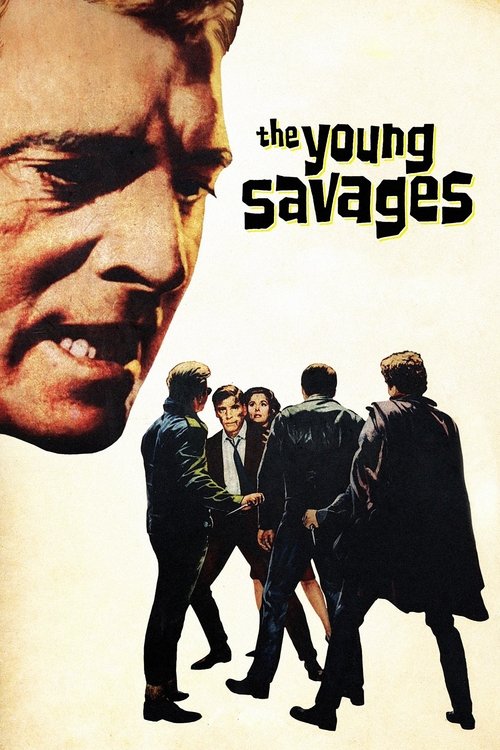
A district attorney investigates the racially charged case of three teenagers accused of the murder of a blind Puerto Rican boy.
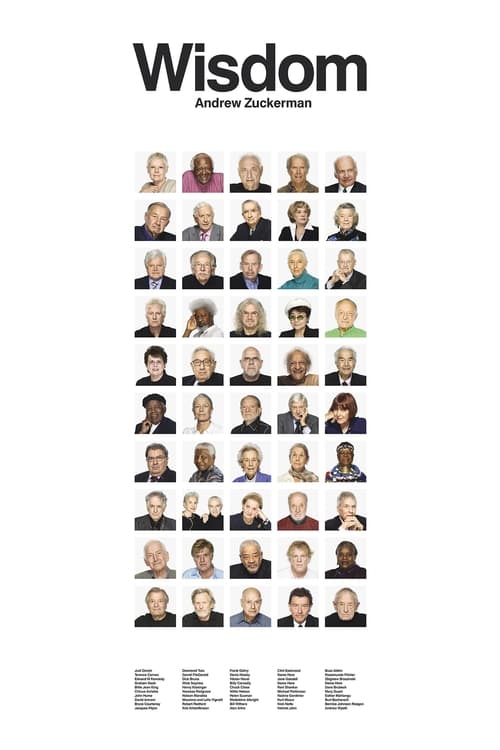
Inspired by the idea that the greatest gift one generation can give to another is the wisdom it has gained from experience, 'Wisdom' seeks to create a record of a group of people over the age of 65 who have all made their mark on the world.
Visionary artist Matthew Barney returns to cinema with this 3-part epic, a radical reinvention of Norman Mailer’s novel Ancient Evenings. In collaboration with composer Jonathan Bepler, Barney combines traditional modes of narrative cinema with filmed elements of performance, sculpture, and opera, reconstructing Mailer’s hypersexual story of Egyptian gods and the seven stages of reincarnation, alongside the rise and fall of the American car industry.
In this 26-part series, prominent historians present America’s story as something that must be presented and debated from a variety of perspectives in order to be truly understood. Their thought-provoking debates and lectures — using first-person narratives, photos, film footage, and documents — will pique students’ interest and encourage them to think critically about the forces that have shaped America.
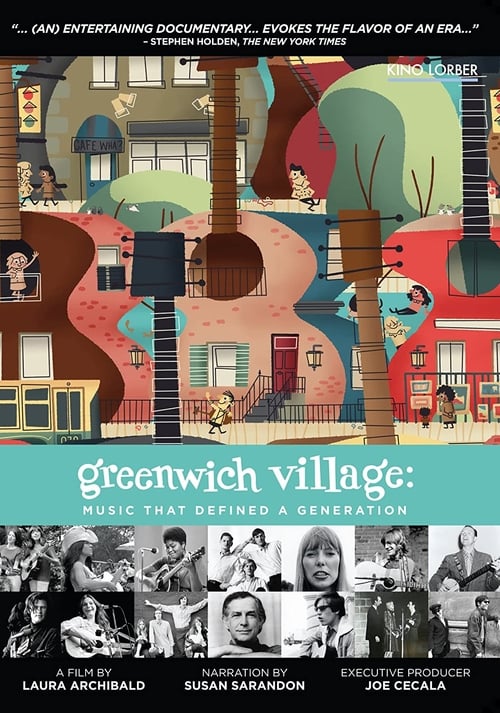
Explores the music scene in Greenwich Village, New York in the '60s and early '70s. The film highlights some of the finest singer/songwriters of the day.
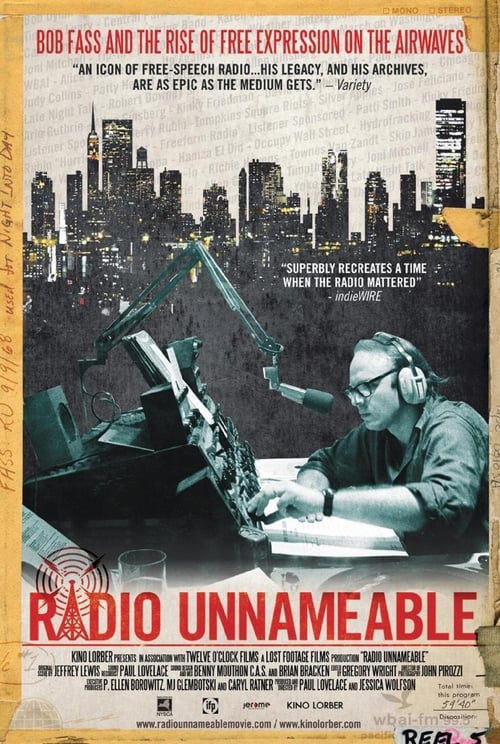
The story of legendary New York City disc jockey Bob Fass who pioneered free expression on the airwaves with his long running FM program 'Radio Unnameable'.
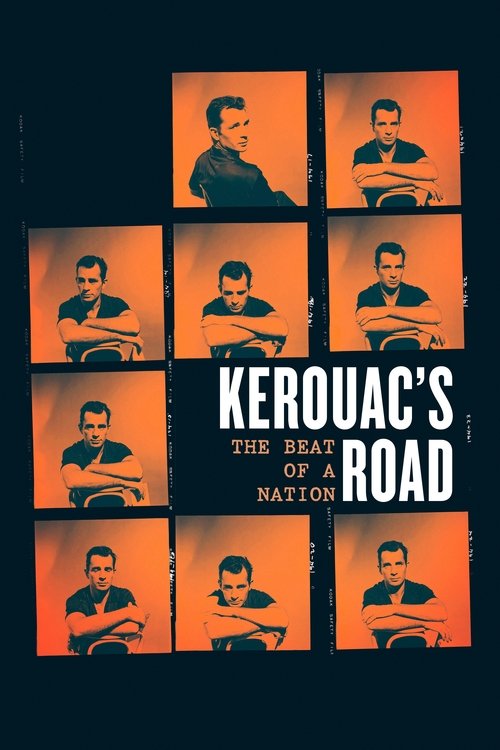
Jack Kerouac's "On the Road" finds new relevance as modern travelers and cultural figures like Josh Brolin, W. Kamau Bell and Natalie Merchant reveal how his quest for authentic experience resonates powerfully in our screen-saturated era — offering a lyrical meditation on what it means to truly experience the journey.
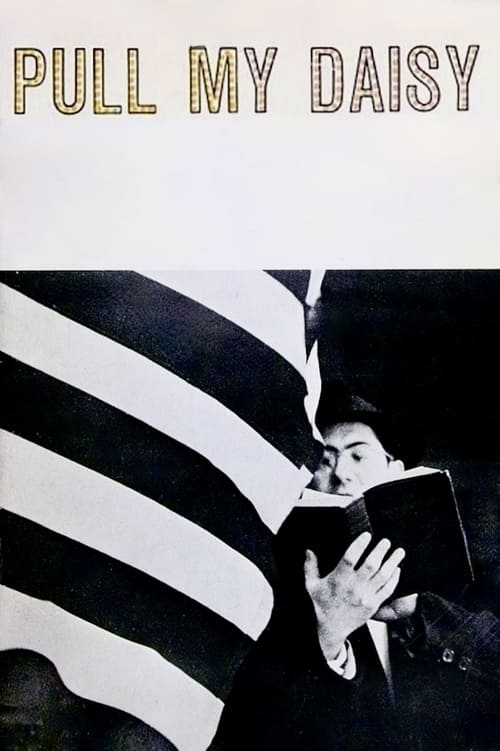
Based on an incident in the life of Beat icon Neal Cassady and his wife, the painter Carolyn, the film tells the story of a railway brakeman whose wife invites a respected bishop over for dinner. However, the brakeman's Bohemian friends crash the party, with comic results. Pull My Daisy is a film that typifies the Beat Generation. Directed by Robert Frank and Alfred Leslie, Daisy was adapted by Jack Kerouac from the third act of his play, Beat Generation; Kerouac also provided improvised narration.
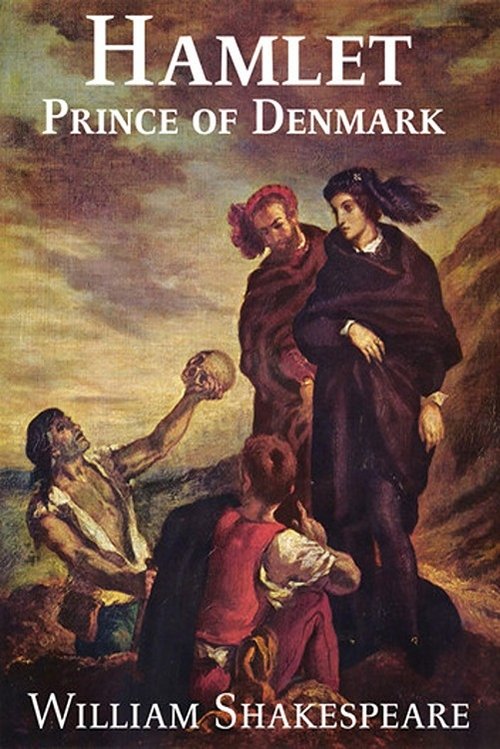
Hamlet suspects his uncle has murdered his father to claim the throne of Denmark, and the hand of Hamlet's mother, but the prince cannot decide whether or not he should take vengeance.
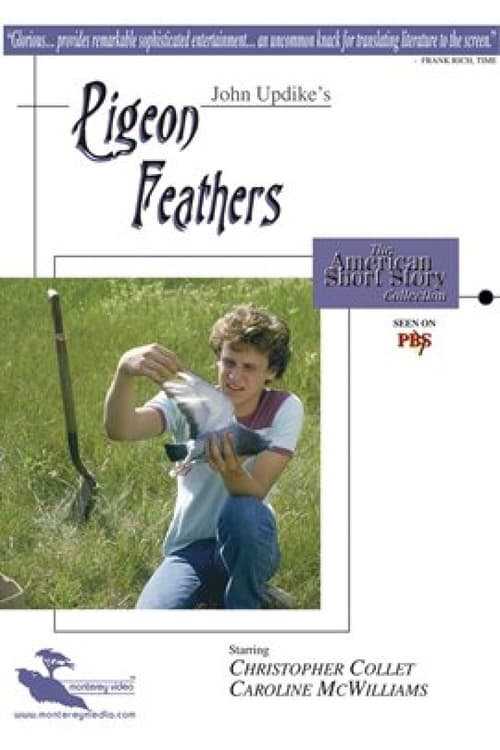
From the pen of Pulitzer Prize winning author John Updike ("Witches of Eastwick," "Rabbit Run"), comes the story of a young man's search through the questions of life and death, and the wondrous discovery of living in the soaring beauty of one of nature's simplest creations. A family returns to life on a farm and finds some answers to the paradox of living.
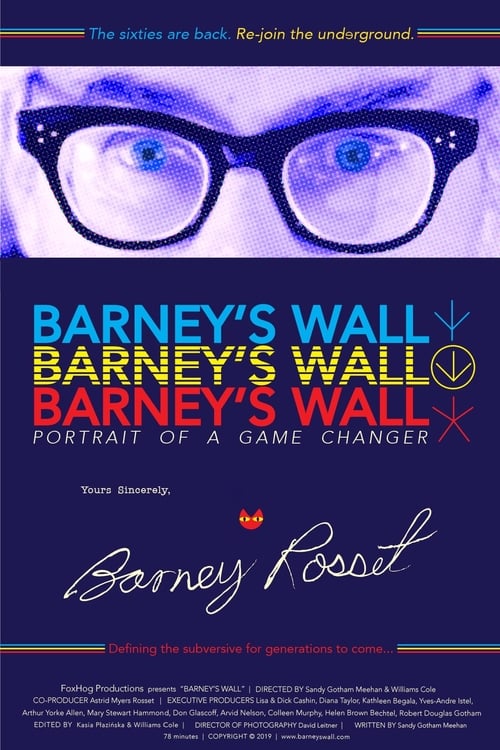
What makes a rebel? This 78 minute documentary probes the psyche of bad-boy publisher and free speech warrior Barney Rosset, whose mid-century legal and cultural battles smashed sexual and political taboos in the United States — unleashing the counter-culture of the 1960s and introducing millions of young intellectuals to the most radical currents in literature, film, theater and politics. In his late eighties, coming to terms with his life, Barney Rosset began to obsessively sculpt an autobiographical 15′ x 22′ surreal wall mural, embedded with jewel-like vignettes crafted out of found objects, each a clue to the conflicts and obsessions that drove Barney’s lifetime rebellion against authority. A cast of artists, a neurologist, and a shaman connect the clues and piece together Barney’s life.
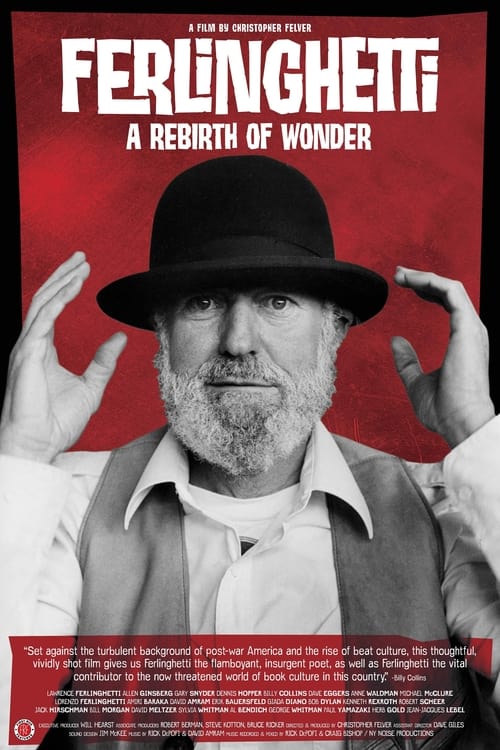
The poet and painter, Lawrence Ferlinghetti, is among the world's living monuments to arts and letters. For well over a half century, Ferlinghetti helped shape the currents of poetry and literature with his forceful engagement with society and an ideological position that often found him at odds with the political currents of his day. Ferlinghetti's quiet, behind the scenes demeanor and disarming mien may have assuaged, or even fooled, certain opponents, while in reality he was a literary mercenary, a rebel at the forefront of our own cultural revolution.
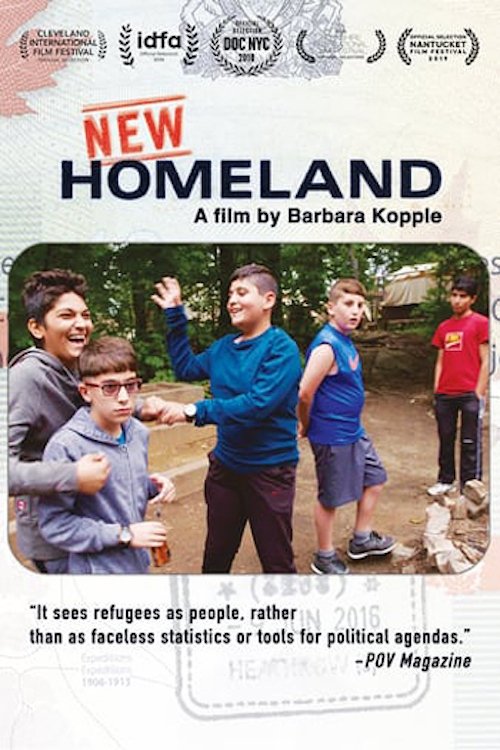
Canada, our friendly neighbors to the North, who welcomed 27,000 refugees (just 6,000 fewer than America) in 2017 alone, despite having a tenth of the U.S. population. Many of the refugees came from Syria and Iraq, and their journeys to safety were physically and mentally taxing. To tell the story of their experience, Academy Award®-winning director Barbara Kopple uses a unique and creative setting: summer camp. Located on a small island in the Canadian wilderness, Camp Pathfinder has given boys from Canada and the U.S. a place to belong for over a century. A few years ago, its director—saddened and disturbed by what he was seeing in the news—decided to give refugees the opportunity to attend the camp. Kopple’s film chronicles their stay, beautifully capturing the bonds of new friendship. But not all the boys are able to escape the mindset of war. Through the eyes of these youngsters, NEW HOMELAND documents the highs and lows of starting over.