Acting
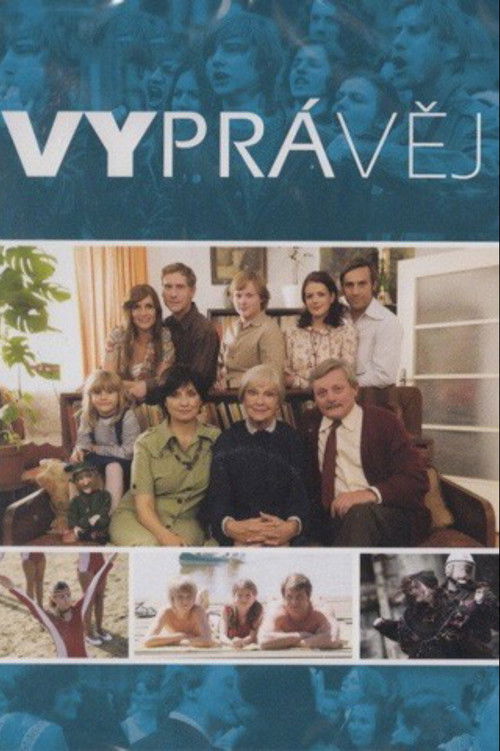
Set in Czechoslovakia, the drama follows the lives of its characters against the backdrop of real historical events that shape their personal stories. To evoke period atmosphere, the series intersperses authentic clips from vintage Czechoslovak film newsreels, using their original commentaries or newly recorded historical voice-overs by Vladimír Fišer. A narrator, initially voiced by Vojtěch Kotek and later by Matěj Hádek, provides continuity and reflection, guiding viewers through changing times. Under the guidance of screenwriter Rudolf Merkner, each episode’s script weaves family and individual dramas into key moments of Czech and Slovak history: political shifts, cultural trends, and social transformations from the 1960s onward.
No description available.
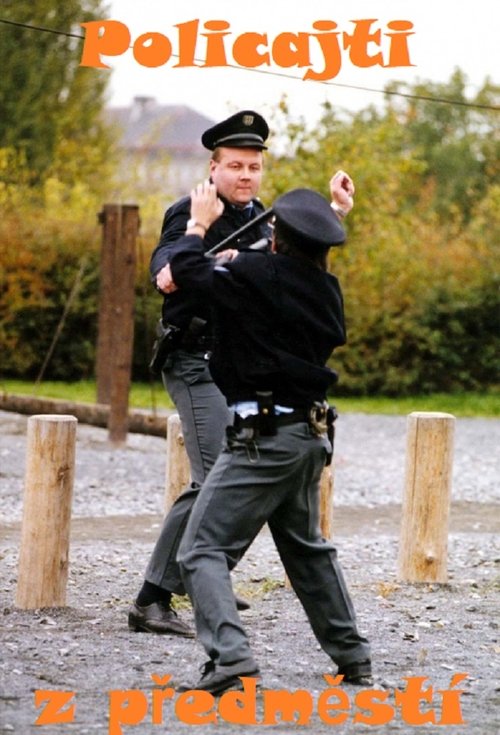
Policajti z předměstí is a Czech television comedy series which premiered on TV Nova. In 1999, 21 episodes were aired.
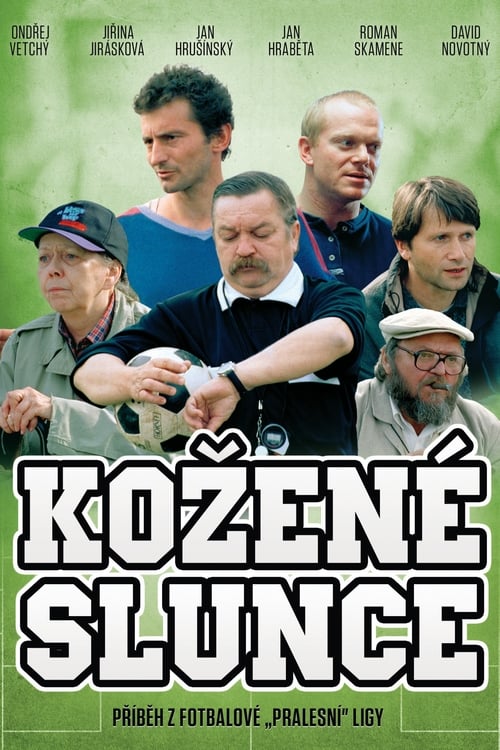
As the name suggests, the movie is about football. It is not about big league soccer, making huge money. It is about football, which lives just from village fans enthusiasm, from the enthusiasm of fathers and their sons and club officials. And yet on this battlefield, where the pub and silent household alternates, it is often about everything: friends, family, the meaning of life. It is about playing fair, but also about fighting below the belt. It is about winning, but also about falling into the abyss of the league wilderness.
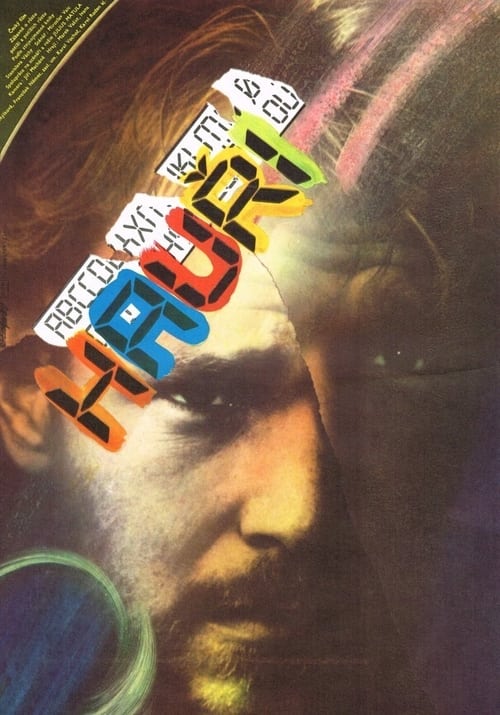
Building themes, however modified, permeated the nationalised cinema throughout its existence. This time, director Július Matula has focused on a young engineer who, with high hopes, accepts a position in a famous agricultural cooperative. However, he soon discovers that behind the proclaimed phrases there is in fact hypocrisy and protectionism. The authors criticise the fact that incompetence is often covered up, that shortcomings end up being cleverly camouflaged, that the social mood favours the mediocre and the adaptable. The hauers present a statement that is courageous, so to speak, within the limits of the law, and call for increased work consciousness.
The common denominator of the five stories, preceded by a brief prologue by Artem Benki, is the setting of a giant open-pit mine in the Podkrušnohoří region in northwestern Bohemia and its surroundings, including the dominant feature of the landscape, the ruined Jezeří Castle.
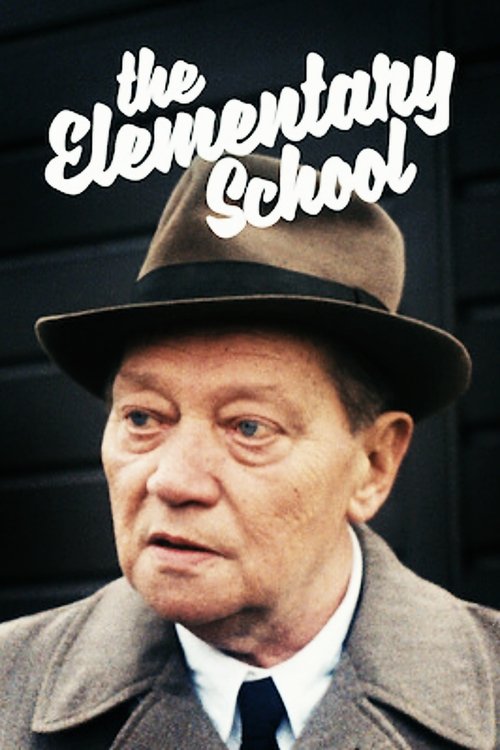
The time is 1945-46. 10 year old Eda and his friend Tonda live in a small village outside Prague. In school, their class is so wild and indisciplined that their teacher quits and is replaced by the militant Igor Hnidzo. He is very strict – but also very fair. His weakness though, is his interest in young women.
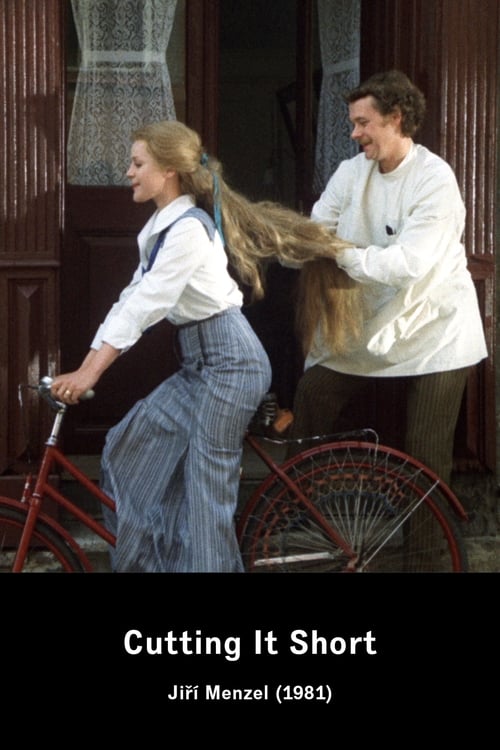
Francin, manager of a small-town brewery, has a charming wife whose abundant blonde locks are an adornment to the town. Maryska looks ethereal but loves meat and beer, while Francin is an ascetic. The strict members of the brewery board of directors come to audit the accounts, but are diverted from concentrating on Francin's detailed reports by Maryska, who has organized a pig-killing feast and is ably assisting the butcher. When she invites the old curmudgeons on the board to enjoy the fresh pork, they are too happy to agree. Francin doesn't know whether he is going to get a permanent contract. To make things worse his brother Pepin - eccentric, noisy and garrulous - turns up on an indefinite visit.
Capturing the dark humor of Czech author Michal Viewegh's chronicle of life after the Velvet Revolution, this black comedy chronicles three decades in the life of a small Czech family. While the original novel centered on the protagonist Kvido from his conception through his adulthood, first time director Petr Nikolaev and screenwriter Jan Novak changed the focus to his parents Milena, an extremely self-effacing lawyer who acts on stage in her spare time, and Ales, a rather aimless government worker who tends to drift wherever the wind takes him. The lives of Ales and Milena change dramatically following the Russian invasion of Prague in 1968.
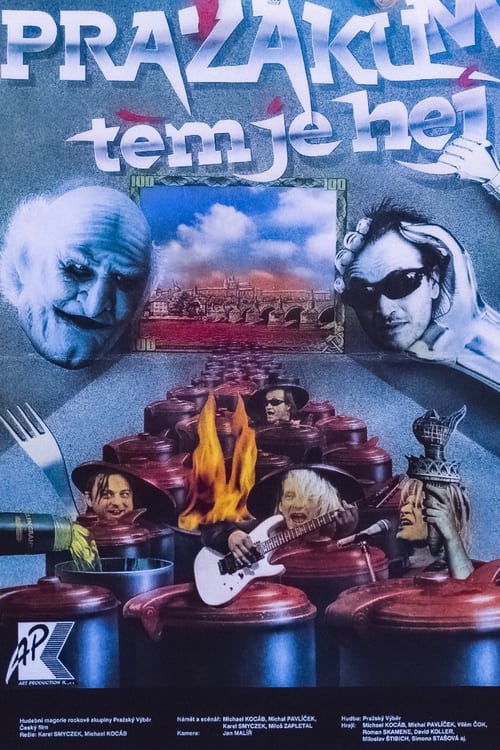
The story begins in 1984 in Prague, Czechoslovakia, few years before the end of Communist era. The band Pražský výběr (Prague's selection) has just received the news thier 5-year ban has expired and they are alowed to perform once again. This half fantasy half document about the band would draw the atmosphere of middle european late Communist era and the eufory of it's end.
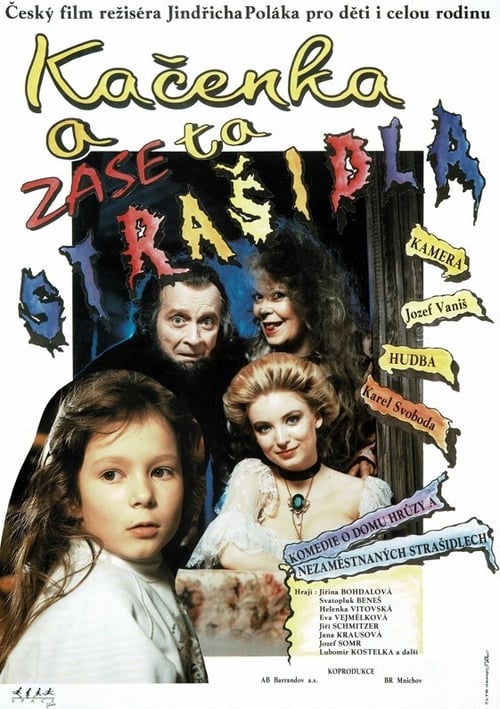
This time, the eight-year-old girl must fight to keep her parents from turning the House of Horrors, which she received as a gift from her grandfather, the Viennese Czech Swoboda, into a family villa. Helping her are her old friends, with the help of a magical clockwork mannequin, the witch Bertha, the charming Elvira and Dr Caligari. She arranges for notary Weber to come from Vienna to check that the terms of the gift agreement have been kept and that the attraction is fit for purpose...
The movie's main storyline follows the life of Otík, a young man, in a tight-knit village community. The sweet-tempered Otík works as an assistant truck driver with Mr. Pávek, his older colleague and practical-minded neighbor. Pávek's family takes care of Otík, whose parents are dead. However, the two coworkers become at odds over Otík's inability to perform even the simplest tasks. Pávek demands that Otík be transferred to assist another driver, who happens to be a choleric and suspicious man named Turek (Turk in Czech). Rather than work with Turek, Otík decides to accept an offer of employment in Prague, but finds he does not fit in to the city life. After discovering that the transfer of Otík to Prague was a trick by a crooked politician to get a deal on Otík's large inherited house, Pávek agrees to give Otík a second chance and retrieves him from the city to resume their work together.
Dr. Štěpán, dismissed for his outspokenness, returns to his hometown determined not to bend his ethical principles to the ruthless new capitalism surrounding him. When he meets a young woman who may become the meaning of his life, he must confront the tension between his ideals and the demands of a changing world.