FEEL IT.STREAM
Stefan Żeromski

Stefan Żeromski

Writing

Biography

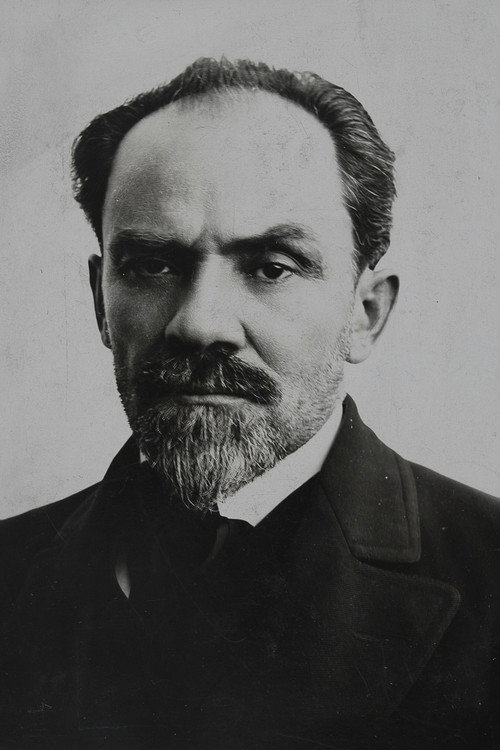
Polish prose writer, publicist, and playwright; first president of the Polish PEN Club, president of the Zakopane Republic. Four times nominated for the Nobel Prize in Literature (1921, 1922, 1923, 1924). One of the most outstanding Polish writers in history. Knight of the Order of the White Eagle.
Known For

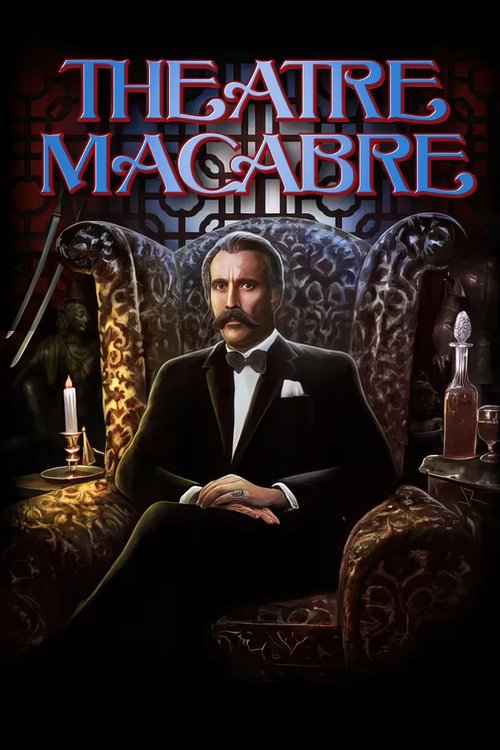
Theatre Macabre
3.0

Christopher Lee hosts this horror anthology series from Poland with stories from various classic authors.

Theatre Macabre

1971
Przedwiośnie
N/A

No description available.

Przedwiośnie

2002
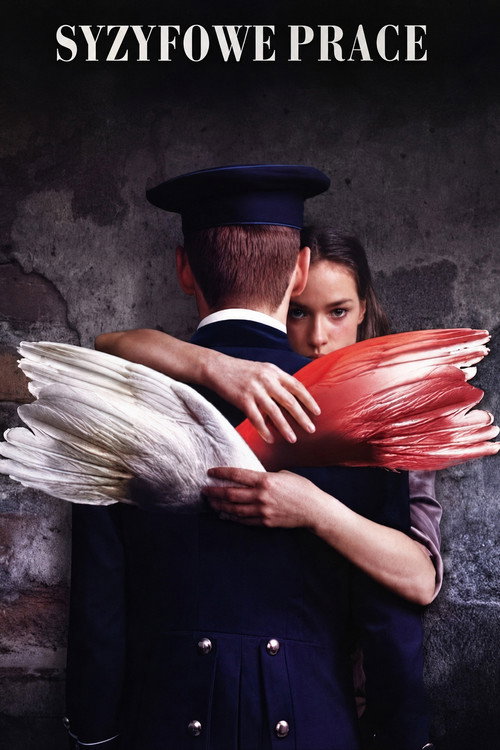
Syzyfowe prace
7.8

1890s, Russian-occupied Poland. When Marcin Borowicz begins his gymnasium education, he is confronted with brutal indoctrination and attempts of resistance.

Syzyfowe prace

2000
The Story of Sin
5.7

A beautiful Polish girl whose lover has gone to Rome to seek a divorce from his previous wife travels around Europe in search of him and suffers a variety of tragic adventures as the men around her try to fit her into their own selfish schemes.

The Story of Sin

1975
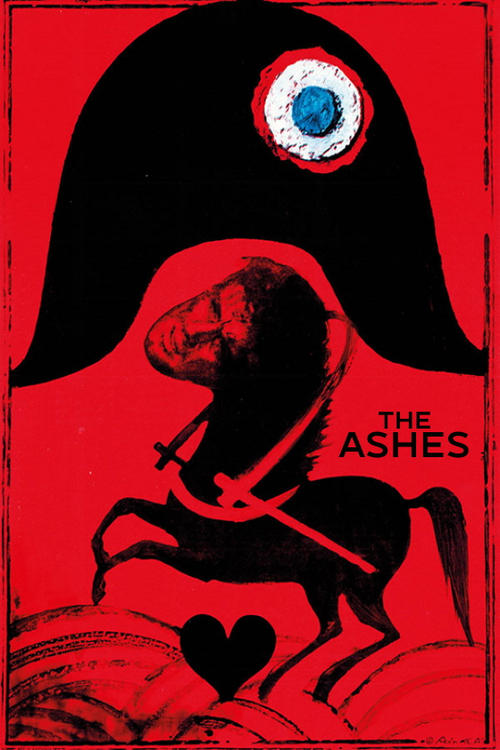
The Ashes
6.7

Set in the time of Napoleon wars, shows how the wars swept over the unfortunate Polish country at the beginning of the XIX-th century. Story revolves around the Polish legion under command of General Dabrowski, who then fought on Napoleon's side with the hopes of Poland's revival.

The Ashes

1965
Przedwiośnie
5.9

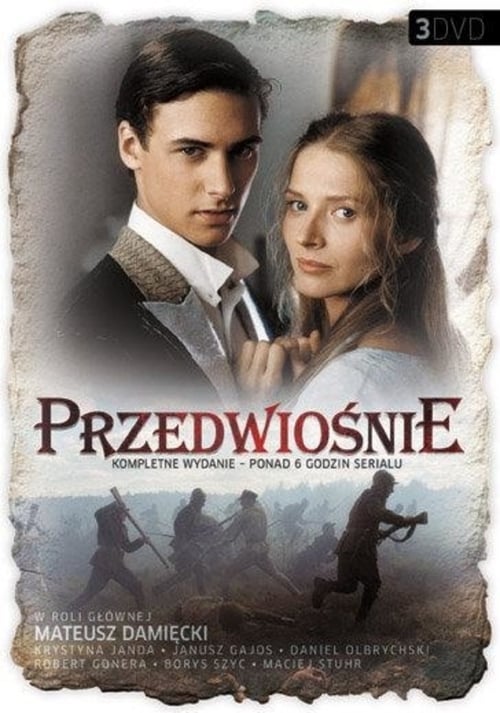
Polish-born Russian subject Cezary Baryka comes of age during a tumultous period of ten years from 1914 to 1924, during which he witnesses revolution, rebirth of Poland, war with the Soviets and communist plots.

Przedwiośnie

2001
The Faithful River
5.9

Set during the insurgency of 1863, the story focuses on a tragic romance between a poor gentlewoman and a rebel noble. After a bloody battle a unit of insurgents have been wiped out and only one survived, but badly wounded. He eventually finds shelter and care from a landsteward's daughter, hiding in a burned-out manor with an old servant.

The Faithful River

1987
Early Spring
9.0

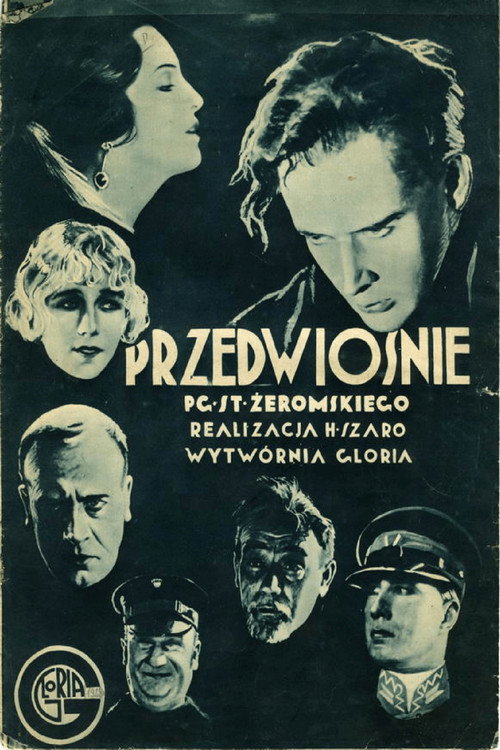
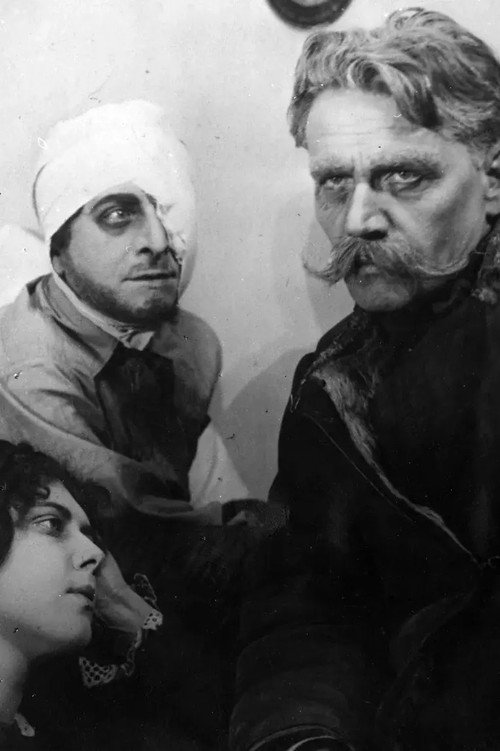
Directed by Henryk Szaro.

Early Spring

1928
No image
N/A

Dr Raduski returns from abroad to his hometown. He starts a profitable business there and revives the town's cultural life. However, the tsarist government and local nobles don't take kindly to his presence and try to sabotage him.

Ray

1984
No image
8.0

Film shot in Berlin, edited and supplemented in Warsaw. W. Jewsiewicki believes that the copy produced by the German studio contained numerous distortions of the writer's ideas, which is why director Juliusz Zagrodzki entrusted Eugeniusz Modzelewski with rewrites and reshoots featuring the two main characters. Assuming the film's program was faithful, the screen version of "The Beauty of Life" unfolded as follows: Piotr Rozłucki, the son and grandson of an insurgent, was raised in the Mikhailovsky Corps, far from his homeland and all memories. Promoted to officer status, thanks to his family's efforts, he was assigned to a regiment stationed in Poland, and there, at the home of his superior, General Polenov, he met his daughter, Tatiana. Simultaneously, he became close to a circle of patriotic youth. A struggle rages within the young officer: on the one hand, a passionate and mutual love for a charming Russian woman, and on the other, conscience, homeland, and duty.

The Beauty of Life

1921
No image
N/A

No description available.

Dzieje grzechu

1911
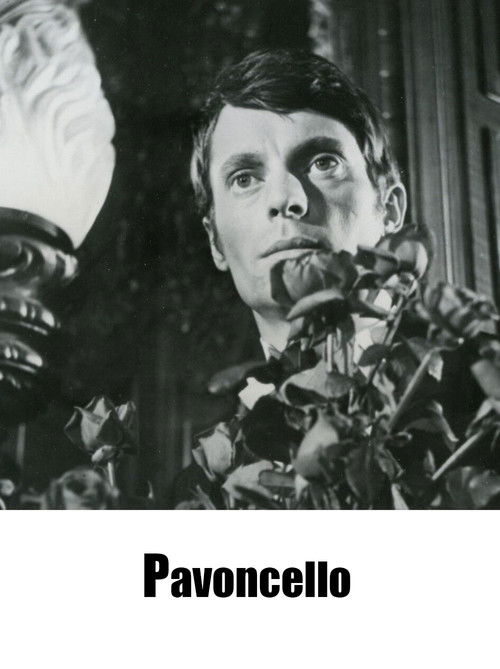
Pavoncello
6.0

In 1912, Szczebieniew, a rich and ailing old man, comes to Italy with his young wife, Zinaida. Bored with his company, she looks for amusement and casual affairs.

Pavoncello

1967
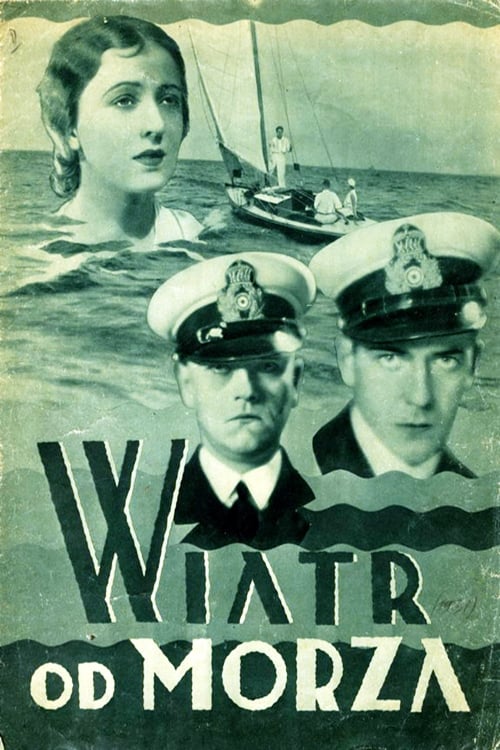
Wind from the Sea
N/A

A film adaptation of Stefan Żeromski's novel of the same title. The last Polish silent film.

Wind from the Sea

1930
Wierna rzeka
7.0

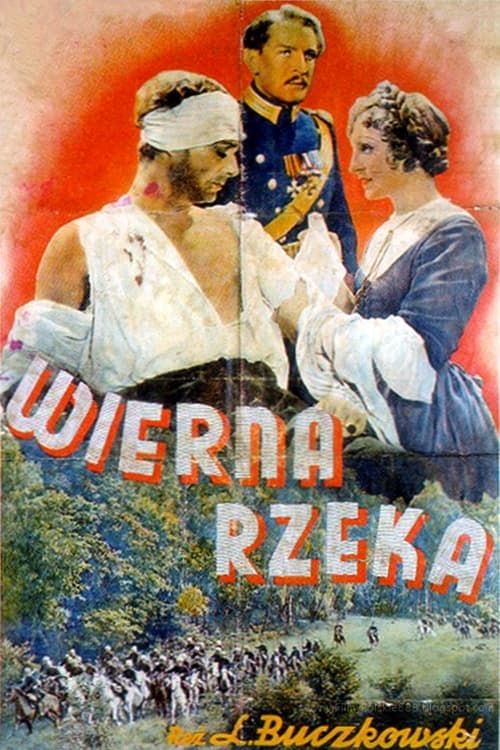
1863. Bloody battles are raging. A squadron of dragoons is pursuing an insurgent. It is the wounded Prince Odrowąż. With his last ounce of strength, he makes his way to the home of the administrator Brynicki. Mija Brynicka, the steward's daughter, risks her own life and compromises her honor to hide him. Odrowąż finds caring attention and slowly recovers. Love blossoms between Mija and Odrowąż. Lost in ecstasy, they dream of a liberated homeland and marriage. Unfortunately, the prince's mother's selfishness stands in the way of their love, as she does not allow this misalliance. She takes her son away, leaving Mija in boundless despair.

Wierna rzeka

1936
Year 1863
5.5

A Polish silent film from 1922, it was the first adaptation of Stefan Żeromski's 1912 novel "The Faithful River." The film's central theme is the love story of Prince Odrowąż, a wounded insurgent, and Salomea, and the fateful intervention of the prince's mother. The plot is complemented by allegorical tableaux vivants by Artur Grottger from the "Polonia" and "Lithuania" series. The final scene depicts a group of veterans of the January Uprising in independent Poland.

Year 1863

1922