Directing
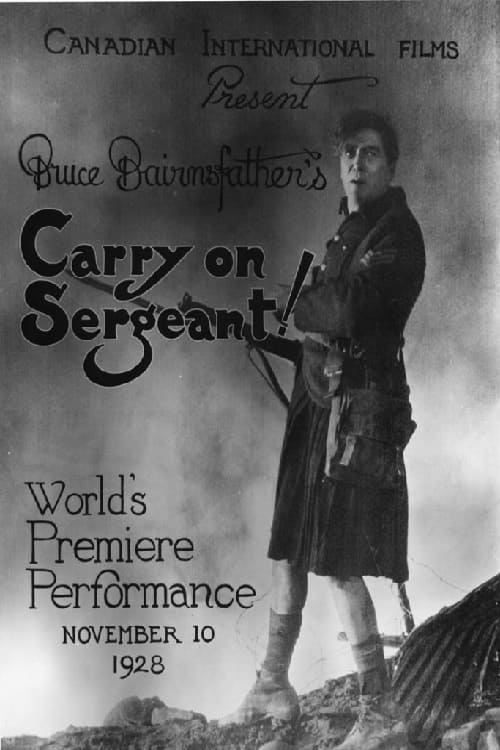
A group of workers decide to join the army in the Great War. The indulge themselves in the side benefits to being soldiers, and one of them marries a French waitress.
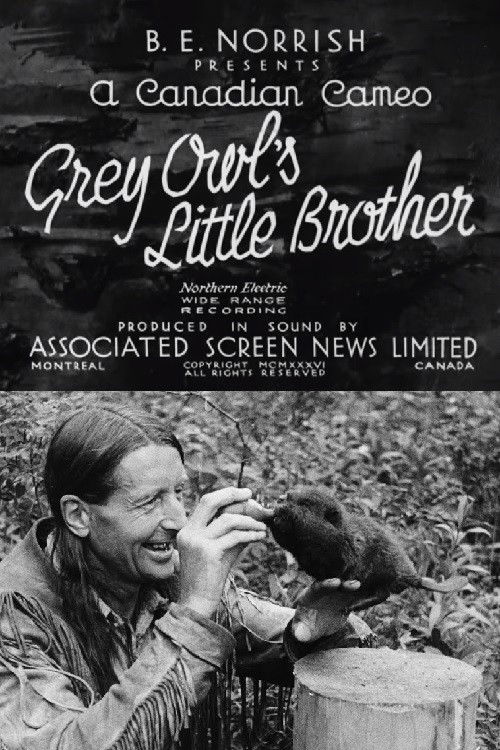
The story of the friendship between Grey Owl and a beaver. Sheltered and fed by Grey Owl through babyhood, the little beaver is reluctant to return to his own people. But when he does, Grey Owl (Archie Belaney) is adopted by the entire beaver tribe. The film shows Grey Owl playing with his beaver friends and re-enacting the finding of the baby beaver.
An introduction to the employment picture in Canada in the late 1950s, designed to inform potential immigrants of job opportunities existing for women. The film reviews many fields of work in which women are engaged, ranging from the highly specialized to the unskilled, and shows much of it being performed by women who have come to Canada from many different lands. Placement services and information services established to help newly arrived immigrants are shown in operation. Viewed from a modern perspective, the greater part of the film accepts as normal the waste of women's talents in repetitive or service jobs while elevating this work to the status of a career. Currently distributed only in 13-minute abridged form.
A compilation of Canadian news stories from 1947 including: long skirts, a new look in women's fashion; scenes of a record snow storm; a representative group of Canadians receive the first Canadian citizenship certificates at the Supreme Court of Canada; 18-year-old Barbara Ann Scott in Ottawa after winning the amateur European and World figure skating championships and being presented the trophy by Governor General Viscount Alexander for defending her North American title; postage stamps that commemorate the 100th anniversary of the birth of Dr. Alexander Graham Bell including shots of his home in Brantford, Ontario; the Dominion Ski Championships at Mont Ste-Anne, Quebec with twins Rhoda and Rhona Wurtele of Montreal and Tom Mobraaten of Vancouver.
No description available.
The fourth and final game in the 1933 playoffs for the Stanley Cup played at Maple Leaf Gardens in Toronto. The match, between the Toronto Maple Leafs and the New York Rangers, is described by the well-known sports commentator Foster Hewitt. Hewitt also interviews the players and coaches of both teams in their respective dressing rooms. Scoreless at the end of regulation time, the game goes into overtime: now the first goal scored will decide the game. The Rangers score to take the Cup.
A review of little known and unusual facts collected from across Canada: New Brunswick's Magnetic Hill; a town in British Columbia with enough buildings for four thousand people yet inhabited by one man; and a religion which forbids its members to drive automobiles.
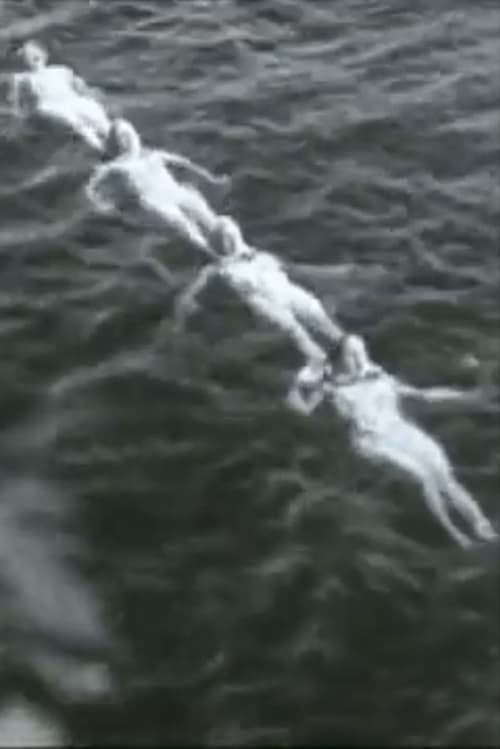
Swimmers demonstrate synchronized swimming in a lake. The film tells the story of a sprite playing along the lake shore, who comes across the swimmers, who she thinks are mermaids. The sprite watches the swimmers and joins them in the water.
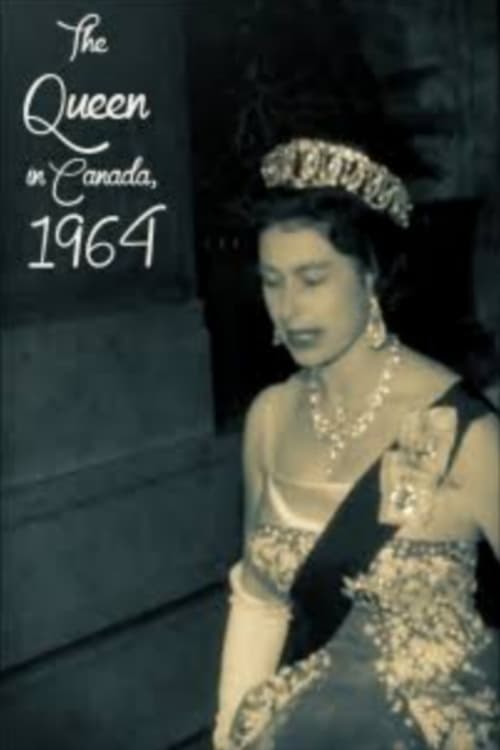
This short documentary follows Queen Elizabeth and the Duke of Edinburgh as they visit Canada to commemorate the 100th anniversary of Confederation. A hundred years earlier, the Fathers of Confederation had gathered in Charlottetown, Prince Edward Island, to discuss the idea of a united Canada. At a time when Canadians are once again reassessing the nature and role of the diverse communities within Canada, the Queen’s arrival unites onlookers in the idea of Canada as one great nation.
Based on the 40th Annual Carnival of the Toronto Skating Club.
This short documentary introduces us to a town where no one pays rent: Simoom Sound in central British Columbia, where loggers live on sturdy river craft. Every week there are visitors: the general storekeeper, the flying postman and most importantly, the forest ranger, who is ever alert to the threat of fire.
Canadian non-fiction film depicting the operation and purposes of five canals.
King George VI and Queen Elizabeth (later Queen Mother) in the royal carriage.
A canadian cameo production with Grey Owl produced by special arrangement with the national parks of canada.
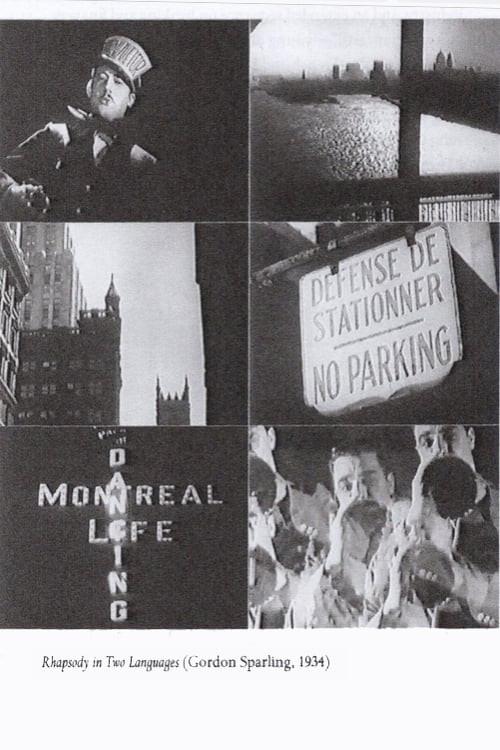
Rhapsody in Two Languages is a city symphony film reminiscent of the work of Walter Ruttmann and Dziga Vertov, a paean to '30s Montreal that contrasts old and new: horse-drawn carts, flashy new automobiles, busy streets, jaywalking monks, and wild nightlife, with overlaps and spinning images that suggest just how out of control things could get when the sun went down.
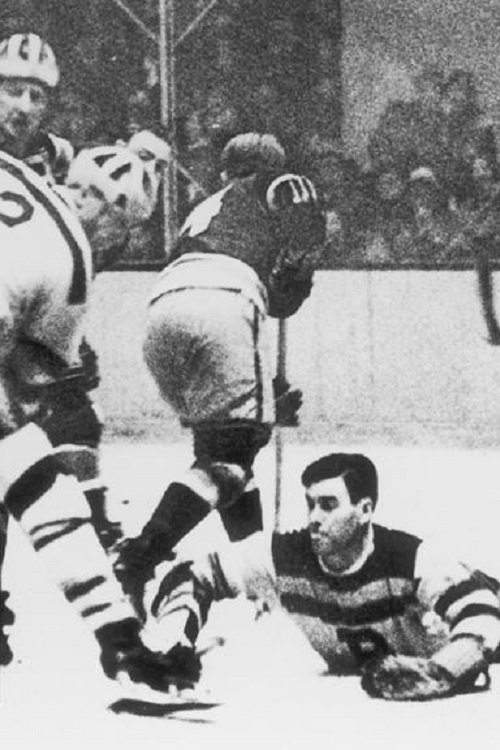
Newsreel footage of Canadian headlines. Shots include: a spectacular fire in Hull, Quebec which destroyed the Interprovincial Bridge; Dionne Quintuplets in Grade Five; Operation Musk-Ox; spy ring uncovered by the RCMP; Barbara Ann Scott skating at championship; highlights of a Boston Bruins versus Montreal Canadiens hockey game as they battle for the Stanley Cup; Canada's New Governor General greeted by King; 67th running of the King's Plate horse race at Woodbine race track; Vancouver, British Columbia celebrates its Diamond Jubilee; hurricane strikes Windsor, Ontario; HMCS Warrior in Halifax, Nova Scotia; Boy Scouts and Girl Guides gathering; Hamilton, Oontario celebrates its Centennial; etc.
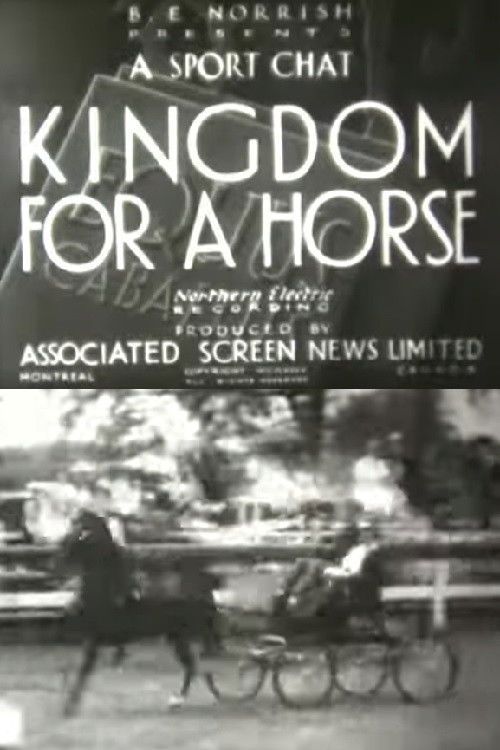
Old Dobbin talks about his flashy relatives, race horses, jumpers, fire horses, cavalry mounts.
This documentary is a compilation of unusual facts about Canada. It includes trains which travel in air, eels which swim to the market, and a ship that keeps afloat with its bottom and sides full of holes. Narrator Corey Thomson gives explanations in this educational short.