Mario Limonta
Acting
Biography
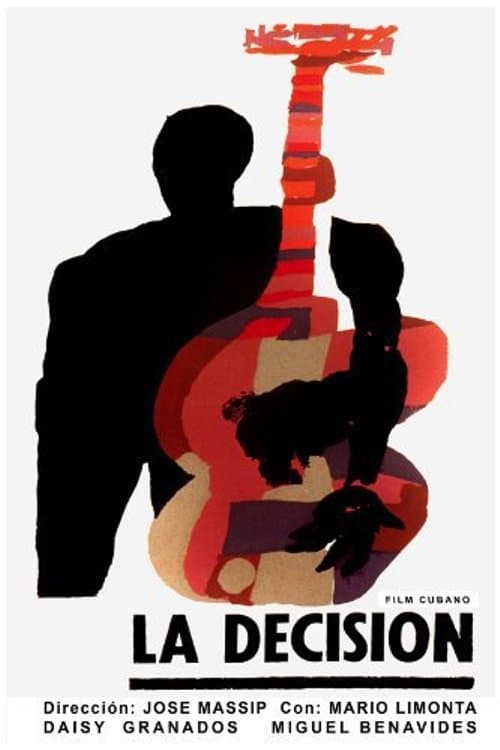
His involvement in the arts began in his native province, as a declamationist on the radio station. In 1955, he finished high school and moved to Havana to study law, although he only completed the first year. He made his debut on the amateur programme La corte suprema del arte, where he achieved the status of Rising Star. In 1959, he began working on the Circuito Nacional Cubano, today Radio Rebelde, as Radio drama voice. Until 1965, he joined to the Guernica theatre group of the National Theatre where he played leading roles in García Lorca's "Bodas de sangre", Miguel de Carrión's "Las impuras" and Abelardo Estorino's "Las vacas gordas". He has had a long and successful career in television with acting roles in soap operas, comedies, adventures and serials. His character of Sergeant Arencibia in the show "San Nicolás del Peladero" is his most remembered role by the public. In 1964, he got his first leading role, featuring in the film "La decisión", directed by José Massip.
Known For

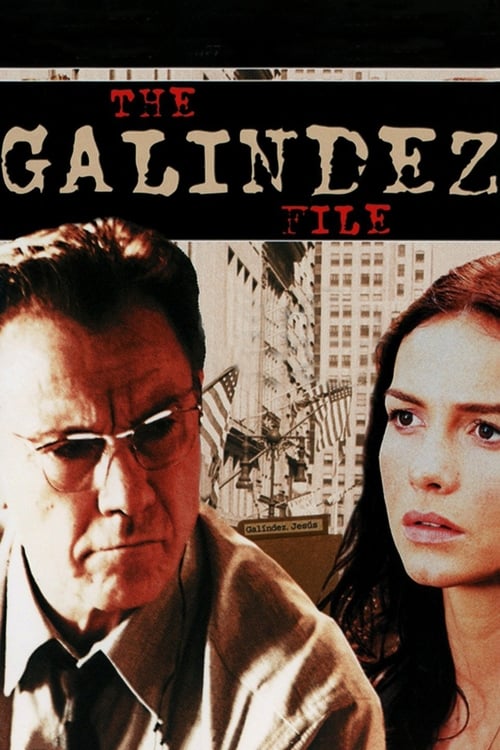
On March 12, 1956, Basque Nationalist Jesús de Galíndez Suarez disappears from his apartment in New York, never heard from again. He had been working with the FBI and was about to publish a book critical of Dominican strongman, Trujillo. In 1988, a graduate student, Muriel Colber, wants to make Galíndez the subject of her dissertation. She's in Spain doing research; finding little, she goes to Santo Domingo. At every turn, the CIA, in the person of agent Robards, tries to thwart her; and, at each turn, as she considers abandoning the project, someone offers new information, often contradictory. She wants the truth behind the Galíndez mystery; will she find it?
The Galíndez File

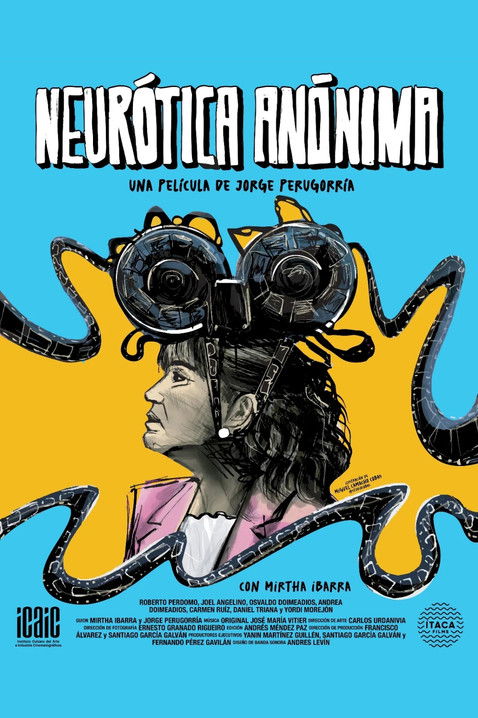
The story of Iluminada, a woman who, having studied to be a literature teacher, ends up working as an usher in an iconic cinema in Havana.
Neurótica Anónima

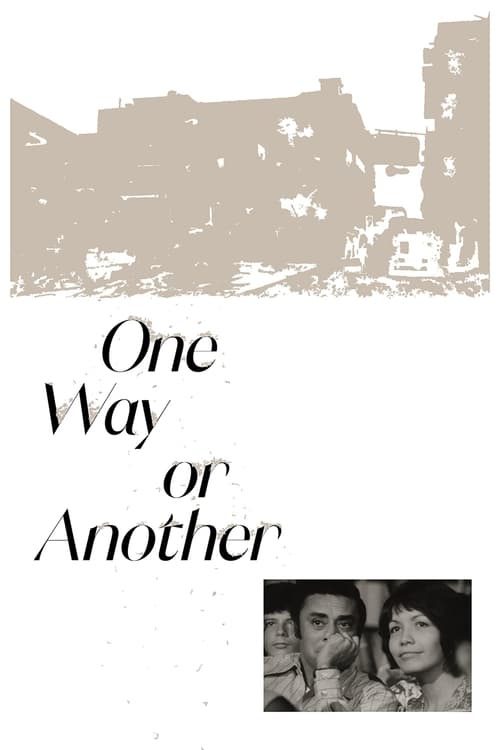
In Miraflores, Cuba, the growing romance between Mario, a factory worker, and Yolanda, a schoolteacher, throws into relief the differences in their perspectives and values in Revolutionary Cuba.
One Way or Another

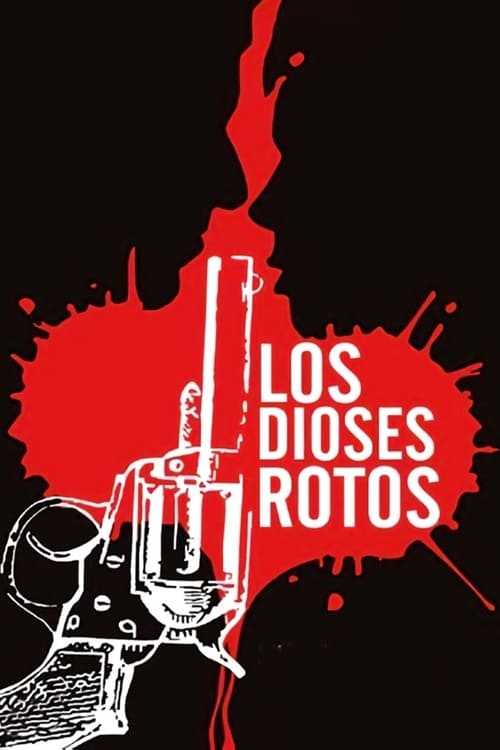
In the manner of a well run Greek tragedy, leaving aside one of its components, dragging in its passing narrative certainty by the viewer that violent death is the hallmark of so much misfortune purifier, Los Dioses Rotos crowns the very successful arrival of Ernesto Daranas to the feature domains and with it, the team that accompanied him, including the actors.
Fallen Gods

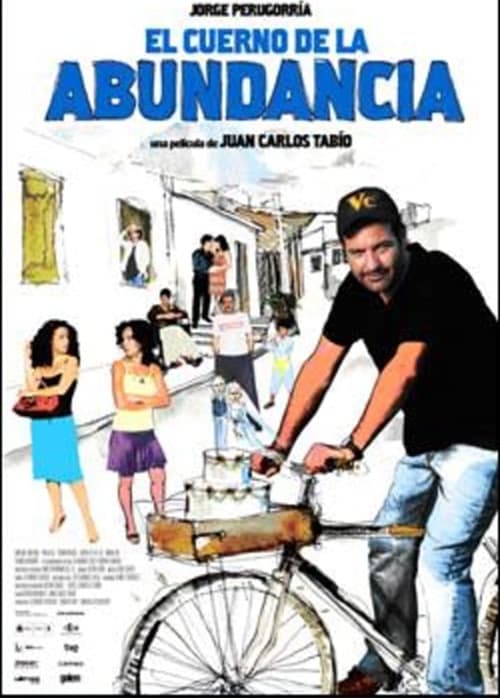
An unclaimed fortune, grown for centuries in a British bank account, becomes a potential windfall for Bernadito Castiñeiras and the residents of the tiny village of Yaragüey, Cuba. To receive his massive inheritance check, Bernadito must prove his lineage to the Castiñeiras nuns who first populated the region. In an isolated and impoverished town where many residents share the same surname, a feud breaks out between the "Castiñeiras" and "Castiñeyras" families.
Horn of Plenty

Santiago de Cuba, 1956. Pablo, a young mulatto with a deep poetic sensibility, studies at the university. He loves María, who, despite her parents' wealthy position, is not accepted in high society because of the color of her skin.
La decisión

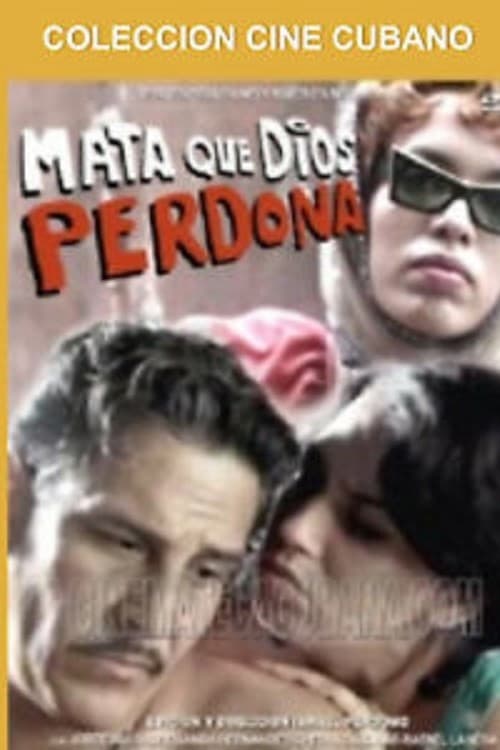
Set in Cuba in early 1959, although the historical context is deliberately avoided in its epic backdrop, the story follows the persecution of a poor guy who owes a few pesos to a loan shark and a thug who swear to get even with him, not so much because of the unpaid debt as because they don't want to set a precedent. The man's name is Miguel, and he seems to care as much as Santiago Nasar that the killers are hot on his heels with their half-tone shoes. On the day of his "double crime" (the story recreates those 24 hours), he has a couple of drinks in a bar, argues with his ex-lover, has sex with a young prostitute, puts up with a scolding from his friend Pedro for being negligent, walks, urinates, goes to bed...
Mata que Dios perdona

Amor Crónico follows Grammy-nominated, Cuban-born CuCu Diamantes as she embarks on a whirlwind tour of her home country. Interweaving glamorous live performances with a fictional romance, the film pays tribute to the history of cinema in surreal fashion. Backed by a high energy Latin soundtrack, Cucu's journey is a visual love poem to the sites, sounds, and people of Cuba.
Chronic Love

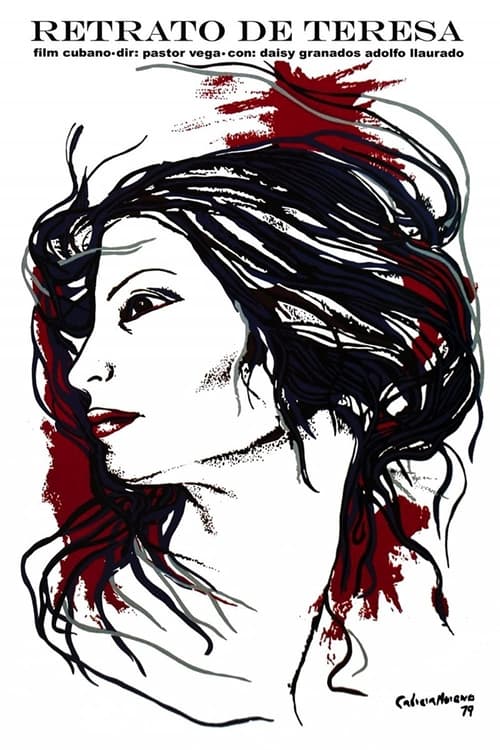
Teresa is overwhelmed: with a husband, three young sons, a job as a crew leader in a textile factory, and volunteer commitments as cultural leader of her union. Her husband, Ramón, believes her additional pursuits take time away from her domestic tasks and wants more of her attention, accusing her of neglecting him, her house and her family. A hard-hitting Cuban drama that presents a woman struggling for control of her own life and deals with the social consequences of traditional male chauvinism.
Portrait of Teresa

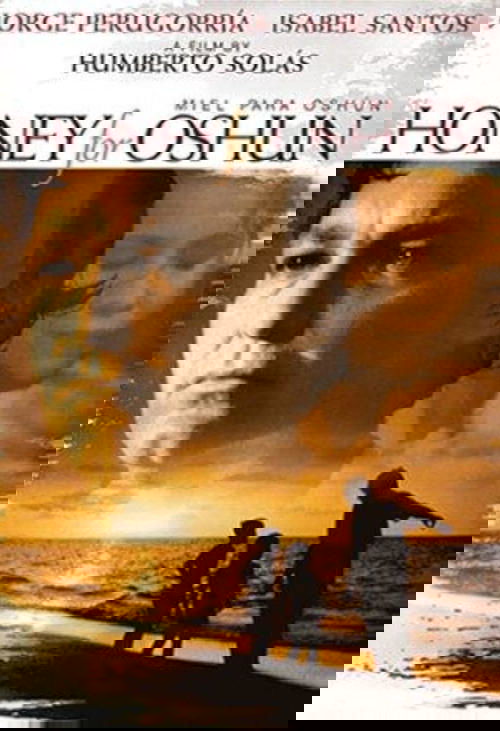
When his father dies, a Cuban man who was raised in the United States, learns that he was not abandoned by his mother but illegally taken out of Cuba. He goes back to the island and is helped in his search by a cousin and a taxi driver.
Honey for Oshun

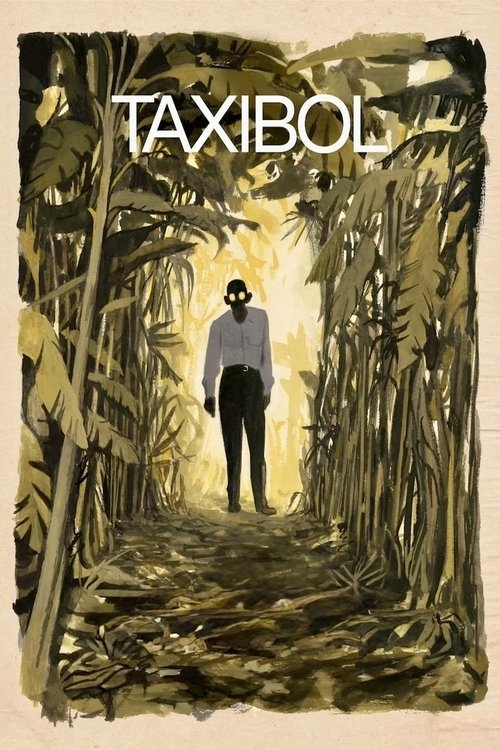
Driving around the streets of Cuba, Lav Diaz – the famous Filipino director – and Gustavo Flecha - a talkative Cuban taxi driver – find themselves discussing about politics, migration, social conditions and love; touching many personal stories and experiences, they create an historical affresco of the conditions of their own countries.
Taxibol

'Sin Alas' follows the tumultuous life and love of Cuban writer Luis Vargas as he chooses the excitement and possibilities of the revolution over the wealth of his dysfunctional family. His passion for a beautiful young ballerina, married to an important military leader, sends both of their lives spinning out of control. Luis must make his way through warren of Centro Havana, a city held hostage in time by an ideology, on a journey to come to terms with lost love and the mistakes of his youth.
Sin Alas

It's an open wound. With Estrés, Marilyn Solaya doesn't seek to tell stories: she exposes them, shakes them up, leaves them unanesthetized. In six intertwined stories, the director turns everyday life into an emotional battlefield, where poverty, love, illness, and dignity clash relentlessly.
Estrés

Fefo dies, but at his wake the widow’s sadness will soon be offset by some news that brings joy back into her life.