
Héctor Moreno
Sound
Known For
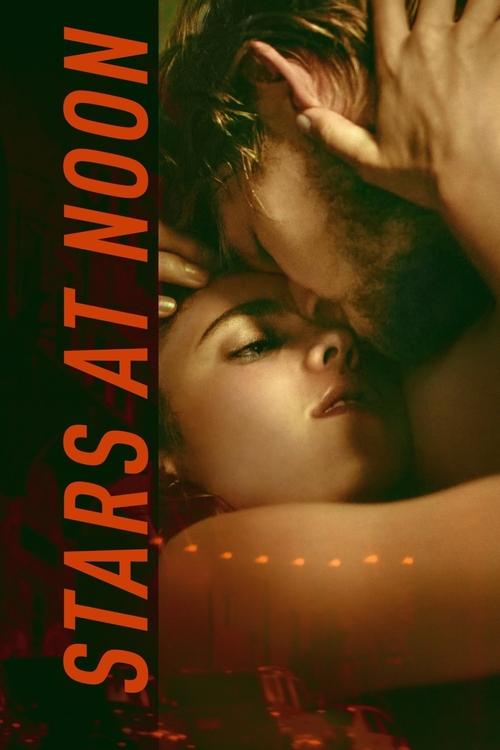
In present-day Nicaragua, a headstrong American journalist and a mysterious English businessman strike up a romance as they become embroiled in a dangerous labyrinth of lies and conspiracies and are forced to try and escape the country.
Stars at Noon
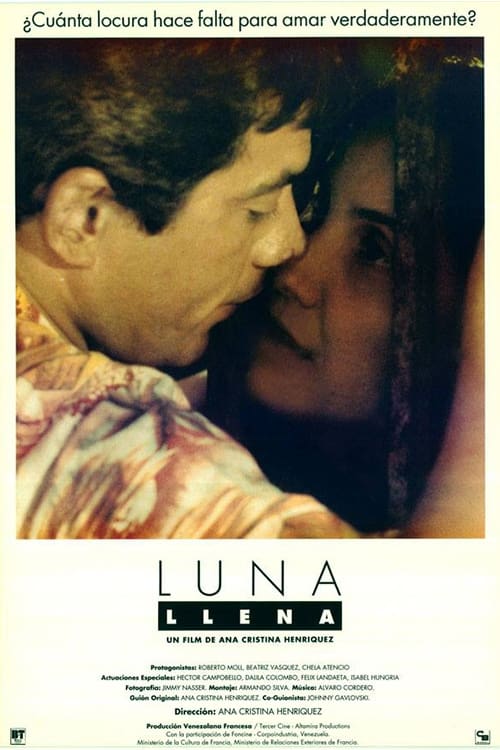
In a Latin American psychiatric hospital, a woman abandoned by her family and a man incarcerated by force, they share the same sadness and loneliness. Both will face a love beyond any explanation.
Luna Llena
A woman, nearly forty, once a famous model is now a successful designer and businesswoman feels abandoned by her husband, a lover of youth. The fate tends a trap, the sudden appearance of her husband's son from a previous marriage, entangled in desire and love will make them discover their hidden truths.
My Husband's Son
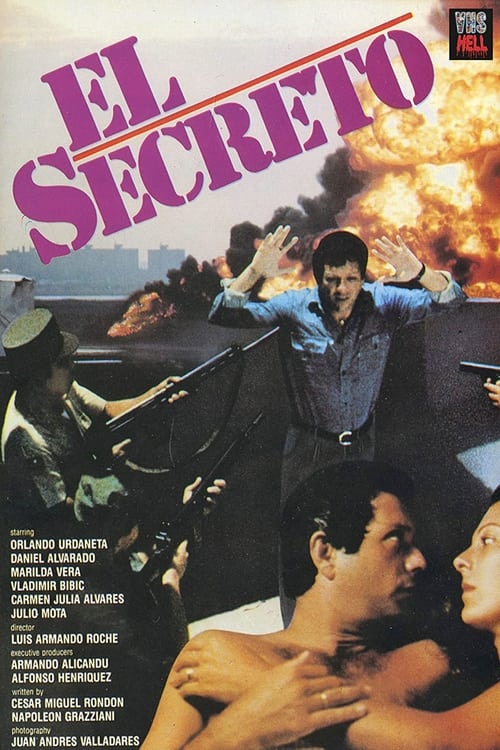
Gaspar Urbieta works as a typographer in Maracaibo. The National Guard convinces him to infiltrate an organization of Colombian gold smugglers. Gaspar will experience situations of fear, humour, intrigue and romance with a beautiful and enigmatic blonde. His secret will be so incredible that if he told it, no one would believe it!
The Secret
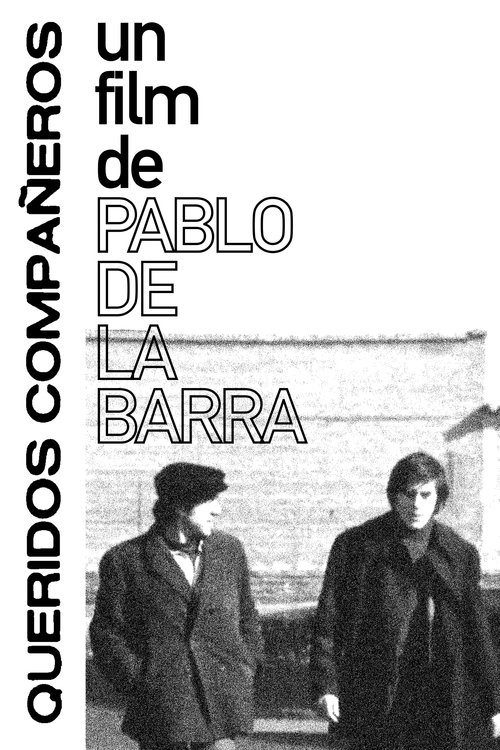
Directed by Pablo de la Barra, Queridos compañeros (1977) is a Chilean-Venezuelan political drama that delves into the fervent revolutionary movements of the late 1960s. The film follows a group of young radical leftists that struggle to change the Chilean political status quo. The production of Queridos compañeros faced significant challenges, since filming started in 1973 but was abruptly halted due to the military coup in Chile that year. Director Pablo de la Barra managed to save the film's footage but lost the original audio tracks. In exile in Venezuela, he reconstructed the sound with the help of the original actors, completing the film in 1977. The film offers a poignant reflection on the aspirations and struggles of a generation striving for systemic change, providing insight into the political dynamics of Chile during a tumultuous period.
Dear Comrades

Set against the turbulent backdrop of Venezuela’s oil industry on the cusp of nationalization, La hora Texaco follows the Montoya family as they struggle with internal crises amid social change. The father, a skilled oilworker, sinks into depression; the mother, both teacher and homemaker, carries on an affair; and their son Bobby is torn between his passion for baseball and his unrequited love for Angélica. Years later, Bobby and Angélica reunite, replaying memories that shine a harsh light on ambition, family, and sacrifice.
La hora Texaco
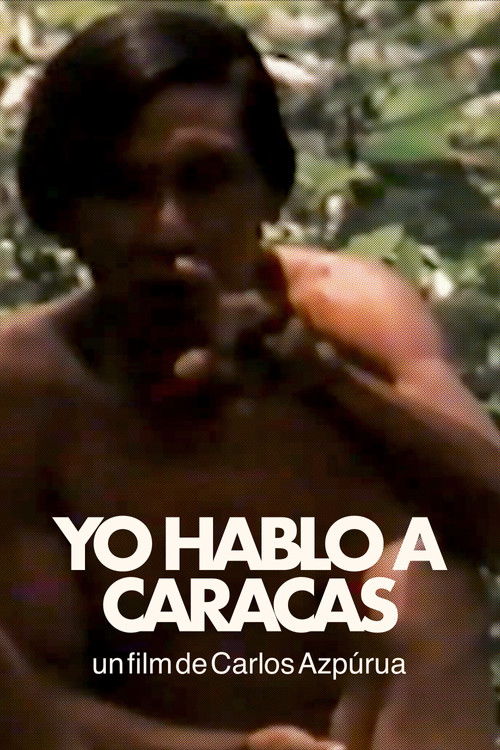
Yo hablo a Caracas (1978), the first documentary by Carlos Azpúrua, is marked by the luminous presence of the Yekuana shaman Barné Yavarí. This elder from the Amazonian forest articulates two powerful and prophetic warnings: first, a demand for respect toward the sovereignty of Indigenous beliefs and culture; second, a grave denunciation of the threat posed by “criollo” presence and its economically irrational logic to the natural balance of the Amazon. Through Yavarí’s voice, the film contrasts modern exploitation with a millennia-old Indigenous worldview grounded in harmony with nature, turning the documentary into an early and resonant plea for cultural dignity and ecological consciousness.
Yo hablo a Caracas
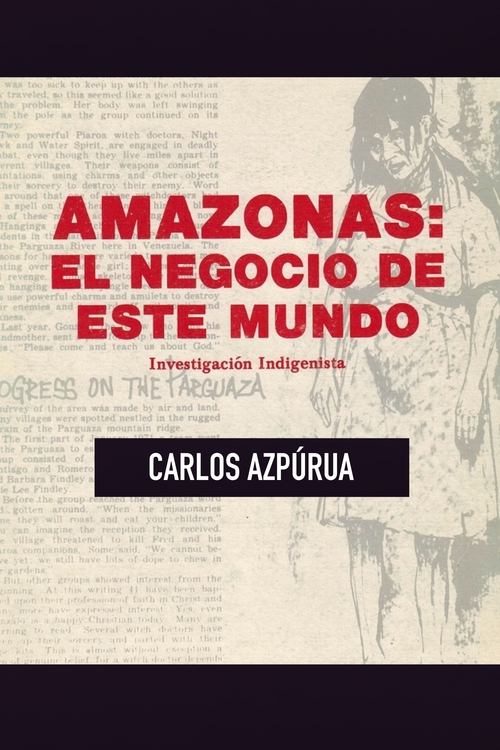
Documentary about multiple the denouncement of military, religious and science sectors, in relation to the violation of the indigenous tribes of the Venezuelan Amazon by the american evangelical mission New Tribes
Amazonas, el negocio de este mundo
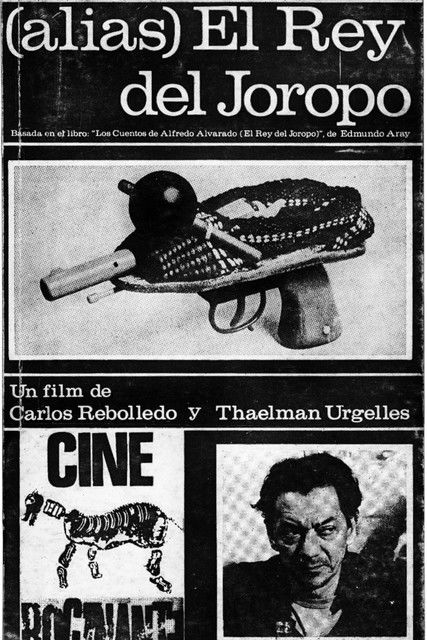
Alfredo Alvarado is a famous dancer and criminal from Venezuela. His horrifying adventures are narrated through a television program. It exposes the contradictions of that context. It is based on the book Los cuentos de Alfredo Alvarado “El Rey del Joropo", by Edmundo Aray.
(Alias) El Rey del Joropo

This documentary is comprised of three shorts: 'El Afinque de Marín' that follows the musicians of the group Madera. 'Yo hablo a Caracas' about an indigenous leader and his reply to the authorities of the venezuelan goverment regarding the violations towards his people and finally 'Mayami Nuestro' chronicles the relationship of venezuelans during the eighties with the city of Miami.
La propia gente
Experimental film loosely based on the life and work of artist Manuel Mérida. The artist provided a realistic biographical account of his life, which was freely adapted by the filmmaker, who used delirious chance as a creative method for this cinematic collage.
Mérida no es un pueblo
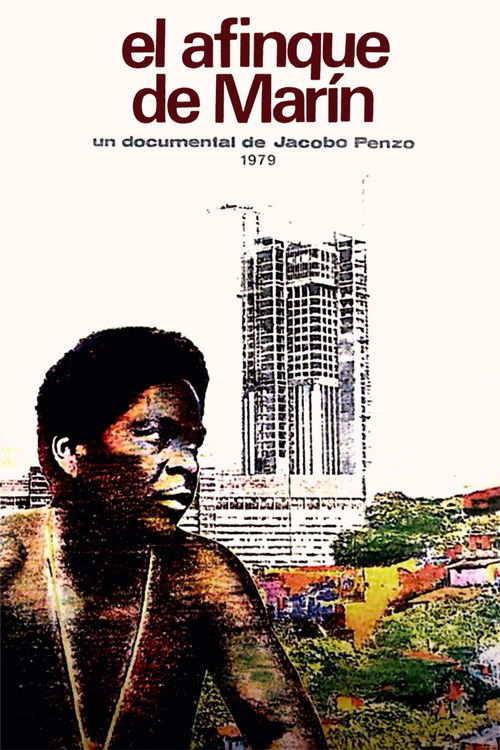
El afinque de Marín (1979) is an iconic Venezuelan documentary directed by Jacobo Penzo that explores the life, culture, and popular music of the Caracas neighborhood of Marín. Far from being merely a film about music, it delves into the social roots and collective identity of the barrio, using rhythm and everyday life as a lens to reveal the bonds, struggles, and shared histories of its inhabitants. Through its intimate portrayal of people, sounds, and spaces, the film becomes a vivid testament to popular culture as a living expression of community and belonging.
El afinque de Marín
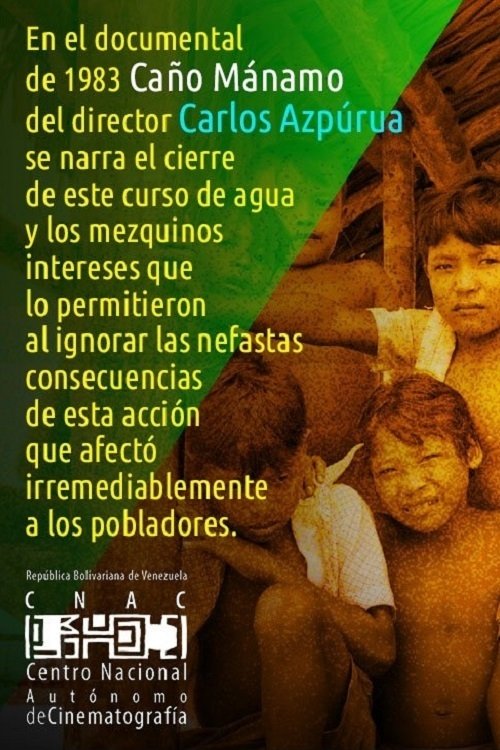
A documentary about the building of a damn near Caño Mánamo and the effects it has on the environment.
Caño Mánamo
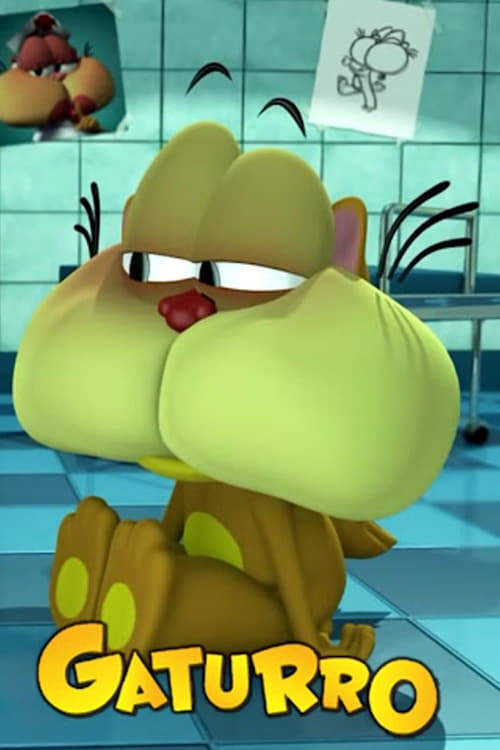
A compilation of the Gaturro series turned into a movie for YouTube. Contains 20 Gaturro stories