
John Kelly
Acting
Known For
No description available.
Volle Kanne

Every evening at 6:45 p.m. sharp, a prominent guest takes a seat on the red sofa—and DAS! provides daily updates on what's hot in the north.
DAS!
No description available.
ZIBB
No description available.
Leute heute

No description available.
NDR Talk Show

No description available.
Champs-Elysées
No description available.
Die Drehscheibe

No description available.
Riverboat
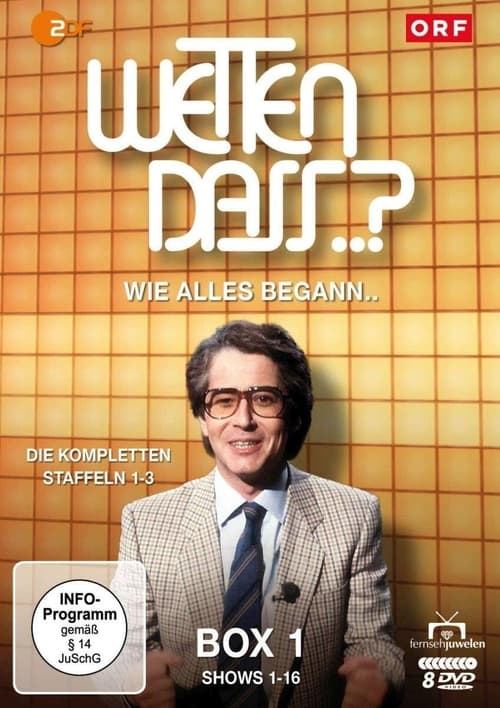
A long-running German-language entertainment television show based on the format of the British show You Bet! and the American show Wanna Bet?.
Wetten, dass..?
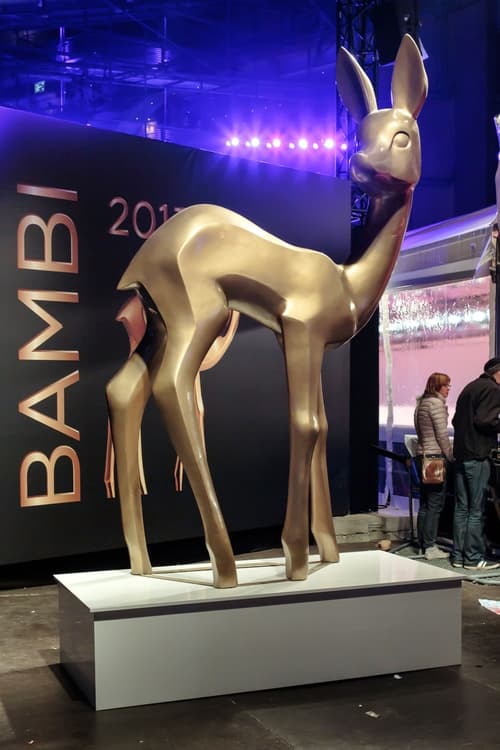
The Bambi, often called the Bambi Award and stylised as BAMBI, is a German award presented annually by Hubert Burda Media to recognize excellence in international media and television to personalities in the media, arts, culture, sports, and other fields "with vision and creativity who affected and inspired the German public that year", both domestic and foreign. First held in 1948, it is the oldest media award in Germany. The trophy is named after Felix Salten's book Bambi, A Life in the Woods and its statuettes are in the shape of the novel's titular fawn character. They were originally made of porcelain until 1958, when the organizers switched to using gold, with the casting done by the art casting workshop of Ernst Strassacker in Süßen.
Bambi

No description available.
ZDF-Fernsehgarten
No description available.
Goldene Kamera
No description available.
Hier und heute
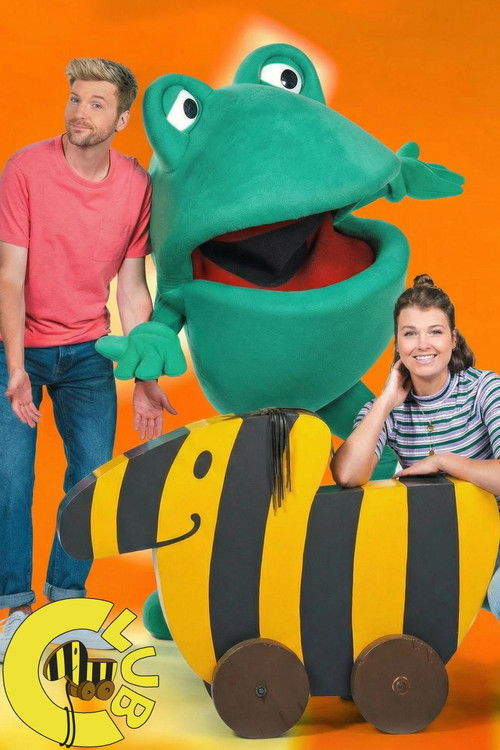
Tigerenten Club is a German children's television programme. The programme involves a mix of games, quizzes, cartoons and outside reports from the presenters and children, with the aim to educate and entertain. It is produced by SWR in co-operation with other regional broadcasters, and is broadcast on ARD and KiKa. The logo and the name of the programme is based upon the Tigerente or 'Tigerduck', created by German cartoonist Janosch.
Tigerenten Club
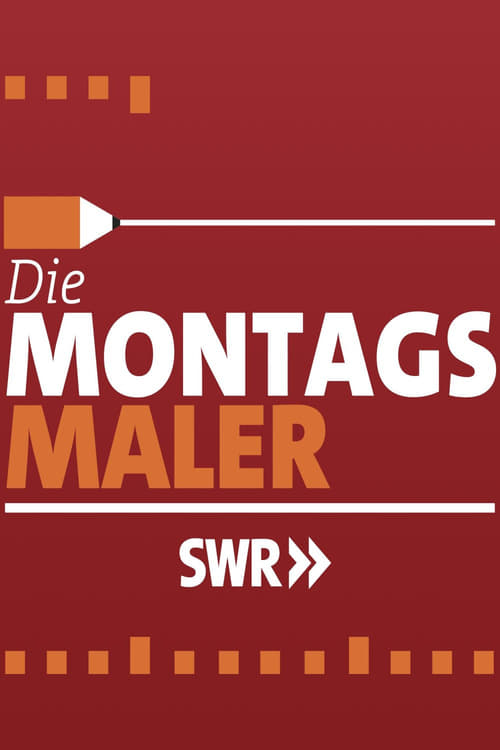
No description available.
Die Montagsmaler
No description available.
Die ultimative Chartshow
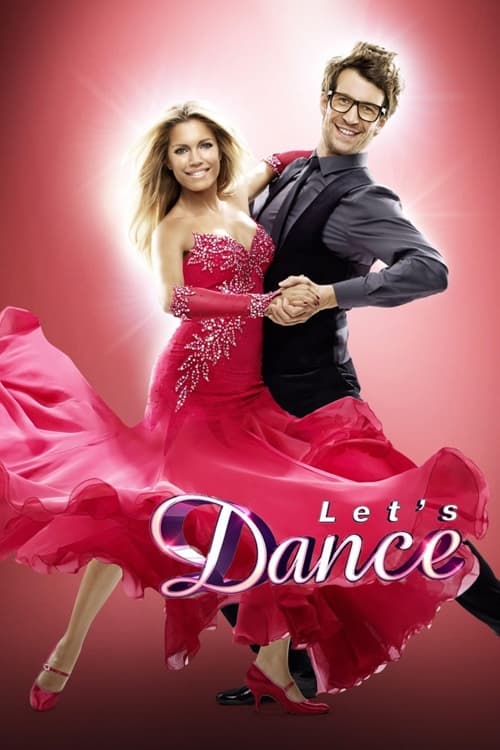
German version of Dancing with the Stars, the reality competition in which celebrities perform choreographed dance routines which are judged by a panel of renowned ballroom experts and voted on by viewers.
Let's Dance

Current studio guests, exciting backgrounds, moving stories, spectacular studio events and captivating reports - presenters pull all this and much more live from the grab bag of German television every week.
Stern TV
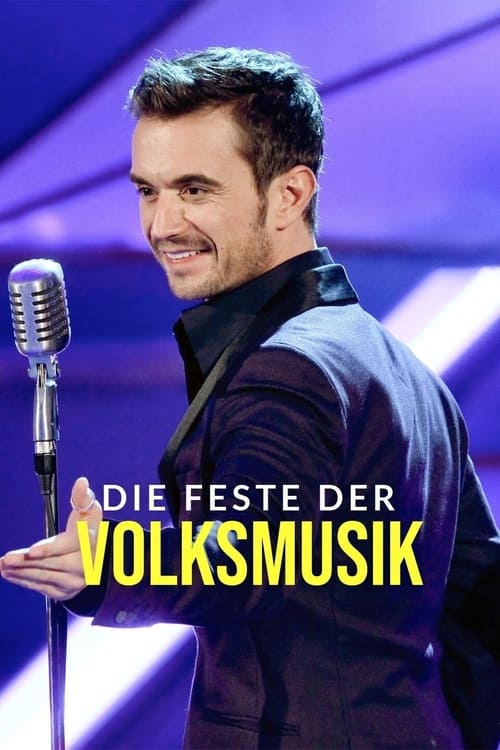
No description available.
Die Feste mit Florian Silbereisen
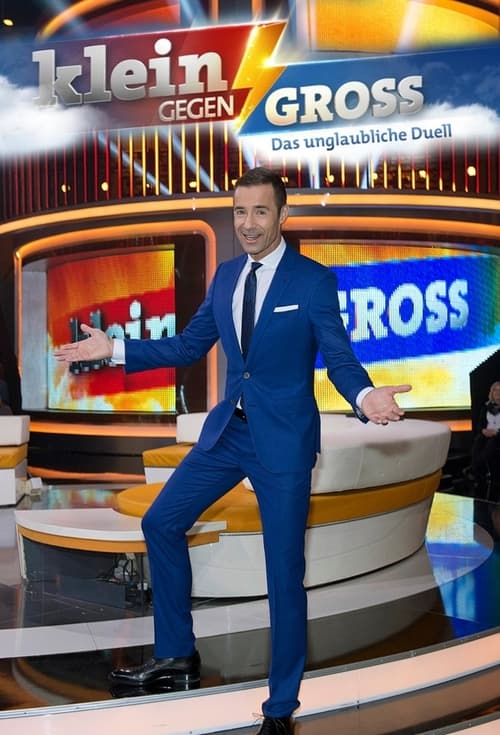
Klein gegen Groß – Das unglaubliche Duell is a family game show that has been broadcast on the first channel since 2011, on ORF 1 since March 2017 and on SRF 1 since November 2020. The format is produced by i&u TV. Kai Pflaume acts as host and moderator.