Amanda Pollak
Production
Known For

TV's most-watched history series brings to life the compelling stories from our past that inform our understanding of the world today.
American Experience
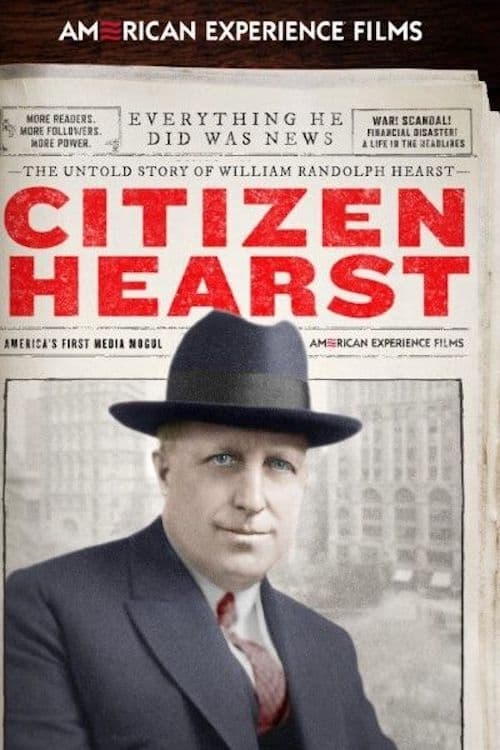
Explore the life of William Randolph Hearst, the pioneering media mogul and inspiration for Orson Welles’ "Citizen Kane." Wielding unprecedented power, Hearst forever transformed the media’s role in American life and politics.
Citizen Hearst
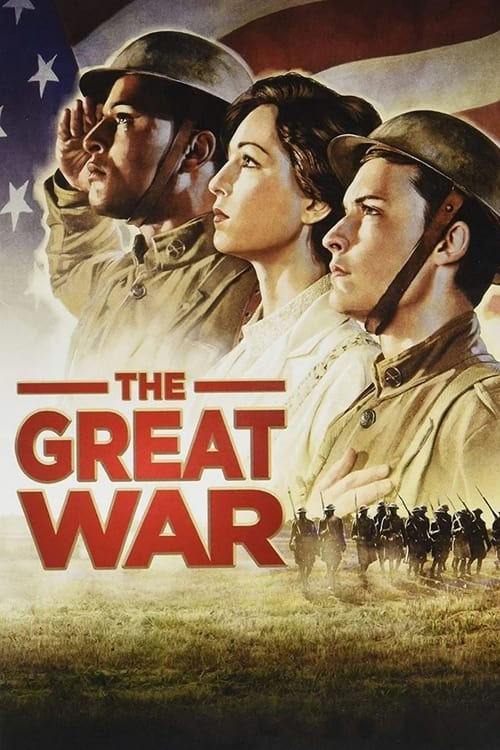
Drawing on unpublished diaries, memoirs and letters, The Great War tells the rich and complex story of World War I through the voices of nurses, journalists, aviators and the American troops who came to be known as “doughboys".
The Great War
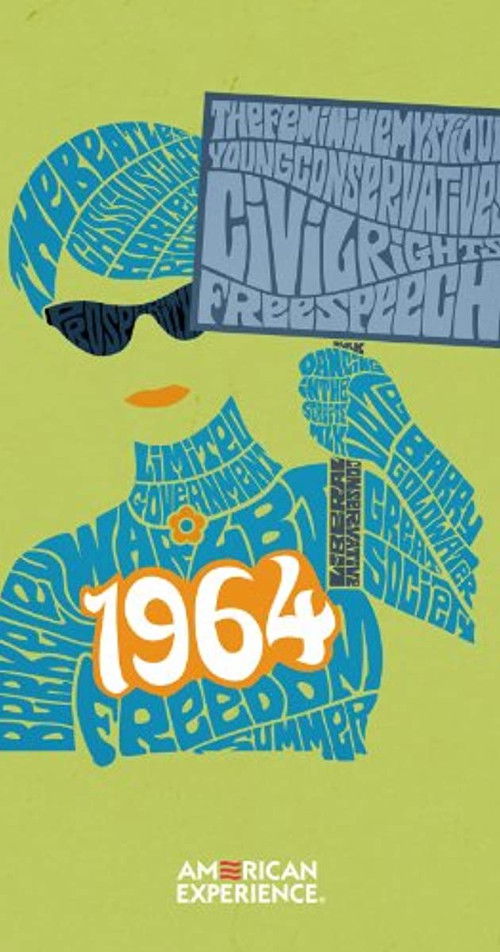
1964 was the year the Beatles came to America, Cassius Clay became Muhammad Ali, and three civil rights workers were murdered in Mississippi. It was the year when Berkeley students rose up in protest, African Americans fought back against injustice in Harlem, and Barry Goldwater’s conservative revolution took over the Republican Party. In myriad ways, 1964 was the year when Americans faced choices: between the liberalism of Lyndon Johnson or Barry Goldwater’s grassroots conservatism, between support for the civil rights movement or opposition to it, between an embrace of the emerging counterculture or a defense of traditional values.
1964
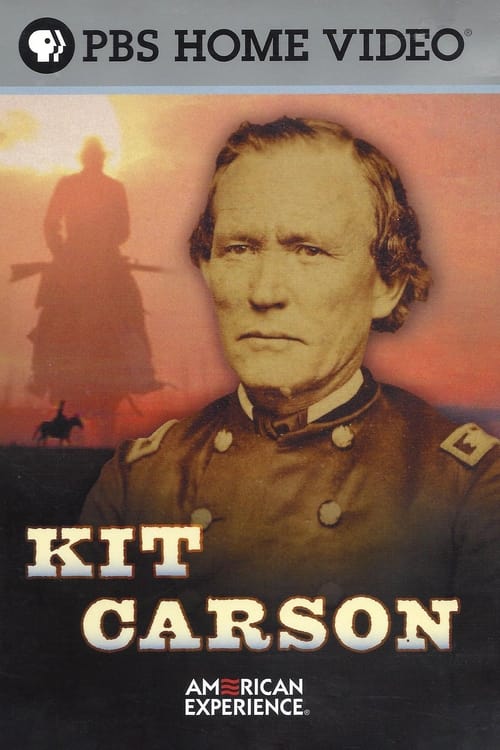
An illiterate mountain man, Kit Carson was fluent in Spanish and five Indian languages; he twice married Native American women, yet led a brutal war against the Navajo. When the West was a mystery to most Americans, Carson mastered it, and his expertise made him not only famous, but also sought after. Eventually, by helping to spur a migration that would change the West forever, he unwittingly became an agent in the destruction of the life he loved.
Kit Carson
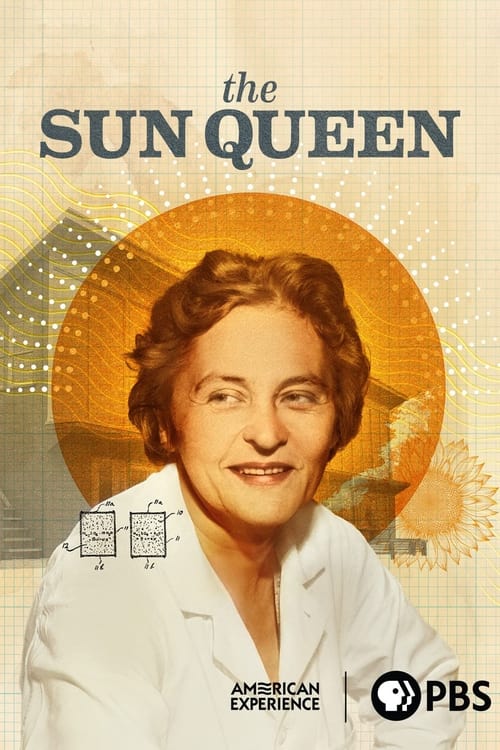
Chemical engineer and inventor Maria Telkes worked for nearly 50 years to harness the power of the sun, designing and building the world's first successful solar-heated modern residence and identifying a new chemical that could store solar heat like a battery. Telkes was undercut and thwarted by her (male) boss and colleagues at MIT, but she persevered. Upon her death in 1995 Telkes held more than 20 patents, and now she is recognized as a visionary pioneer in the field of sustainable energy whose work continues to shape how we power our lives today.
The Sun Queen

Alvin Ailey was a visionary artist who found salvation through dance. Told in his own words and through the creation of a dance inspired by his life, this immersive portrait follows a man who, when confronted by a world that refused to embrace him, determined to build one that would.
Ailey
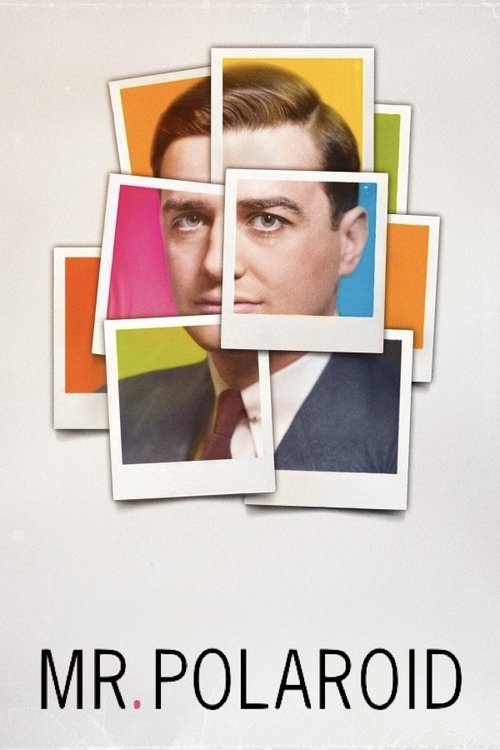
Before the iPhone, the Polaroid camera let people instantly chronicle their lives. Along with instant photo mania, its company culture became the model for Silicon Valley. Mr. Polaroid is the story of Edwin Land, the man behind the camera.
Mr. Polaroid
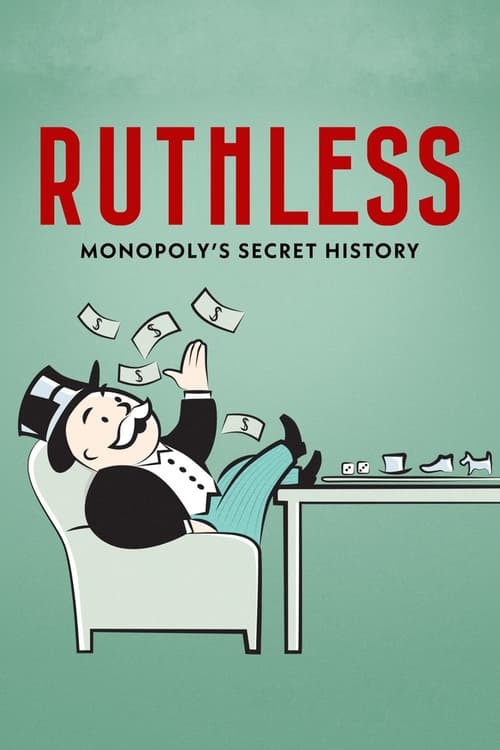
America’s favorite board game, Monopoly, is a love letter to unbridled capitalism and the impulses that make our free-market society tick. Contrary to the folksy legend spread by Parker Brothers, Monopoly’s origin involves a radical feminist and a community of Quakers in Atlantic City. If not for the determination of an economics professor and impassioned anti-monopolist, the real story behind the creation of the game might never have come to light.
Ruthless: Monopoly's Secret History
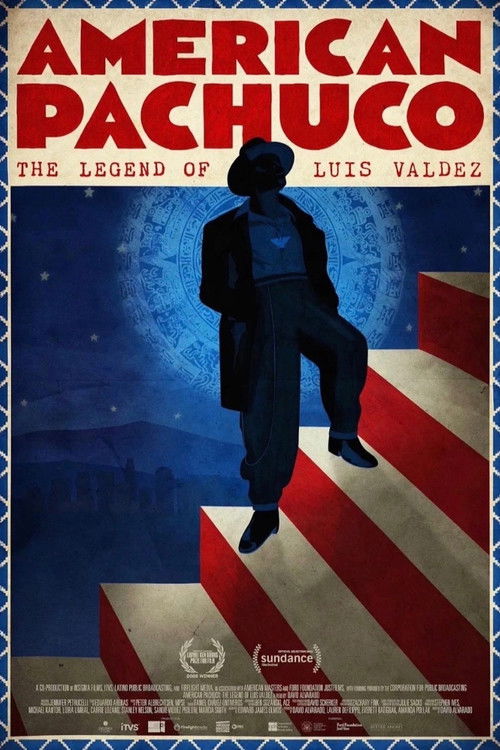
Against political resistance and industry skepticism, Luis Valdez pushes Chicano storytelling from the fields to the film screen with Zoot Suit and La Bamba, crafting iconic works that challenge, celebrate, and expand America’s story.
American Pachuco: The Legend of Luis Valdez
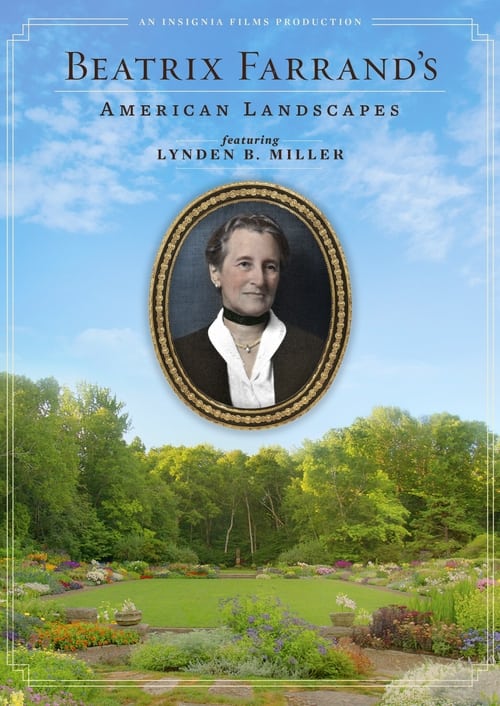
Garden designer Lynden B. Miller explores the life and career of Beatrix Jones Farrand (1872-1959), America's first female landscape architect.
Beatrix Farrand's American Landscapes
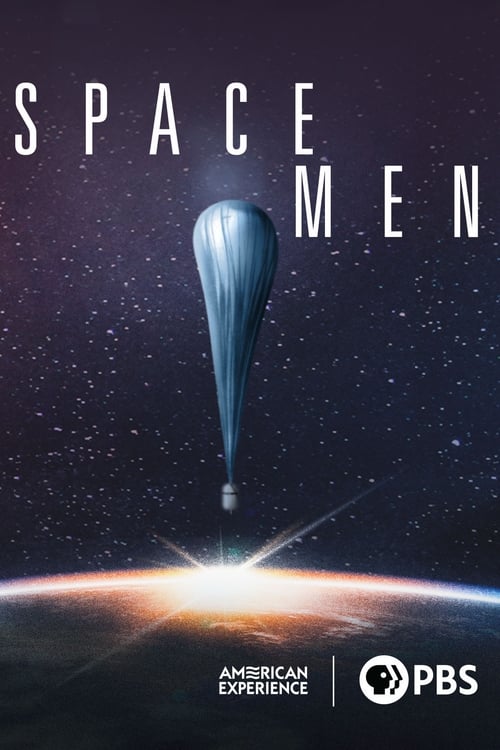
In the 1950s and early '60s, a small band of high-altitude pioneers exposed themselves to the extreme forces of the space age long before NASA's acclaimed Mercury 7 would make headlines. Though largely forgotten today, balloonists were the first to venture into the frozen near-vacuum on the edge of our world, exploring the very limits of human physiology and human ingenuity in this lethal realm.
Space Men

The story of how the life-saving cervical cancer test became an ordinary part of women’s lives is as unusual and remarkable as the coalition of people who ultimately made it possible: a Greek immigrant, Dr. George Papanicolau; his intrepid wife, Mary; Japanese-born artist Hashime Murayama; Dr. Helen Dickens, an African American OBGYN in Philadelphia; and an entirely new class of female scientists known as cyto-screeners. But the test was just the beginning. Once the test proved effective, the campaign to make pap smears available to millions of women required nothing short of a total national mobilization. The Cancer Detectives tells the untold story of the first-ever war on cancer and the people who fought tirelessly to save women from what was once the number one cancer killer of women.
The Cancer Detectives
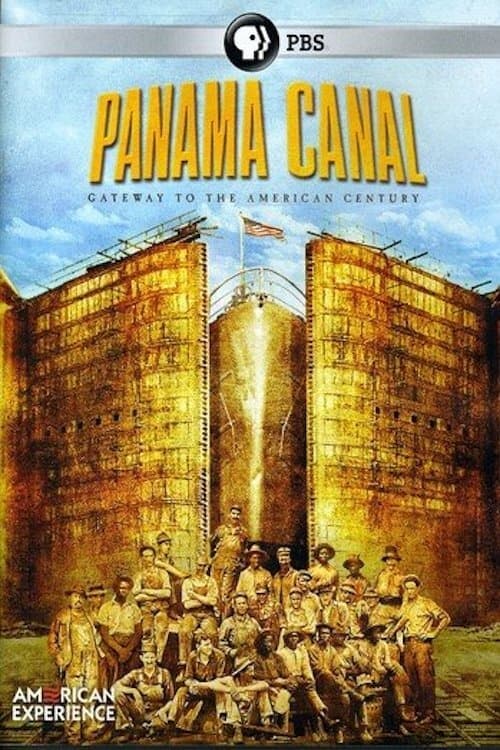
On August 15th, 1914, the Panama Canal opened, connecting the world's two largest oceans and signaling America's emergence as a global superpower.
Panama Canal
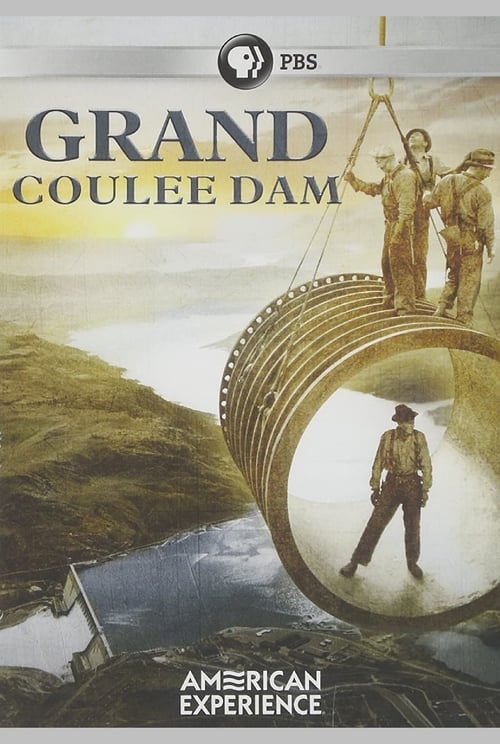
During the darkest days of the Depression when construction was started on Grand Coulee Dam, everything about it was described in superlatives. It would be the "Biggest Thing on Earth," the salvation of the common man, a dam and irrigation project that would make the desert bloom, a source of cheap power that would boost an entire region of the country. Of the many public works projects of the New Deal, Grand Coulee Dam loomed largest in America's imagination, promising to fulfill President Franklin Roosevelt's vision for a "planned promised land" where hard-working farm families would finally be free from the drought and dislocation caused by the elements.