Production
Gaspar Urbieta works as a typographer in Maracaibo. The National Guard convinces him to infiltrate an organization of Colombian gold smugglers. Gaspar will experience situations of fear, humour, intrigue and romance with a beautiful and enigmatic blonde. His secret will be so incredible that if he told it, no one would believe it!
Thirteen women gather in a house to celebrate the bachelorette party of one of them. Life, past, present, relations between them, come to light, not always in the best way
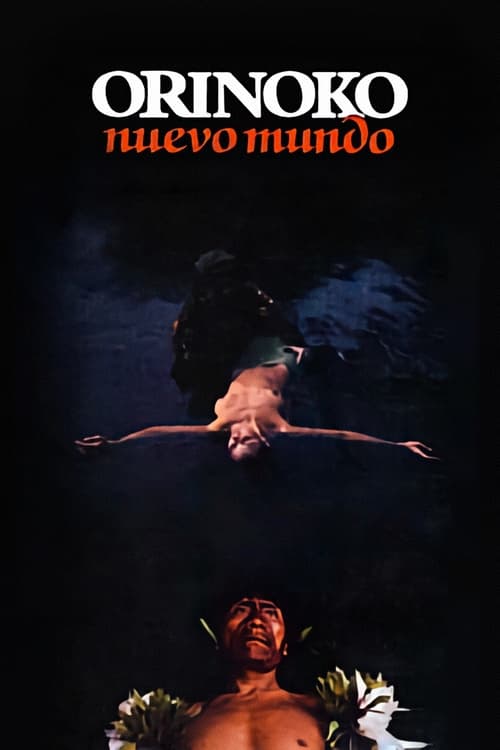
The Orinoko: main character in the film. The first part is set during the pre-conquest and is represented as an earthly paradise. A shaman has precognitive visions: go to Columbus and the Catholic missionary in 1498.
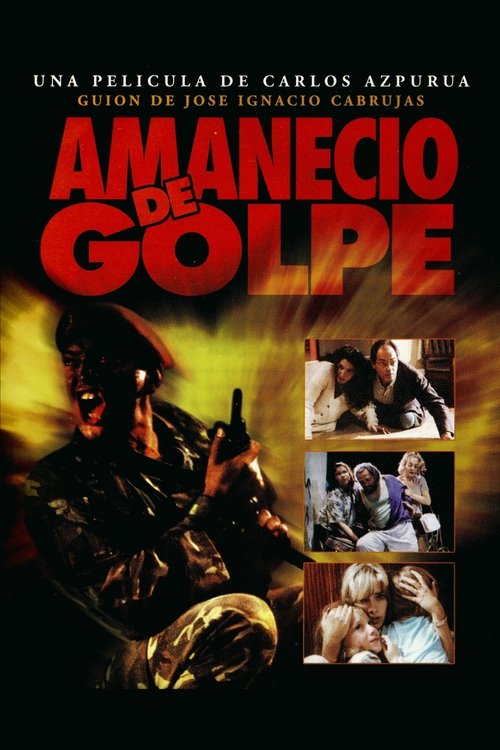
The film follows the events of the night of February 4, 1992 in Caracas, Venezuela. That night a group of military rebels staged a coup d'etat. Venezuelans found themselves as virtual prisoners. As the coup starts and fighting takes place from a military base which is in the center of the city's most affluent areas, with both luxury high rises and palatial mansions. The area of La Carlota provides a wealth of very interesting, often flamboyant and typical characters of the Latin America upper middle and upper classes. They are among the most affected. Various vignettes in these different characters' homes are developed. These people's reactions, lifestyles, vices, and humanity come out in a very honest fashion under duress.
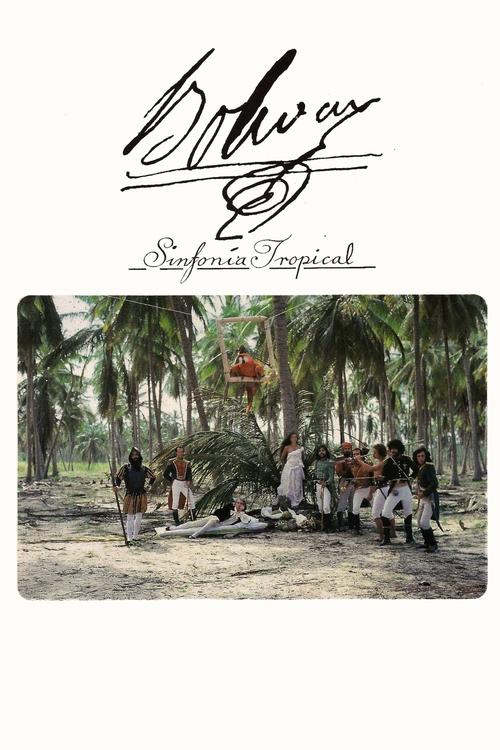
This is the first of Diego Risquez’ trilogy of avant-garde cinematic treatments of historical subjects. Using a painterly style, it features portraits, still lifes, and scenes shot as tableaux vivants, the film provides an experimental interpretation of the arrival of the Spanish and their domination of the New World, as well as the Venezuelan Independence movement, focusing on the role of Simón Bolívar. There is no dialogue or narration, simply a musical score and the depiction of events from Bolívar’s career.
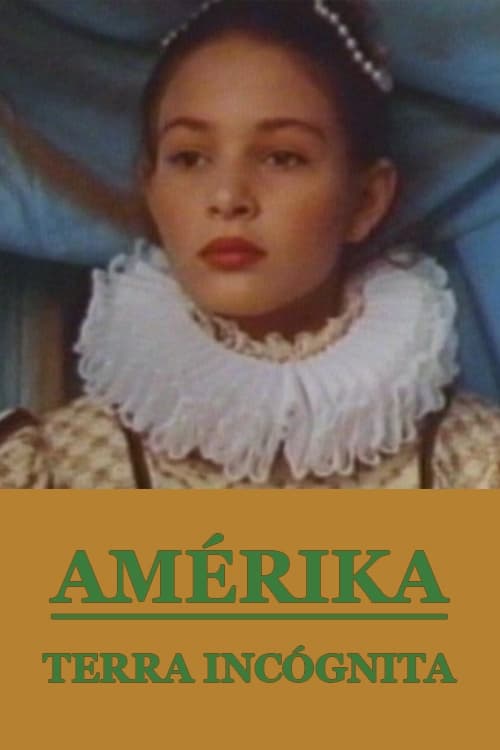
This low-budget avant garde feature uses no dialogue in telling the story of the reaction of the Spanish court after the initial exploration of America. A botanist revels in his collection of new plants. A native is baptized in a church ceremony, and nuns and court jesters appear throughout this rambling feature.
No description available.