Rønnaug Alten
Acting
Known For
The Guldbagge Awards is an official and annual Swedish film awards ceremony honoring achievements in the Swedish film industry. Winners are awarded a statuette depicting a rose chafer, better known by the name Guldbaggen. The awards, first presented in 1964 at the Grand Hôtel in Stockholm, are overseen by the Swedish Film Institute. It is described as the Swedish equivalent of the Academy Awards. The awards ceremony was first televised in 1981.
The Guldbagge Awards
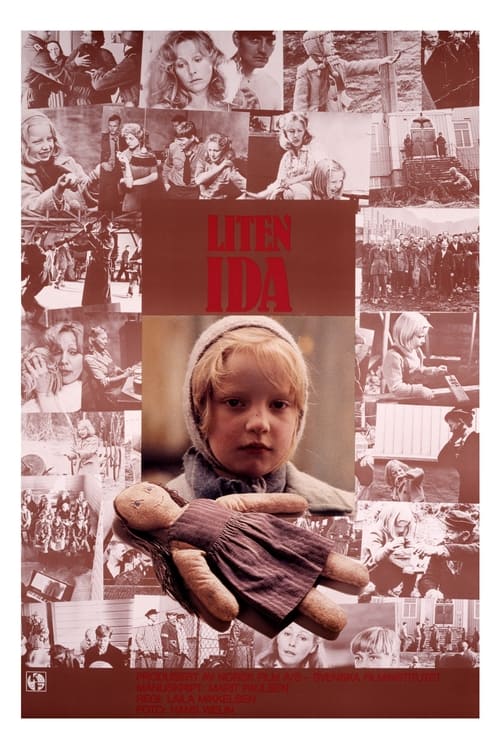
Little Ida's mother is working for the Germans during WW2, and she is also having a relationship with a German SS-officer. Ida is experiencing the problems of having a mother who is involved with the enemy, without being old enough to understand what is actually going on.
Little Ida
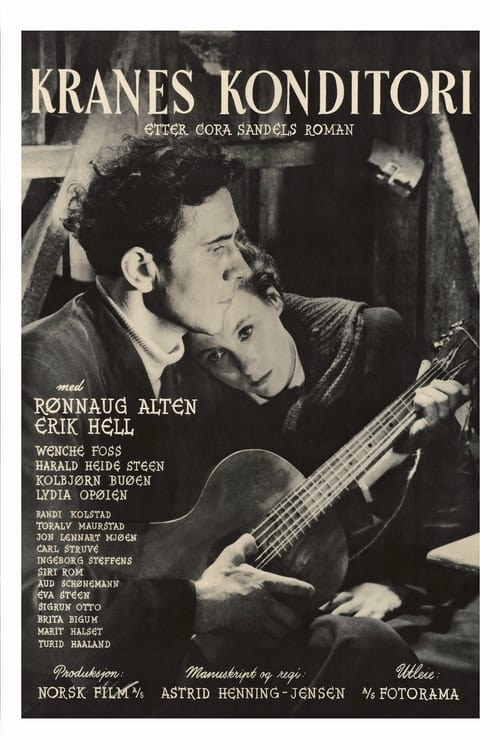
A woman who has sacrificed everything for her family meets a man who makes her reassess her life
Krane's Confectionery

A youthful drama about a young guy and his struggles with his hatred of his father. Not even a relationship with a good-looking girl seems to cool his emotions.
The Passionate Demons
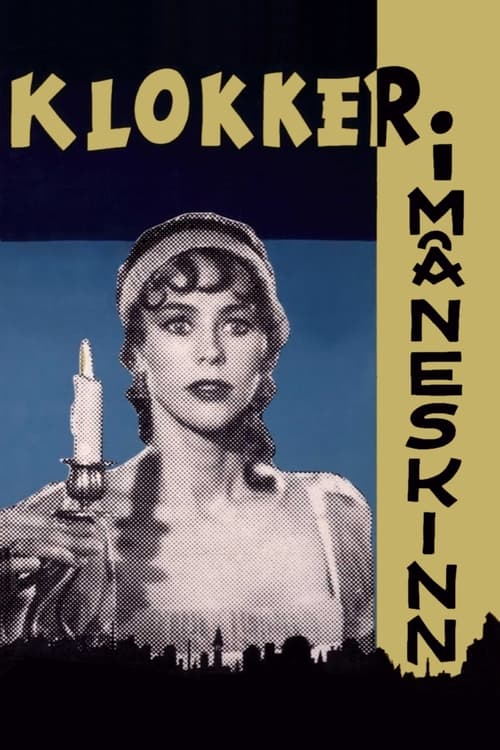
Four men are gathered to play a game of bridge, when the conversation turns to unnatural and occult events.
Clocks in the Moonlight
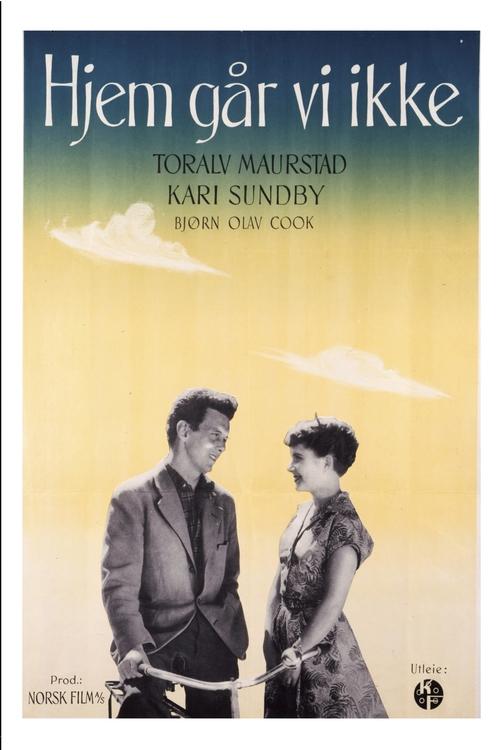
A six year old boy runs away from home with the family's big dog, a St. Berhard, who the grown ups wants to put down.
Hjem går vi ikke
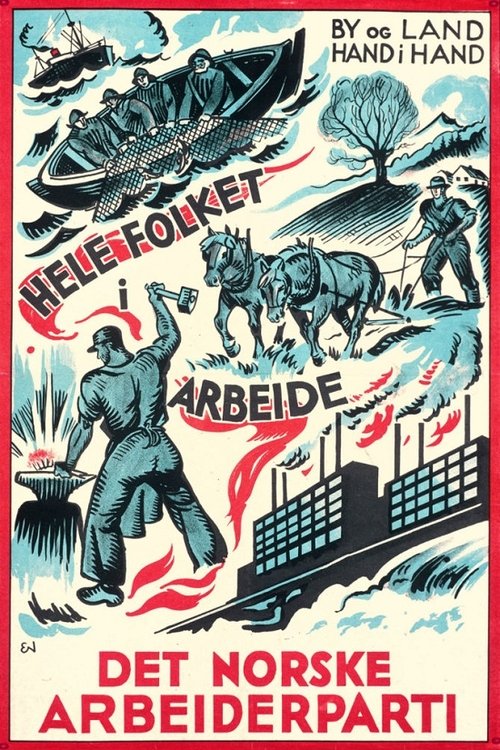
The film is often referred to as a «labor film», because it is one of several film dramas from the 1930s that the Norwegian labor movement supported and which should give the audience an understanding of the labor movement's politics.
By og land hand i hand
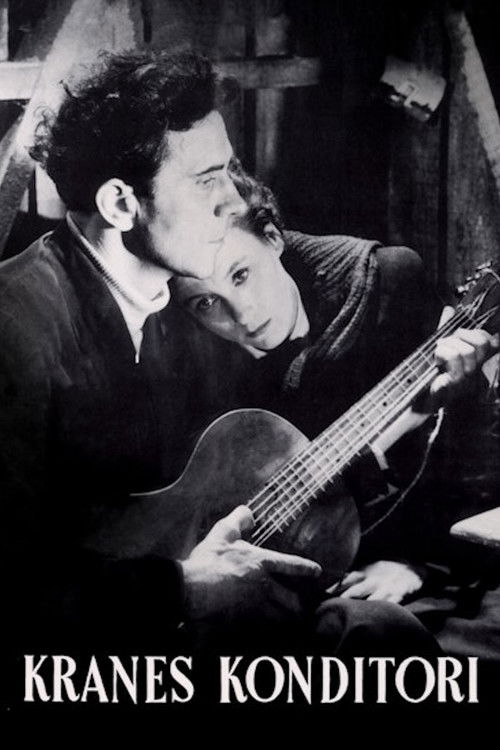
Seamstress Katinka Stordal is a lonely and tired woman in search of love and freedom. When everyday life gets too much, she goes to Krane's pastry shop.
Krane's Confectionery
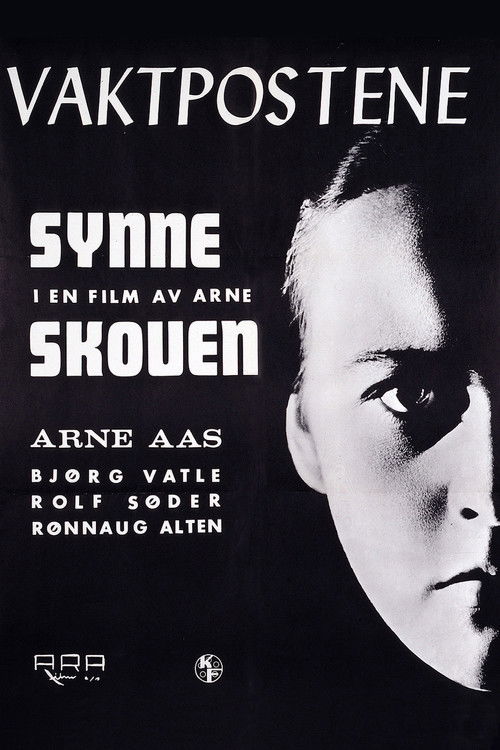
A hand is pulling the emergency breaks on a train, and a young military recruit has his live all changed. No one can answer a girl's question in court. What colour are dreams? A gathering of destinies. Can anyone answer why things happen?
The Guards
The film is a so-called "worker's film", which was made on behalf of the Workers' Information Association to motivate voters in the cities to vote for the Labor Party in the 1936 parliamentary elections.
Vi bygger landet
Harald's wife Eva has ambitions of becoming a writer, and divorces him to marry one of his friends, Anton. But Anton can't forget his former wife Ragna, and Harald is inheriting a large sum of money. Will this change things?