Directing
Finnish filmmaker.
No description available.
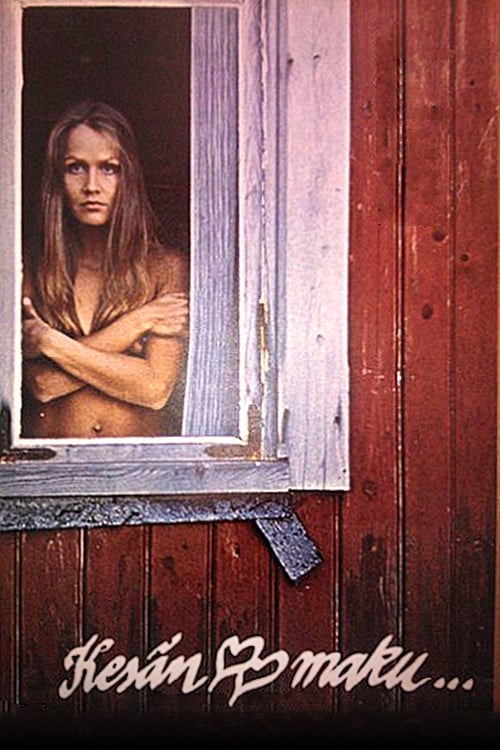
Liisa, a young nurse returns to a remote island where she has spent the summer leaves in her youth. She soon gets to know some of the regular residents on the island, Pekka and Paula. During the summer party the underlying tensions mount.
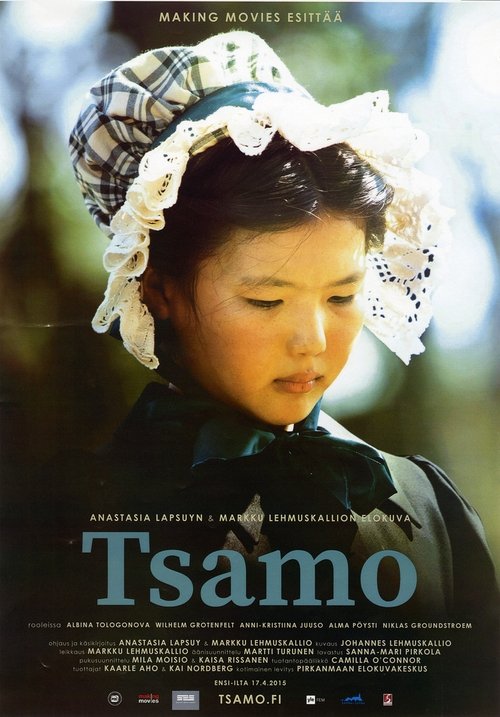
In the 1860’s Alaska and Finland are simultaneously parts of the Russian Empire. A Finnish mining engineer Simon buys a Tlingit girl named Tsamo and decides to bring her to Finland. The child, Tsamo, is baptized and Simon starts to teach her European manners. Tsamo thinks she’s married to Simon and acts accordingly, but when Simon marries a lady of his own age and class, she gets confused. Simon is forced to send the girl away and the battle over Tsamo’s identity takes complicated turns.
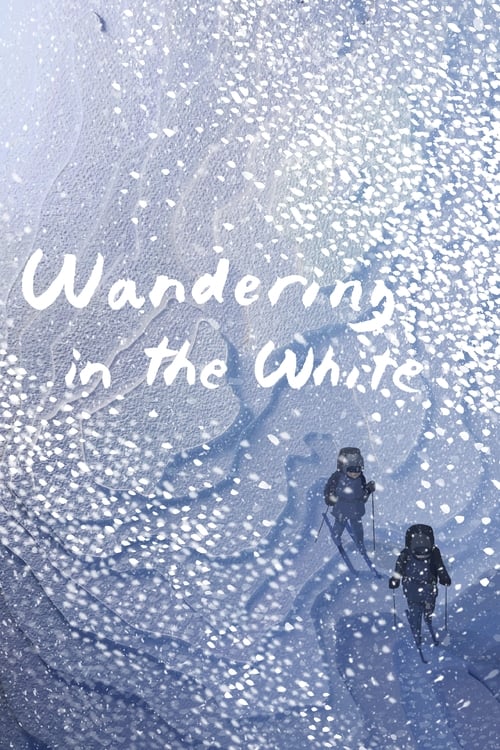
When two former top orienteers end up in a snowstorm in Lapland wilderness, they face an impossible orienteering task: how to reach your destination when you can't tell earth from sky?
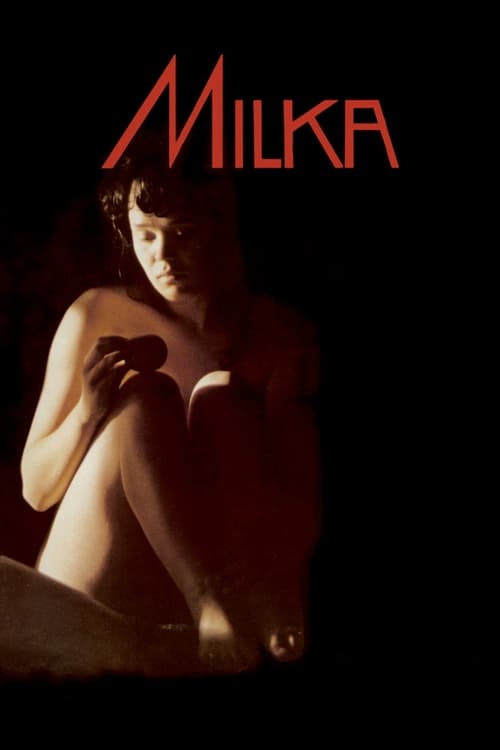
Based on a novel by the late Finnish writer Timo Mukka, this simple story focuses on what happens when Milka (Irma Huntus), a girl barely out of childhood, gets pregnant by Ojanen (Matti Turunen) a rustic fieldhand. Her own mother had been hoping to marry Ojanen, and her daughter's pregnancy turns their lives around. Set in the Lapp country of northern Finland, the scenery is breathtaking, made even more so by the isolation of the region. A sense of natural solitude is underscored by a slow-moving dialogue interspersed with long silences, and the connection between nature and the dialogue is underscored as the young Milka recites poetry while out in the countryside. The fate of Milka and her mother, however, is connected to the decision that Ojanen makes at the end.
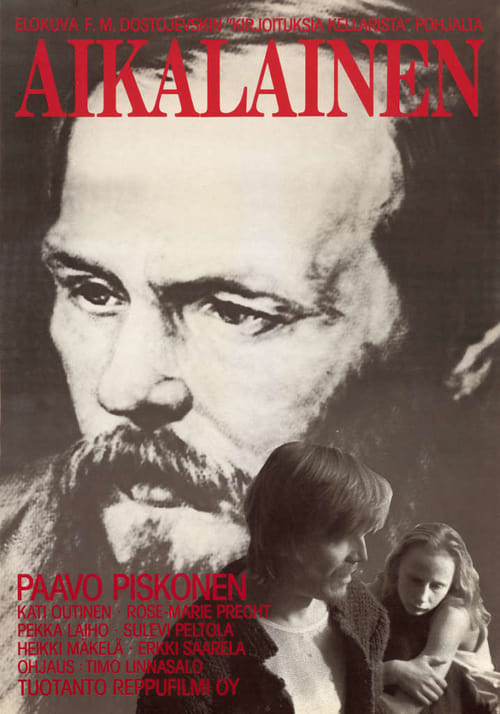
A Finnish adaptation of Notes from Underground by Fyodor Dostoevsky.
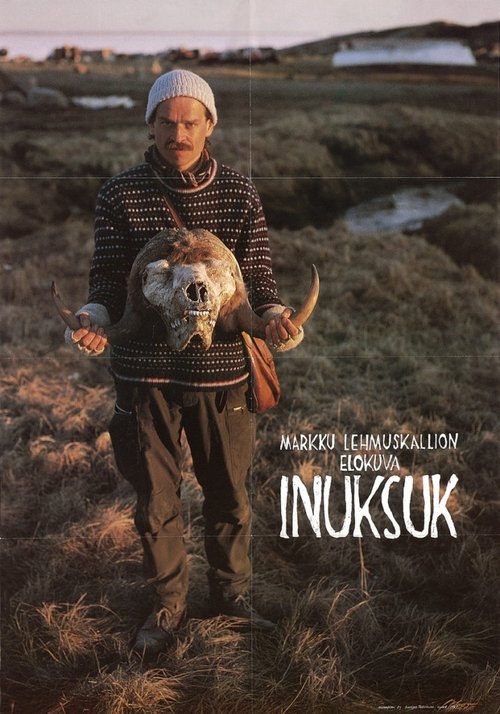
Markku Lehmuskallio has devoted a large part of his documentary work to the indigenous people of the Arctic Circle. In this latest film, co-directed with his son Johannes Lehmuskallio, he composes a fascinating poetic ethnography inspired by the singing, dancing, forms of contemporary existence and, above all, the vital breath of these nomad communities mistreated by History.
The film follows researchers working at a Canadian research station as they become acquainted with Inuit culture.
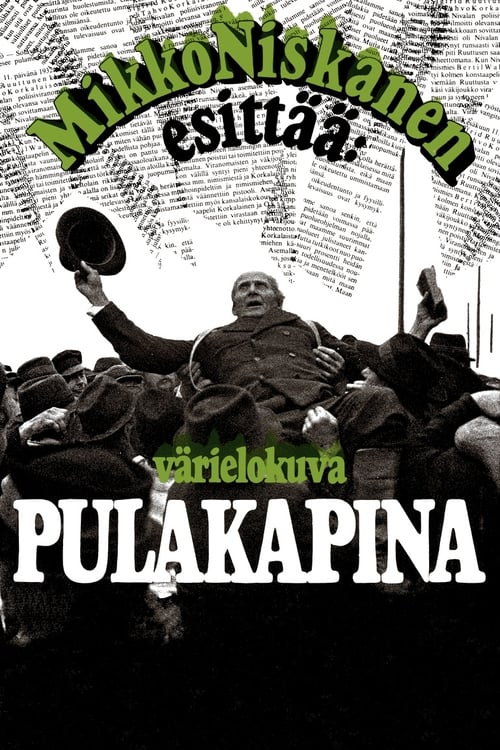
Based on a true story about the so called 1932 Horse Rebellion in Nivala, Finland. The decision to put down a sick horse owned by a poor farmer rises the farmers in open rebellion against the authorities.
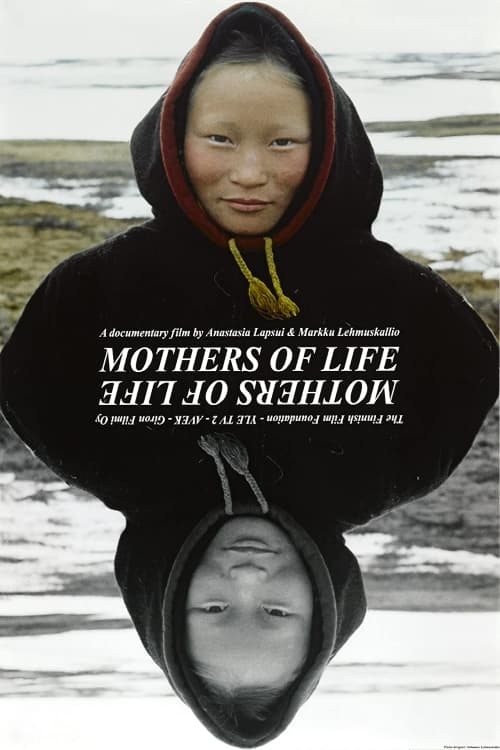
A documentary on the experiences of the Nubetya Yaptiks nomadic family in the Yamal Peninsula, Eastern Siberia, from 1992 to 2001.
In 17th-century Pohjola, young Antti Puuhaara is looking for himself, because he has grown up with no knowledge of his childhood. Two actors, the tragedian and the comedian, who were banished from Tsarist Russia to Karelia, had predicted to the crooked merchant Markki Bohattov that Antti's fate would become intertwined with his own. When Antti falls in love with Bohattov's daughter Darja, the father has to arrange for her to marry the tar merchant Arho Mustahatu.
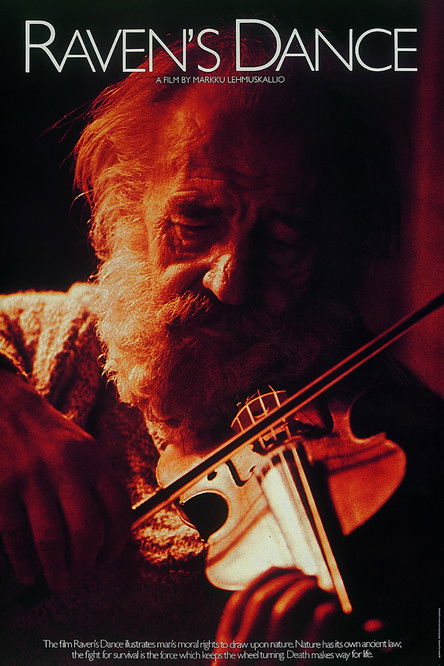
With a keen sense of visual beauty, director Markku Lehmuskallio has created a thought-provoking, aesthetic film about a married couple and an old man living in a remote part of Finland. The young husband goes out hunting but only to support himself and his wife, not to kill off hordes of animals. He sets traps, and that gets him in trouble with the police who proceed to ticket him for using the devices. The forest cycles themselves are intimated when an old tree is shown falling to earth -- perhaps a reflection on the old man's passing years. In contrast to these few people living off the land and basically keeping the ecological balance intact, a highway construction crew is shown at work felling trees. Soon the antagonism grows between encroaching civilization and the quiet life of the young couple and elderly man.
Deaf artist Joel lives with his parents on a small farm, where he and his paintings are not appreciated.
An anthology of stories about the indigenous Nenet peoples of the Northern Russian tundra, and how their way of life was disrupted by the advent of Soviet power.
A hunter brings a feathered bird as an offering to the goddess of his ancestors. Tapiola is a film-poem in defense of nature and humanity. It is also a documentary that tells the story of modern man's loss of contact with the environment and its transformation into a commodity.
Story about life and death according to Chukchi people who live in Chukchi Peninsula as far in the East as one can go.
Ethnographic documentary.
An elderly Nenets woman in teepee on northern Russia's Yamal Peninsula recounts her early life betrothed to a deity for the entertainment of a blind young girl. In the Nenets culture, a girl child can be married to holiest of holies, Num, before or after her birth. Lonely old Numd' Syarda (which means, literally, 'tied to Num') entertains the blind young Ilne ('giver of life') with stories of how she became one of these chosen few.
The history of Finland through traces of the past.
Anna tells the story of a woman of the Nganasan, a severely endangered people of the Taymyr Peninsula.