Directing
Russian Nenets filmmaker.
No description available.
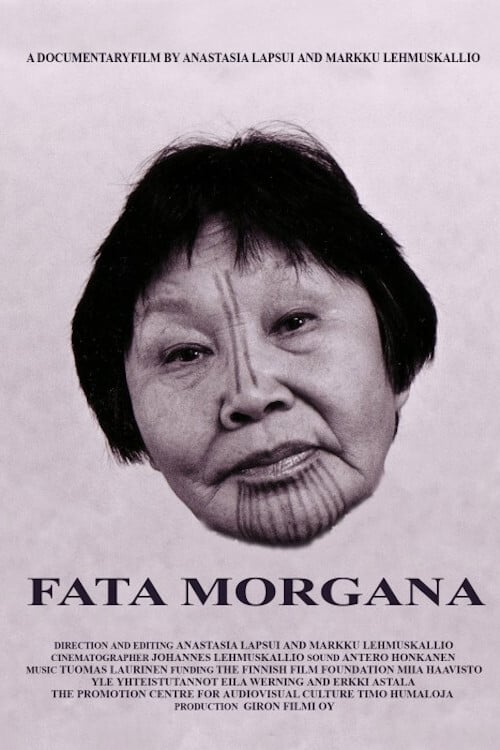
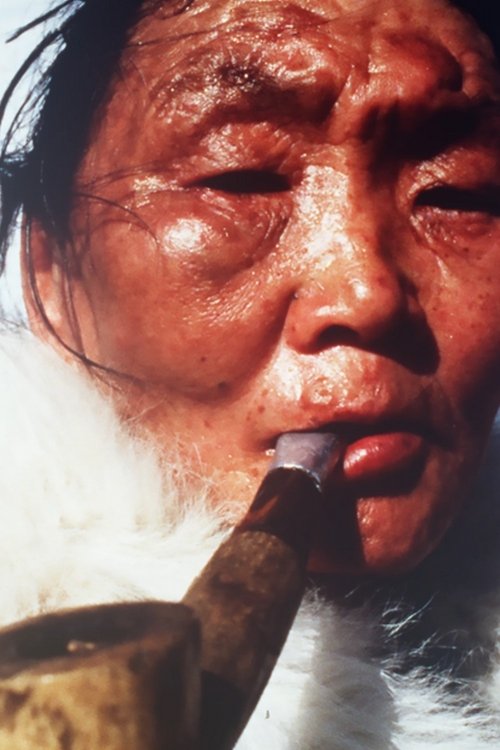
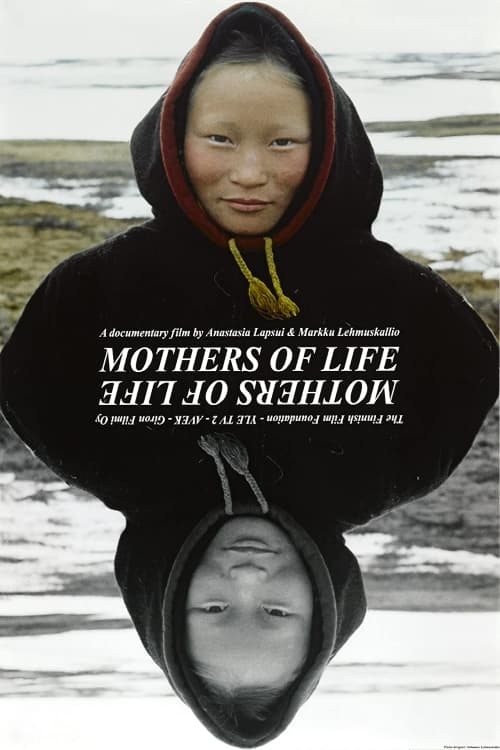
Story about life and death according to Chukchi people who live in Chukchi Peninsula as far in the East as one can go.
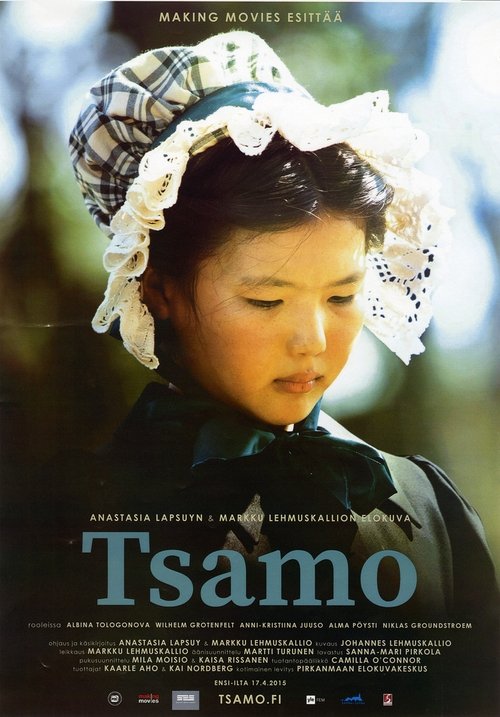
In the 1860’s Alaska and Finland are simultaneously parts of the Russian Empire. A Finnish mining engineer Simon buys a Tlingit girl named Tsamo and decides to bring her to Finland. The child, Tsamo, is baptized and Simon starts to teach her European manners. Tsamo thinks she’s married to Simon and acts accordingly, but when Simon marries a lady of his own age and class, she gets confused. Simon is forced to send the girl away and the battle over Tsamo’s identity takes complicated turns.
Ethnographic documentary.
Anna tells the story of a woman of the Nganasan, a severely endangered people of the Taymyr Peninsula.
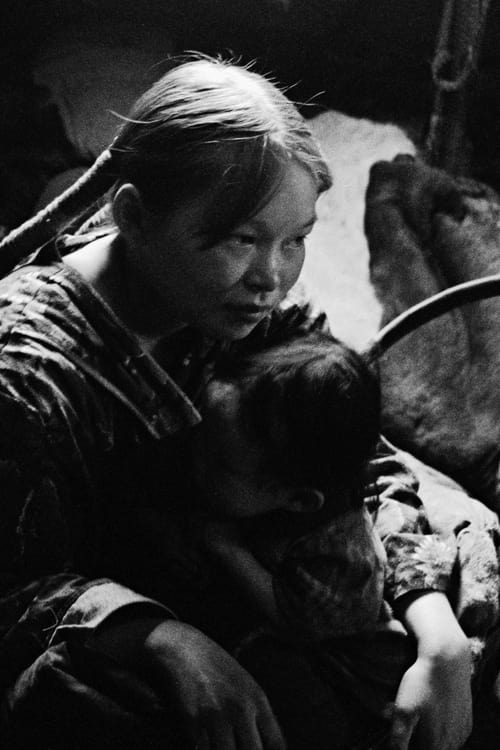
An elderly Nenets woman in teepee on northern Russia's Yamal Peninsula recounts her early life betrothed to a deity for the entertainment of a blind young girl. In the Nenets culture, a girl child can be married to holiest of holies, Num, before or after her birth. Lonely old Numd' Syarda (which means, literally, 'tied to Num') entertains the blind young Ilne ('giver of life') with stories of how she became one of these chosen few.
Nedarma (Travelling) is one of several documentary features co-directed by Anastasia Lapsui and Markku Lehmuskallio that portray the daily lives of the Nenets, Lapsui’s tribe based in the northern tundra of Siberia. The film invokes Nenets cosmology as a way of leading into a filmic structure that portrays the arc of life from birth to death.
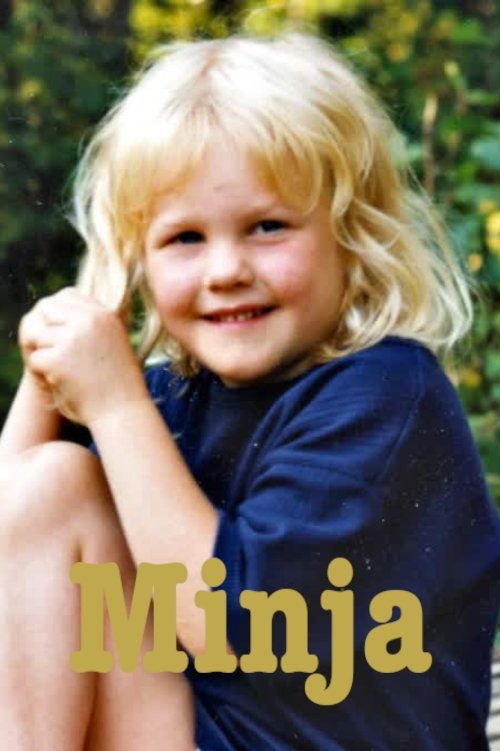
A fertilized egg develops into a human. He is born, lives his life and eventually dies. Human life is a journey, the path we take from birth to death. The film is a story about the journey of Minja's life. At the end of the film, there is a dedication to Minja, Minja’s mother and grandmother. There are no other texts at the end of the film. The film also lacks a director as it is cut from existing film material. The Creator has directed Minja's life.
The history of Finland through traces of the past.
A documentary on the experiences of the Nubetya Yaptiks nomadic family in the Yamal Peninsula, Eastern Siberia, from 1992 to 2001.
An anthology of stories about the indigenous Nenet peoples of the Northern Russian tundra, and how their way of life was disrupted by the advent of Soviet power.
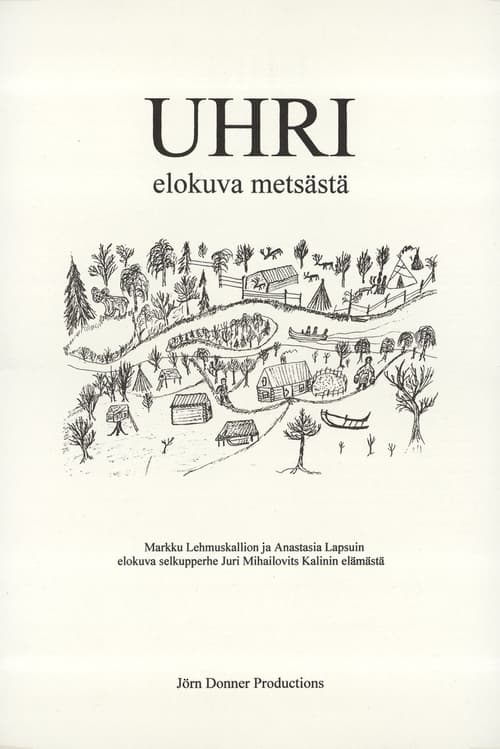
The film is both a folkloric film and a social documentary about the Selkupi people who live in Siberia and make their living from hunting and fishing. The film follows the life of Yuri Mikhailovich Kalin's family, which consists of fishing, trapping fur animals, and bartering their catch for food and other goods. The film also describes the gradual disappearance of the Selkup way of life, as young people are no longer very interested in the traditions of their people and many of them move to villages to live and seek work in the oil industry.
This Finnish documentary film directed, written, produced and shot by Markku Lehmuskallio is the first part of a documentary trilogy about the Nenets people. It's a folkloric documentary describing the traditional nomadic life of the Nenets on the Yamal Peninsula. It includes Nenets songs sung by Anastasia Lapsui and her mother Maria Lapsui. The film was the first film collaboration of Markku Lehmuskallio and Anastasia Lapsui.
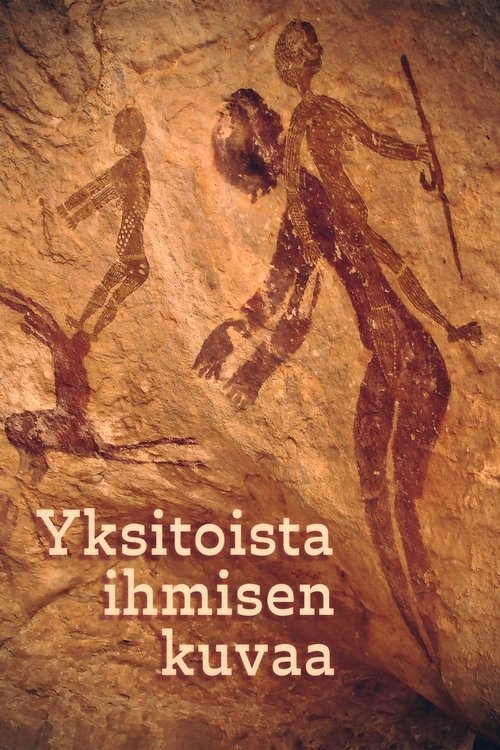
A documentary co-directed by Anastasia Lapsui and Markku Lehmuskallio presenting the mind and thoughts of artists who lived before the history of writing.
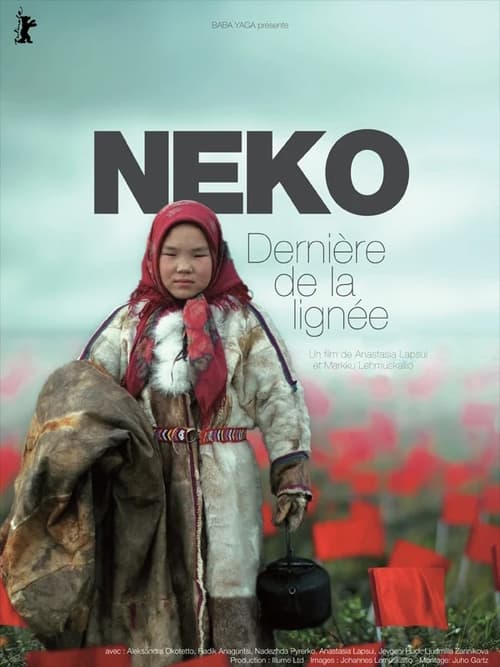
A little Nenets girl Neko is taken against her will from her home to a boarding school in a remote Russian village. Forced to adapt to a foreign culture and new customs, Neko rebels and decides to flee, hoping to get back to her family and old habits.
Markku Lehmuskallio, Finnish, is a woodsman turned filmmaker. Anastasia Lapsui, born under a Nenètse tepee and the granddaughter of a shaman, became a radio journalist in the Nenètse language and has never stopped singing the stories of the tundra. They met 30 years ago, and have been making documentaries and feature films together ever since, inspired by the lives and legends of the Arctic peoples of Siberia, Canada and Scandinavia. Two beings united to create a cinema of resistance, inspired by the sacred breath of myths and the relationship that the cultures of the Far North once had with Mother Earth.