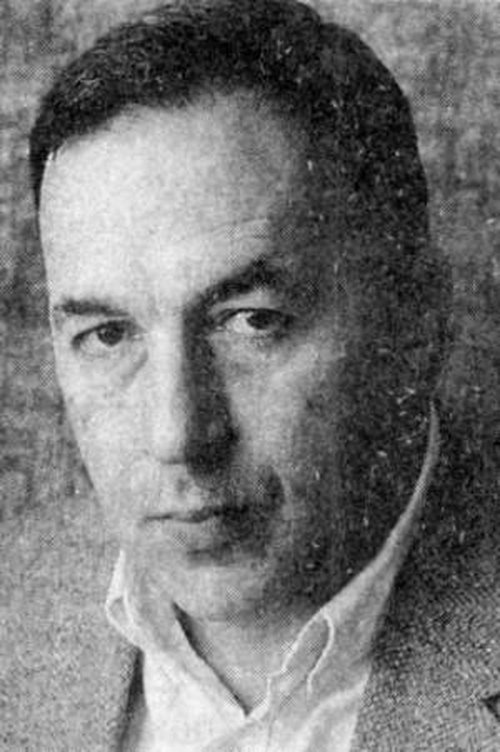
Nodar Managadze
Directing
Known For
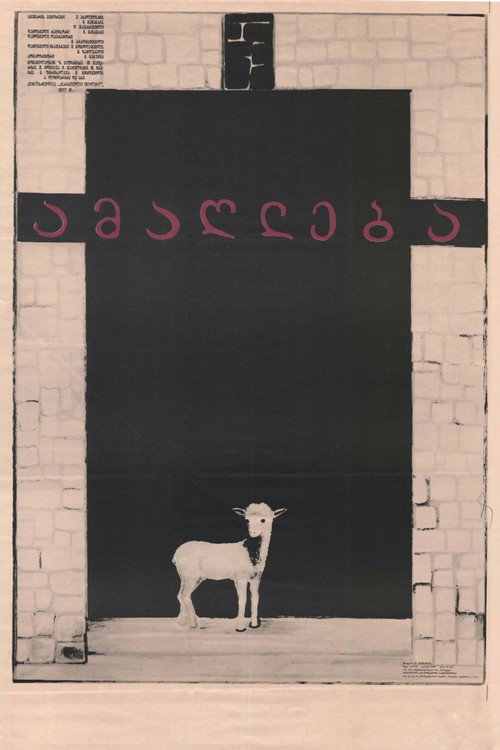
The stone-cutter, Nasdika, transforms stones into works of art. The labourer, Ivané, harvests wheat in the field. The monk, Béka, paints his pictures in the convent cell. The nobleman, Kirilé, has decided to get married. The war started by enemies turns all these people into warriors. Living Legends is a parable, a hymn to the glory of the georgian people, enamoured of freedom and independence, whose most worthy sons have never hesitated to die in the name of the glorious future of their country.
Living Legends
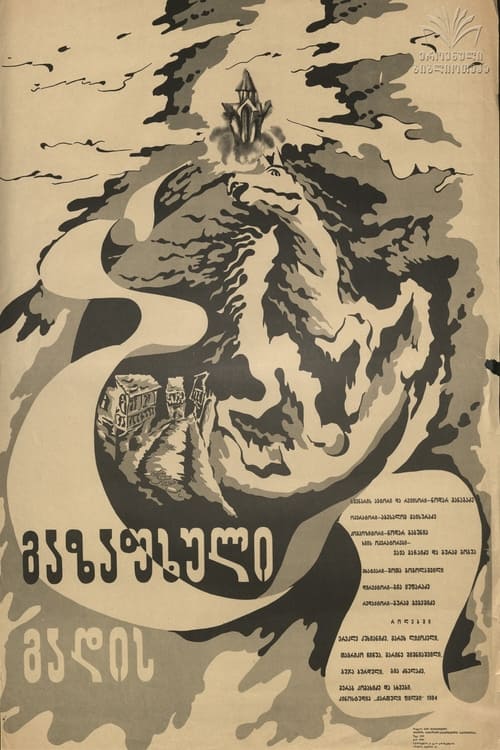
The film describes the spiritual quest of a young hero whose prototype is georgian writer Guram Rcheulishvili.
Spring is Passing

The film tells the life of a Georgian woman from 1920s to the present day. Love, marriage, Russian annexation and collectivization, world war, loss of children - Sidonia went through many sorrows and troubles on her way of life, but she always maintained spiritual courage and hope for the future.
The Life
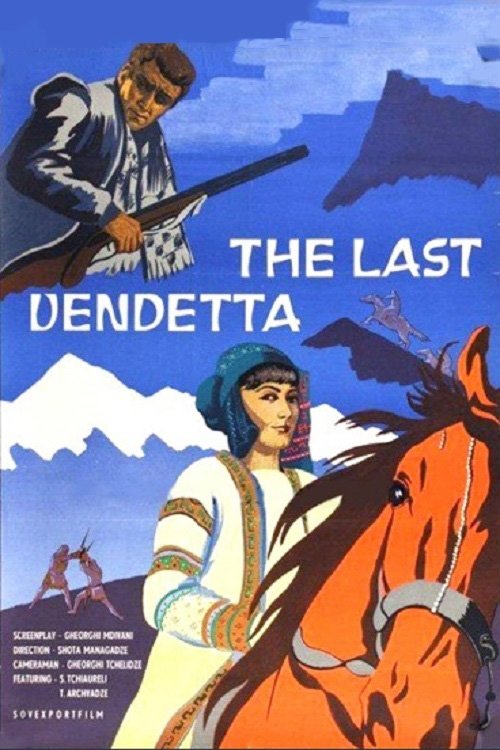
When Imeda’s father is killed in a blood revenge accident, the family moves him to the city where he is sheltered at his father’s friend. After fifteen year he gets back to Khevsureti. A talented painter, he spends most of his time doing sketches of nature and people. There he meets a local beauty, Mzekala and fells in love with her but finds out that Torghva is also in love with her. Enraged by Imeda’s impudence Torghva calls him for a sword fight and is killed by Imeda. To avoid another round of blood revenge, the villagers let Imeda and Mzekala out of the village but someone who wants Imeda’s blood finds it out and follows them.
Ballad of Khevsureti
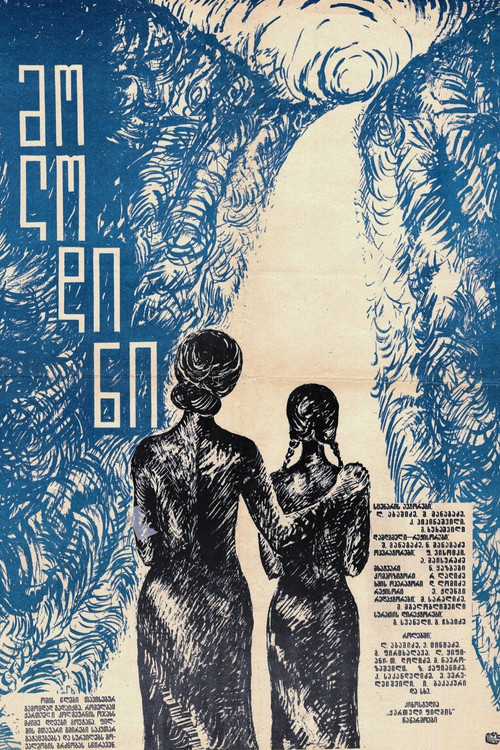
Ketevan, a village doctor, is already sending her second son away in the world war. Only the youngest child, Mamuka, remains as the family's hope. Ketevan does not lack care for the sick, lives in hope, and waits for his children to return home. But the harsh reality of the war demands a sacrifice from her again - Ketevani sends his third son to the war as well.
Waiting

Ivane does not think about starting a family life, so the villagers deicide to force him marry and try to take him and his bride to the church using all the possible means.
Story of Ivane Kotorashvili
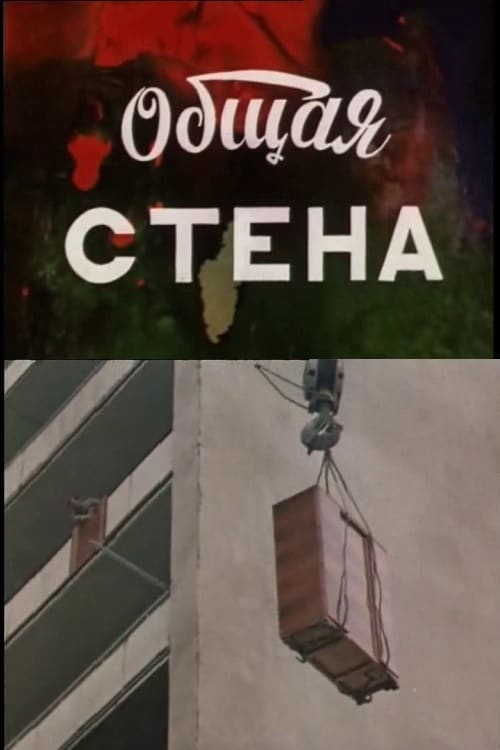
Neighbours in a new house sometimes don't even suspect who might be living behind the wall. They're kind friends out in the street, but each of them fiercely hates the one living behind the thin wall. When will all be revealed and who will win - hatred or friendship?
Common Wall

Otar Nizharadze is an unrelenting fighter against the corruption, fraud, and crookedness reigning in the society.
An Honest Eye
In a mountainous region of Georgia, a dam is being built, threatening to flood the area. However, the residents of old villages, unwilling to leave their homes, are determined to protect their small homeland from mismanagement. This story is about the resilience of these people as they fight to preserve their way of life.
A Dam in the Mountains

George is from a rich family, he is handsome, carefree, tries on various situations and situations. He walks a lot, communicates with people, but life is boring. One day George sees a blind man. Blind Heraclius is wise and calm. He doesn't need anyone. He is pleased with real Georgian wine, he loves classical music and old books. The dignity of Irakli wins: George takes a wand from Irakli and puts on dark glasses...
The Baptism
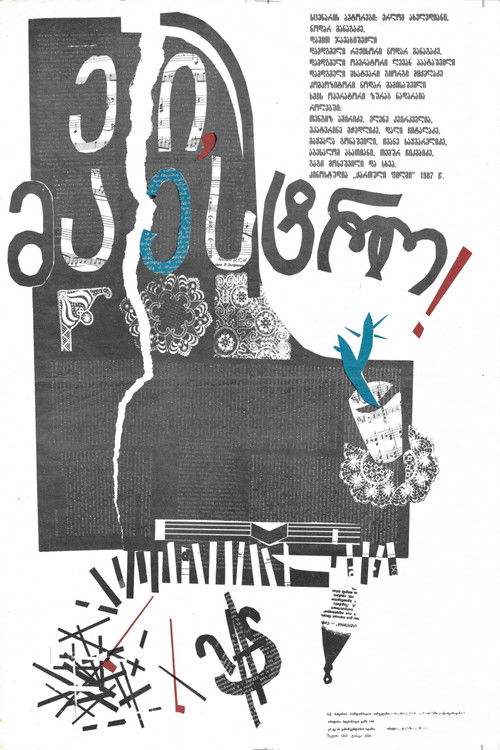
The forty-year-old composer, who once showed great promise, becomes a piano tuner. On his old car, the resilient hero drives around Georgia, helping people tune instruments, and does not lose hope that the best music has not yet been written by him.
Hey, Maestro!
No description available.
Noe

A metaphoric depiction of post-Soviet countries. The artificial environment of the USSR, built on an ideology that was not possible outside of theory has crumbled, but in its place the new cherished "freedom of democracy" remains merely the hollow words of concept. The film takes place in a vast building of a train station, resembling an aquarium. There the lost masses are ruled by chaos. The terror and misunderstandings of their country has been replaced by senseless and heartless bureaucracy. Having lost all hope, the travelers seek to abandon their country and find a new home, but the trains that come rushing through their station are not stopping. We meet people from all walks of life: a couple of lovers; a group of musicians; a priest; a thief; a banker carrying a briefcase of money; models walking idly on a podium; unhappy families; thieves, prostitutes. All seem trapped and cannot leave.