
Pia Frankenberg
Writing
Biography
Pia Frankenberg was born on October 27, 1957 in Cologne, North Rhine-Westphalia, Germany. She is a producer and director.
Known For
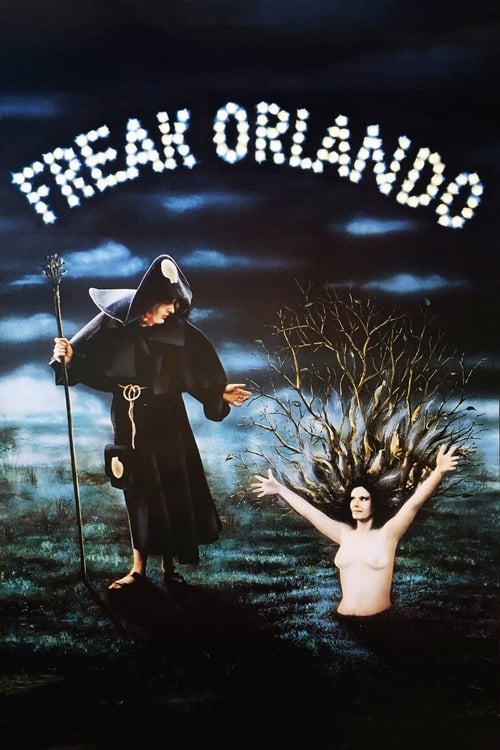
Five more-or-less distinct sections, all featuring "Freak" Orlando, a woman played by the late Magdalena Montezuma, who appears in various guises and deformities throughout.
Freak Orlando
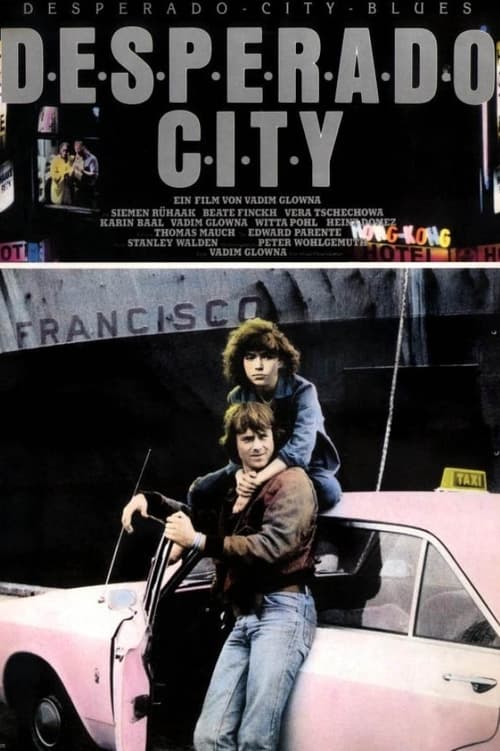
Skoda is the son of a wealthy, overbearing banker and rather than put up with his father to keep a privileged lifestyle, he has chosen to ditch the relationship and drive a taxi for a living. The film follows Skoda on his nightly rides through the city, and though different characters come and go, Skoda meets a kindred spirit in the form of a teenage woman who finds her own home life equally difficult to shoulder. The two young people are gradually attracted to each other, and they end up one night in Skoda's room together. At that moment, the older woman that Skoda had been involved with opens the door and discovers his infidelity. Skoda is living in her house and driving the taxi she gave him -- her commitment was abundantly clear from the beginning. Pushed over the edge, the older woman commits suicide -- and Skoda is blamed for her death by her ex-husband. He swears to avenge her, and the hunt for Skoda begins.
Desperado City
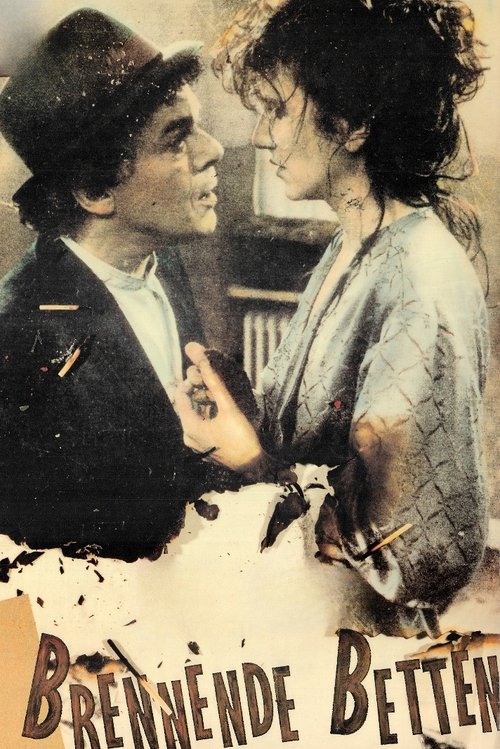
Harry, a timpanist and pyromaniac, and Ginamove into the same apartment due to Hamburg's housing shortage. This is the beginning of a wonderful enmity, with Harry, who has been tried and tested in marital warfare, and relationship terrorist Gina proving to be quite equal opponents.
Burning Beds
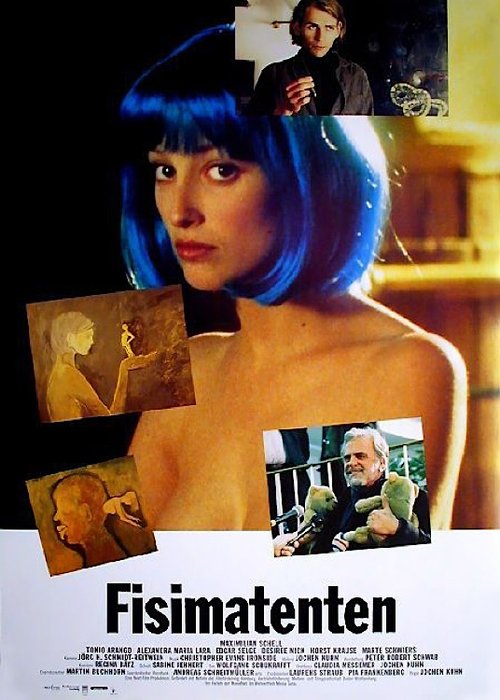
A painter learns that leaving the creative life behind is much more complicated than he expected.
Just Messing About
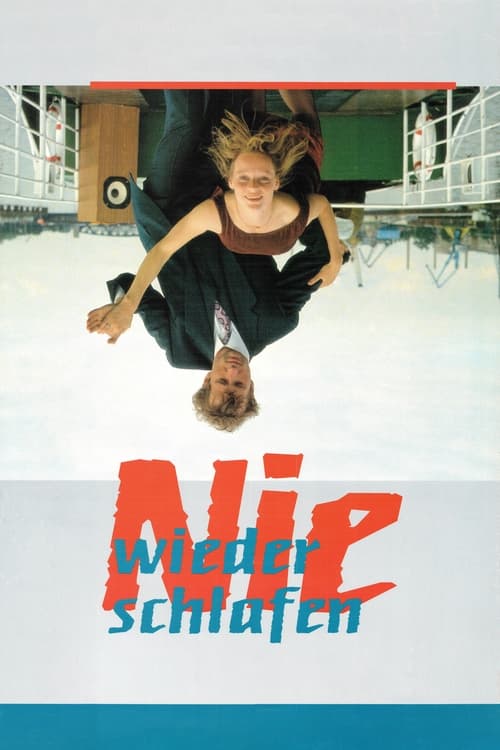
After attending a wedding on a steamboat traveling down the river Spree, three friends from Hamburg become stranded in a newly reunified Berlin. They begin a restless odyssey through the wastelands of a metropolis wavering between an unpredictable future and a lingering past.
Never Sleep Again

Zobel and Karl are a long time gay couple who live together in a trailer home with Lizzie, Zobel's spunky daughter from a heterosexual misadventure. Together these three form a team of thieves who eke out an existence as pickpockets. After a botched job, Karl becomes unable to work, forcing Zobel and Lizzie to seek out a new partner. Lizzie recruits Rudolf, the boyishly charming town misfit. Reluctantly, Zobel allows Rudolf to join them but warns him to never break the golden rule: "No exchanging of bodily fluids within the team." This dictum becomes increasingly difficult to live by as Lizzie's cravings and Zobel's own passions toward Rudolf intensify. Eventually, the golden rule is broken by Lizzie...and then again by Zobel (unbeknownst to Lizzie, of course). An intricate love triangle soon develops amongst the three that is shaped by deception, desire, and betrayal.
The Trio
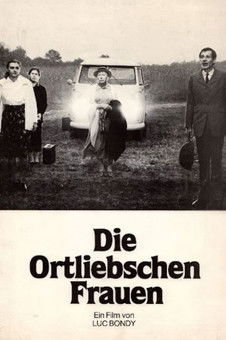
A pessimistic drama about a family struggling to survive after the death of their father. Left behind are the simple-minded mother, the strong-willed daughter Josefine, another sister and a mentally retarded brother. Josefine takes over the reins and looks after the family. She turns her sister into a maid and forces her brother to live in the cellar.
Die Ortliebschen Frauen
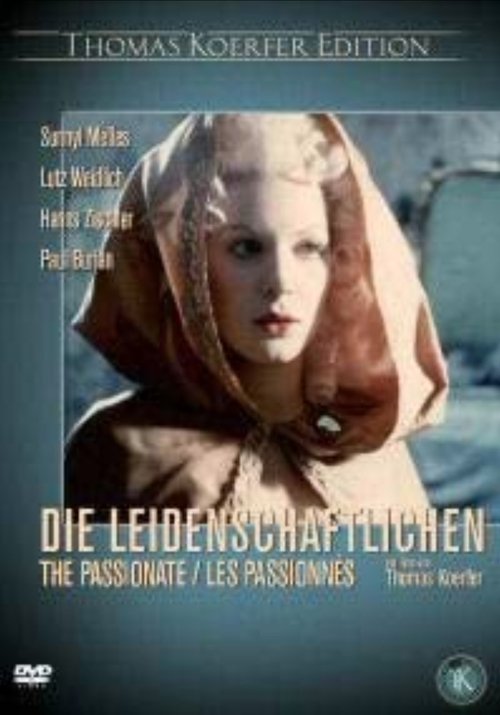
A remarkable approach to Goethe's novel "The Sorrows of Young Werther": on the one hand, a film adaptation that strives to remain faithful to the work and its words; on the other hand, an examination of Goethe's authentic story, his experiences that inspired his writing, and his retrospective comments as an old man. The dialectical connection between these two models brings to life experiences of love, loneliness, and deadly despair, leading in one case to desperate suicide and in the other to poetic processing.
Die Leidenschaftlichen
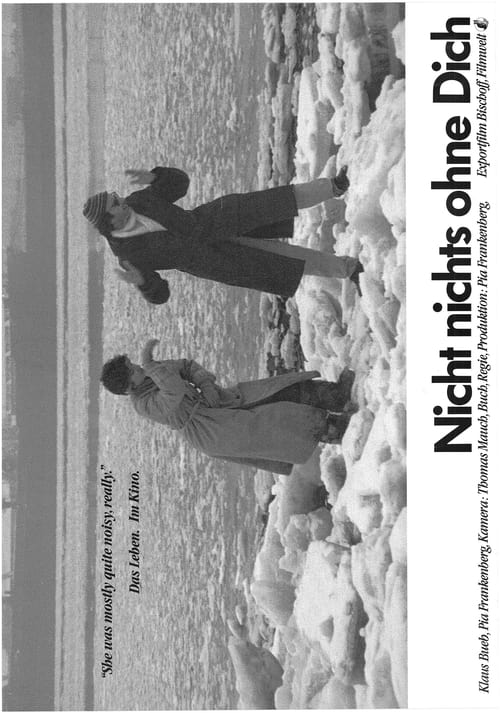
Martha lives in Hamburg with her young son and makes films with real passion. To stay close to the pulse of society, she has moved in with a Portuguese family. Teresa helps foreigners navigate bureaucracy, while Martha tries to build a romance with Alfred. Their shared everyday life reflects West German realities, captured spontaneously and with sarcastic wit.
Ain’t Nothin’ Without You
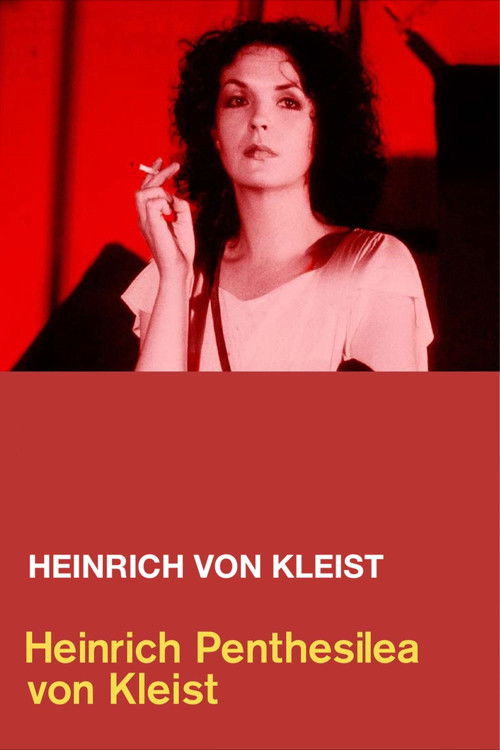
The film interweaves three layers: the centre is Kleist's play "Penthesilea". Like from a distance Kleist observes the relationship beween man and woman, when he transfers into mythical Greece what in his time became a problem for him in Prussia - and remains to be a problem also for us. The director's associations during the work form the second layer. Reality and fantasy blend to an imaginary biography of Kleist, the third layer. At the end of the film Kleist is identical with his title character Penthesilesa.
Heinrich Penthesilea von Kleist
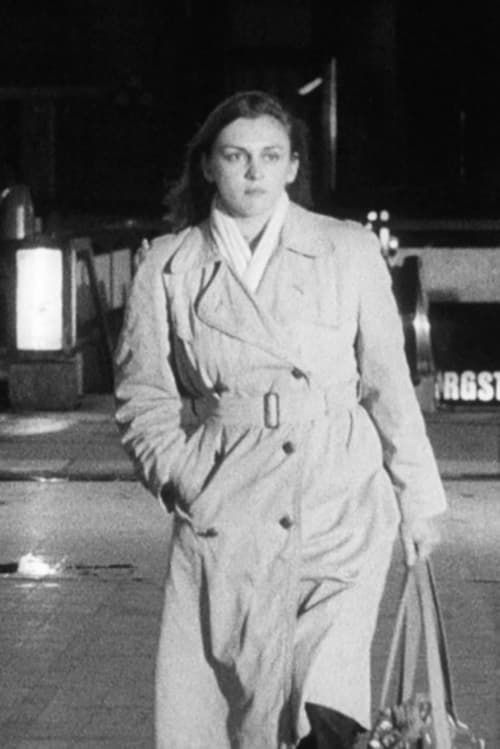
A young woman strolls through the night, then boards a train. Seeking closeness to others she chooses an unusual method by searching through people’s luggage.
Longing for Something Completely Different
Harald T. is overlooked—for life. And even in the pathology department, where the supposedly dead man is finally carted off to, the medical students who have gathered to perform the autopsy cannot find him.
Der T-Mann
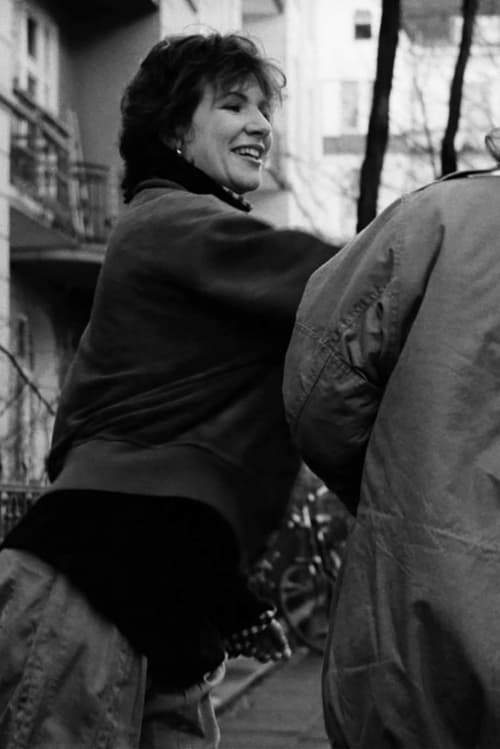
In Hamburg, a slap out of the blue is received by the victim with appreciation. The man, who is hit by a woman, interprets it as an act of anarchy and finds meaning in it. Then they both go out into the street and declare slapping to be an art form.