Sound
The documentary delves into the images that shaped the political myth of Jair Bolsonaro, from his earliest YouTube videos to the end of his term in office. Over a series of sleepless nights, a narrator drifts through Bolsonaro’s livestreams, selfies, and speeches, searching for the logic of a form of power forged through and by images. By confronting this visual regime with Brazil’s official iconography, the film explores how power is understood, repeated, and asserted through images, at a time when politics increasingly unfolds on screens.
Based on the original format of "Tiny Desk Concerts" created by NPR.
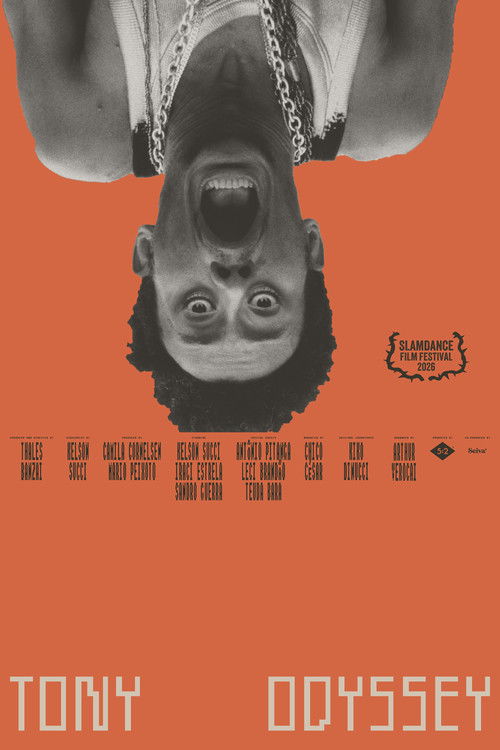
Tony and his best friend, Ivy, decide to rob the bar where he works to steal a new drug that will take them on a journey to meet God.
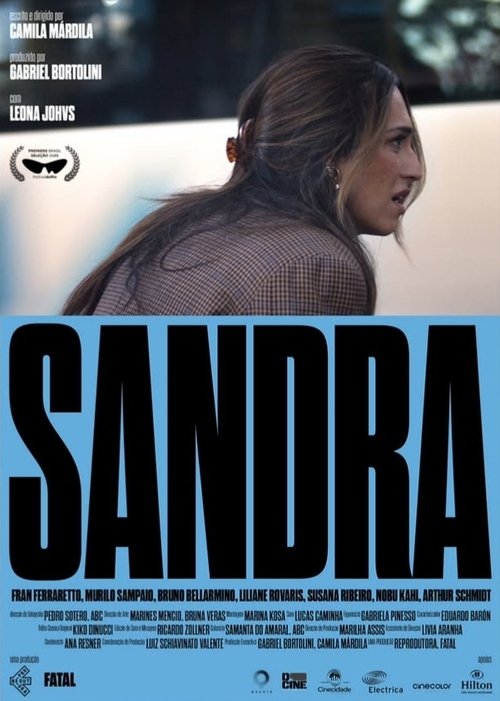
Sandra is an insurance broker staying at a hotel with her team for a training session led by a famous coach. When a mysterious phone call wakes her in her room, she realizes she is being watched by a foreign guest.
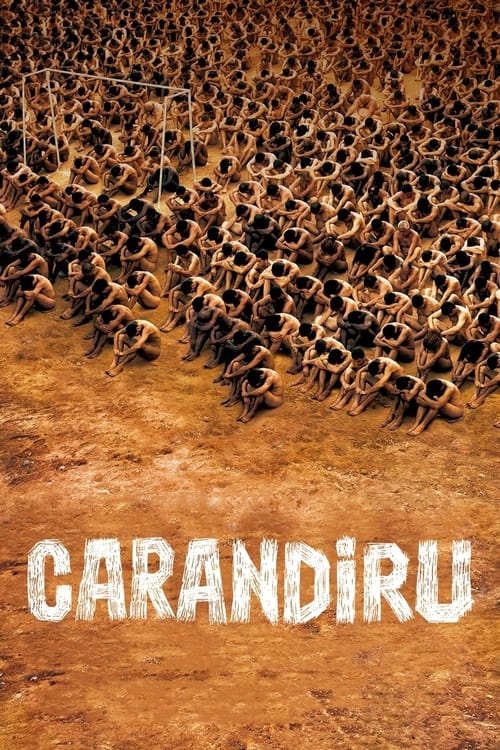
When a doctor decides to carry out an AIDS prevention program inside Latin America’s largest prison: the Casa de Detenção de São Paulo – Carandiru, he meets the future victims of one of the darkest days in Brazilian history.
No description available.
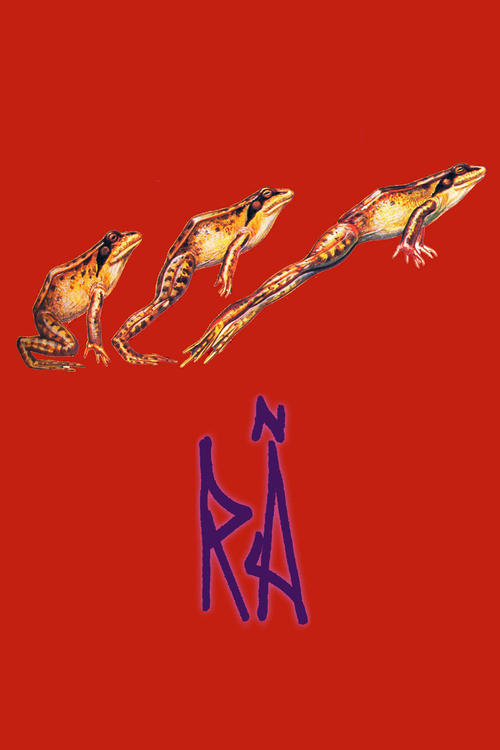
It’s dripping through the ceiling, the space for sleeping is scarce. Under poor living conditions, a young mother handles everyday life with her two daughters in the Brazilian suburb as best she can. When they unexpectedly acquire a load of frog legs, this gives rise to a celebration that will not soon be forgotten.
Dance of Calabash - Exu in Brazil is an poetic investigation on the African divinity Exu in the brazilian imaginary. Alongside other Yoruba Gods, Exu was brought to Brazil by the slaves and became demonized during the colonial period, when catholic missions in Africa and in Brazil concealed its original attributes. In Africa, Exu was viewed as the beginning of life, the force that moved bodies, the lord of the paths and cross-roads. It was the main link between the dead and the gods. For the Christians, it became the personification of evil, due to its falic symbol and astute behaviour. Directed by Kiko Dinucci, the movie investigates the different African-brazilian religions, such as candomblé (Nagô, Gege and Bantu traditions), Tambor de Mina, Umbanda and Quimbanda. Special appearances of priests, clergyman and scholars.
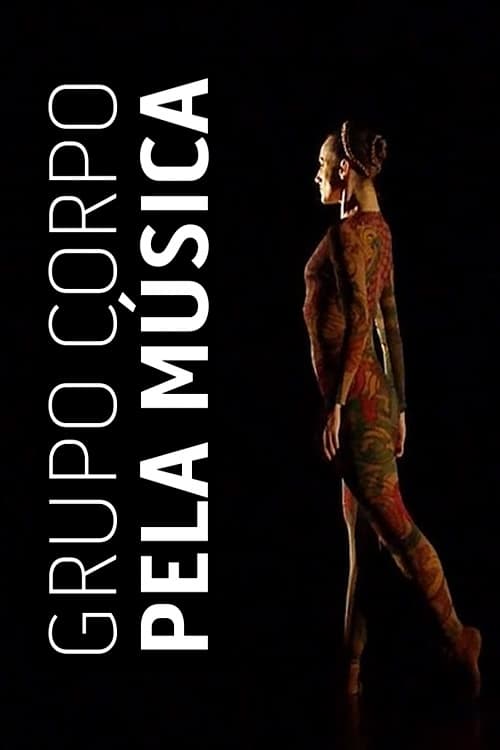
“Grupo Corpo pela Música” is a documentary about the original Brazilian musical production created by the dance group from Minas Gerais over its 45-year history. In parallel with the production of its shows, Grupo Corpo has been consolidating a creative space for original Brazilian music, thus building a musical collection that marks its trajectory and that of the artists involved.
Down on his luck and recently divorced, Paulo has begun driving a cab around Rio, hoping he’ll make enough to send his ex money to support their ten-year-old son. He mostly works nights, so in addition to his encounters with a colourful variety of customers, colleagues, cops and others, he must cope with loneliness, fatigue and new faces in his life.
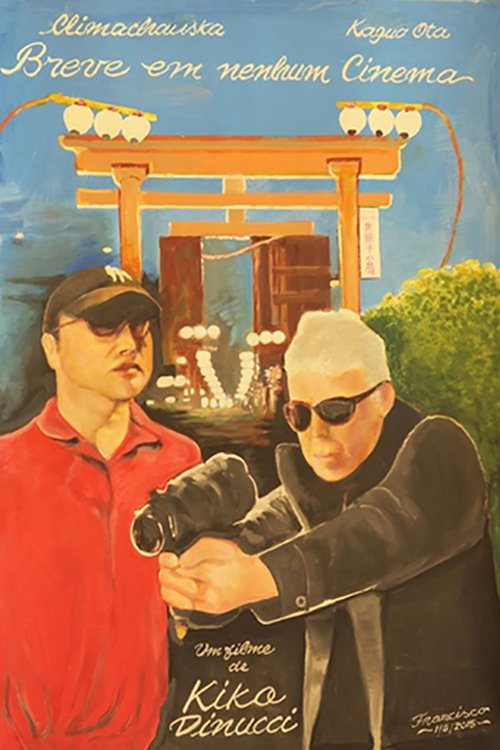
Two wandering characters walk through a city ravaged by real estate speculation looking for movie theaters in downtown São Paulo, but only find evangelical churches, porn theaters, parking lots and ruins.
Released in 1966 by Vinicius de Moraes and Baden Powell, the record Os Afro-Sambas is one of Brazil's most revered. Participants of the original recording, critics, friends and family of the musicians revisit the creation of this masterpiece. Filmed between Salvador and Rio, the documentary brings together archive footage and exclusive interviews with Maria Bethânia, Dori Caymmi, Russo Passapusso and Nelson Motta. A tribute to a classic that transformed Brazilian music.
To start again, one has to destroy.