Stanisław Bareja
Directing
Biography
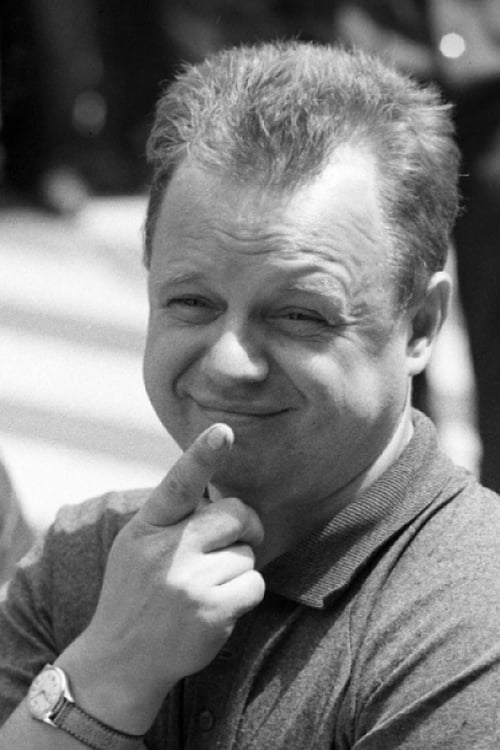
Stanisław Sylwester Bareja (5 December 1929 – 14 June 1987) was a Polish filmmaker. Some of his films (mostly comedies) have reached cult status in Poland. His most famous film is Teddy Bear (Miś), filmed in 1980. His last work was Zmiennicy, a TV series completed in 1986 and aired in 1987. On 21 September 2006 Bareja was posthumously awarded the Commander's Cross of the Order of Polonia Restituta by President Lech Kaczyński and in 2005, a street in Warsaw was named after Stanisław Bareja.
Known For

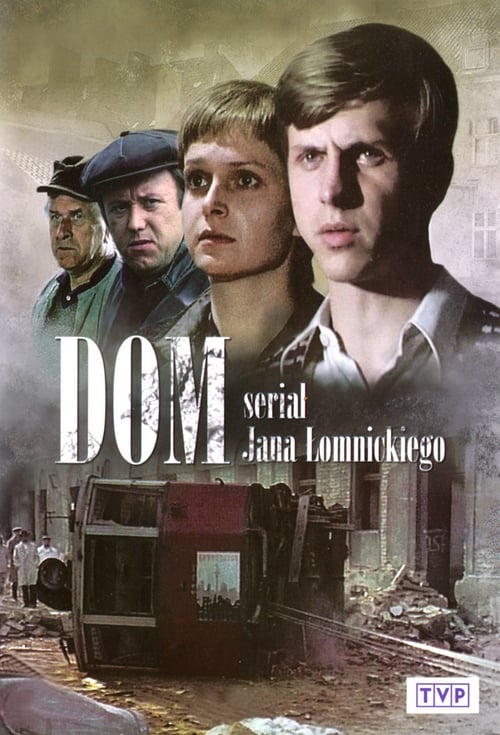
The story of the residents of a tenement house on Złota Street in Warsaw from 1945 to 1980.
Dom

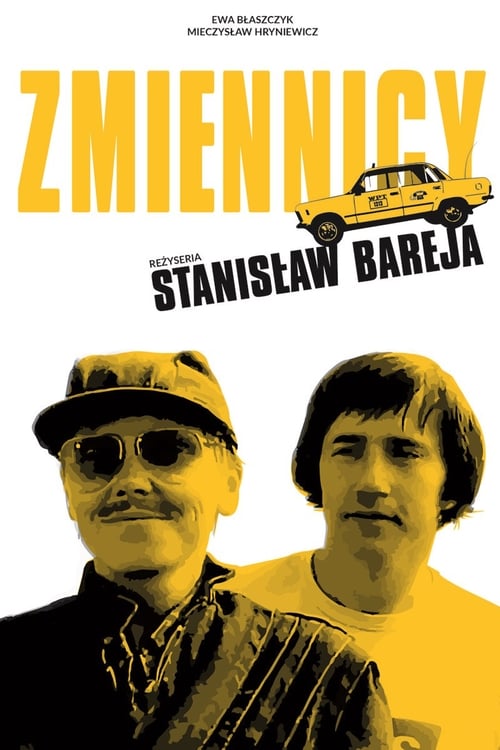
"Zmiennicy" is a grotesque comedy of absurdity and reality that masterfully blends slapstick, satire, and surrealism to expose the absurdities of life under communist rule in the People's Republic of Poland (PRL). The story follows Jacek Żytkiewicz, a taxi driver in Warsaw, and his mysterious new shift partner, Katarzyna Piórecka, who disguises herself as a man to get the job. The series is a comedy of the grotesque, filled with exaggerated characters, nonsensical bureaucracy, and surreal plot twists. It mocks the inefficiencies and contradictions of PRL institutions—from corrupt officials and inept police to bizarre workplace dynamics and social hypocrisy. Underneath the absurdity lies a thriller-like subplot: a drug trafficking operation smuggling heroin from Thailand to West Germany. This storyline, featuring shady sports officials, a Thai student, and a crooked firefighter, adds a layer of intrigue reminiscent of American crime dramas.
Subs

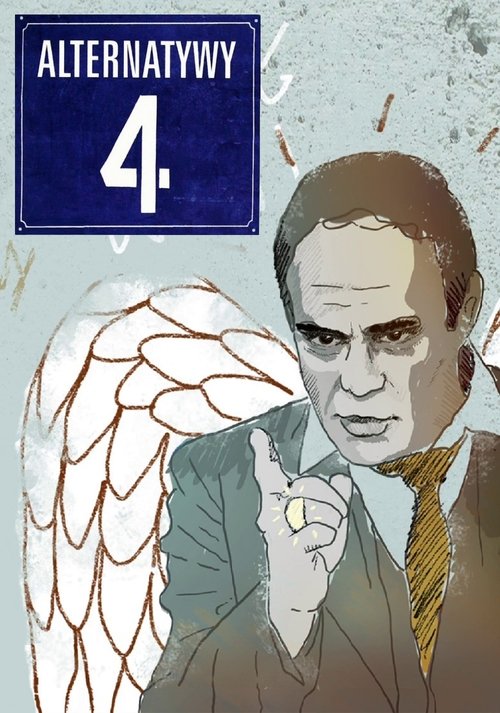
4 Alternative Street was a Polish comedy TV show that was finished in 1983 and aired in 1986 due to censorship. Many famous Polish actors appeared in the series. The filming location used in the mini series was a residential complex which is still in existence at 3 Grzegorzewska Street in Warsaw, Poland. The series was a satire to the communist rule in Poland, spoken in a way that it passed through communist censorship office.
4 Alternative Street

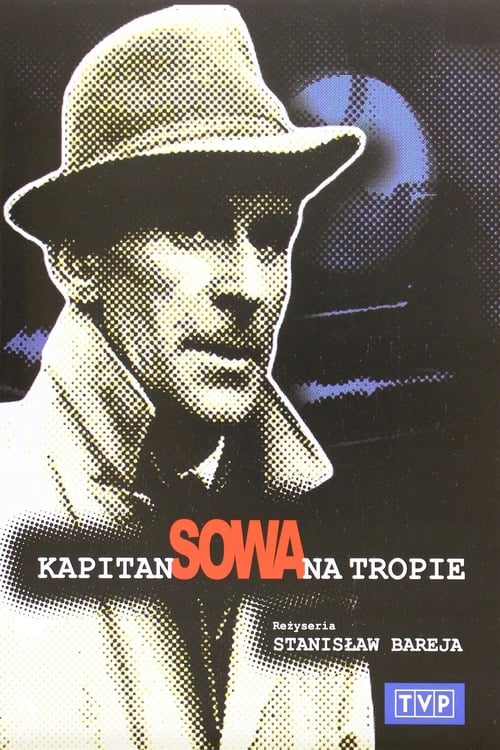
Kapitan Sowa na tropie is a Polish series from 1965 directed by Stanisław Bareja. It was the first Polish criminal series made after World War II.
Kapitan Sowa na tropie

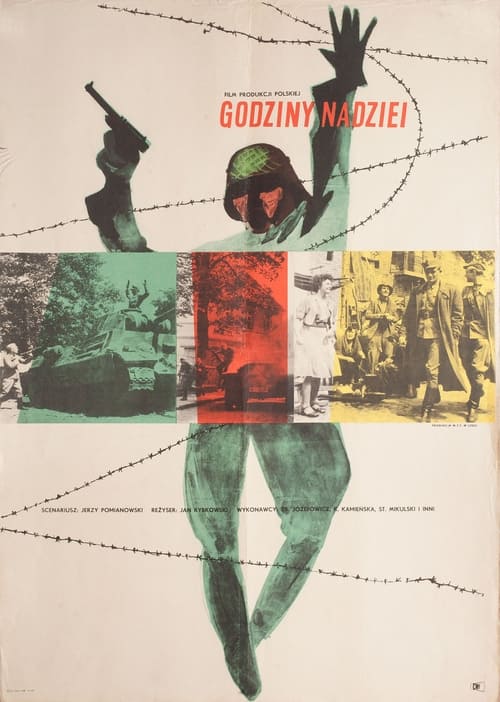
In the last days of World War 2, people of various ethnic background meet in a Polish military hospital in a small German town, whereas a Nazi SS division hides in the local forests and tries to move westwards.
The Hours of Hope

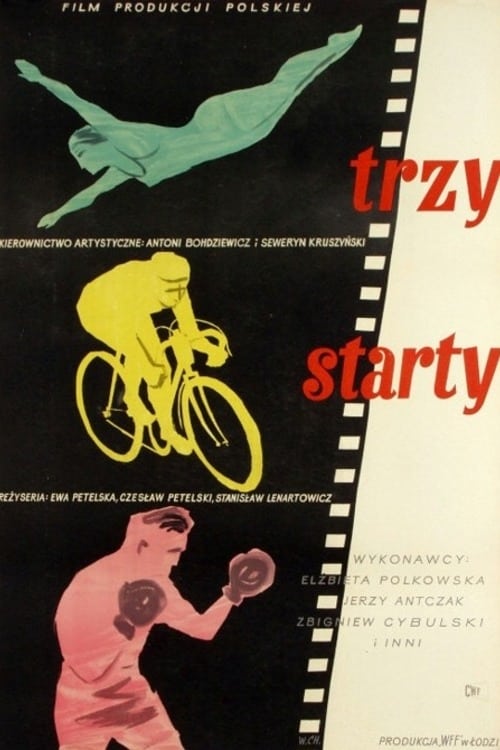
Three separate short stories about young athletes who lose their chances of success. Young swimmer - because of unhappy love. Boxer because of a fight with hooligans, for which the judges will disqualify him. But the cyclist must decide for himself what is more important for him: victory or friendship.
Trzy starty

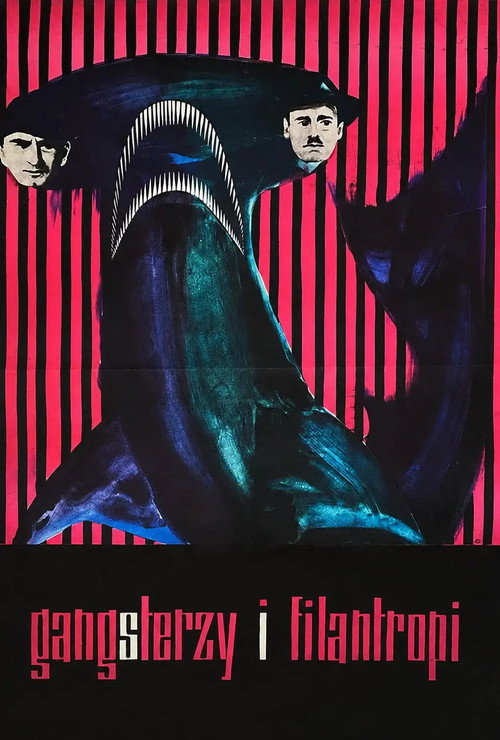
The movie consists of two satirical novels based on the same idea: both the "gangsters" and "philanthropists" end up in the courtroom.
Gangsters and Philanthropists

Christmas Eve is approaching. A son serving in the army mistakenly sends his parents a love letter intended for his fiancée. The father is not happy that his son is going to marry a girl from the city—he is afraid that the boy will want to stay in the city and leave the family farm. He decides to talk the young couple out of getting married, without knowing either the girl or their plans for the future...
Niespotykanie spokojny człowiek

Based on motifs from Jurandot and Sart's operetta "Miss Polonia," this musical comedy tells the story of a star of the Opole Festival who tries to make a career in Paris. After winning the Audience Award at the Opole Festival, young singer Mariola leaves for Paris to pursue a career there. However, her performances are not successful. She tries to hide this fact and uses various methods to sign a contract. Her beloved, the young composer Piotr, discovers the truth about her alleged career, while at the same time rejecting offers from a star who is interested in him and wants to promote his songs. Piotr and Mariola return to Warsaw.
Adventure with a Song

Tadeusz Krzakoski, the director of a failing state-owned company, is married with problems. His mistress, the daughter of a Communist party bigwig, says she's pregnant and Tadeusz knows he'll have to marry her to save his reputation and his job. But divorce is never simple and Bareja's screwball comedies are never boring.
What Will You Do When You Catch Me?

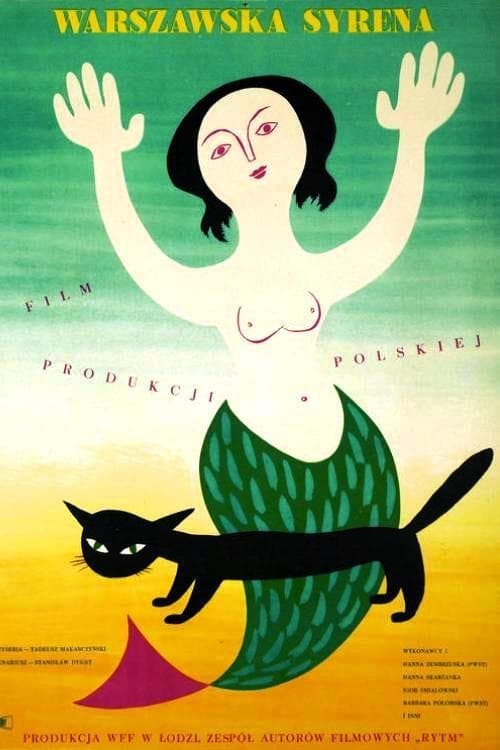
A fairy tale film based on an ancient legend about the founding of Warsaw and the good fairy Sirene of the Mazovian forests, who became the patron saint of the city.
Warszawska syrena

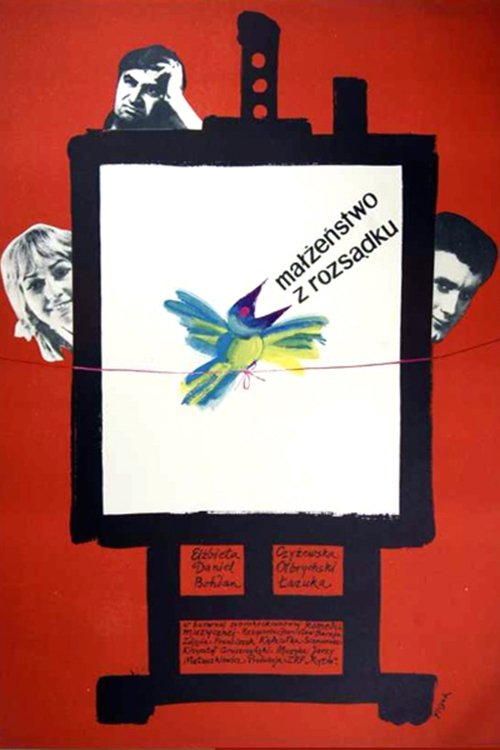
Joanna, the daughter of quite wealthy traders from the Różycki bazaar, is in love with Andrzej, a young, talented, but poor painter. However, the girl's father, Kazimierz Burczyk, decides to find a suitable husband for her himself. A shrewd tradesman, unwilling to disclose his income, searches for a candidate whose professional position would justify his possession of a villa, a car and many other material possessions. In the end, his choice falls on Andrew, who is unsuccessfully trying to sell paintings under the walls of Warsaw's Barbican.
The Marriage of Convenience

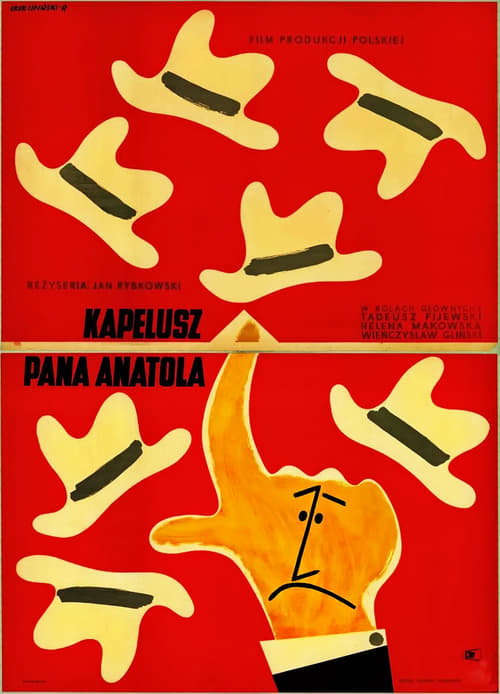
Anatol Kowalski is an old man who works in a bank and loves his old-fashioned hat. One day the hat gets lost and Anatol decides to buy a new one.
Kapelusz pana Anatola

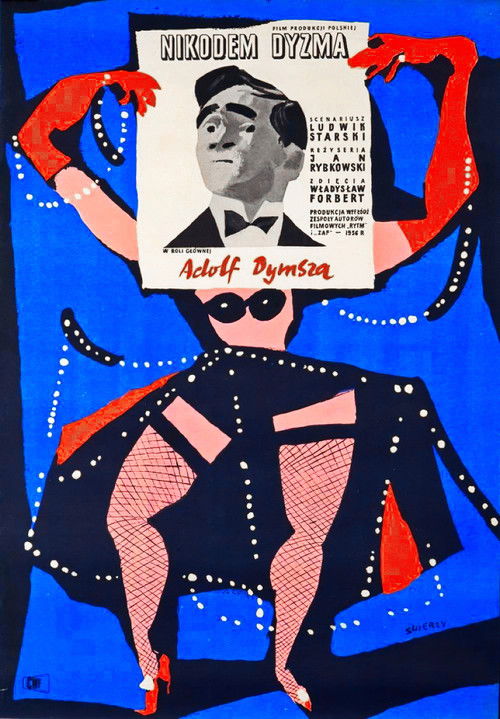
Nikodem Dyzma is a poor dancer who comes to Warsaw to find a job. The problem is that nobody wants to hire him. One day he finds an invitation to the party with very important people and decides to attend. A small accident at the party makes him the hero of the night and becomes the beginning of his career.
Nikodem Dyzma

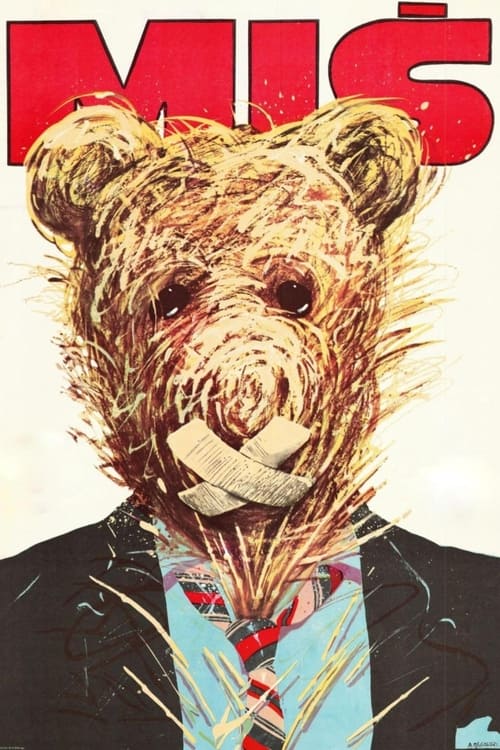
En route to London, Bear discovers at the border checkpoint that his passport is missing a few pages, which may prevent him from traveling to the city with the sports team he manages.
Teddy Bear
Roman Jacenko, a local photographer tries to turn his fortunes around and rob a bank transport.
The Touch of the Night

Stanisław Maria Rochowicz, a bumbling art historian, is falsely accused of stealing a painting. The alleged thief faces five years in prison. Desperate, he decides to hide in disguise as a woman until he can paint a copy of the stolen canvas. Lacking means to live, he takes jobs as a maid for a variety of colorful characters.
Man - Woman Wanted

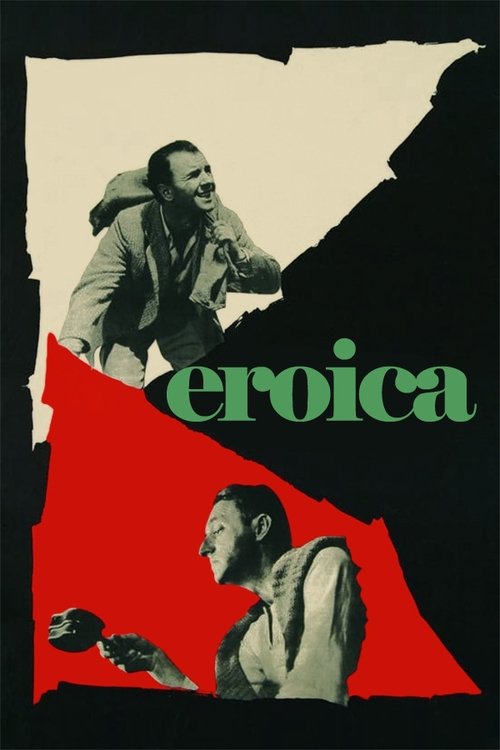
Tells two tales set during WWII: A seemingly feckless and selfish man finally takes up arms in the national struggle against the Nazis. Set in a POW camp, Polish inmates cling to their hopes for an eventual escape, encouraged by the legendary escape of one of their own.
Eroica

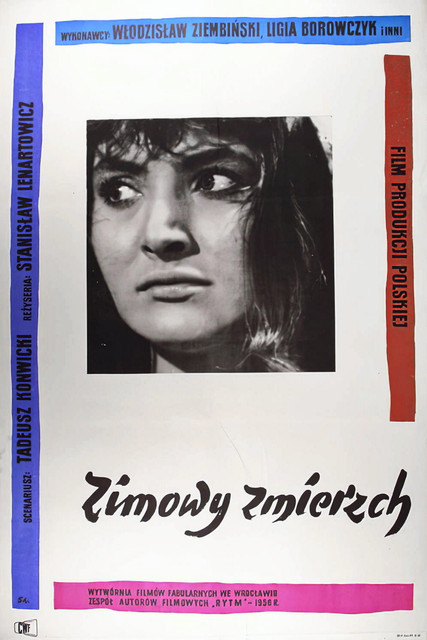
Rumsza, the elderly railwayman, leading a sedate life with his wife, misses his only remaining son (two older boys were killed in the war). Joziuk finally returns from the military in the first scene but with the pregnant Zosia, while Rumsza expected him to marry Celinka, the daughter of Krywka, his only friend and neighbour. The hero will not accept the new situation; he throws his son and Zosia out of his house. Celinka is distressed but she still harbours hope for Joziuk. The birth of the child changes the situation: Rumsza accepts his son's relationship but Celinka decides to leave.
Winter Twilight

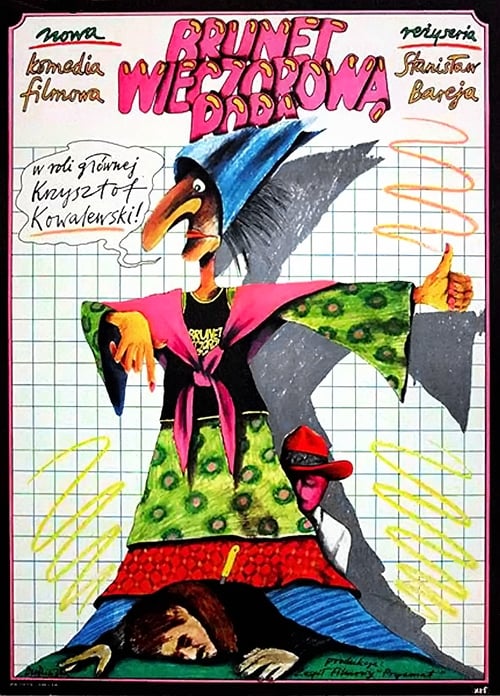
Modest editor, has shipped his wife and kids for the weekend, and is trying to relax in his house at the outskirts of Warsaw. His quiet evening is only disturbed by the accidental forecast made by a Gypsy woman, that at evening time he will murder a mysterious brunet.