Writing
A World War II-style "war game" setting the wealthy customers against skilled mercenaries goes awry when the simulated war gets too real.
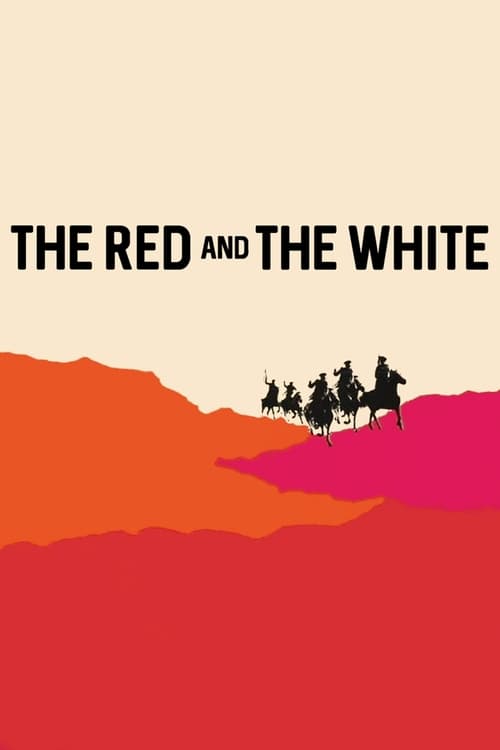
In 1919, Hungarian Communists aid the Bolsheviks' defeat of Czarists, the Whites. Near the Volga, a monastery and a field hospital are held by one side and then the other.
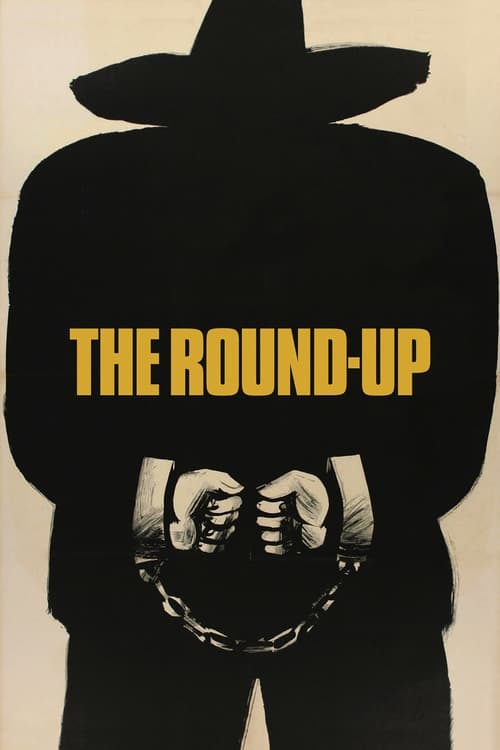
After the failure of the Kossuth's revolution of 1848, people suspected of supporting the revolution are sent to prison camps. Years later, partisans led by outlaw Sándor Rózsa still run rampant. Although the authorities do not know the identities of the partisans, they round up suspects and try to root them out by any means necessary.
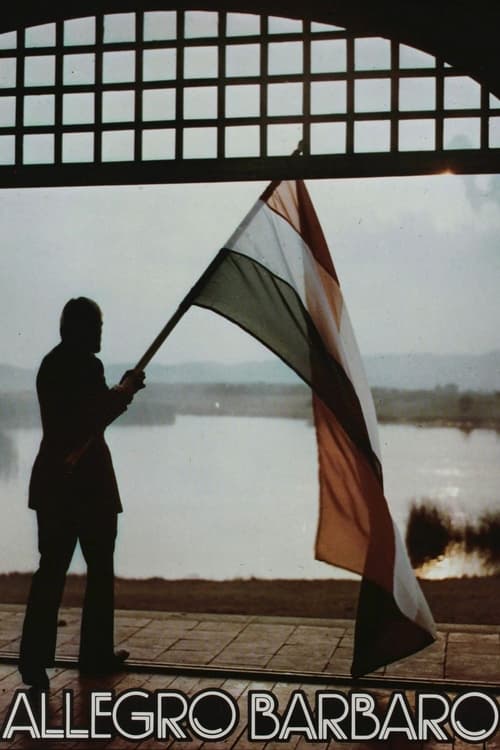
A collective film made by ten prominent Hungarian filmmakers to express what each of them wishes to bring with them of their own culture and personal experience with Hungary's accession to the European Union.
1958, Budapest. Gerencsér is a skilled worker at the abattoir, his wife left in 1956. They falls in love with the beautiful Mrs. Hász at the personnel management department, but they only date secretly because of a former relationship of Mária. They go on holiday and travel to the Mátra, just the two of them.
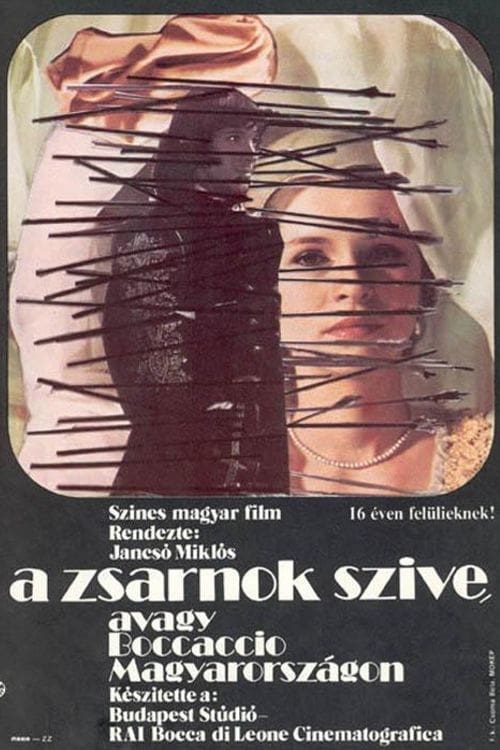
A historical drama set in the 1400s, a young man sent to Italy but is forced back after his father's mysterious death.
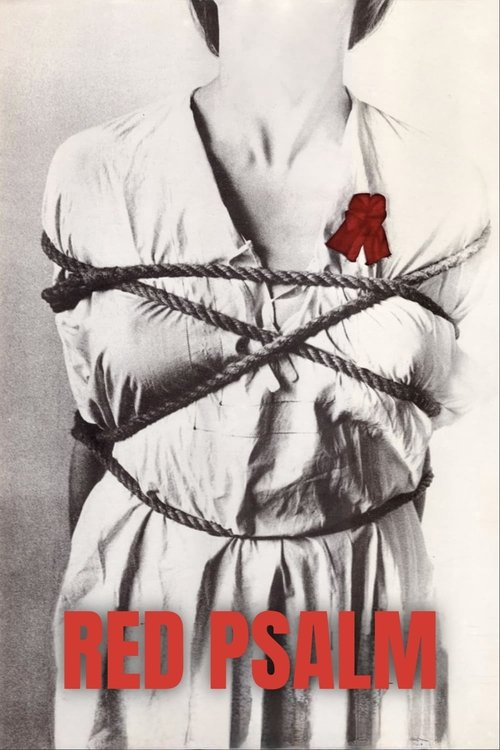
The movie portrays a peasant revolt in Hungary in the early twentieth century.
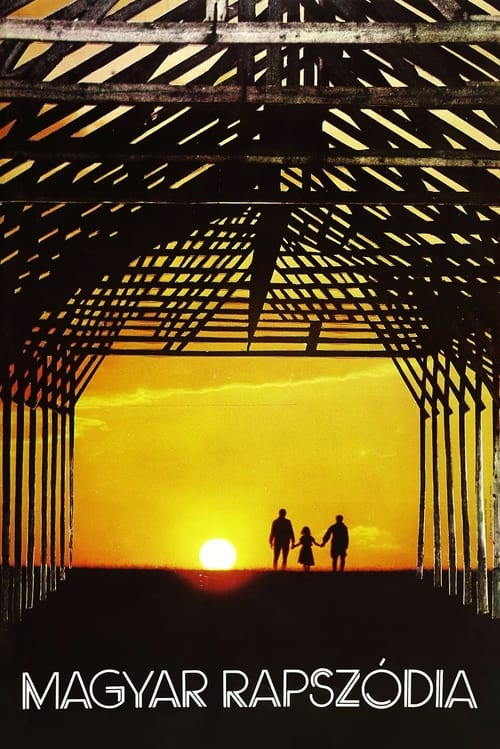
Set in the 1890s on the Hungarian plains, a group of farm workers go on strike in which they face harsh reprisals and the reality of revolt, oppression, morality and violence.
When Hungary's newest prime minister is shot and killed at a reception, the resulting investigation is necessarily swift and comprehensive. This compelling political thriller uncovers two prime suspects: the woman who guns the leader down, and a man who was friends with both the prime minister and his murderer. Using video surveillance footage, as well as other more artful and symbolic imagery, the noted "visualist" director Miklos Jancso, who is known for his craft in getting his points across non-verbally, combines fantasy and reality in a highly ironic manner.
Allegory of the suppression of the 1919 revolution and the advent of fascism in Hungary; in the countryside, a unit of the revolutionary army spares the life of father Vargha, a fanatical priest. He comes back and leads massacres. A new force, represented by Feher, apparently avenges the people, but only to impose a different, more refined and effective kind of repression.
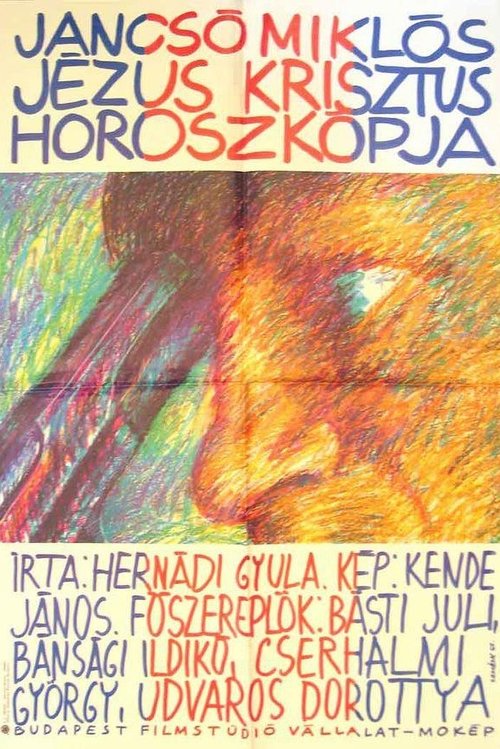
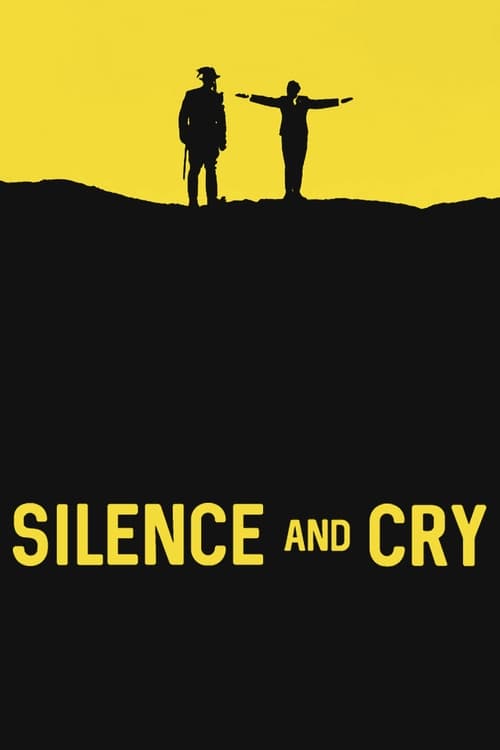
A focus on the tormented lives of intellectuals who failed to protest recent troubles in their homeland. Jancsó emphasizes highly evocative and ambiguous imagery over dialog or exposition as he – through visually fascinating imagery – depicts the painful, stunted lives of Hungary's intellectuals who have remained silent and ineffectual during various political crises.
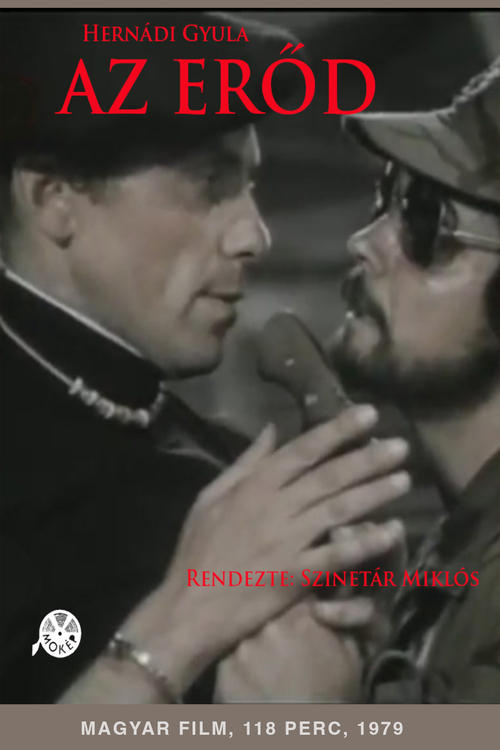
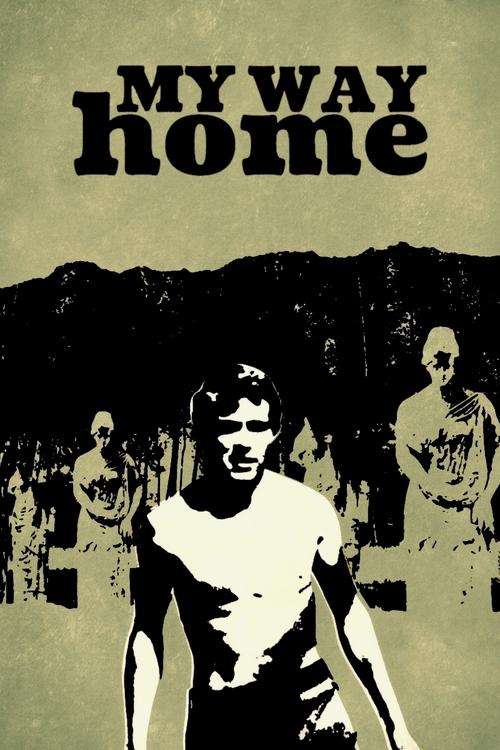
In the aftermath of World War II, a Hungarian teenager, captured by Soviet troops, forms an unlikely bond with a Russian soldier in a remote prison camp.
It has been fifteen years since the death of her father, Agamemnon, and Elektra still burns with hatred for Aegisztosz, who conspired with Elektra's mother to kill him.
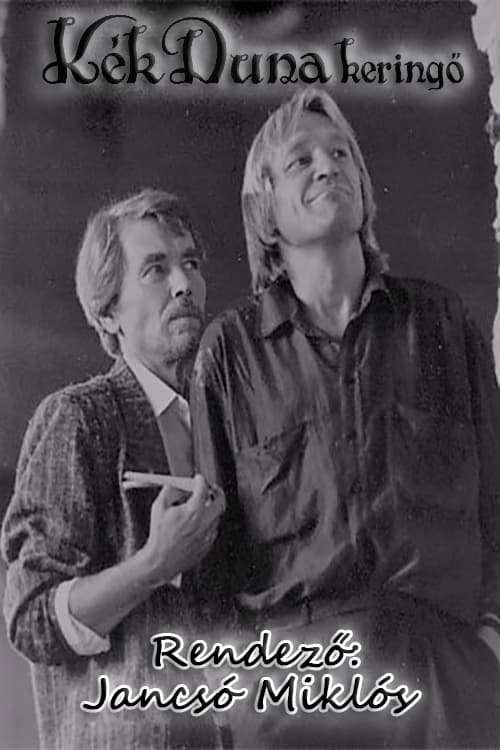
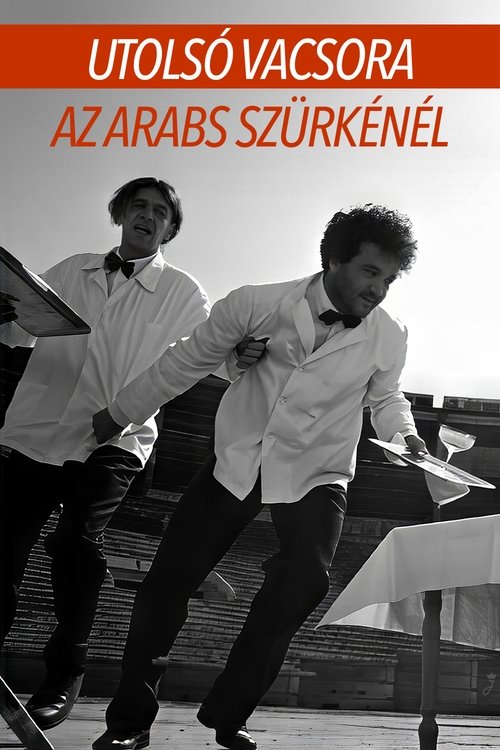
Waiters’ competition at Heroes’ Square in the late thirties. Dressed as waiters, Kapa and Pepe awake in the bronze chariot of the millennial sculpture group. They drive along the Danube promenade, and on the concrete reinforcement of the demolished Budapest rondella hotel they get involved in a showdown of political background. In the burnt-down Sports Hall the waiters train for a last supper, Pepe and Kapa run around the big laid table with trays in their hands. While doing so, Pepe keeps crying out: "I am the best one, I am the most beautiful one, I am the king, I am the god..." Sitting in a boat on the Danube, a ship goes past them, and the Niagara falls, majestic and breathtaking, resound in their ears. On each passing away something new will come to life – as rapped by Sub Bass Monster.
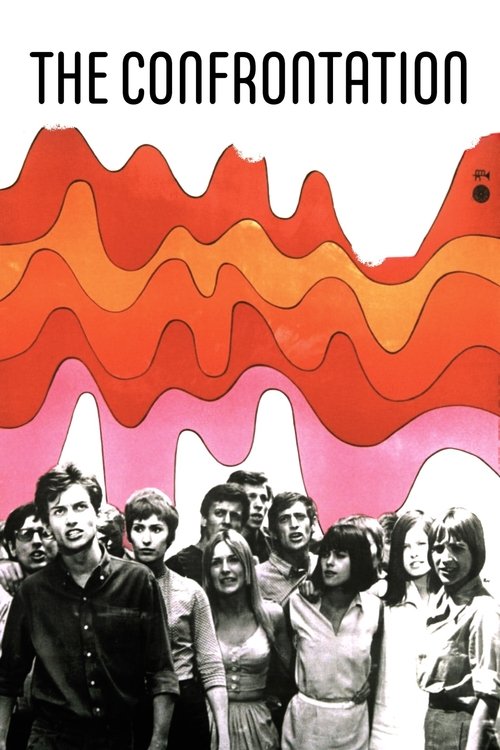
In post-WWII Hungary, a group of Communist college students arrive at a Catholic seminary hoping to engage in peaceful debate with its students.
Set during a turbulent era of disquiet, fear, persecution and terror, which permeates every corner of post-WWI Hungarian society. In 1919, after just a few months of communist rule the Hungarian Republic of Councils falls victim to a nationalist counter-revolution. Admiral Horthy, leader of the nationalist far right movement, becomes the self-proclaimed regent of Hungary, and assumes power as the legal Head of State. Soldiers of the short-lived Hungarian Red Army are now on the run from relentless secret policemen and patrol units of the nationalist Royal Gendarme. If caught, ex-Red Army soldiers are executed without mercy or proper trial. István Cserzi, a former soldier of the Red Army has fled to the Great Hungarian Plains and has taken refuge on a farm, which is run by two sympathetic women.
When middle-aged Kata realises that her life will only be complete if she has a baby of her own, her longstanding-but-married boyfriend Joska refuses to comply. But by developing an unlikely friendship with the angst-ridden teenage orphan Anna, who is also involved in a controversial relationship, Kata discovers aspects of herself, and her role as a woman, that have gone unexamined throughout her entire, lonely life.
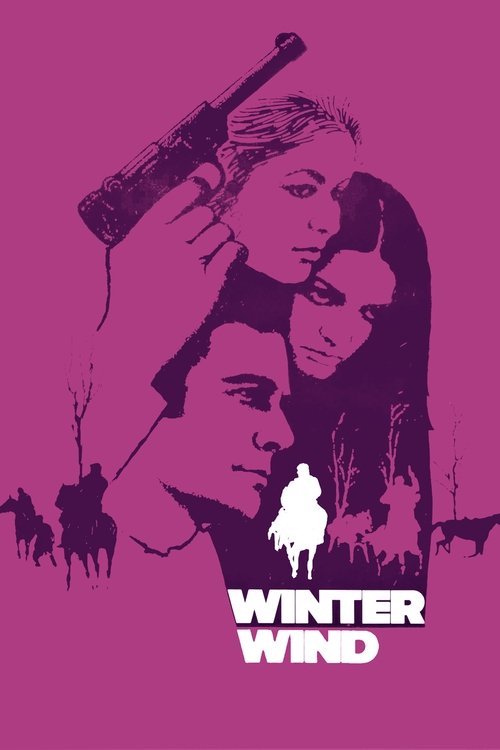
Zsadányi flees from the authorities with his goddaughter, Bankós Mari, and they escape into the forest. The film then skips ahead thirty-fold years: Zsadány and Mari are now lovers, with the sound of war in the background halting their romance. The old friends of Zsadányi have joined with the Nazis, and the landowner living with his peasants in a socialist community grows distant from them. Zsadányi is held responsible for political problems in the country, and will pay with his life.
Croatian anarchists collaborate with Hungarians to make a bid for the life of King Alexander of Yugoslavia.
Juli, who works in a brick factory, begins a romantic relationship with her boss, to whom she hides the fact that she has a son.