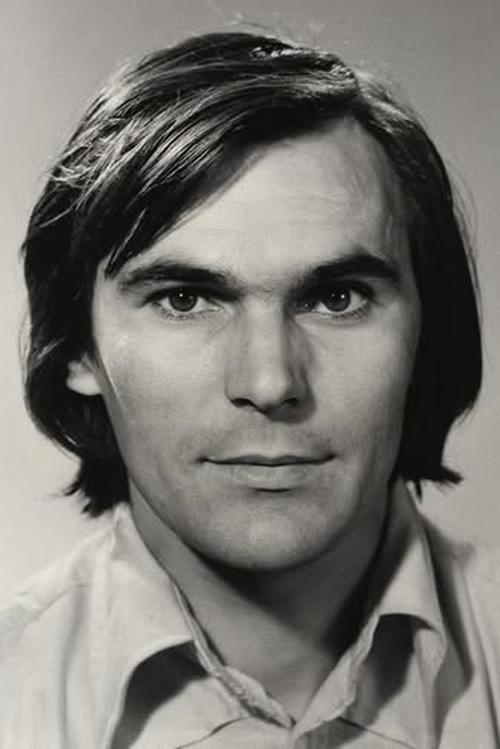
Juhász Jácint
Acting
Known For

The fate of a Hungarian Jewish family throughout the 20th century.
Sunshine
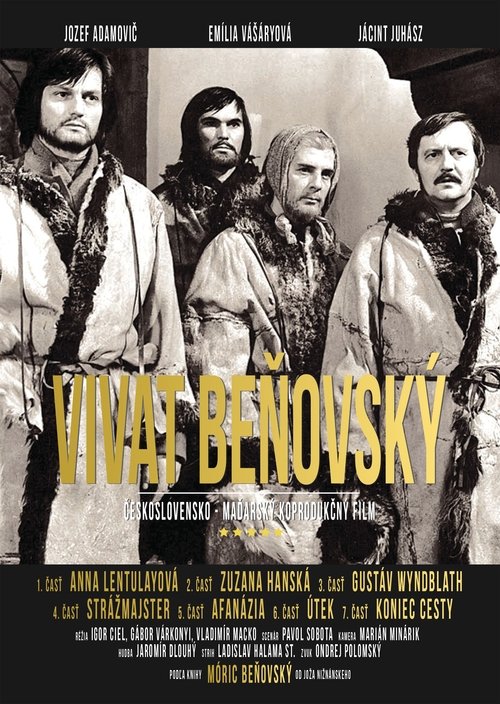
No description available.
Vivat Beňovský!

No description available.
Televíziós Mesék Felnőtteknek
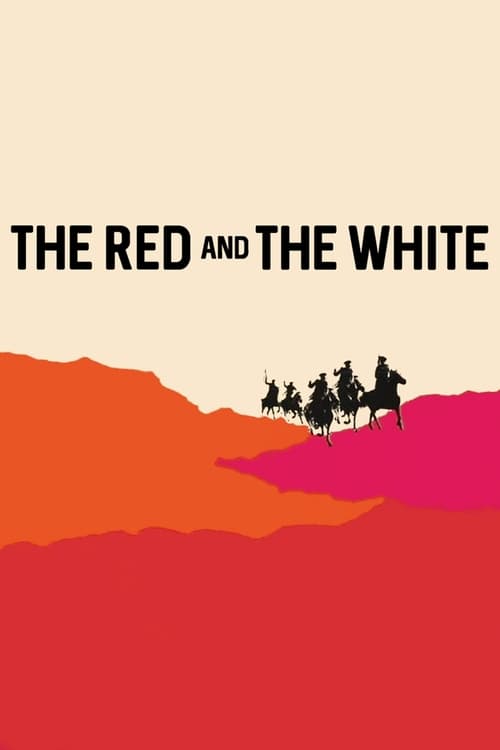
In 1919, Hungarian Communists aid the Bolsheviks' defeat of Czarists, the Whites. Near the Volga, a monastery and a field hospital are held by one side and then the other.
The Red and the White
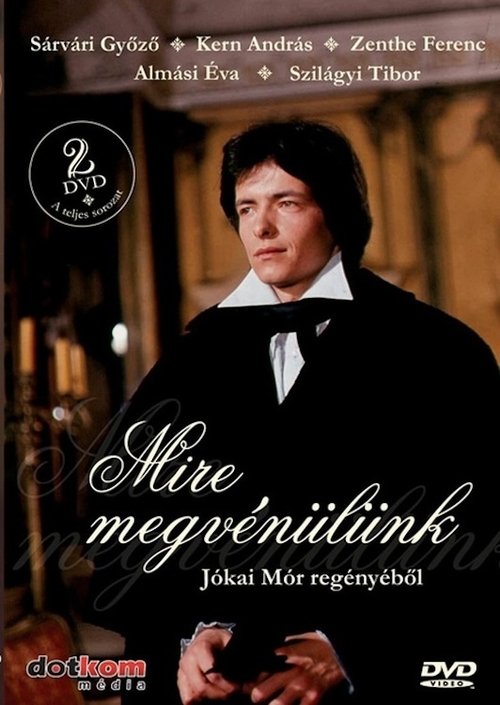
No description available.
Mire megvénülünk
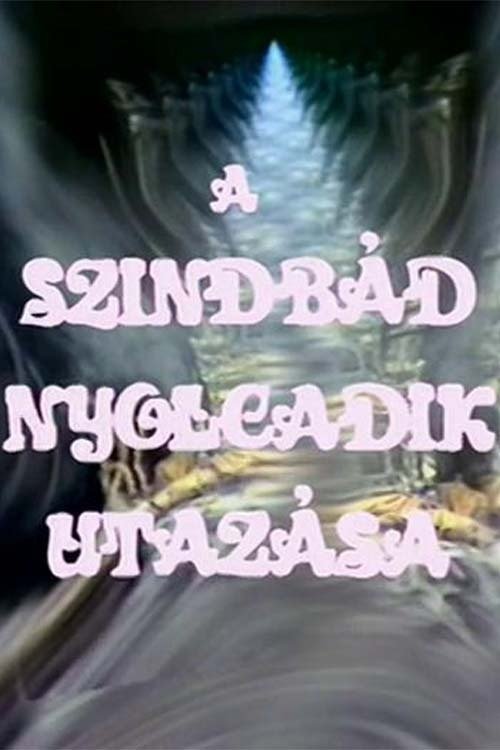
Szindbád embarks on his eighth journey to eliminate the evil genie's domination of the earth.
The Eighth Journey of Sinbad
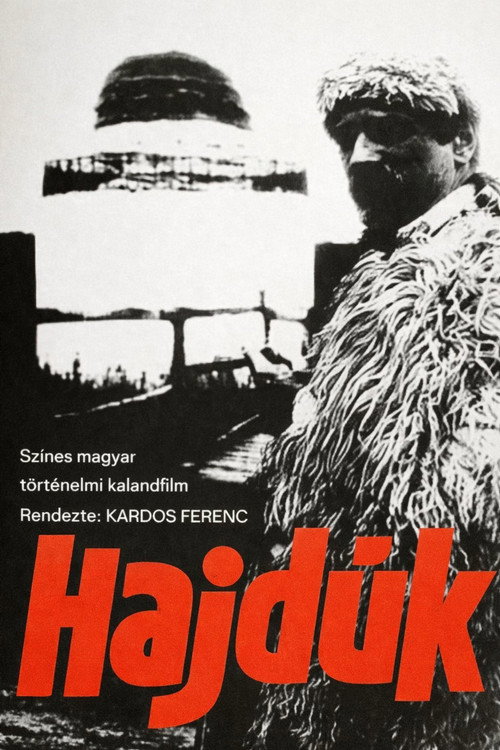
This film, set at the beginning of the 17th century, is the first East-European "Eastern". Bocskai István orders the free Heyducks to shepherd a huge herd of cattle through the country torn to three parts, to the Dalmatian coast, where he can get weapons in exchange, for fighting the Austrians.
Unruly Heyducks
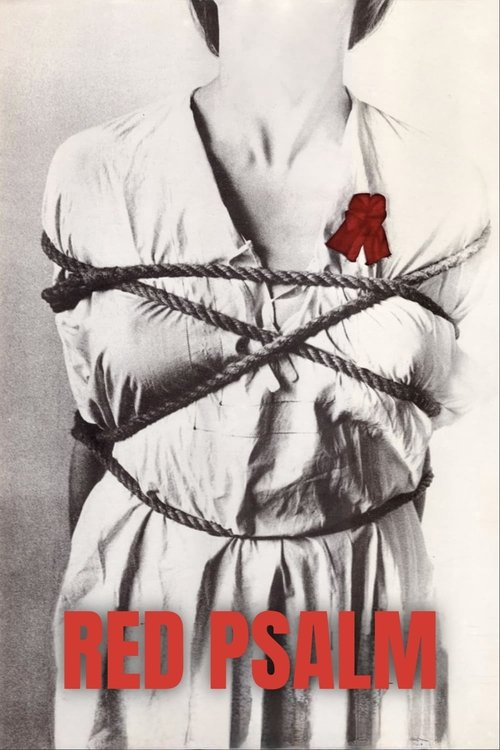
Set in the 1890s on the Hungarian plains, a group of farm workers go on strike in which they face harsh reprisals and the reality of revolt, oppression, morality and violence.
Red Psalm
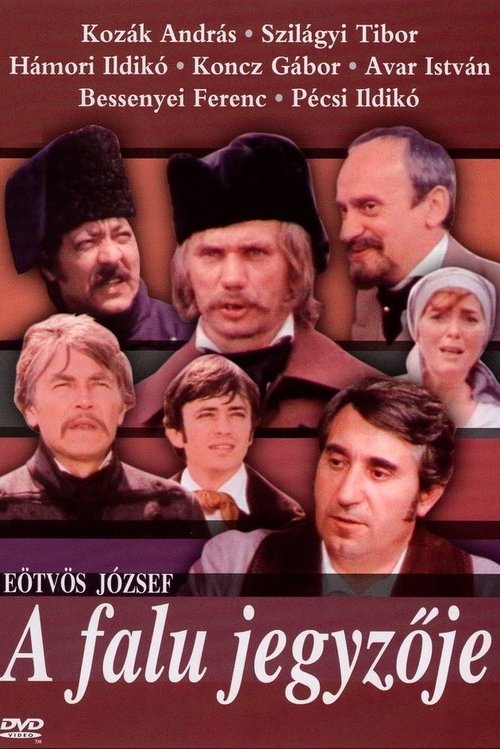
No description available.
A falu jegyzője
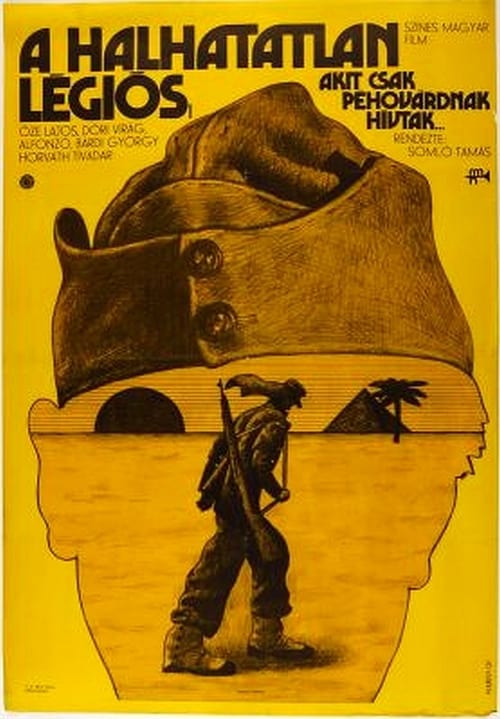
Marching through the snowfields of Ukraine, the Writer is already haunted by visions. His famous characters in his novels, Jimmy Fülig, Ivan Gorchev, Sir Yolland, Marshal Podvinecz and others, appear in his visions, blurring reality. The heroes of the novel do not deny themselves here either, and try to counterbalance the terrible reality of everyday life with wry, grotesque humour...
The Immortal Legionary
No description available.
Hívójel
This sour satire records how narrow-minded, perishable and prejudiced human relations are. Lili, an open, good-hearted, but clumsy girl gets a rusty Renault Gordini from her uncle living in France. She wants to learn driving, but makes horrible and perilous mistakes behind the wheel.
The Car
No description available.
Kto ste, Jozef Gabčík
No description available.
Visszatérés (Kicsi, de nagyon erős 2.)
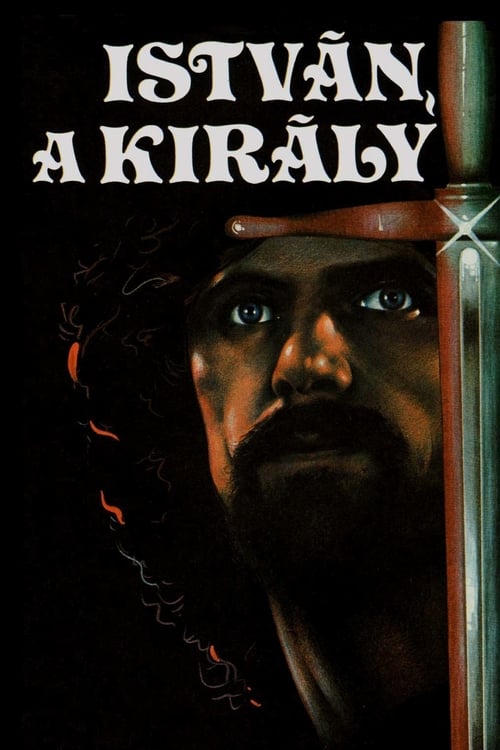
István, a király ("Stephen, the King") is a Hungarian rock opera written by Levente Szörényi (music) and János Bródy (lyrics), based on the life of Saint Stephen of Hungary. The storyline was based on the play Ezredforduló (Turn of the Millennium) by Miklós Boldizsár, who co-wrote the libretto. The opera was first staged in 1983 on an open-air stage in Budapest. This first performance was also made into a 1984 film, directed by Gábor Koltay, and its music released on an album. The musical became a smash hit and is still very popular in Hungary and among Hungarian minorities in neighboring countries.
Stephen, the King
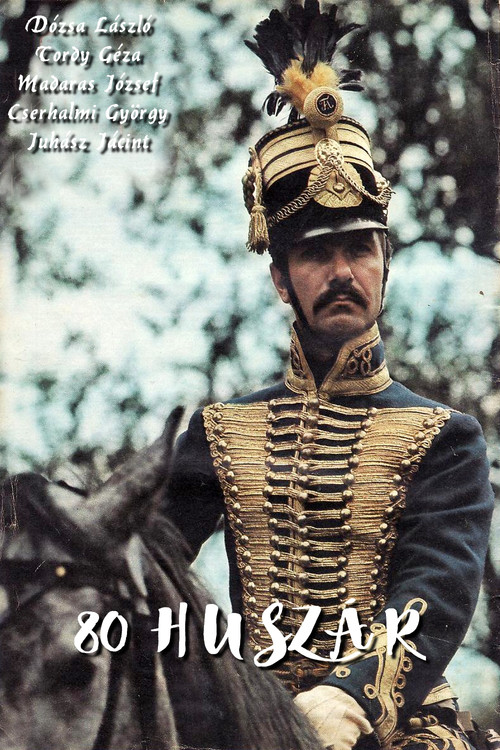
The film tells the story of a regiment of Hungarian hussars stationed in Poland. The hussars, mostly ordinary men, have heard news of the uprising and wish to return to the homeland to defend the newly independent country. The Empire, on the other hand, is firmly resolved that all Hungarian troops in the imperial army should be kept as far away from the trouble spot as possible, knowing that most soldiers would be loyal to Budapest rather than Vienna.
80 Hussars
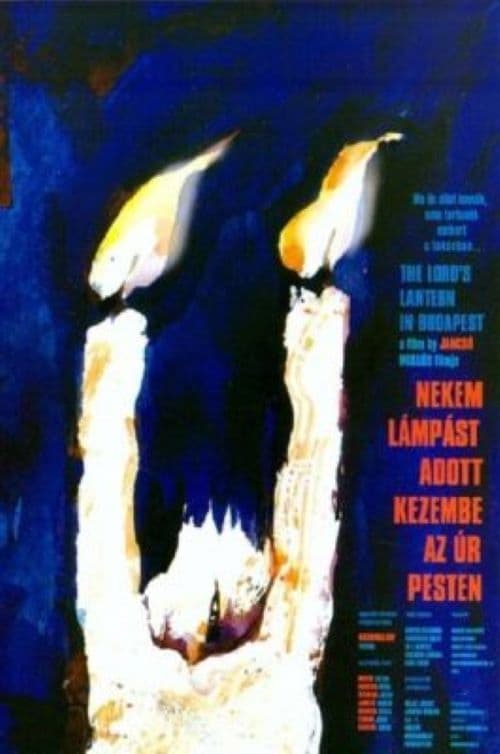
In the Kerepesi Street cemetery, three grave diggers contemplate the fate of the world, then they step out of this role and in a sequence of episodes they play the typical figures of contemporary Hungarian reality, the fat cat, the swashbuckler, the victim, underworld chieftains, and present little absurd dramas of love, marriage, friendship, public order and legal safety. The author and the film director walk among them all the time, contemplating, laughing at their plays. The stories starting from the graveyard and returning there warn of the inevitability of death. The author and the director (Gyula Hernádi and Miklós Jancsó) wisely make friends with death.
The Lord's Lantern in Budapest
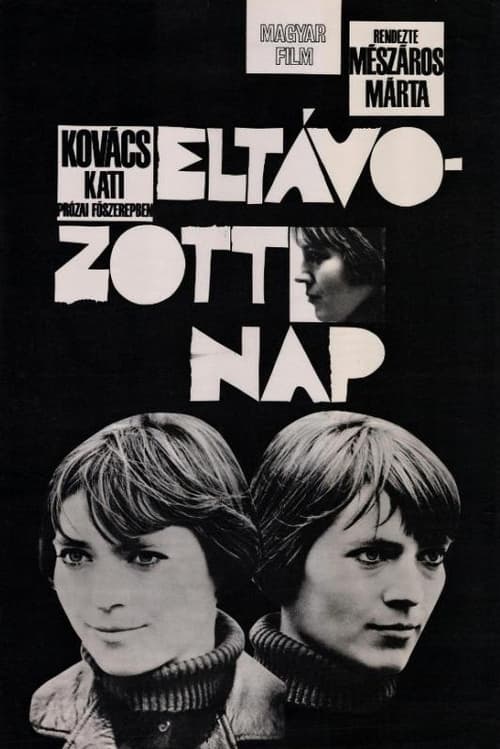
A young woman leaves a state orphanage to find her mother in this interesting examination of how the overt repression of women in the older pattern of village life has been replaced by the more subtle exploitation inherent in the apparently freer existence of young girls in the contemporary city.
The Girl
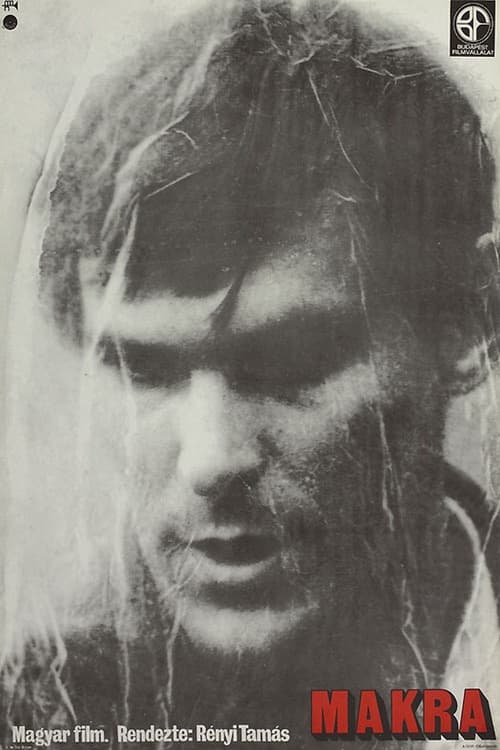
The events of the story take place in the outskirts of working class people in the early nineteen fifties. Makra, a skilled worker in a factory, suddenly comes to close quarters with everything around him because his environment condemns and ridicules him for protecting a woman when his drunk fellows were going to rape her after his bachelor party.
Makra

1918. Fábián Bálint is forced to kill humans on the Italian front. At home his sons drown the priest, the lover of their mother, in the river Kraszna. Mrs. Fábián turns insane. Following his arrival home Bálint becomes the liveried coachman of the baron.