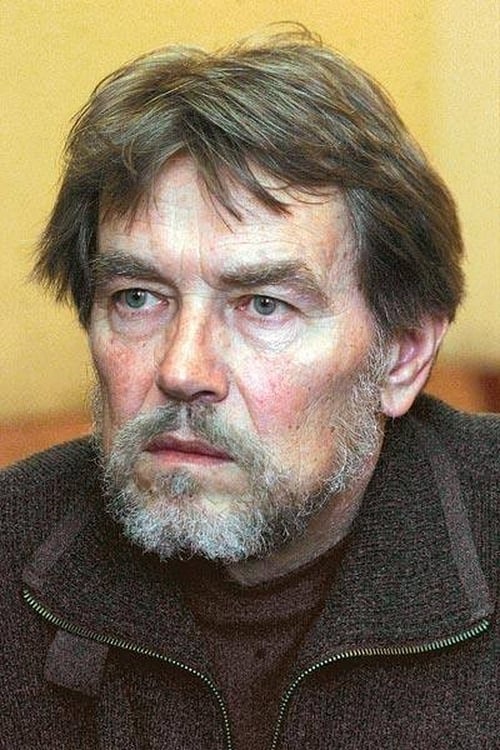
András Kozák
Acting
Biography
András Kozák was born on February 23, 1943 in Vencsellö, Hungary. He was an actor, known for Kisváros (1993), Rejtekhely (1979) and My Way Home (1965). He was married to Andrea Drahota. He died on February 24, 2005 in Budapest, Hungary
Known For
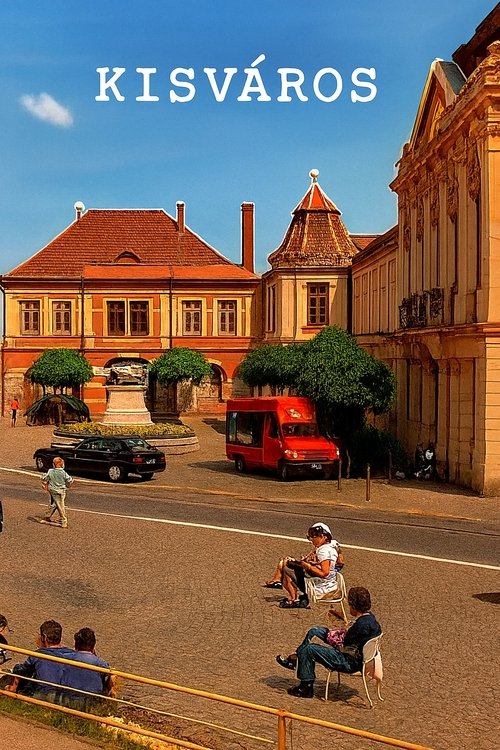
A Kisváros egy színes, 195 részes magyar akciófilm-sorozat, ami 1993–2001 között futott a Magyar Televízióban. A történet középpontjában egy, a valóságban nem létező határmenti kisváros, Végvár áll. Ebbe a városba érkezik Hunyadi főtörzs, hogy a Határőrség akciószázadát kiképezze. A sorozat a rendőrség és a határőrség határmenti bűncselekmények ügyében való nyomozások terén történő együttműködését mutatja be, minden epizód egy-egy önálló történet, a kiemelt főszereplőkké később Járai rendőr őrnagy és beosztottja, Balogh Máté zászlós válnak. A sorozat jeleneteinek jelentős részét Szigetváron, valamint a bucsui és a bozsoki határátkelőnél forgatták. A sorozatot az MTV-n kívül 2002 táján a Hálózat TV is vetítette, a teljes sorozatot az m1 2007. június 8. és 2008. március 31. között ismételte, 2009. június 1. és szeptember 18. között ismét leadta, de akkor csak a 21. résztől a 157. részig a 156/I-II. rész kihagyásával, 2011. szeptember 5. és szeptember 30. között ismét leadta, de csak az 1. résztől a 25. részig, 2011. október 3-tól 2012. június 1-ig a Duna Televízió folytatta a sorozat ismétlését a 21. résztől a 195. részig, majd 2012. június 11. és 2013. február 11. között a Duna World is műsorra tűzte, szintén a 21. résztől a 195. részig. 2013. január 4. és március 8. között péntekenként a hajnali órákban az m2 is műsorra tűzte a sorozatot, de csak a 21. résztől a 30. részig adta le. 2013. június 17-től ismét műsorra tűzte a Duna Televízió a 21. résztől.
Kisváros
Adventures of Linda, the young detective.
Linda
In 1919, Hungarian Communists aid the Bolsheviks' defeat of Czarists, the Whites. Near the Volga, a monastery and a field hospital are held by one side and then the other.
The Red and the White
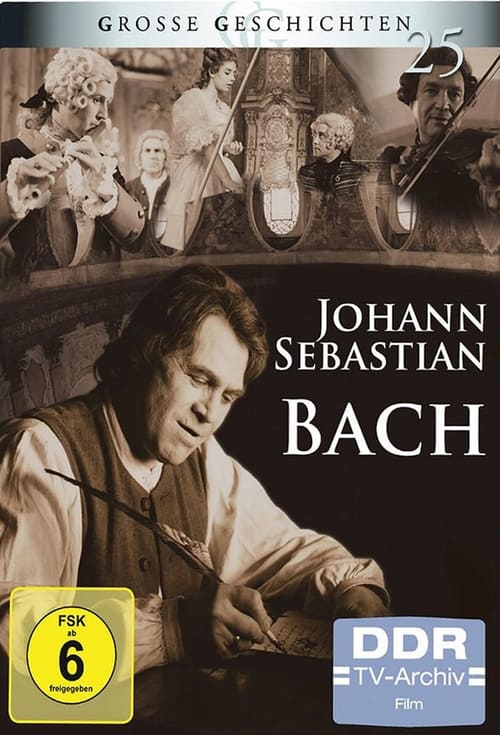
Episodes from the life of the great musician, whose 300th birthday is being celebrated worldwide this year. The series begins with a story from 1717, which has been passed down in quite varied versions. At the court of Augustus the Strong in Dresden, the French organ virtuoso Louis Marchand was said to have passed away. Convinced of his “unique” abilities, he—according to the film—announced a music competition. Bach was the only competitor to enter.
Johann Sebastian Bach
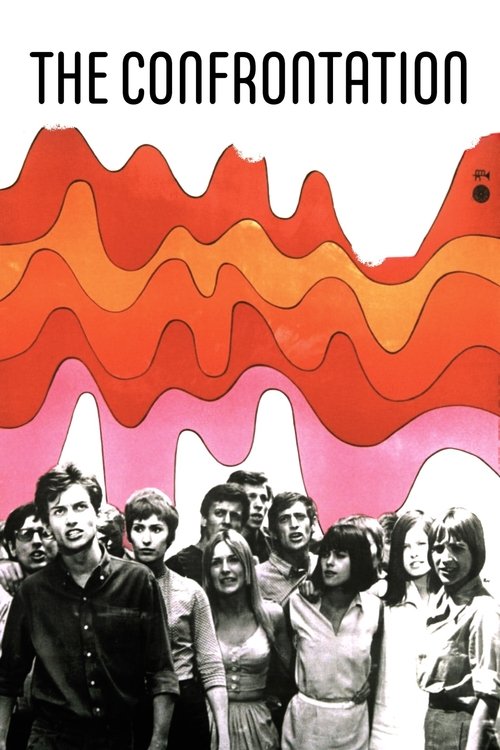
In post-WWII Hungary, a group of Communist college students arrive at a Catholic seminary hoping to engage in peaceful debate with its students.
The Confrontation
In the aftermath of World War II, a Hungarian teenager, captured by Soviet troops, forms an unlikely bond with a Russian soldier in a remote prison camp.
My Way Home
After the failure of the Kossuth's revolution of 1848, people suspected of supporting the revolution are sent to prison camps. Years later, partisans led by outlaw Sándor Rózsa still run rampant. Although the authorities do not know the identities of the partisans, they round up suspects and try to root them out by any means necessary.
The Round-Up
A group of students cope with the disappearance of their friend.
Current
When Hungary's newest prime minister is shot and killed at a reception, the resulting investigation is necessarily swift and comprehensive. This compelling political thriller uncovers two prime suspects: the woman who guns the leader down, and a man who was friends with both the prime minister and his murderer. Using video surveillance footage, as well as other more artful and symbolic imagery, the noted "visualist" director Miklos Jancso, who is known for his craft in getting his points across non-verbally, combines fantasy and reality in a highly ironic manner.
The Blue Danube Waltz
The changing and turbulent history of Hungary is seen through the eyes of three men over a 30-year period in this somber drama. The three recall the highlights of their lives in flashbacks as they reminisce in the mid 1960s. The venerable trio begin their story in the 1930s, through World War II, and the decade beyond the communist invasion of 1956.
Ten Thousand Days

No description available.
És mégis mozog a föld
A young woman leaves a state orphanage to find her mother in this interesting examination of how the overt repression of women in the older pattern of village life has been replaced by the more subtle exploitation inherent in the apparently freer existence of young girls in the contemporary city.
The Girl
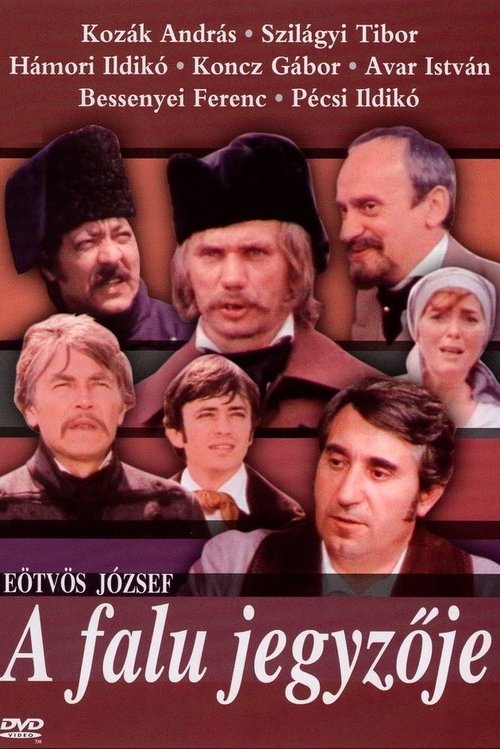
No description available.
A falu jegyzője
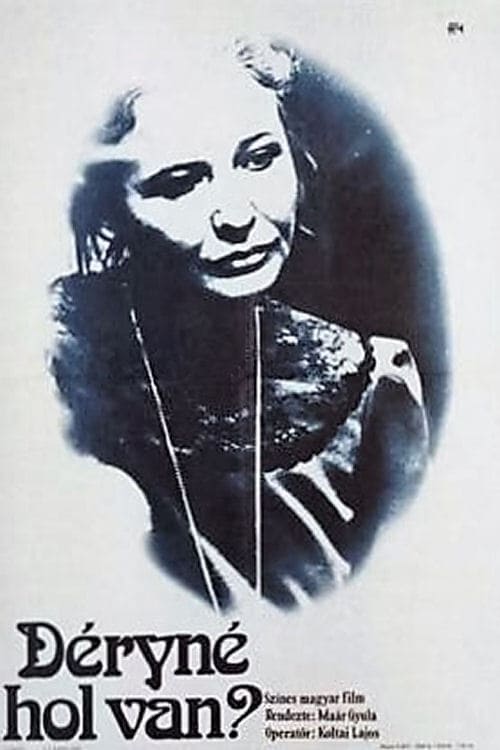
Dery is a grande dame actress of the Sarah Bernhardt school of big-gesture theater. Her beauty and popularity is fading, and a new school of acting which involves the use of one's own emotions (a-la Eleanora Duse) is emerging in the person of her younger Viennese rival. She thinks of retiring from the stage, and reunites briefly with her estranged husband in a newly-built manor in the country. Finding that life there is boring, she returns to town, the theater, and her old friends.
Mrs. Dery Where Are You?
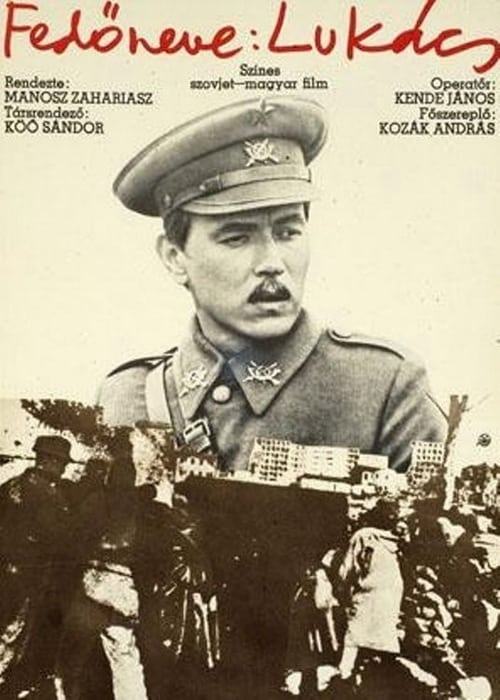
Bela Frankl, a young Hungarian, is taken prisoner by Russia during the First World War, defects to the side of the revolution and some time later, under the pseudonym Mate Zalka, becomes a famous Soviet writer. In 1936, having arrived as a volunteer in Spain, he becomes General Lukacs, forms the 12th International Brigade of non-professional fighters and takes the first heavy battles with Franco's cadre formations...
Fedneve: Lukács

Allegory of the suppression of the 1919 revolution and the advent of fascism in Hungary; in the countryside, a unit of the revolutionary army spares the life of father Vargha, a fanatical priest. He comes back and leads massacres. A new force, represented by Feher, apparently avenges the people, but only to impose a different, more refined and effective kind of repression.
Agnus Dei

Kalán Imre, the district doctor lives in a small village surrounded by mountains. One day he is visited by two young relatives of his and their friend, a doctor at the beginning of his career. The name of the doctor is Király András, and he happens to be the great love of Kalán's young wife from her unmarried years. The orthodox Stalinist Kalán's entire life is filled with his great passion, hunting. The suffocating, narrow lives of the prominent people in the area are slowly revealed to András.
Temperate Zone
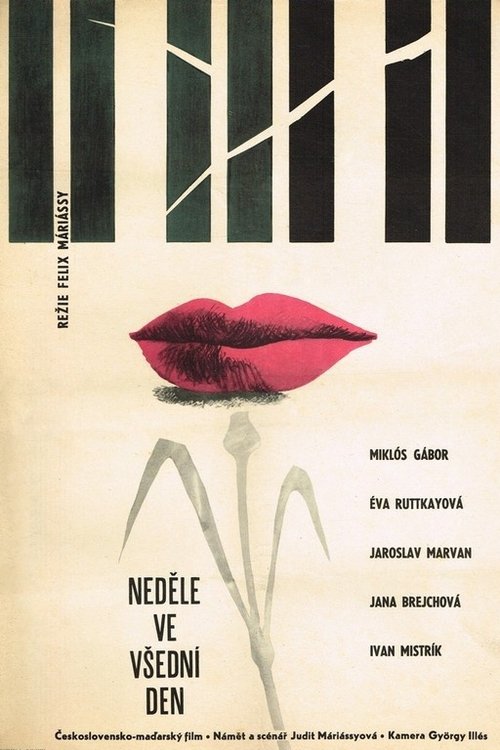
Jirka is a composer, his wife, Jana, a pianist. Jana would like to have an own concert, but so far she has only been selected to accompany Valenta during his concerts in Budapest. After some resentments, she accepts the proposal.
Every Day - Sunday
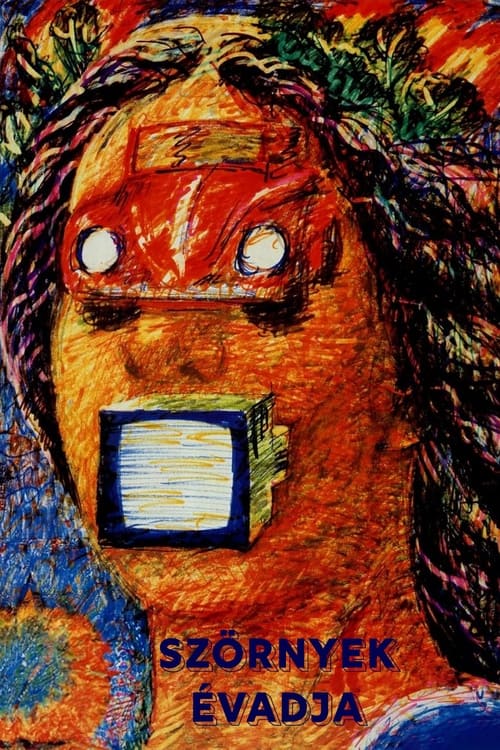
Zoltai is a Hungarian professor who returns home after a visit to the United States. Following a television interview, he commits suicide and leaves a note for his longtime friend Dr. Bardocz. The doctor and Zoltai's colleague Komindi join the police in investigating what drove the man to suicide.
Season of Monsters
From the film-shooting in the Buda Castle Marci and his friend go to a well-paying job. The scene is a big castle in the middle of a huge park. They enjoy the company of the Kid and the beautiful naked French girl, Nathalie. Their job is to watch the monitors on which they can see the Moscow coup détat. By the time Gorbachev is executed the Communist and the Nationalists have taken turns in occupying the castle and the park.