Tibor Molnár
Acting
Known For
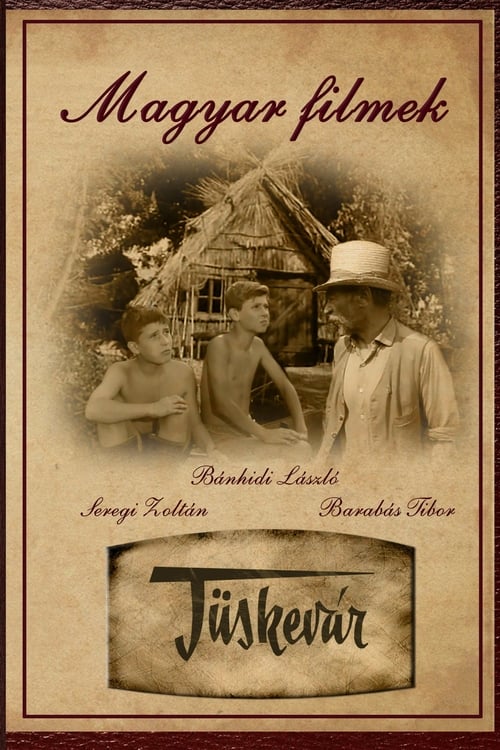
A story about two urban boys, who spend a summer at the romantic Kis-Balaton side with an old field keeper, and gradually change their point of view about their civilized life, and fall in love with the nature.
Thorn Castle
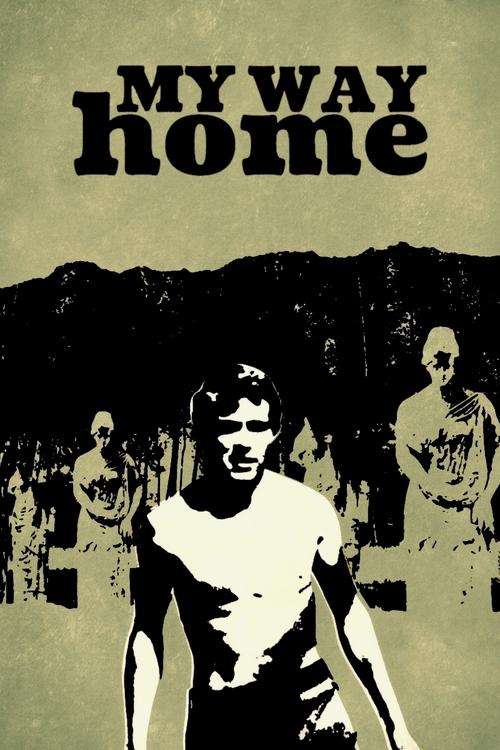
In the aftermath of World War II, a Hungarian teenager, captured by Soviet troops, forms an unlikely bond with a Russian soldier in a remote prison camp.
My Way Home
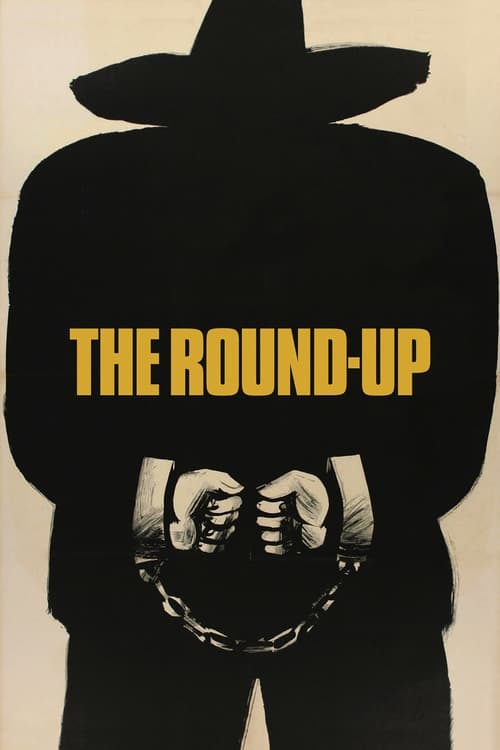
After the failure of the Kossuth's revolution of 1848, people suspected of supporting the revolution are sent to prison camps. Years later, partisans led by outlaw Sándor Rózsa still run rampant. Although the authorities do not know the identities of the partisans, they round up suspects and try to root them out by any means necessary.
The Round-Up
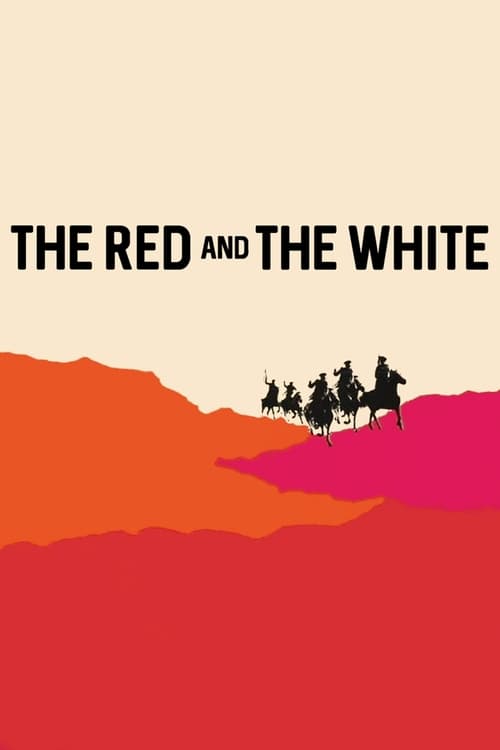
In 1919, Hungarian Communists aid the Bolsheviks' defeat of Czarists, the Whites. Near the Volga, a monastery and a field hospital are held by one side and then the other.
The Red and the White
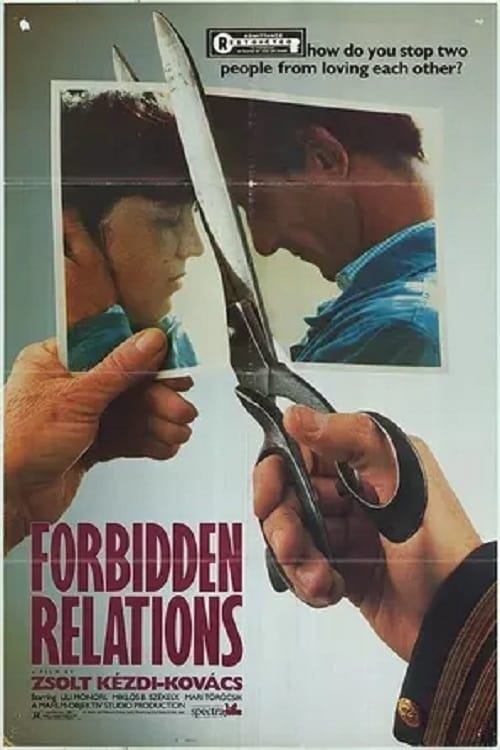
Based on a true story, a love affair develops between a half brother and half-sister. When pregnancy results and word gets out the public is outraged.
Forbidden Relations
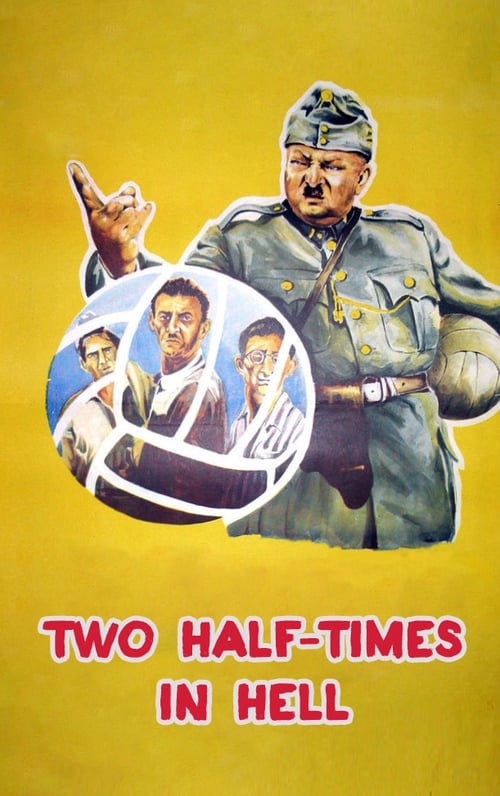
To celebrate Hitler's birthday, a soccer match is organised between the Germans and a group of Hungarian political prisoners, one of whom is a famous pre-war football star.
Two Half-Times in Hell
A group of landless Hungarian peasants accept work as migrant-laborers on a farm in northern Germany where the wages are good, and the wives and family are allowed to accompany them. Though it is in the midst of World War II, they are relatively well-off. However, they glimpse the treatment accorded to POWs and others who are not so gently treated, and at the conclusion of the year's harvest, they choose to return to Hungary and are quickly swept up in the tides of war. This film is part of a series of films by award-winning, well-respected director Zoltan Fabri who devoted much time and effort chronicling the struggle against fascism.
Hungarians
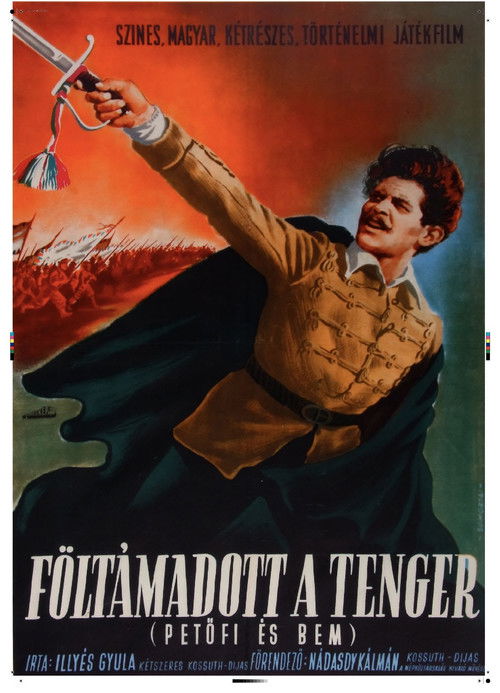
March 15, 1848; the revolution breaks out in the town of Pest. Yet at café Pilvax, in among he revolutionary youth, there is the informer of the imperial court as well. Hearing the news of the attack led by Jellasics, the inhabitants of the villages pour into the national army, and Hajdú Gyurka also escapes from his landlord. Petőfi is there at the camp of the revolutionaries, raising them to enthusiasm with his poetry.
The Sea has Risen
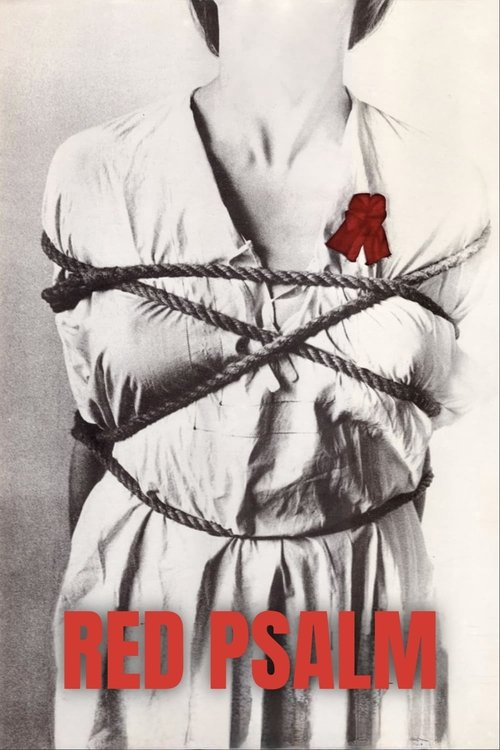
Set in the 1890s on the Hungarian plains, a group of farm workers go on strike in which they face harsh reprisals and the reality of revolt, oppression, morality and violence.
Red Psalm
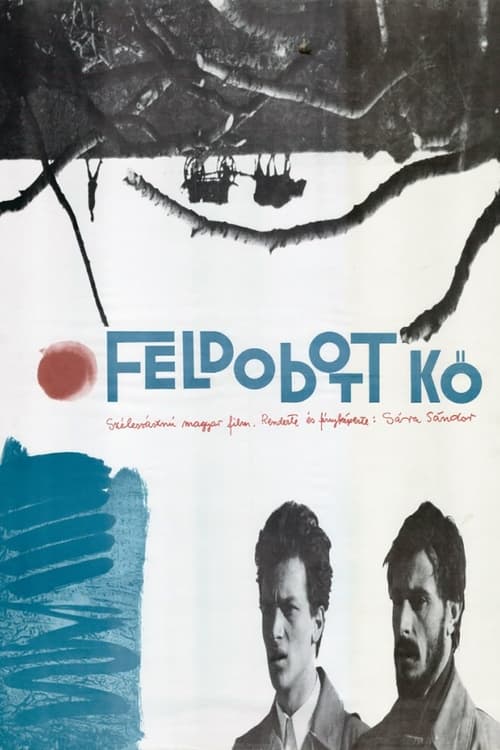
An aspiring film student is denied a scholarship to the state-funded university when his father is thrown in jail. The man had stopped a train in order to facilitate the union between two old friends. The son then takes a job as a land surveyor and meets a Greek man who works towards the collective benefits of the peasants. The man is killed in a peasant uprising prompted by a bureaucratic boondoggle. The surveyor looks after the man's widow as his emerging political and social awareness leads him take a stand against government injustice. Another incident, in which gypsies are rounded up by state hygiene workers, further galvanizes the man's beliefs. He photographs the incident, and his work allows him to be accepted into the school from which he was previously denied admission.
The Upthrown Stone
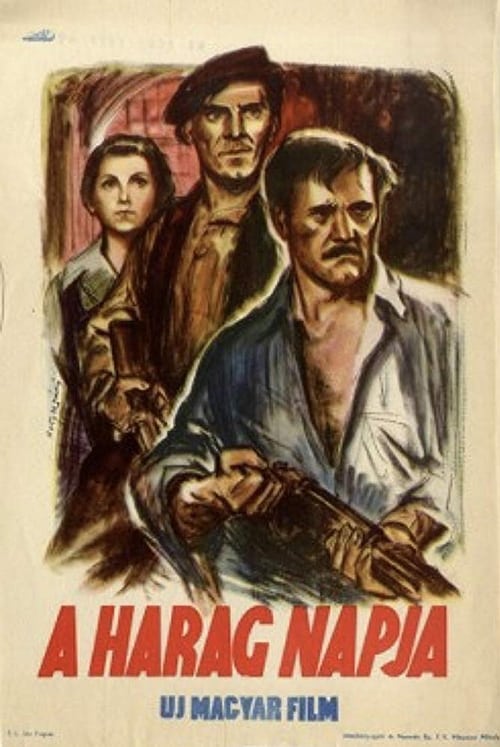
In May 1919 in a small rural town beside Salgótarján the local high society wants to get the power back with the leadership of dr. Máriáss, exploiting the outside attack launched against the Republic of Councils.
The Day of Wrath
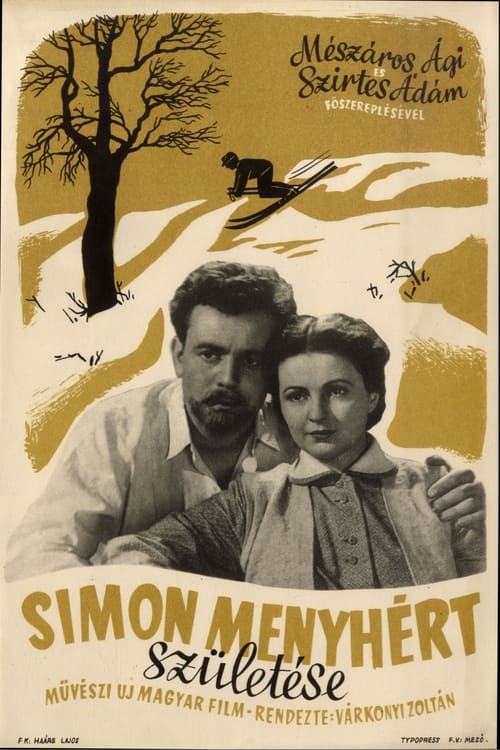
Every member of a small community in the snow-capped Bükk Mountains is trying to help the doctor get to István Simon forester's house where his wife is about to give birth to their first child.
The Birth of Menyhért Simon
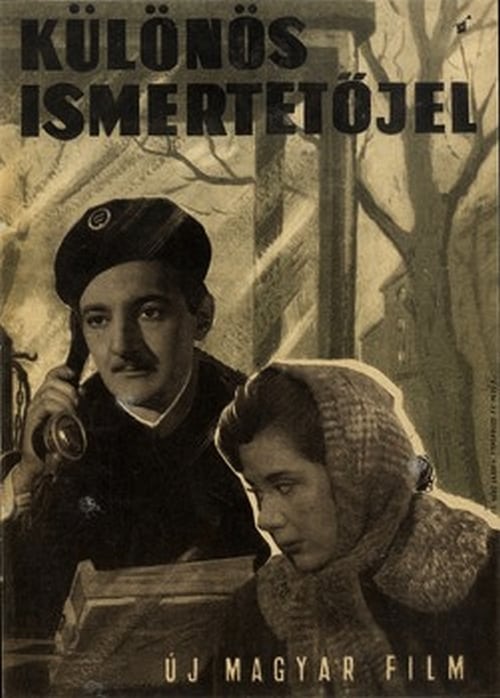
Imre, secretary of the illegal communist party arrives in Budapest secretly in 1942, in order to start the newspaper of the party in the fight against war. Not even his own mother can see him.
A Strange Mark of Identity
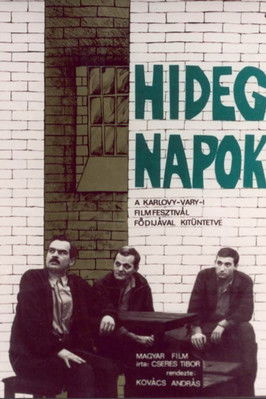
Andras Kovacs' film, considered one of the most important Hungarian films of the 1960s, centers around four men who await trial for their involvement in the massacre of several thousand Jewish and Serbian people of Novi Sad in 1942. Each denies any responsibility, claiming that they were only following orders. The film is significant for its willingness to address the subject of Hungary's role in WWII, which was taboo at the time of the its release.
Cold Days
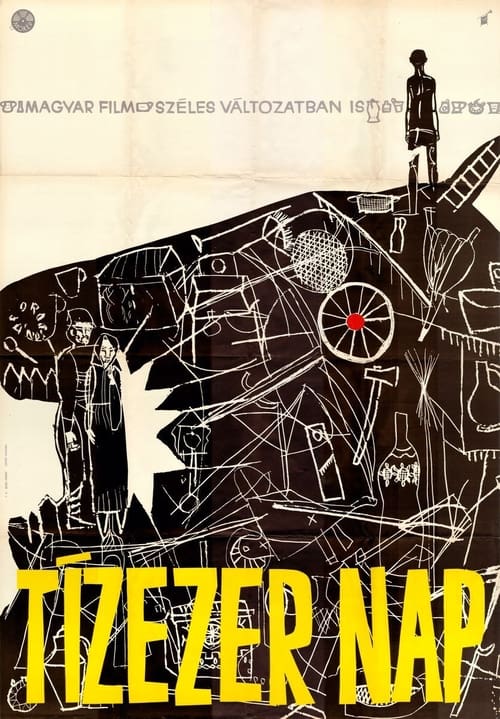
The changing and turbulent history of Hungary is seen through the eyes of three men over a 30-year period in this somber drama. The three recall the highlights of their lives in flashbacks as they reminisce in the mid 1960s. The venerable trio begin their story in the 1930s, through World War II, and the decade beyond the communist invasion of 1956.
Ten Thousand Days
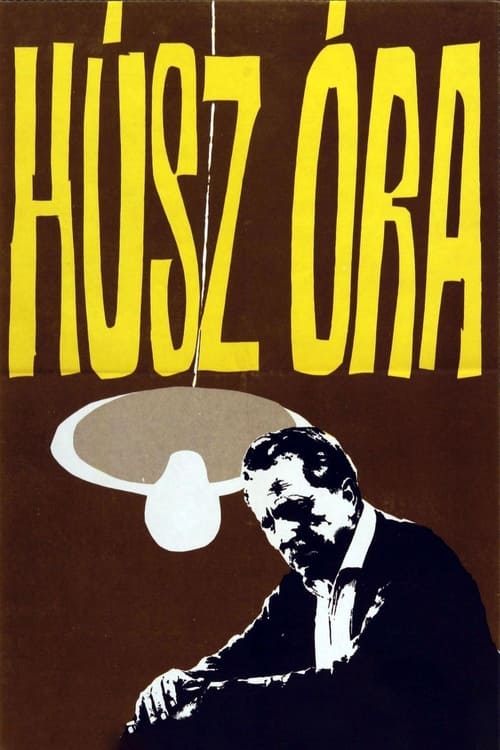
A crusading newspaper reporter covers the Soviet invasion of Hungary in 1956. Initially critical of the communists, the feature later espouses the virtues of the social changes implemented since the invasion. The title refers to the period of time the reporter spent interviewing witnesses to the invasion.
Twenty Hours
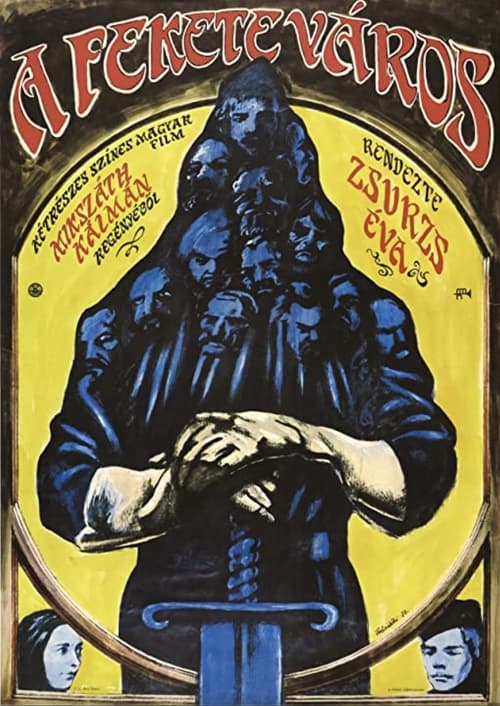
Feature film version of the 1971 series. On the eve of the 18th century, County Vicecomes Görgey Pál broods alone in his manor while the town of Leutschau celebrates New Year’s with lead‐casting omens and a disastrous hunt that sparks a bitter feud. As Görgey fights for his honor and life, and the townspeople defend their Saxon privileges, their mutual blind ambition prevents them from seeing the rising light of Rákóczi’s coming rebellion.
The Black City
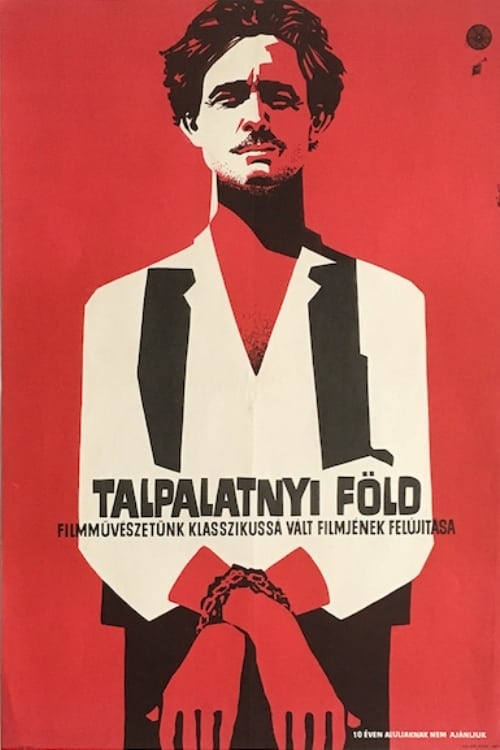
In 1905 Hungary, a young village woman has just undergone a marriage to the spoiled son of a man to whom her father is indebted, in order that the debt be cancelled, only to be spirited away by her true love, a young peasant, by whom she soon becomes pregnant. Together they attempt to find a way to buy up her father's debt and also pay for a divorce from her husband, against various odds.
The Soil Under Your Feet
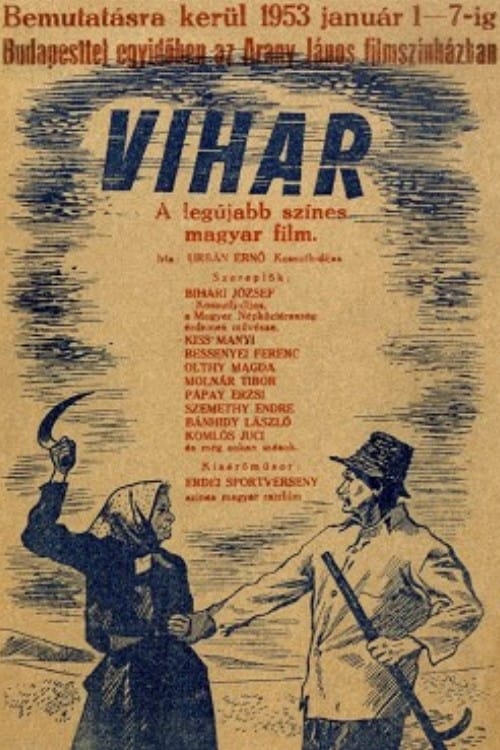
Vörös Hajnal (Red Dawn), a co-operative is the venue of skylarking, while the storm destroys the wheat which is to be harvested soon. Árendás, a middle-peasant, voices severe accusations against members of the co-operative: out of negligence, they failed to keep the ditches clean. It is always the soft option they seem to favour, while the necessity of properly taking care of the farmlands is long-forgotten. Members of the co-operative and the village people are deeply divided.
The Storm
Five deserters hide in a village inhabited only by women.