Acting
Tatort is a long-running German/Austrian/Swiss crime television series set in various parts of these countries. The show is broadcast on the channels of ARD in Germany, ORF in Austria and SF1 in Switzerland.
Polizeiruf 110 is a long-running German language detective television series. The first episode was broadcast 27 June 1971 in the German Democratic Republic, and after the dissolution of Fernsehen der DDR the series was picked up by ARD. It was originally created as a counterpart to the West German series Tatort, and quickly became a public favorite.
SOKO Donau is an Austrian television series.
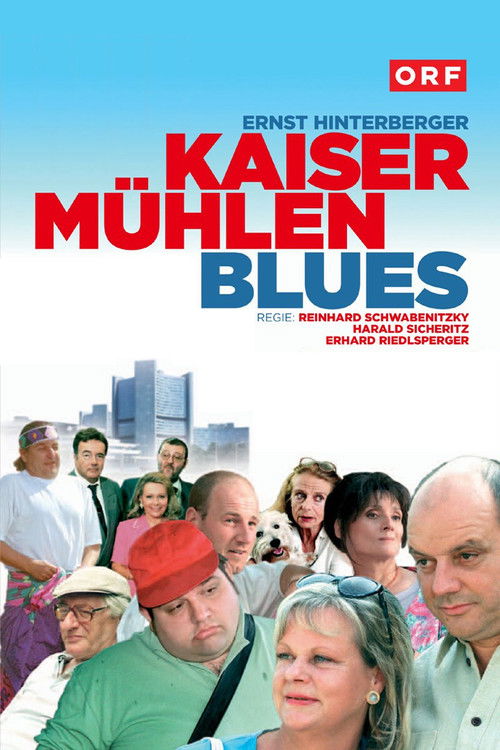
KaisermĂĽhlen Blues is an Austrian television series.
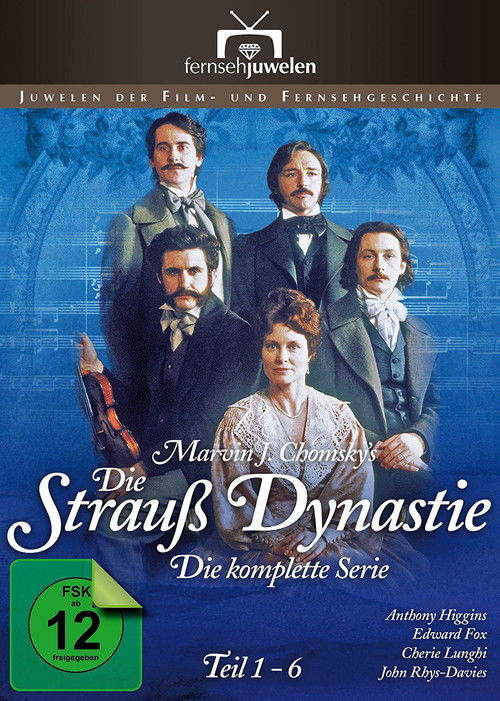
A dramatization of two generations of the Viennese Strauss family, whose dance music and operettas dominated much of Europe and beyond for most of the 19th century.
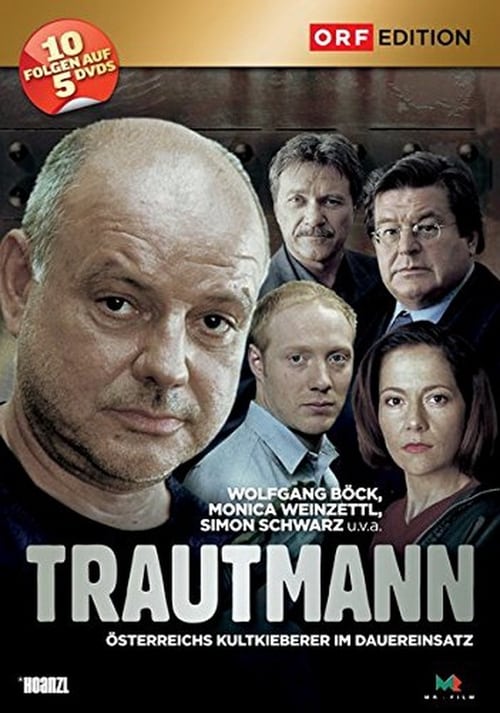
Trautmann is an Austrian television series.
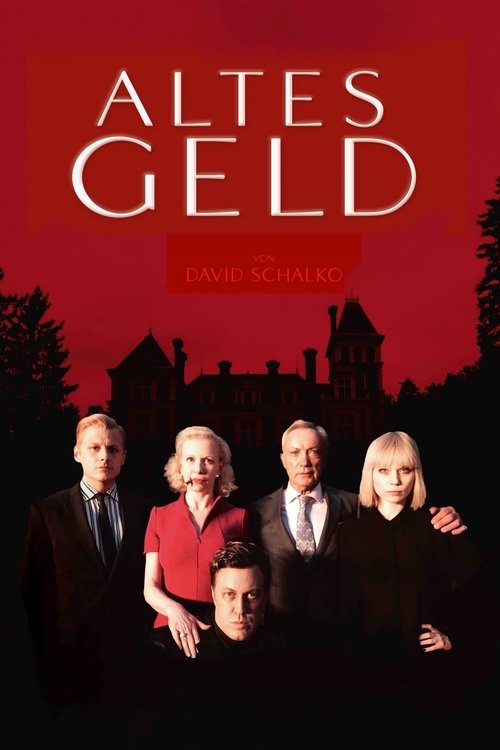
A family, blessed with richness and power, is desperately seeking for a liver for their father, who wants to hand down his wealth to the one who gets the organ.
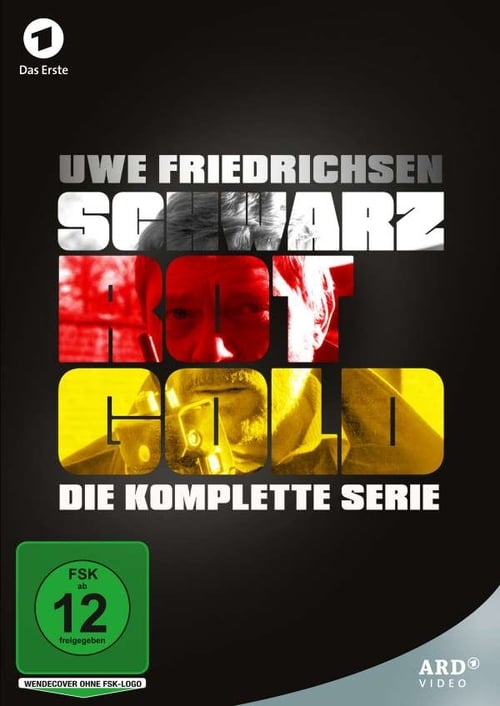
Crime series about Hamburg customs investigator Hans Zaluskowski, who joins forces with his colleagues to take on smugglers and fraudsters. In doing so, he not only has to contend with opaque EU customs regulations, but also solve tricky cases with international implications.
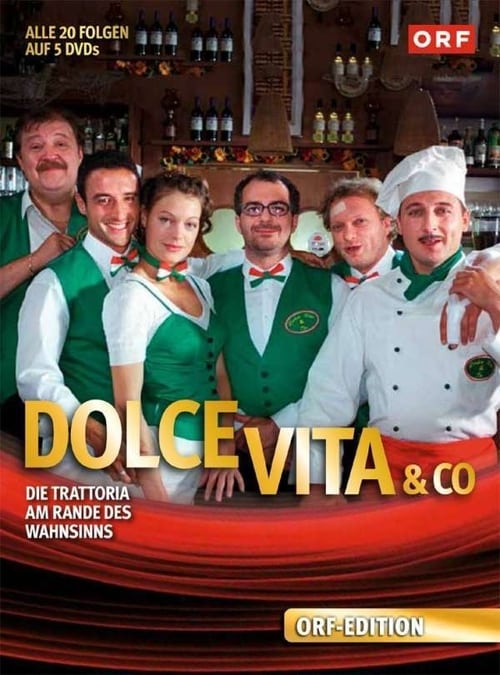
Dolce Vita & Co is an Austrian television series.
8 x 45 is an Austrian television series.
No description available.
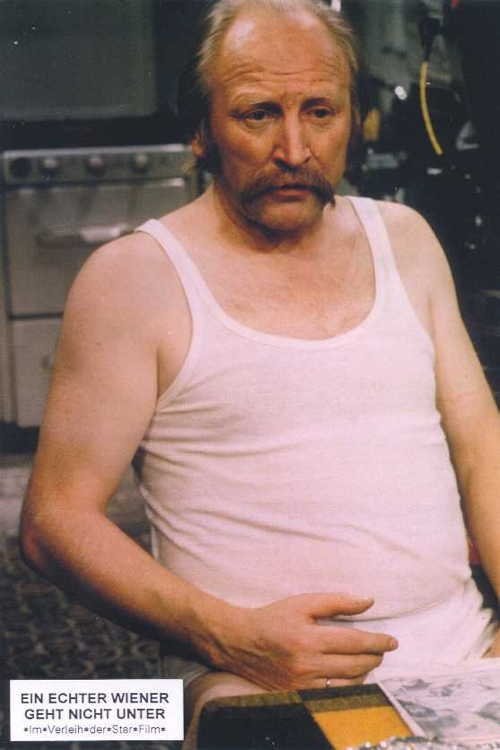
Ein echter Wiener geht nicht unter is a classic Austrian television series. It was produced by Ă–sterreichischer Rundfunk, Austrian Television, and ran for 24 episodes from 1975 to 1979. The script writer was Ernst Hinterberger; the series was based on his 1966 novel Das Salz der Erde. The producer was Hans Preiner, who initiated the project in his series Impulse, which centered on development of new program formats and training of new, young directors. Ein echter Wiener geht nicht unter starred popular Austrian actor Karl Merkatz as the main character, Edmund "Mundl" Sackbauer. Mundl lives in a typical Vienna Gemeindebau at Hasengasse, in Vienna's 10th municipal district. The series used Viennese dialect and became successful after an initial campaign against it by the Krone newspaper as too "common."
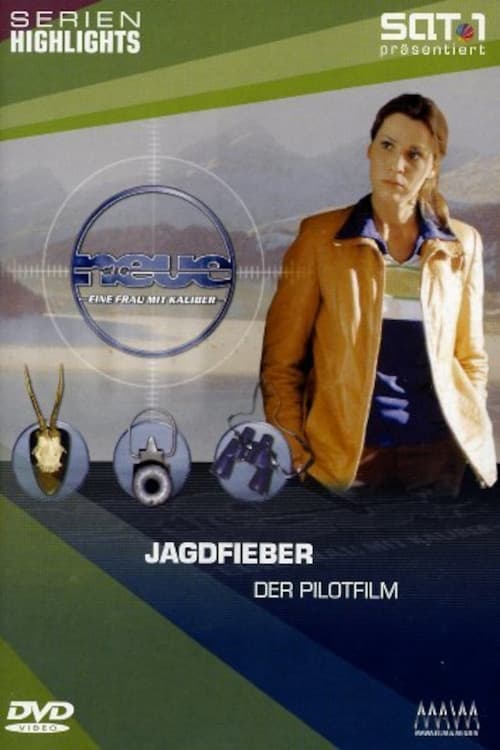
Die Neue – Eine Frau mit Kaliber is a German television series.
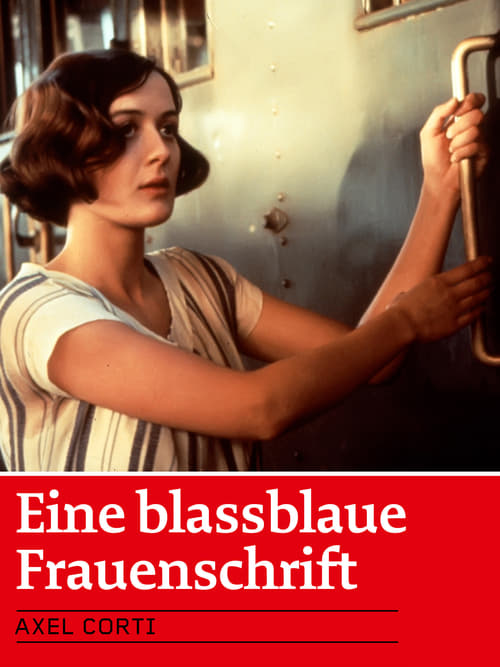
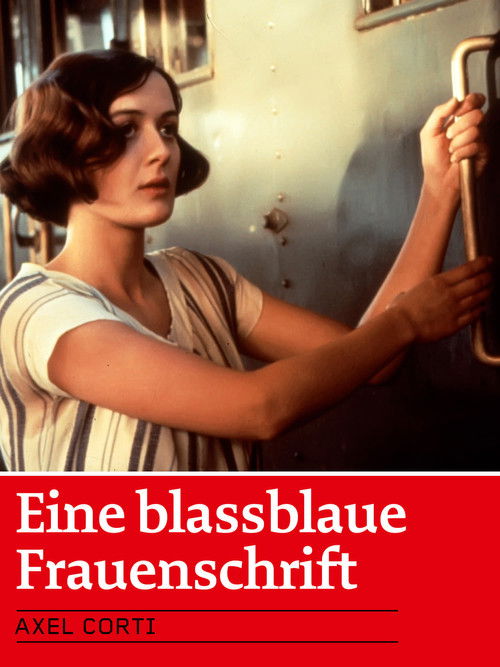
In October 1936, a high official in the Austrian government receives a letter from a German Jewish woman with whom he had an affair in 1925 asking him to help place an 11-year-old, half Jewish boy in a good Austrian school. Is the child his? Should he help? And above all should he help now, at a time when Nazis are becoming powerful in Austria?
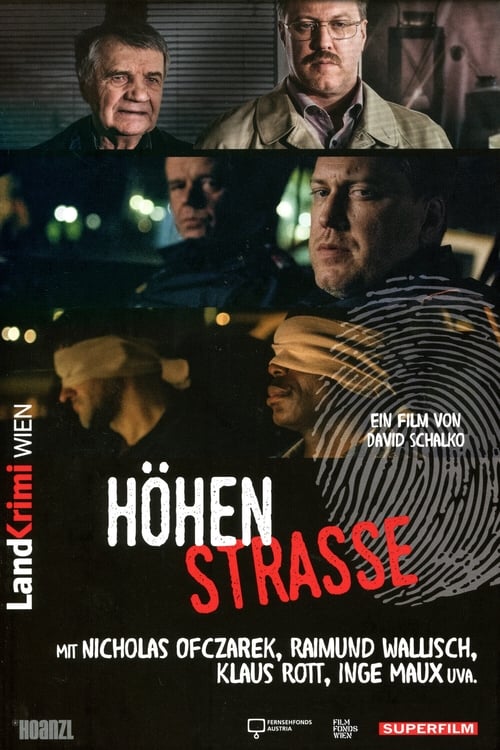
Two police officers, Roli and Ferdinand, control the road users on WIener Höhenstraße. You are literally on the border between town and country.
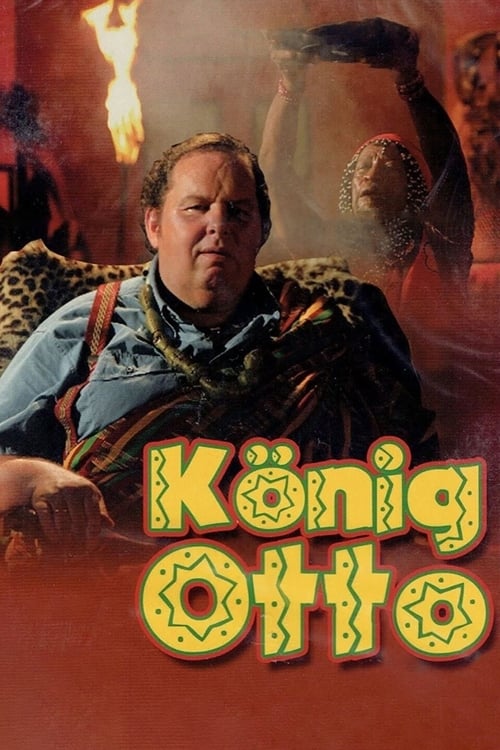
Janitor Otto Huber is a down-to-earth person through and through. When he wins a trip to Africa in a competition, the single father boards the plane just for the sake of his young daughter. Once there, he happens to be chosen as "King Otto".
Through his work at a morgue, an incarcerated young man trying to build a new life starts to come to terms with the crime he committed.
The story of a young man from Burgenland named Franz who works for an expanding construction company. The boss urgently needs workers and tries to tie Franz to his company by offering him a promotion to foreman. Franz is undecided. After some hesitation, however, he accepts an offer from a large construction company. Franz wants to start a family with his pregnant girlfriend Erna and build a house. She faints in an accident and Franz goes to find a doctor. The doctor is with the builder, who stands in the way of the desperate young man. Franz pushes the builder aside and injures his arm in the process. Franz is then reported to the police and brought to court. He gets caught up in the wheels of justice and ends up in prison. There, all he can do is remain silent. Based on the book and screenplay by Michael Scharang